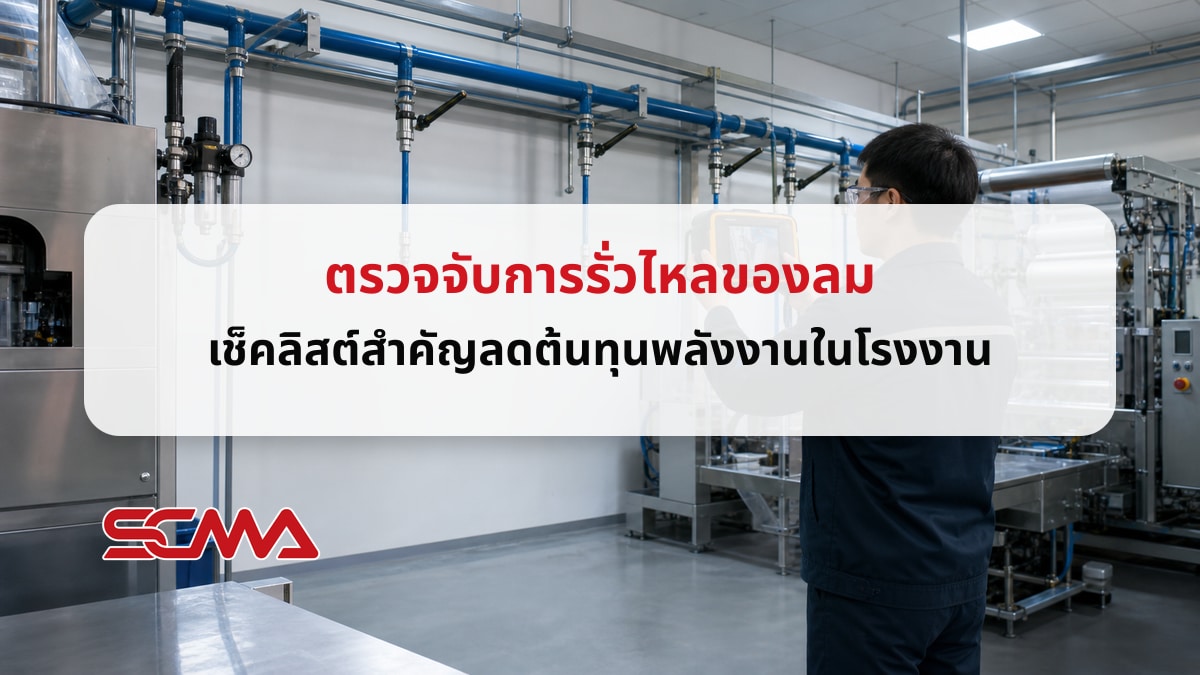
Is your factory's compressed air system unknowingly wasting energy? Leaks in the pipeline system directly impact rising electricity costs without any benefit. SCMA Co., Ltd., an expert in industrial sensor systems, is ready to help you address this issue precisely. This article will guide you through the process of detecting air leaks and provide a checklist that can be immediately applied on the production line to enhance your factory's efficiency to its maximum potential.
What is Detecting Air Leaks?
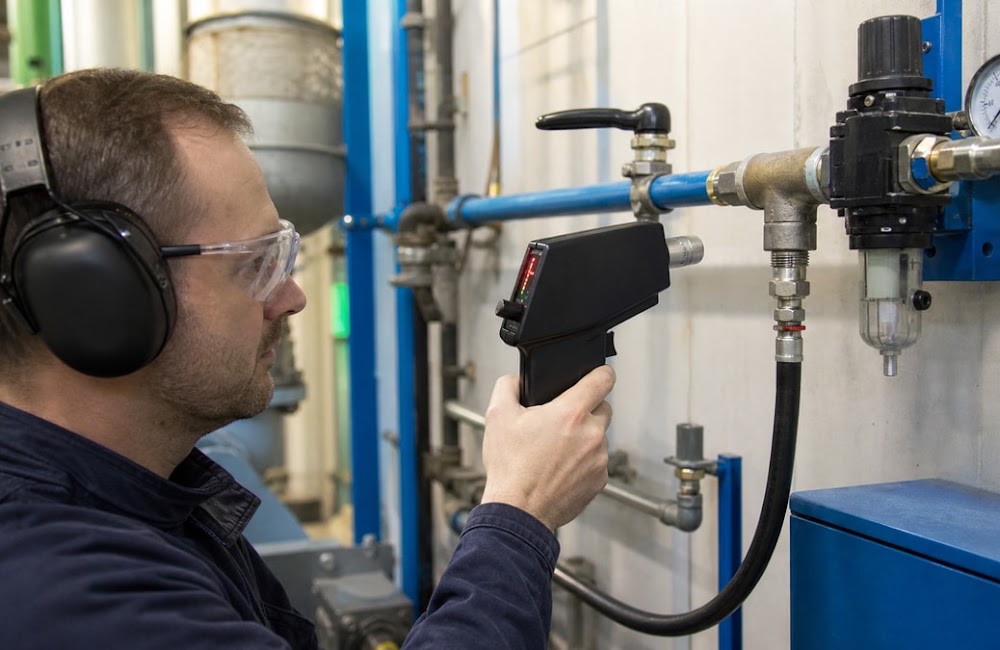
Air leak detection (Leak Detection) involves identifying points where compressed air or gas leaks from the pipeline system in a factory. This issue is one of the main causes of energy loss. Using appropriate tools along with pressure sensors helps engineers accurately analyze flow rates, allowing you to quickly identify abnormalities in compressed air usage before damage escalates. Learn more about common leak problems for a deeper understanding.
How the Air Leak Detection Works
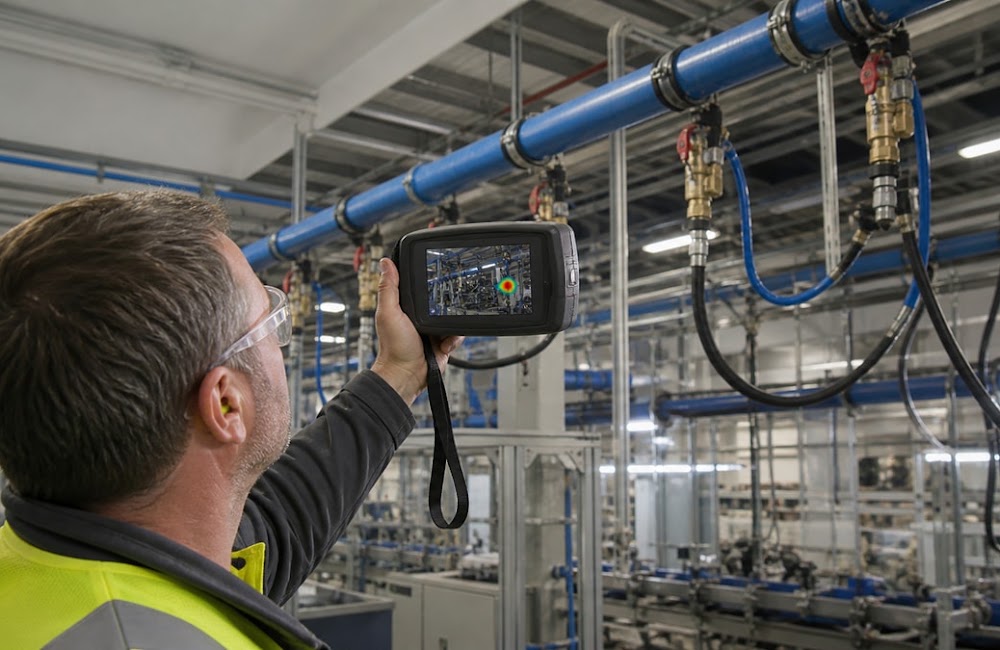
Based on SCMA's engineering team experience, the Air Leak Detection principle relies on industrial-standard measuring tools. Generally, it involves using high-frequency sound waves (Ultrasonic) to listen for inaudible air leaks and employing flow measurement devices to monitor real-time compressed air loss.
How Many Types of Air Leak Detectors Are There?
Air leak detection equipment for compressed air systems is primarily divided into two types based on their practical applications as follows:
1. Flow Meters for Compressed Air
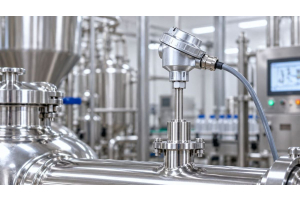
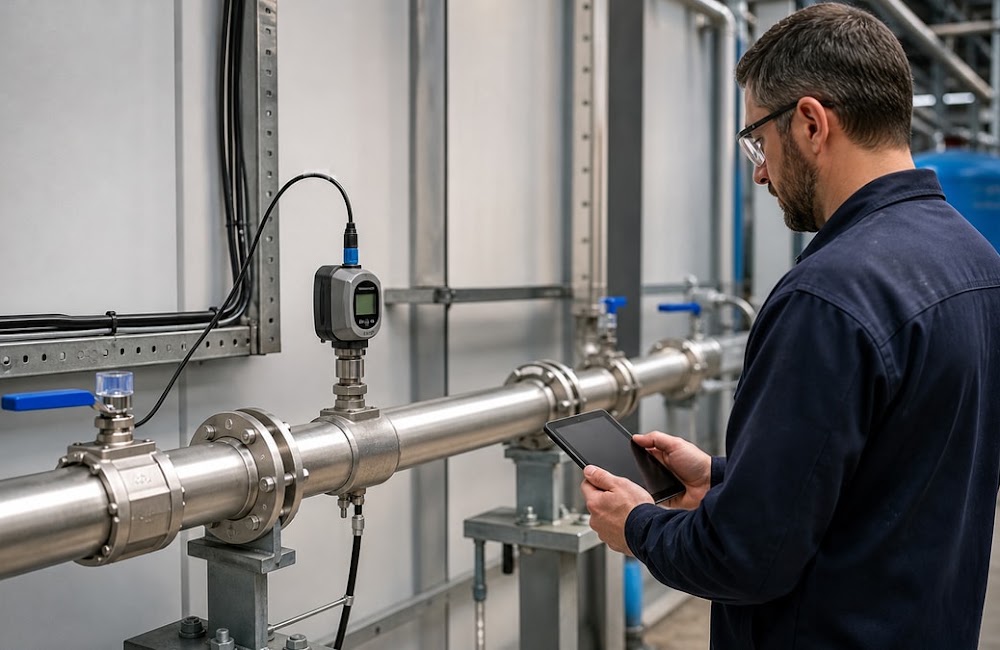
This type focuses on permanent installation in pipelines to continuously measure the flow of compressed air. The device analyzes data to check if there's excessive air loss beyond standard levels, making it ideal for long-term energy efficiency monitoring. For more details, see Flow Meters for Compressed Air.
2. Ultrasonic Leak Detectors
This type is portable and uses high-frequency sound waves to "listen" for air leaks at joints. Some models come with a clear visual display of leak locations, making them suitable for proactive inspections across various factory points to quickly identify small leaks.
Maintenance of Air Leak Detection
Regular maintenance for Air Leak Detection is crucial in reducing the cost of compressed air systems. Modern maintenance engineers often incorporate ultrasonic sound detection or acoustic imaging cameras into their plans, which helps accurately pinpoint defects and enables timely repair planning.
Air Leak Detection Usage
The application of Air Leak Detection Equipment in factories helps to reduce losses concretely. SCMA recommends the following main 3-step usage methods.
1. Measuring Volume and Flow Rate During Operation
Start by installing a Flow Meter at strategic points in the air duct system. The equipment will measure the volume of air produced compared to the actual amount used at the endpoint. This data helps system managers understand overall air delivery efficiency.
2. Checking Air Loss During Production Breaks
The engineering team should observe flow rates during non-working hours or breaks. If the numbers for air flow continue, it indicates that there is a leak in the pipe system or joints. This method is an easy and clear way to check initial abnormalities.
3. Evaluating Results and Setting Up Central System Alerts
Send data measured by sensors directly into the central control system (PLC/SCADA). Users can set up alerts (Alarms) immediately when air flow rates are abnormally high. This type of setup helps maintenance teams to address issues before air pressure drops and affects production.
How to Choose Air Leak Detection Equipment
Investing in Air Leak Detection Equipment requires considering cost-effectiveness and durability. SCMA recommends the following key factors for selection:
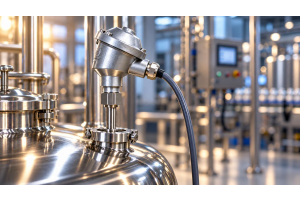
- Type of Sensor: Use a Thermal Mass Flow Meter, which provides high accuracy and measures flow directly without disturbing duct temperature.
- Data Connectivity Support: The equipment should have a clear LCD screen and support standard output signals (such as 4-20mA or Modbus) for real-time data transmission.
- Pipe Size and Measurement Range: Check the main air duct diameter and measurement range to cover your system's maximum flow rate.
- Durability in Environmental Conditions: Choose equipment with an IP65 rating or higher to protect against dust and moisture in industrial areas. Explore selected products at All SCMA Products.
Benefits of Leak Detection Systems for Compressed Air
The installation of a leak detection system that meets standards can significantly enhance operational efficiency. The primary benefits include energy savings and reduced workload on air compressors. Maintaining constant pressure helps extend the lifespan of pneumatic machinery, while accurate data allows you to transition from reactive maintenance to proactive maintenance completely.
Signs That Your Compressed Air System Should Start Leak Detection
Before deciding to install a leak detection system, SCMA's team provides an initial checklist for you to explore issues on-site as follows:
- The air compressor (Air Compressor) works harder or cuts off frequently abnormally during periods of no air usage.
- Air pressure at the end-use point drops, causing machinery to operate inefficiently.
- Factory electricity bills soar while production volume remains unchanged.
- Hear hissing sounds around joints, valves, or pipe connections when the machine is idle.
Summary
Air leak detection is not just routine maintenance but a crucial strategy to reduce production costs and extend machinery lifespan. Choosing accurate flow meters in conjunction with fast evaluation systems will help plug profit leaks in your factory effectively. SCMA Co., Ltd. is ready to be your technical partner, providing consultation and designing a system that best suits the structure of your factory.
If you want to purchase leak detection systems, SCMA is available for purchase today!
If you are looking for reliable leak detection solutions, SCMA is an expert in industrial measurement tools and sensors, selecting only leading global technologies. We have a team of engineers ready to provide Project & Solutions, designing systems on-site at your factory regardless of whether you are in the EEC or northern industrial estates. Contact us today to start reducing energy costs sustainably.
Frequently Asked Questions
How much does air leakage in an industrial system cost?
Even small leaks at multiple points can result in a loss of compressed air energy up to 20-30% of the total produced, which amounts to significant costs annually.
How often should air leaks be checked?
SCMA engineers recommend conducting an ultrasonic inspection route for the air piping system at least once or twice a year, along with daily readings from flow meters.
Where is it most cost-effective to install flow meters?
Install them on the main discharge line of the compressor to get an overview and at branch lines of critical machinery to monitor specific point air usage rates.
What services does SCMA offer?
We provide a range of services from high-quality equipment sales, consultation, system design, installation, to comprehensive calibration work and after-sales service.