
Have you ever faced Production Downtime caused by motors working beyond their capacity, leading to sudden production line disruptions? This issue can be effectively prevented with the installation of high-standard motor current sensors. As a provider of measurement and automation system solutions, SCMA offers comprehensive consultation services. In this article, our engineering team will summarize important information from how it works, types of equipment, all the way to selection techniques to enhance reliability for your factory.
What is a Motor Current Sensor?
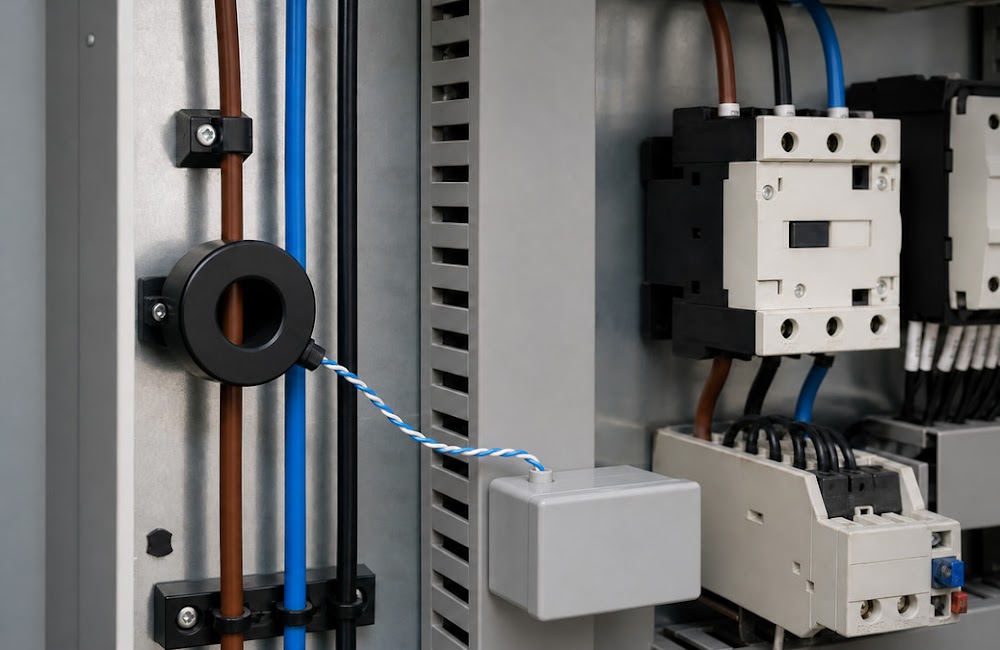
A Motor Current Sensor (Current Sensor) is an important device that measures the amount of electrical current flowing through motors in industrial systems. Data measured by the sensor is transmitted to a central system for close monitoring and control of machinery operations. The primary benefit of this equipment is preventing motor damage from overloading due to excessive work.
How Motor Current Sensors Work
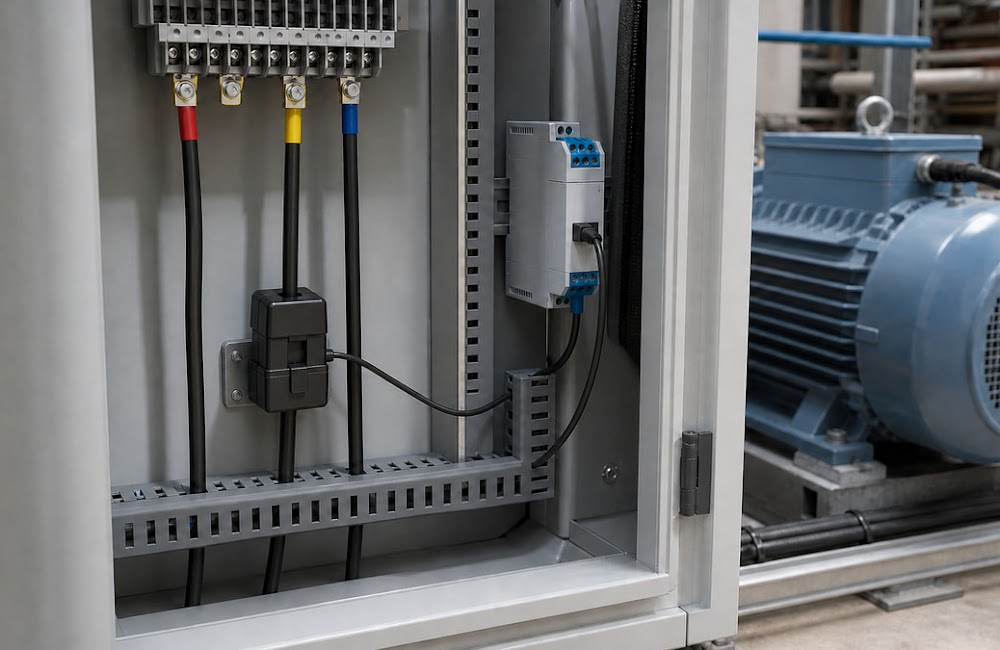
Motor current sensors typically operate based on the principle of a Current Transformer (CT), converting high AC currents to lower, safer levels. When motor wires have electrical current flowing through them, it generates a magnetic field around the wire which induces an iron core inside. This process creates secondary winding currents according to a specified ratio to send signals to controllers.
How many types of motor current sensors are there?
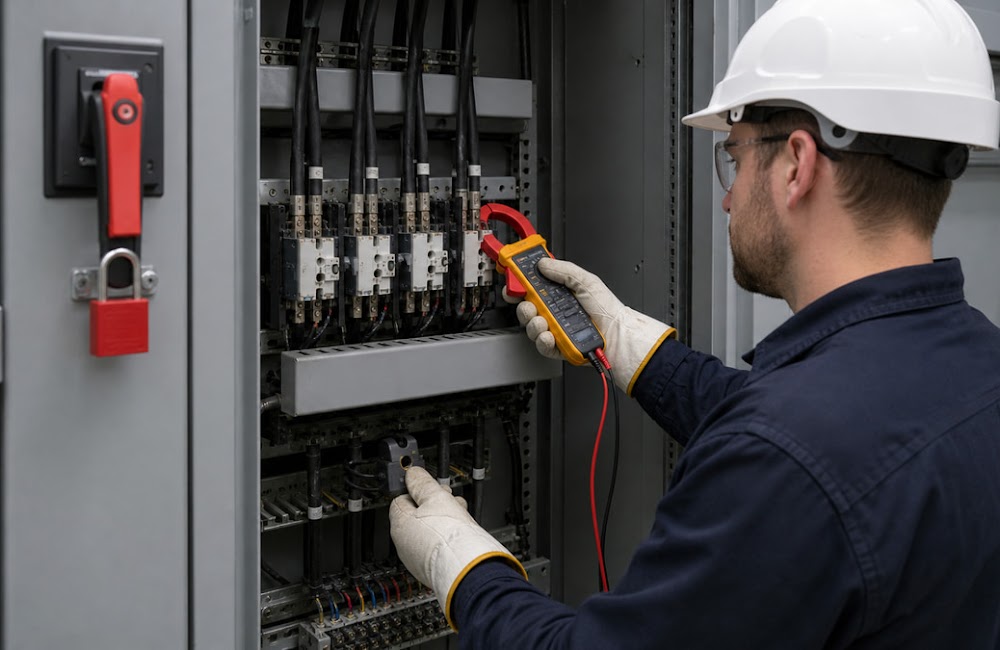
The electrical current measuring devices for motors available in the market can be categorized into several types based on their engineering applications. The products distributed by SCMA can primarily be divided into two main groups according to signal conversion methods as follows:
1. Current Transformer (CT)
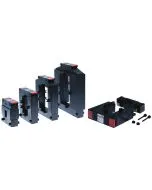
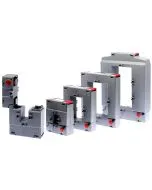
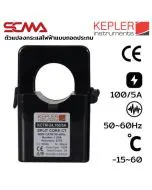
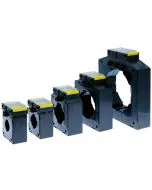
This type of equipment functions to reduce the high current from large motors to a safer level based on standard ratios, allowing meters to operate safely. The installation types include solid-core CT for directly threading main power cables through its aperture and split-core CT that allows technicians to open the iron core without interrupting production lines.
2. Current Transducer
This group consists of sensors that convert current values into standard output signals sent directly to PLC systems or factory controllers. They come in both analog types converting values into general electrical signal standards and Hall Effect Sensor technology measuring magnetic fields around conductors, capable of handling both DC and AC currents.
How to Maintain Motor Current Sensors
Proper maintenance of electrical measuring equipment is essential for industrial plant management. These practices help prevent errors and extend the lifespan of devices.
Regular Cleaning
Users should use a soft, dry cloth to clean motor current sensors regularly to prevent dust accumulation. Cleaning wires in the surrounding area is equally important as maintaining the main equipment. The utmost caution must be taken not to use harsh chemicals or corrosive cleaning agents on the device.
Control of Installation Environment
The installation area for sensors should have good air circulation, free from excessive heat and moisture accumulation. Avoiding locations with severe vibrations from machinery is crucial for engineers to consider. An appropriate environment helps prevent premature damage to internal electronic components.
Inspection of Wiring Systems and Connections
Maintenance teams must regularly check wiring terminals and signal wires according to specified intervals. Identifying loose, damaged, or deteriorated insulation points reduces the risk of electrical shorts. Keeping signal lines in good condition helps maintain data accuracy sent back to the control system.
Calibration
Factories should have motor current sensors calibrated with international standard equipment. Calibration at least once a year ensures that the readings from the system remain reliable.
Using Motor Current Sensors
The application of current sensors is crucial for monitoring the performance efficiency of machinery. The data received helps teams manage motor energy usage perfectly.
Usage Through Current Transformers (CT)
Most industrial systems prefer to use current transformers in conjunction with large high-capacity motors. Installation can be done by looping the sensor through the main wire to convert massive amounts of electrical current. The reduced current data will be at a safe level for meters to process.
Magnetic Sensor Usage (Hall Effect)
Hall effect technology is designed to detect changes in magnetic fields caused by electric currents around conductors. This type of sensor has high flexibility as it supports both alternating current (AC) and direct current (DC) systems. Those interested can learn more about basic current sensors from engineering sources.
How to Choose Motor Current Sensors
Selecting high-quality motor current sensors requires a thorough understanding of the factory's electrical system. The expert engineers at SCMA recommend considering 4 main factors before purchasing as follows:
- Current Range (Current Range): Engineers must check the maximum amount of electric current in the motor to select a sensor range that can adequately support it.
- Type of Output Signal: Consider selecting standard signal formats such as 4-20mA or 0-10V, matching existing PLC systems.
- Installation Space Size: The space in the control panel affects equipment selection. If space is limited, use split-core CT for convenience.
- Noise Interference Protection: Industrial environments are full of electromagnetic waves. Selecting interference-resistant equipment helps ensure stable measurement values.
Benefits of Motor Current Sensors
The installation of internationally standardized motor current sensors enhances safety in production lines tangibly. This measuring tool offers a variety of engineering benefits to organizations.
- Precise anomaly detection: The sensor can quickly detect abnormalities in the electrical current, preventing damage from Overload conditions.
- Highest level of safety: The system can immediately cut off power circuits during emergencies, reducing the risk of accidents within the factory.
- Increase operational efficiency: Maintenance teams can monitor energy usage in real-time. This data is useful for fine-tuning energy consumption.
- Long-lasting durability: High-quality equipment operates accurately, consumes low power, and withstands heat, reducing long-term maintenance costs.
Applications in Industry
Motor current sensors are widely used in automotive parts manufacturing plants as well as the electronics industry. Installing sensors alongside large water pumps, air fans, or conveyor belt systems allows maintenance teams to monitor machine status in real-time. Accurate data supports efficient preventive maintenance planning.
Summary
The motor current sensor acts as a constant watchdog for electrical current anomalies in machinery. Choosing the appropriate type of equipment for your system can significantly extend motor lifespan. If your factory is looking for experts to provide in-depth consultation, SCMA offers comprehensive measuring tool solutions by professional engineers.
If you want to buy motor current sensors, SCMA is now available!
Investing in high-standard motor current sensor systems is the most worthwhile decision for business owners. SCMA Co., Ltd. offers only selected technologies and measurement tools products that have been rigorously vetted. We provide after-sales service, calibration work, and project design services that meet real-world operational needs. Contact us today to elevate the reliability of your production process.
Frequently Asked Questions
How do AC (Alternating Current) and DC (Direct Current) sensors differ?
The AC type works based on transformer principle (CT) induction, while the DC type requires Hall Effect technology to detect magnetic fields.
What are the advantages of Split-Core installation?
The lobster-claw or Split-Core design allows technicians to easily loop the sensor around main wires without interrupting production lines.
How can motor overload be detected?
A continuous current reading higher than the nameplate rating of the motor by the sensor indicates an overload condition, leading to heat accumulation and coil damage.
How often should calibration for accuracy be performed on equipment?
Experts recommend calibrating electrical measuring instruments every 1 year or following intervals specified in the factory's quality system standards.
What does the 4-20mA variable mean in product specifications?
This number represents a standard analog signal format sent by current converters, which has good noise immunity when transmitting signals over long distances.