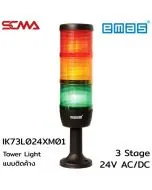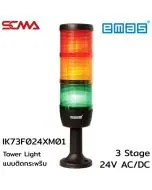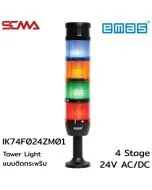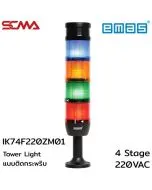
Have you encountered machinery stopping unexpectedly without knowing the cause? The machine status light or Tower Light is crucial for quickly alerting abnormalities. SCMA Co., Ltd. (SCMA) offers comprehensive automation solutions. This article will delve into the working principles, purchasing tips, and maintenance checklists to enhance factory safety sustainably.
What is a Machine Status Light?
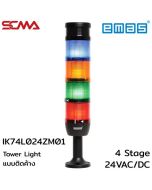
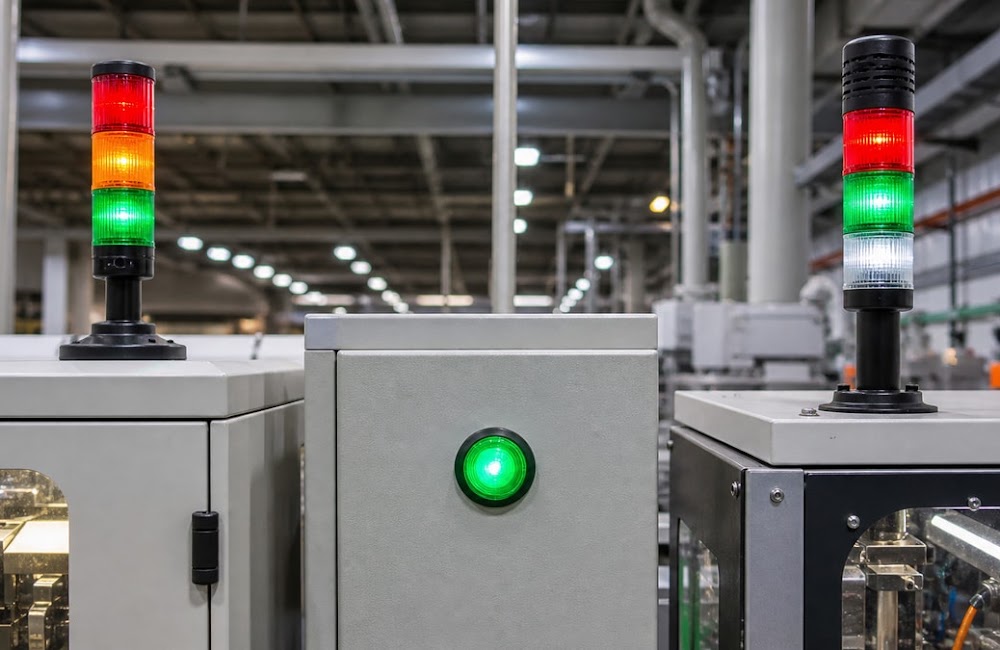
A machine status light (Signal Tower Light) is an alerting device using LED lights and sirens to indicate the system's operational status. This equipment allows operators to immediately see abnormalities from a distance without having to approach dangerous areas. Typically, Signal Light has 3-5 standard colors arranged according to international standards.
How Machine Status Lights Work
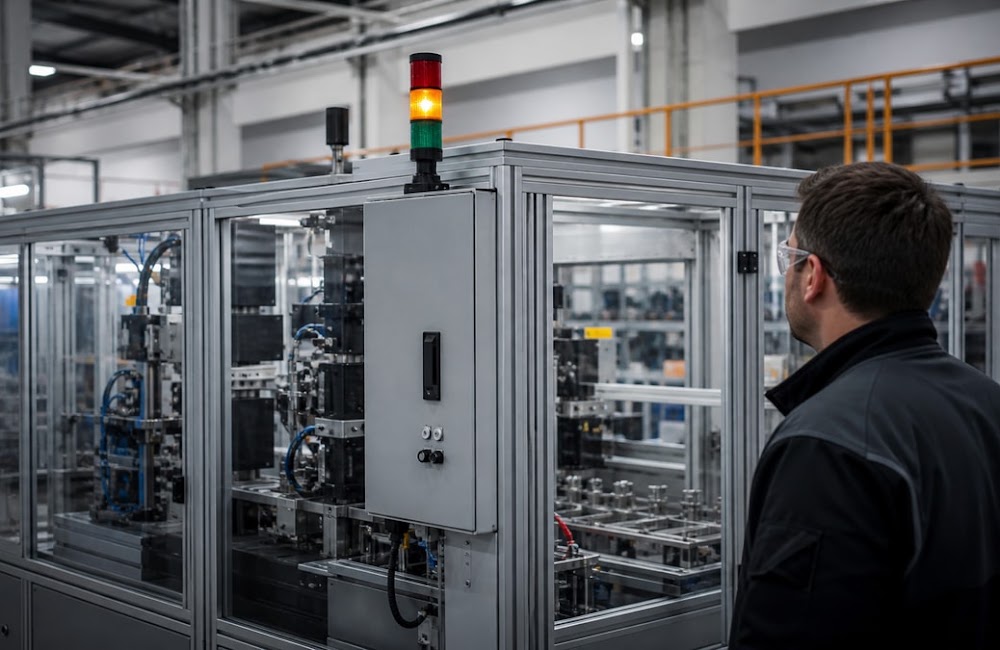
The system of machine status lights (Signal Tower) relies on receiving data directly from sensors or the PLC control panel. When changes occur in the production line, the system converts this information into real-time light or sound signals. This type of operation allows engineering teams to respond quickly to emergencies.
How Many Types of Machine Status Lights Are There?
This type of equipment is designed to accommodate a variety of industrial environments. The notification modes of Tower Light are divided into three main types as follows:
Constant Light Mode
The constant light mode is used to indicate the normal operating status of the system. LED bulbs remain lit continuously to confirm that production processes are running smoothly. This type is suitable for general monitoring in low-risk situations.
Blinking Light Mode
The blinking light system is set up to alert special events requiring attention. The flashing pattern of the machine status lights draws more attention than constant lighting, making it ideal for warning about errors or temperatures exceeding thresholds.
Alert Sound Mode
In addition to visual signals, some models of machine status lights are equipped with sirens or buzzers. High-level alert sounds help workers in noisy areas hear clearly, making this signal suitable for emergency situations requiring immediate shutdown.
Machinery Status Light Maintenance
Ensuring that warning devices are in working condition is crucial for factory safety. The maintenance team should follow a three-step checklist:
Inspection and Cleaning
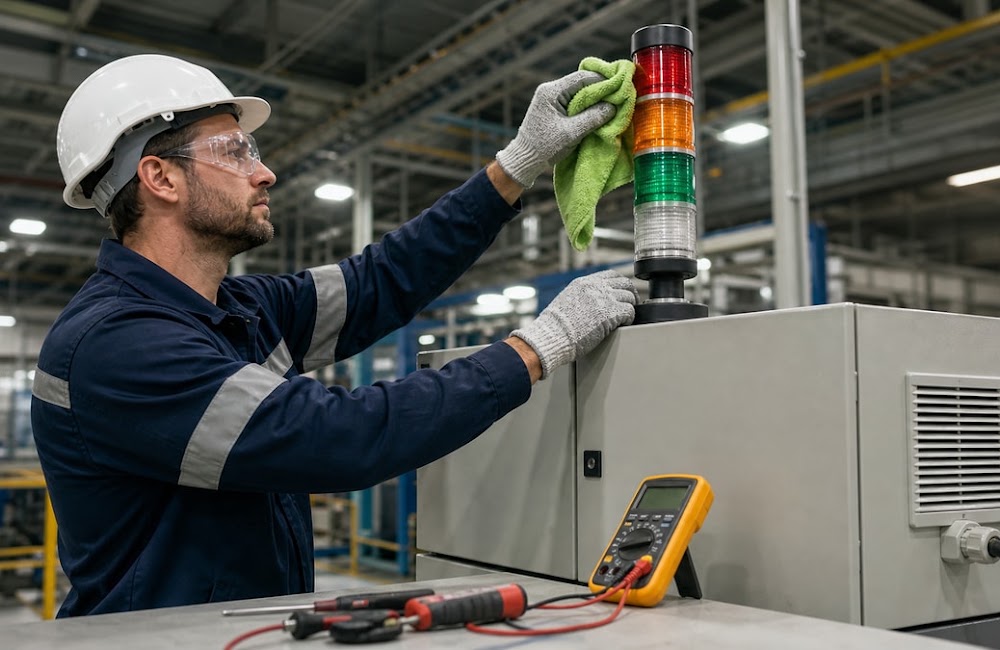
The lenses of the machinery status lights must always be clean to prevent light obstruction. Technicians should regularly use a damp cloth to wipe off oil or dust, and test the lighting system as well as sound functionality daily.
Predictive Maintenance
A PM plan should be detailed every 6 months to one year, especially in high-temperature areas. Engineers must check electrical connections, bulb sockets, and dust-sealing rubber to prevent short circuits. LED bulbs that are starting to deteriorate should be replaced immediately.
Initial Troubleshooting
If the lights do not turn on, first check the power source or fuse at the control panel. If the lights flicker irregularly, it may be due to low voltage. For issues with alarm sounds not being loud enough, check if the Alarm Line signal wire is loose.
Interpreting Machine Status Indicator Lights
Correctly interpreting the meaning of light colors helps employees accurately assess on-site situations. The international standard for arranging machine status indicator lights is as follows:
Red - Danger / Stop Operation
The red light indicates a serious system malfunction, emergency shutdown of machinery, or danger in the area. This signal works with flashing lights and sirens to alert maintenance teams to urgently repair the system.
Yellow or Amber - Caution
The yellow signal warns that the machine is beginning to show minor abnormalities, possibly due to temperature rising to a monitoring level. This light alerts engineers to check control systems and HMI screens before the machine suffers damage.
Green - Normal Operation
The steady green light indicates a safe situation with normal system operation. The production process can continue without errors, providing assurance to operators on the production line.
Blue and White - General Status Alerts
Blue is used for general assistance requests, such as machinery needing additional raw materials or signaling that production has completed. Meanwhile, white is used to indicate specific statuses like manual system operation or as lighting in restricted areas.
Benefits of Machine Status Indicator Lights
This equipment enhances productivity by clearly reducing downtime. Controllers know the real-time status, allowing for quick problem resolution. Clear visibility of warning signals also prevents accidents and increases safety for everyone in the area.
How to Choose and Purchase Machine Status Lights
Carefully considering engineering factors is crucial when investing in warning equipment to ensure durable and suitable products for your needs. SCMA recommends the following key considerations:
- Voltage (Voltage): Select a 24V DC system for general control panels or a 220V AC system according to the specifications of existing machinery.
- Lamp Layers and Colors: Choose a standard three-layer model (red-yellow-green) or add blue for more complex systems.
- Type of Lamp: LED lamps with a lifespan exceeding 50,000 hours are recommended due to their energy efficiency.
- Buzzer Function (Buzzer): Choose models that have built-in alarm sounds and sufficient volume levels (dB) to cut through factory noise.
- Mounting Style: Evaluate the work area to choose between floor-mounted bases, L-Bracket wall mounts, or foldable pole options.
- Degree of Protection (IP Rating): Use IP65 and above for production zones with water droplets, dust, or high humidity.
Summary
Machine status lights (Tower Light) are essential for enhancing safety and reducing downtime in manufacturing lines. Choosing high-quality equipment and maintaining it regularly helps protect machinery from damage. As a technical partner, SCMA is ready to provide consultation and design automation solutions tailored to your factory needs.
If you are looking to purchase machine status lights, SCMA is available now!
The accuracy of alerts is the heart of modern industry. Choosing equipment from a reliable distributor reduces operational risks. If you are seeking measurement tools and sensors, our engineering team offers comprehensive services. Contact SCMA for solutions and services that fit your budget.
Frequently Asked Questions
How long is the lifespan of machine status indicator lights?
LED bulbs generally have a lifespan of up to 50,000 hours if installed in an appropriate environment.
Can sound alerts be added to older Tower Light models?
SOME models are designed to be stackable, allowing you to purchase and add sound modules (Buzzers) at the top.
What does IP65 standard protect against?
The IP65 level can completely prevent dust from entering the device and protects against water jets or splashing from all directions.
How do LED bulbs differ from incandescent bulbs?
LED bulbs are more energy-efficient, provide clearer brightness, do not accumulate heat, and have a lifespan several times longer than that of incandescent bulbs.
What type of power does a general control panel use?
The majority of industries prefer to use 24V DC voltage for control panels to ensure safety and prevent electric shock hazards.