
Fluid pump damage caused by sudden fluid stoppage is a common issue in industrial plants. Accurately detecting flow cessation in pipes with a Flow Switch is crucial to solving this problem. SCMA offers consultation and system design services to protect your machinery. This article delves into the working principles, maintenance methods, and selection criteria for purchasing equipment for sustainable safety.
What is a flow stop detector?
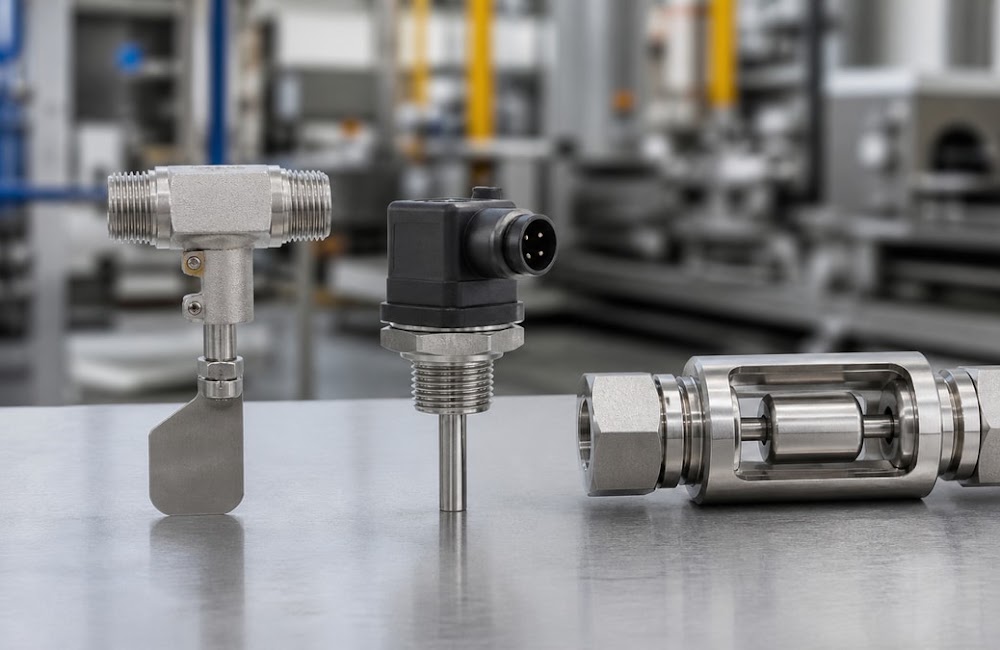
The device used for detecting flow cessation in pipes, or checking if fluid has stopped flowing, is called a Flow Switch (flow switch) or Flow Sensor. These devices can work with Flow Meters to closely monitor the system; upon detecting no flow, they will send an alert signal or shut down the system for safety purposes. For more information, you can view technical data on Flow Switches from international sources.
Working principles of a flow stop detector
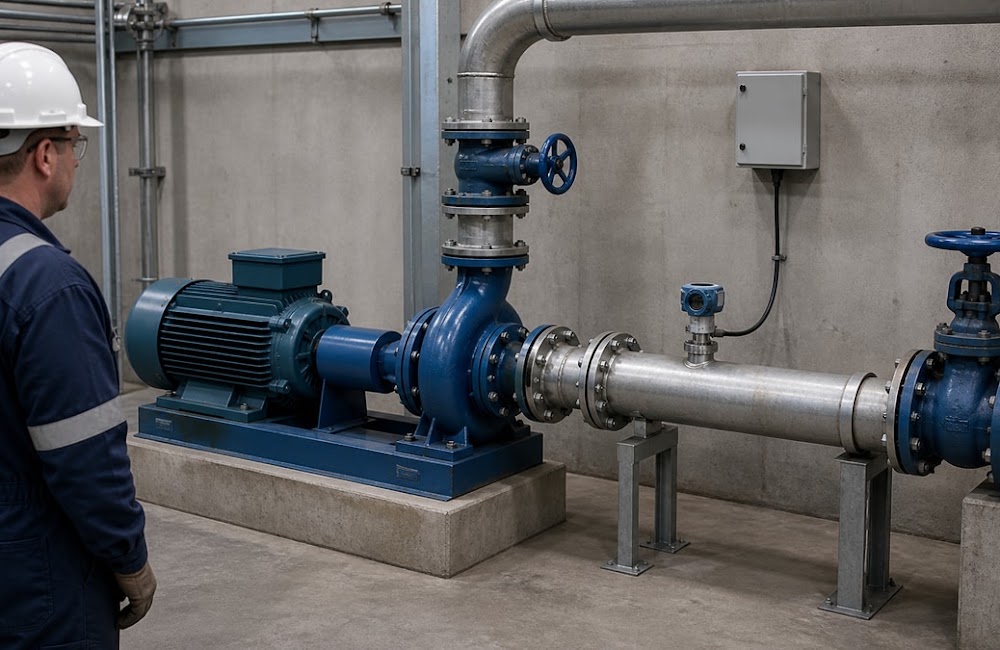
The working principle of detecting flow cessation in pipes relies on measuring the speed of fluid or gas moving through the system. If it is assessed that the flow rate has dropped to zero, the Flow Switch will send an electrical signal indicating abnormal status. This signal will alert operators or automatically shut down the system to prevent dry run (pump running without water).

How many types of pipe flow stop detectors are there?
The equipment for pipe flow stop detection is designed in various forms to suit the physical characteristics of the site. We can study the working principles and types of Flow Meters, which are classified into 5 main detection modes as follows:
Paddle Type
This type relies on the installation of a paddle extending into the pipe. When fluid flows past the paddle, it moves to open the circuit. However, when flow stops, the paddle falls back to its original position to send an alarm signal. It is commonly used in fire sprinkler systems and is considered an easy-to-use and low-maintenance flow detection switch.
Floating Ball Type
This uses the pressure of liquid or gas to lift a ball up inside a glass tube. When fluid stops flowing, the ball drops down to the lowest mark, which can be seen by the operator with the naked eye. A Flow Sensor can also be added for electrical signal transmission into the control system.
Ultrasonic Type
This uses ultrasonic waves transmitted through the pipe without cutting it (clamp-on) to detect changes in frequency or travel time of the sound wave to calculate flow rate. This method is suitable for pipe flow stop detection requiring high cleanliness without sensor contact with fluid.
Magnetic Field Type
This works on the principle of electromagnetic induction and is suitable for pipes where liquids contain electrically conductive substances such as wastewater. If there is no flow, the speed value becomes zero and the system immediately sends an alert. This is considered a highly accurate monitoring device for heavy industries.
Differential Pressure Type
This detects flow by measuring the difference in pressure between upstream and downstream areas. When the system stops working, pressures at both points become equal, which can be used as an indicator of stopped flow to trigger a Flow Switch to efficiently break the circuit.
Pipe Flow Stop Detection Maintenance
Maintaining the pipe flow stop detection equipment is crucial to prevent damage to machinery. Based on SCMA's engineering team experience, we have maintenance guidelines to ensure that the equipment remains accurate and reliable as follows:
Clean Sensors Regularly
Continuous inspection of scale buildup, dirt, or particles adhering to sensor areas such as the blades of a Flow Switch or ultrasonic probe heads is necessary. Cleaning prevents sensor malfunction due to clogging and extends equipment lifespan.
Inspect Equipment Wear and Tear
Pieces directly in contact with liquids like blades are prone to deterioration over time. It's essential to check for wear, looseness, or breakage. Promptly replacing damaged parts ensures that pipe flow stop detection remains highly effective.
Set Appropriate Set Points (Set Point)
Working conditions in the factory may change; adjust current settings or alarm signals for stopped flow to match actual working pressure. Properly setting switch detection points reduces false alarms (False Alarm).
Avoid Magnetic Field Interference
If using a magnetic Flow Sensor, ensure that the area is free from devices emitting electromagnetic waves. Placing motors or transformers too close may interfere with operation and cause measurement inaccuracies.
Regular Calibration (Calibration)
The equipment should be sent for calibration against factory standards annually. Regular calibration ensures prompt response to emergencies. The SCMA team offers comprehensive meter calibration services to meet these needs.
Flow Detection in Pipe Applications
The device that converts the absence of flow into an electrical signal, such as a Flow Switch, is widely applied across various industrial sectors. The practical application of pipe flow stop detection devices includes the following interesting examples:
Dry Run Pump Protection System
When water in the pipeline runs out or stops due to a dry well problem, the flow switch immediately orders the pump to shut down to prevent motor burnout. This basic use helps maintain equipment condition and reduces long-term maintenance costs.
Fire Sprinkler Systems
Used for detecting water activation or sprinkler head breakage; when water starts flowing into the system, it sends an alert signal to the control panel (Fire Alarm). The flow stop detection in pipes here must be highly reliable for building and personnel safety.
Automatic Valve Control (Process Control)
Used to order the opening or closing of a Solenoid Valve to cut off operation cycles; if the upstream pipe encounters issues, the Flow Sensor sends data to the control system to change flow direction. This collaborative work helps production processes run smoothly without interruption.
Advantages of Pipe Flow Stop Detection Devices
The installation of pipe flow stop detection devices, or Flow Sensors, significantly enhances efficiency and safety in the manufacturing process. The main advantages include preventing pump damage from dry running, providing high accuracy even with viscous liquids, and some models can be easily installed as Clamp-on without interrupting production lines.
How to Choose a Flow Switch for Pipe Flow Monitoring
To make the most of your pipe flow monitoring switch purchase, you must carefully consider on-site factors to ensure that you get an equipment that meets long-term usage requirements. Consider checking off this list before making a decision.
- Type of Fluid: Analyze viscosity, temperature, and corrosiveness to select the appropriate flow switch operating principle
- Material Construction: Choose materials that are durable in your environment, such as stainless steel for chemicals or industrial-grade plastic for general water use
- Installation Style: Assess whether you can cut into the pipe; if not, consider a Clamp-on Flow Sensor that attaches externally
- Certification Standards: Check IP Rating to protect against dust and water, as well as evaluate the maximum pressure resistance the equipment can handle
Risks of Neglecting Flow Monitoring
Factories without a pipe flow monitoring system face many hidden risks. The absence of a Flow Switch may lead to damages worth several times more than the cost of the equipment.
- Pump Failure (Dry Run): Motor operates without water cooling, leading to heat accumulation and coil burnout
- Deterioration in Product Quality: Chemical mixing process deviates when fluid flow is interrupted without a Flow Sensor alerting
- Increased Downtime for Maintenance: Production lines must halt for extended periods to replace damaged machinery
- Safety Hazards: Non-functioning cooling systems may cause machines to overheat, posing fire risks
Summary
Using a pipe flow monitoring switch or Flow Sensor is a worthwhile investment to prevent major issues in industrial plants. Selecting equipment that matches your job characteristics can significantly extend the lifespan of machinery. The SCMA engineering team is ready to consult you on getting to know Flow Meter and designing a comprehensive system for maximum safety.
If you want to purchase a flow stop detector, SCMA is now available!
A production system without inspection carries risks. Choosing services from experts helps eliminate installation errors for Flow Switches entirely. As a provider of measurement tool solutions, SCMA delivers high-quality flow stop detectors. We offer comprehensive services from design to calibration at Our Services. Contact us for All SCMA Products.
Frequently Asked Questions
How does a Flow Switch differ from a Flow Meter?
A Flow Switch signals when flow reaches a set point or stops, while a Flow Meter measures the volume and rate of flow in real-time numerically.
Can a flow switch be installed without cutting the pipe?
This can be done using clamp-on ultrasonic sensors that attach to the outside surface of the pipe, reducing downtime for installation.
How does running dry affect water pumps?
Running a pump without liquid causes internal parts to overheat due to friction, seals fail, and ultimately the motor burns out.
How often should flow detection equipment be calibrated?
We recommend annual standard calibration at least once per year to maintain accuracy and check sensor system integrity for readiness.
Which type of detector is suitable for wastewater with sediment?
Magnetic field (Electromagnetic) types are recommended as they have no obstructive parts in the pipe, preventing sediment buildup and clogging issues.