Siren Sensor is a crucial component that solves the problem of loud exhaust air noise from solenoid valves, which can damage workers' hearing and health on the production line. Allowing continuous loud noise poses a risk of failing factory sound measurement standards. We offer high-quality silencer solutions to protect workers' ears. If you are looking for a silencing device that matches your specifications, you can order it through ourSCMA online system immediately. Our engineering team is ready to help with free thread specification comparisons to prevent issues of purchasing a silencer that does not fit the existing port.
What is a silencer and why should it be installed in factory compressed air systems?
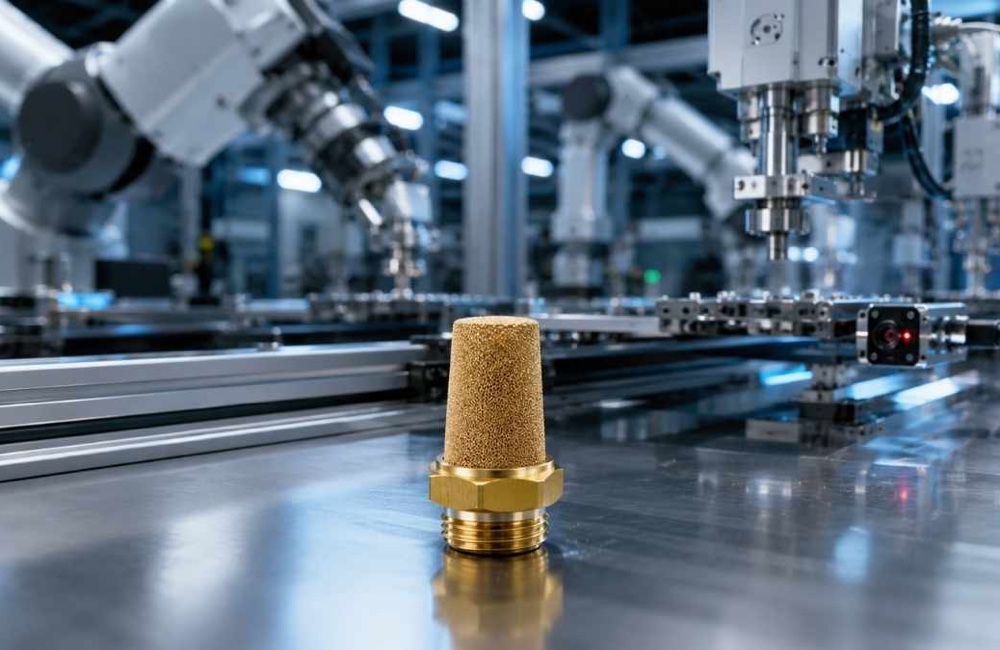
Many maintenance workers may wonder what a silencer is in pneumatic systems. This component is installed at the exhaust port of control valves or cylinders to reduce the speed of compressed air being released quickly. When a valve switches, there can be high impact pressure. Installing a siren sensor helps to dampen these impacts before releasing them into the atmosphere, allowing maintenance workers to work more quietly and safely in their environment.
Clarifying what silencer means and how it differs from a siren
To clear up confusion with workplace terminology, a silencer means a noise-reducing device that lowers the volume of compressed air. Some mechanics confuse this term with similar-sounding ones, where siren is an alarm device used to alert emergencies in factories. The functions and purposes of these two devices are completely opposite; one is designed to reduce sound while the other amplifies it as much as possible. Correctly naming parts helps prevent errors when ordering a silencer for replacement on-site.
Deep Dive into the Engineering Principles of Sound Silencers
The internal structure of a sound silencer is not just an empty pipe; sound-absorbing materials with small porous holes are densely distributed throughout the component. When high-pressure air is vented, the airflow is forced to pass through these tiny pores, rapidly reducing kinetic energy due to friction within the material. The explosive noise from solenoid valve changes is transformed into a gentle airflow sound. This operation effectively protects workers' hearing on production lines with maximum efficiency.
Types of Sound Silencers: Select Materials Suitable for Working Conditions
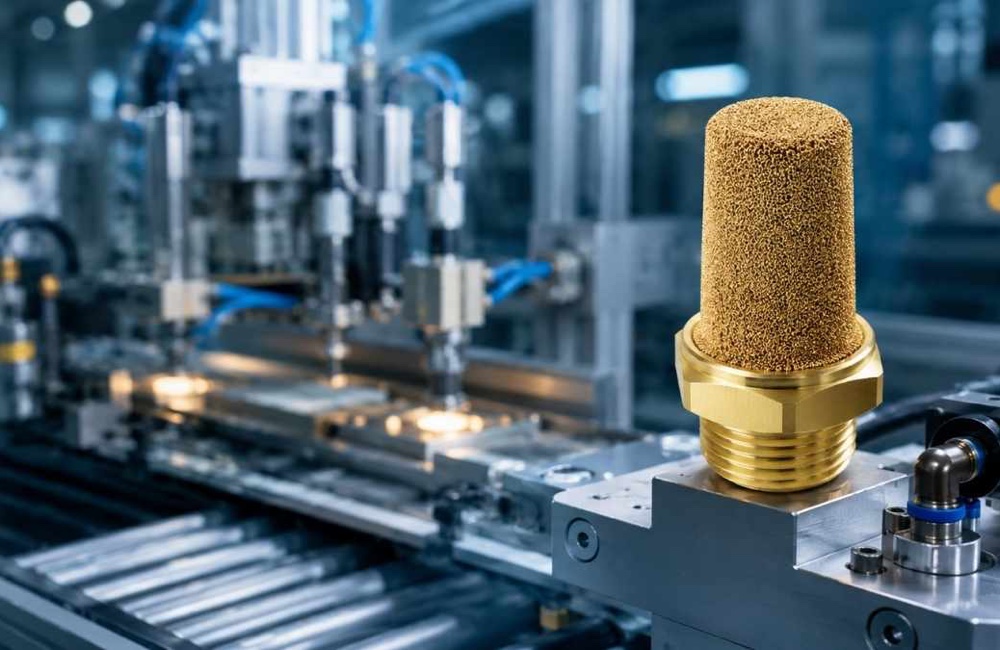
Selecting a silencer requires considering the environmental conditions around machinery. Different materials are designed to withstand varying temperatures, chemicals, and impacts.
Sintered Brass Model
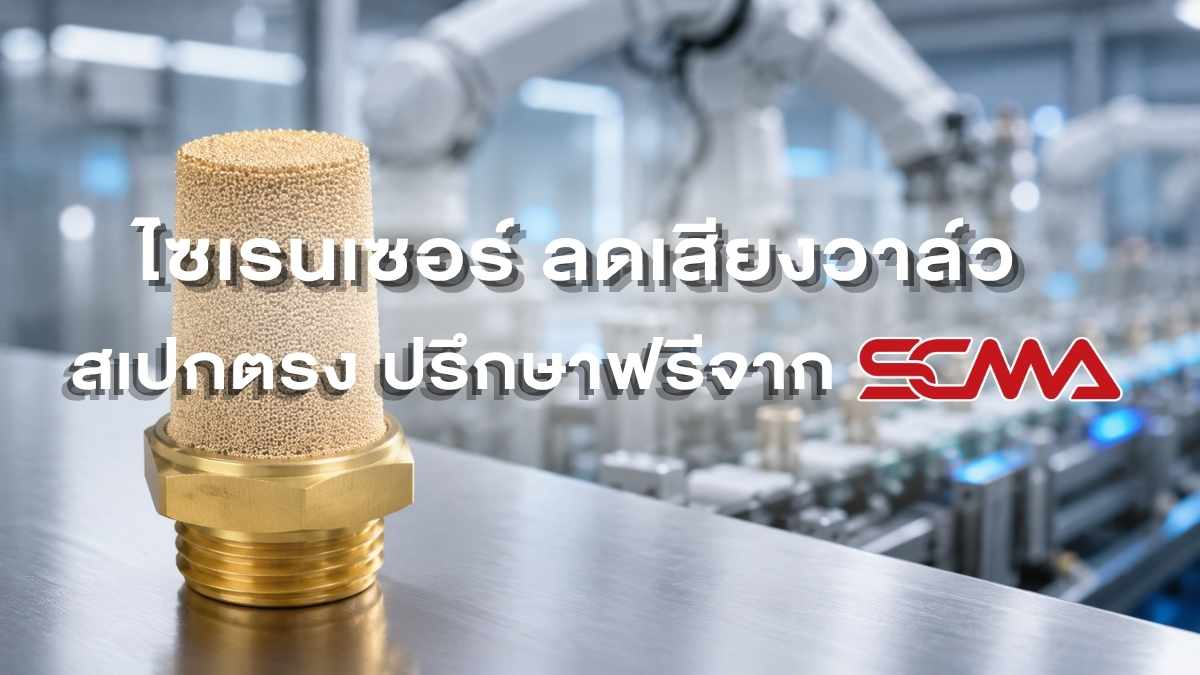
Sound silencers made of brass through sintering process can endure high heat and impact from compressed air excellently. This type is the most popular for general maintenance work due to its robust structure that does not easily break when screwed into valve ports. Most engineers opt for this specification for long-term durability.
Synthetic Plastic and Stainless Steel Models
The synthetic plastic model is lightweight, cost-effective, suitable for general compressed air applications without heat accumulation. Sound silencers made of stainless steel stand out for their high corrosion resistance, making them ideal for food-grade industries (Food Grade) where machinery needs to be regularly cleaned with chemicals to prevent rust.
The Impact of Clogged Sirens and Initial Symptoms to Look Out For
A classic problem on the job site is a siren sensor getting clogged after prolonged use. Regularly observing early signs of abnormalities helps prevent machinery breakdowns.
Main Causes Leading to Blockages
The most common issue mechanics encounter is oil contamination, water droplets, and dust particles from air compressors traveling through the pipes. These foreign objects will enter and clog the small porous holes of the sound collector. The compressed air in the pneumatic system cannot be released to the outside fast enough, causing pressure buildup inside the valve and cylinder.
Machinery Abnormalities That Can Be Observed
The clearest symptom is that the Actuator or cylinder will move abnormally slow. The rhythm of machinery operation deviates from its original cycle time. Leaving it unattended may cause the internal rubber seals to deteriorate faster. Mechanics must promptly remove the old siren sensor for inspection.
Engineer-Recommended Solutions
When encountering slower suction, mechanics need to quickly test by removing the silencer. If the machinery returns to normal operation speed, it confirms that the sound muffler is indeed clogged. The most cost-effective and reliable solution is replacing with a new part to ensure uninterrupted production line operations.
Reading Screw Specifications to Replace Parts with the Correct Model

When ordering a new silencer, it is crucial to read the screw specifications correctly. Incorrect threading can cause numerous problems.
- Engineers must always know the type of threading on the solenoid valve, common types in Thailand include PT (Taper), NPT (American Standard), or G (straight).
- Forcing different types of threads together, such as fitting a PT thread into a G port, can cause damage to the female threaded part.
- This damage leads to air leaks later on, causing compressors to work harder and increasing unnecessary electricity costs for the factory.
- Mechanics should use vernier calipers to measure the outer diameter of the old sound absorber's threads before ordering a new one to compare with standard sizes.
- If unsure about specifications, take a picture of the nameplate on the valve and send it to SCMA's technical team for verification. This is the surest way to ensure you receive parts that fit correctly.
OSHA Safety Standards and Managing Machine Noise Disturbances
Noise disturbance is not just a nuisance but also a legal requirement. Installing silencers helps factories meet standards more easily.
- The Occupational Safety and Health Act (OSHA) mandates that the noise level at machine operator stations must not exceed 85 dBA.
- Noise from compressed air valves without a silencer can reach over 100 dBA, which exceeds safety standards and is harmful to workers' hearing.
- Installing this component at every exhaust port in pneumatic circuits is the least costly method with immediate noise reduction results.
- Production line workers will work more relaxedly, reducing stress accumulation and preventing accidents caused by not hearing surrounding warnings.
- Factories that manage noise well pass ISO 14001 environmental management standards and industrial safety standards seamlessly without issues.
Summary
In summary, the siren sensor, or sound collector, is a crucial component for pneumatic systems. It helps reduce noise pollution and protect workers' health. If you are looking for information on what a silencer is or when it needs to be replaced with new parts, the engineering team at SCMA is ready to provide consultation and supply noise-reducing silencers that match your model exactly. Online specification comparison services help you get the right part quickly, delivered directly to you.
If you want to buy now, SCMA is available!
Allowing air noise to impact workers' ears is a risk that can be easily mitigated by installing this component. If you are struggling with finding specifications for siren sensors, our online specification comparison service from SCMA directly addresses maintenance needs. We have sound collectors ready for immediate shipment.
We offer the highest convenience to customers, allowing you to measure the outer thread size of your existing part using a vernier caliper or simply take a picture of the valve nameplate and send it via SCMA's Line OA. Our engineering team will convert measurements into standard sizes (such as 1/8", 1/4", 1/2") for free, compare specifications, and deliver the product quickly to your factory. Technical staff can then install it directly onto machinery without worrying about thread climbing or air leaks.
Frequently Asked Questions (FAQ) About SCMA Silencer Usage
Q1: How many decibels can a silencer reduce the noise of machinery?
A: Standard equipment can drop exhaust air noise by approximately 20-30 dB, depending on air pressure and port size. Installing silencer to reduce sound helps bring overall noise levels in front of machines within safe limits.
Q2: Which type is more durable between plastic and brass silencers?
A: Sintered brass is much more durable, better at withstanding heat accumulation and air pressure impact. Most factory maintenance technicians prefer to stock silencer parts made of brass for long-term use.
Q3: Can a clogged silencer be blown clean with compressed air?
A: Engineers do not recommend it. The porous interior of the silencer has micron-sized holes; blowing back or soaking in cleaning agents cannot remove sticky oil residue completely. Forcing its use will cause airflow obstruction, slowing down machinery operation. It's more cost-effective to buy a new one.
Q4: How many standards are there for silencer threads? How do you choose the right one to fit an existing valve?
A: In Thailand, three main standards are commonly used: R (PT) thread, G (PF) thread, and NPT thread. The surest way to find silencer meaning for a matching model is to have SCMA engineers examine the nameplate of the original valve; we can immediately specify the correct thread specifications.
Q5: When ordering noise-reducing silencers through SCMA's online channel, do they check the thread specifications?
A: They do 100%. The SCMA Technical Support team are real engineers. We will ask to see a picture of your site to determine whether you need a silencer meaning noise reduction or warning device. Then we'll compare thread specifications with you via Line, confirming accuracy before providing a quote every time.