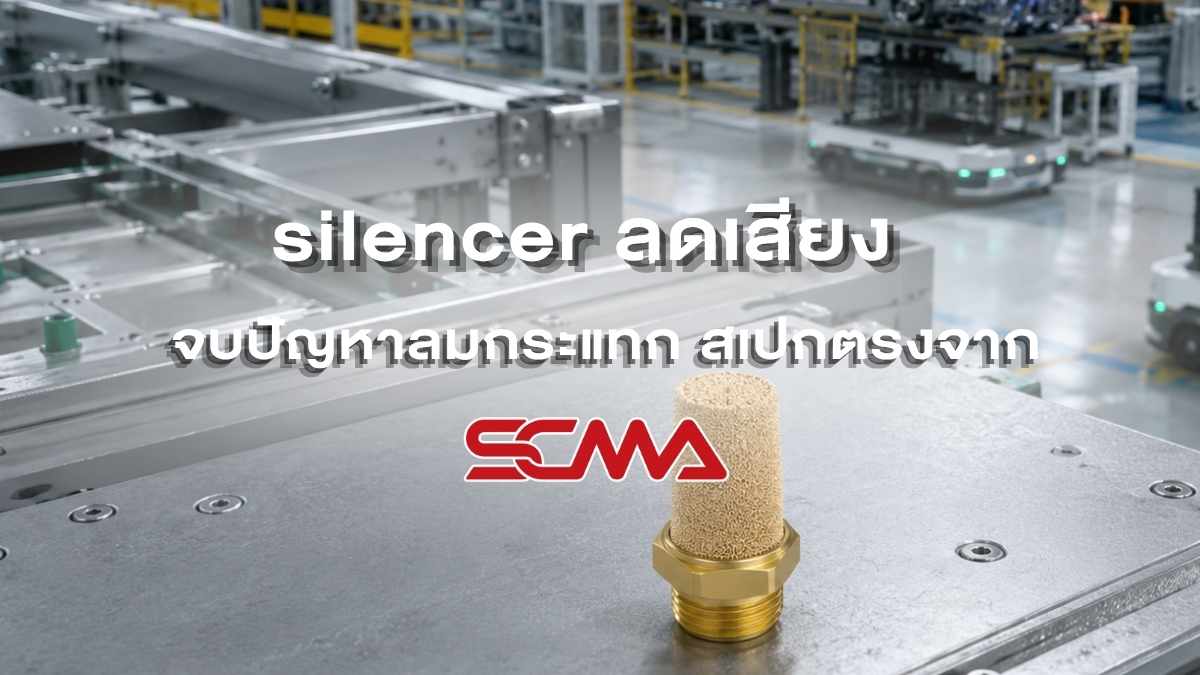
Silencer (noise reduction) is the solution to ending the problem of loud exhaust air noise from solenoid valves that can damage workers' health on the production line. Allowing excessive noise levels poses a risk of failing annual factory sound measurement standards. We offer high-quality silencers or sound absorbers which you can easily order through our SCMA online system. Our team of engineers is ready to provide free thread specifications comparison, preventing the problem of buying a silencer that cannot fit into your existing port.
What is a silencer and why must engineers mandate its installation in compressed air systems?
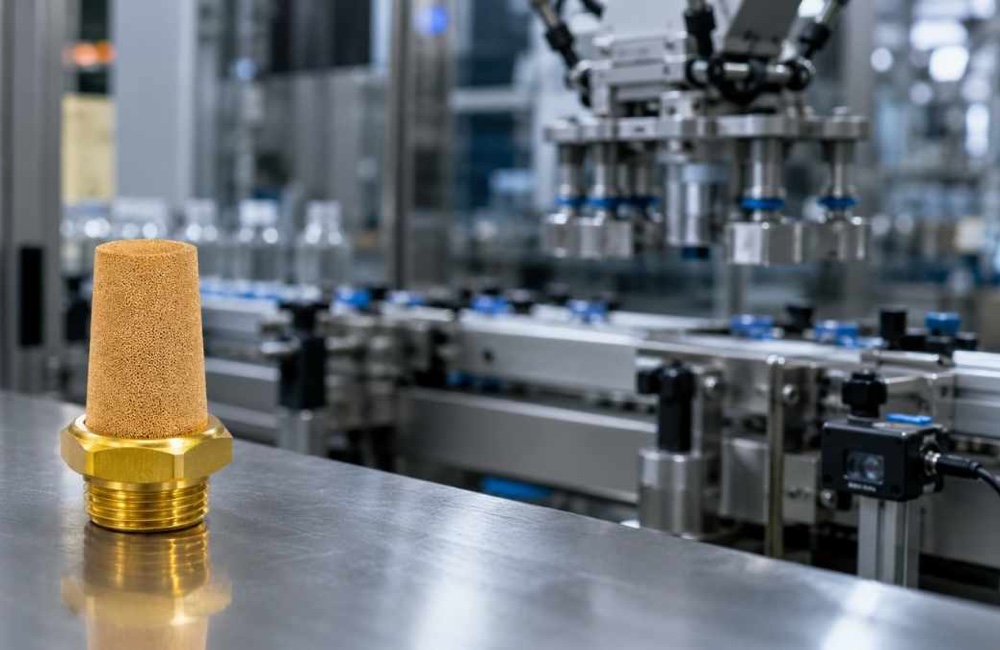
For the technical question of what a silencer is, this piece of equipment must be installed at the exhaust port of directional control valves or at the end of cylinders. This device slows down the rapid release of compressed air, which can cause high impact waves during machine operation. Installing a pneumatic silencer helps reduce these impact sound waves before they are released into the atmosphere, making it safer for workers to operate machinery. Choosing a standard silencer is something maintenance departments cannot overlook.
What is the difference between a silencer (sound absorber) and an alarm?
To clarify confusion over terminology used by field technicians, the term silencer means a sound absorber or noise reduction device that reduces air pressure volume. Many field technicians confuse this with similar terms, where alarm (siren) is an equipment used to send emergency alerts by making loud sounds. The purposes of these two types of devices are completely opposite. Correctly naming components helps reduce errors when ordering a silencer or siren for machine maintenance and repairs.
In-depth Understanding of the Engineering Principles Behind Pneumatic Silencers
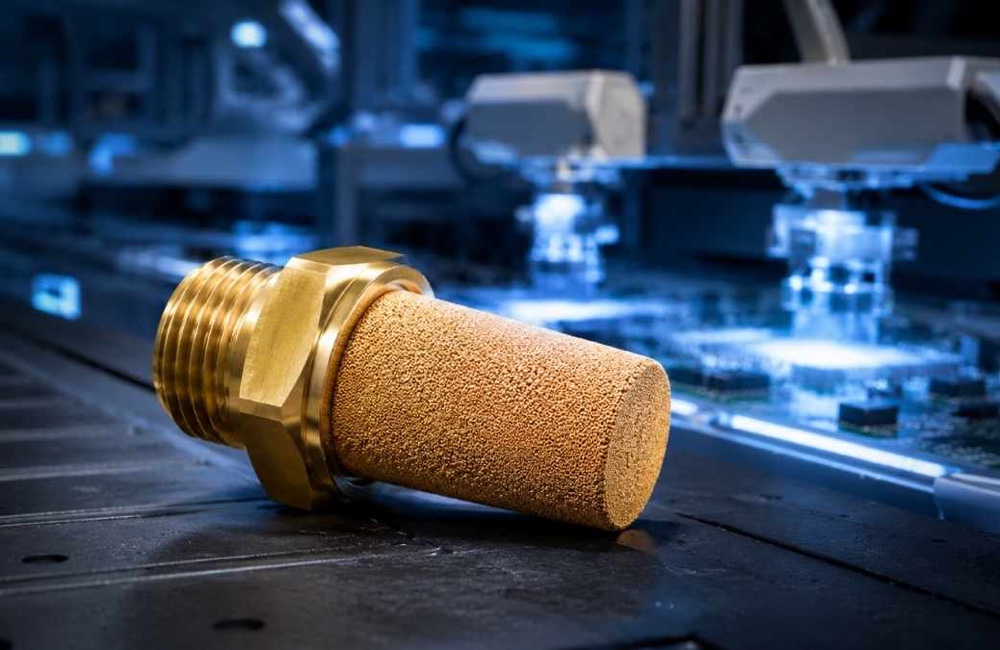
The operation of the sound-reducing silencer conceals fascinating physical mechanisms inside. The structure is not merely a hollow pipe for normal air passage.
The Internal Structure of Sound Absorbing Materials
The group of silencers are designed with a porous internal structure, densely distributed throughout the component. These materials act as barriers to airflow; the intricate network of pores is the heart of the mechanism that reduces air impact.
The Mechanism for Reducing Kinetic Energy of Compressed Air
When high-pressure compressed air is released, it is forced through the porous channels of the silencer. The internal friction within the material rapidly decreases the kinetic energy of the airflow. The speed of the outgoing air slows down before colliding with external air.
The Resulting Effect of Operation
The explosive sound impact when solenoid valves change state is transformed into a gentle breeze-like sound. This transformation in sound form truly helps pneumatic silencers protect the hearing of production line workers, safeguarding their long-term health.
Material Types of Silencers: Choose the Right One for Your Application
Selecting the specifications of a silencer to reduce noise primarily depends on the environmental conditions around the machinery. Each material type is designed to withstand different conditions.
Sintered Brass Material
Noise suppressors made from brass that undergo high-temperature sintering processes have a strong and durable structure, capable of withstanding accumulated machine temperatures and excellent at handling compressed air impacts. Most plant maintenance departments prefer this standard specification, as the parts do not easily break or crack when tightened into valve port threads by technicians.
Plastic Resin Material
Silencers made from plastic stand out for their lightweight and cost-effective nature compared to other materials. This specification is designed for general compressed air systems that do not involve heat. The plastic structure allows mechanics to easily disassemble and clean the parts, significantly saving on maintenance budget costs.
Stainless Steel Material
Food production plants must use silencers made of stainless steel to prevent rust problems. This industrial food-grade material is highly resistant to corrosion, allowing mechanics to safely wash machines with chemical solutions without worrying about contaminants falling into the food production line.
The Best Way to Choose for Maximum Value
Engineers must evaluate temperature and the type of chemicals present in the work environment before deciding on a purchase. Choosing the wrong pneumatic silencer can shorten the lifespan of parts, causing materials to break or clog faster than maintenance intervals allow. These issues can escalate, leading to unexpected machine downtime.
Clogged Silencer Issues and How to Check for Slow Machine Operation Symptoms
A classic problem that cannot be avoided on the job site is sound collector clogging after prolonged use. Regularly observing abnormal symptoms early helps save machinery.
- The main issue arises from oil contamination, water droplets, and dust particles from air compressors traveling through pipes; these foreign objects directly block the small porous holes of the silencer.
- When the pores are blocked, compressed air in the pneumatic system cannot escape to the outside quickly enough, causing back pressure (Back Pressure) to accumulate inside control valves.
- The most noticeable symptom on the machine is that the cylinder movement slows down abnormally, and the operating rhythm deviates from the original cycle time setting.
- Forcing the machine to run under high-pressure conditions will cause the internal rubber seals to deteriorate faster, leading to a shortened lifespan of other spare parts as well.
- Maintenance technicians must quickly remove the old silencer part for testing; if the machine returns to normal speed operation, new replacement parts must be installed immediately.
How to Compare Screw Types for Silencers to Reduce Noise and Prevent Installation Issues
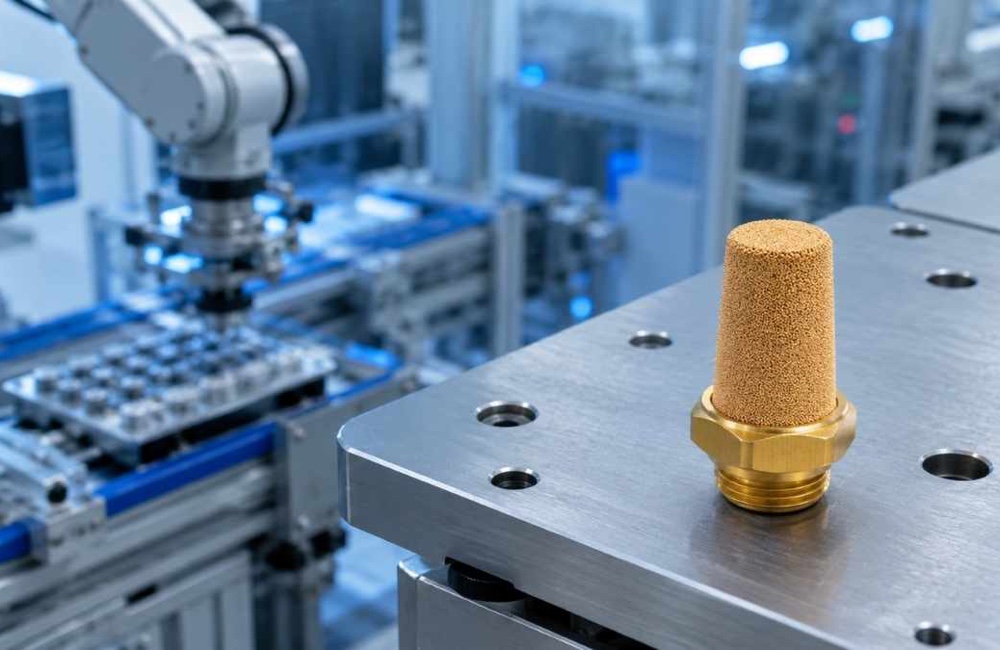
When ordering spare parts such as a silencer, it is crucial to read the screw specifications carefully. Incorrectly installing screws can lead to serious problems on-site.
- The engineer must start by identifying the type of screw used in the solenoid valve, which includes R (PT - tapered thread), G (PF - straight thread), and NPT threads.
- Maintenance technicians should use a vernier caliper to measure the outer diameter of the old silencer's screw to compare it with standard sizes.
- Forcing an incorrect type of screw into another, such as fitting a PT screw into a G port, can damage the brass thread ports on female valves.
- Damaged threads will cause air leaks (Air Leak), forcing compressors to work harder and consume more electricity.
- If unsure about specifications, taking pictures of valve nameplates and sending them to technical teams for assistance is the safest way to ensure you get a correct pneumatic silencer.
Machinery Safety Standards and Noise Assessment
Noise pollution isn't just annoying; it's also a legal requirement. Installing a noise-reducing silencer helps factories manage noise issues more effectively.
Occupational Health and Safety Regulations (OSHA)
Labor laws and safety standards clearly state that the sound level near machinery where employees work must not exceed 85 dBA. If it does, the factory must provide protective equipment for workers to wear continuously.
Danger from Exhausted Air Noise
The explosive noise of compressed air from solenoid valves without a silencer can reach over 100 dB. Such sudden loud noises are very harmful to the ears, causing employees stress and distraction in controlling machinery.
Affordable Solutions with Immediate Results
Installing a pneumatic silencer at every exhaust point in pneumatic circuits is an affordable solution that directly addresses noise issues. It protects worker health and helps factories pass ISO standard assessments seamlessly.
Summary
In summary, the silencer, or muffler, is a crucial component that helps reduce noise pollution and protect workers' health. If you are studying what a silencer is and when it's time to replace parts, our team of engineers at SCMA is ready to provide consultation and supply the correct model silencers. Our online thread comparison service ensures you get the right part delivered quickly to your site.
If you want to buy, SCMA is available for purchase today!
Purchasing a silencer will no longer be difficult. SCMA offers maximum convenience to customers. You can measure the outside thread size with vernier calipers and send valve pictures via our Line OA directly. Our team of engineers are ready to convert measurements into standard sizes (such as 1/8", 1/4") for free specification comparison of silencers. We deliver the muffler quickly, allowing mechanics to install it onto the original valve immediately and start using it. No more buying incorrect specifications.
Frequently Asked Questions (FAQ) About Using Silencers
Q1: How many decibels can a pneumatic silencer reduce the noise in front of machinery?
A: A standard silencer device can typically reduce exhaust air noise by about 20-30 dB (decibels), depending on air pressure and port size. This component helps bring overall noise levels in front of production lines within safe limits.
Q2: Which type is more durable, plastic or brass silencers?
A: Brass is much more durable. It can better withstand heat accumulation and pressure shock (Pressure Shock). Most maintenance teams prefer to stock sirenser parts made of brass for long-term use.
Q3: When a silencer gets clogged, can it be cleaned by blowing air back through or soaking in cleaning solution?
A: Not recommended. The tiny micron-sized pores inside the silencer cannot be fully cleared of sticky oil residues with reverse airflow or chemical soak. Forcing its use further will cause air blockage, slowing down machinery operation; it's more cost-effective to purchase a new one.
Q4: How many standards are there for silencer threads? How do you choose the right one to fit an existing valve?
A: In Thailand, three main standards are commonly used: R (PT) thread, G (PF) thread, and NPT thread. The safest way is to have a SCMA engineer look at the nameplate of your original valve; we can immediately determine which pneumatic silencer thread type you need.
Q5: When ordering noise-reducing silencers through SCMA's online channel, do they check the specifications for threads?
A: We verify 100%. The SCMA Technical Support team consists of real engineers. We will ask to see pictures of your site and help you read micrometer readings via Line to confirm the accuracy of silencer thread type before providing a quote.