How can measuring air pressure with the right tool prevent dangers from air leaks or tire bursts? This article delves into techniques for selecting, using, and maintaining air pressure gauges to ensure long-term functionality. Readers will gain engineering knowledge that they can apply immediately, along with consulting services and procurement of SCMA's complete pneumatic equipment to facilitate smooth operations.
What is an Air Pressure Gauge? Why Is It Important?
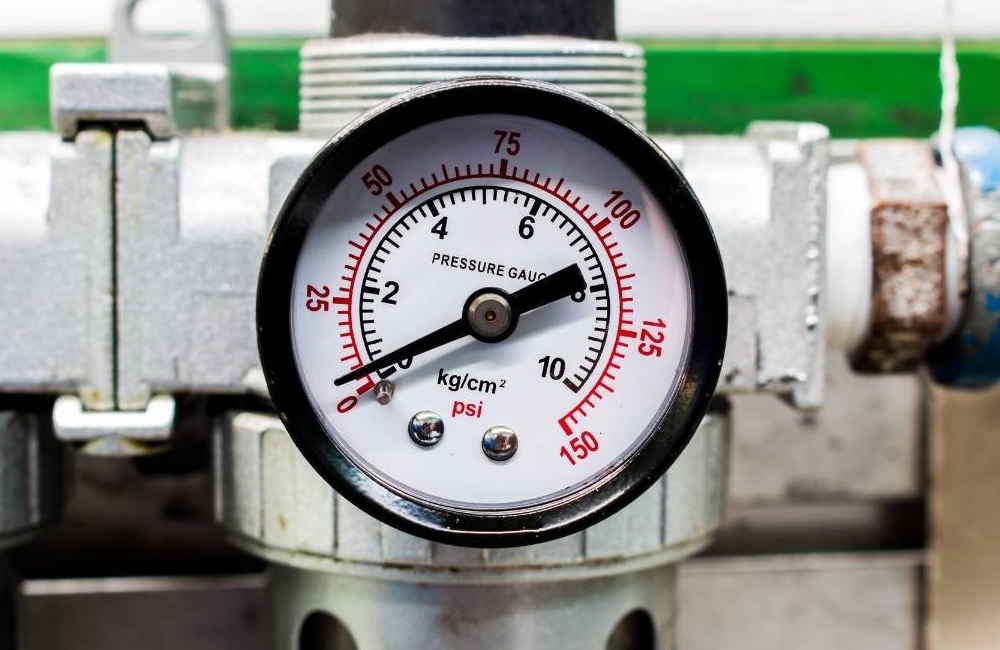
Measuring air pressure is a crucial process that helps users understand the internal pressure status of closed systems. An air pressure gauge serves to convert flow pressure into numerical or needle readings for safety purposes. Abnormalities in pressure directly affect the performance efficiency of machinery and vehicles, such as tire bursts from overpressure or industrial air pipe damage. Installing accurate and standardized pressure measurement tools is essential for preventing workplace accidents, enabling operators to control air pressure gauges within safe parameters at all times.
What are pressure gauges? Get to know the popular types used
Users often wonder what air pressure measuring devices there are and which type of equipment is best suited for their needs. The classification of air pressure gauges primarily considers the internal mechanism structure and display format.
Analog Pressure Gauge
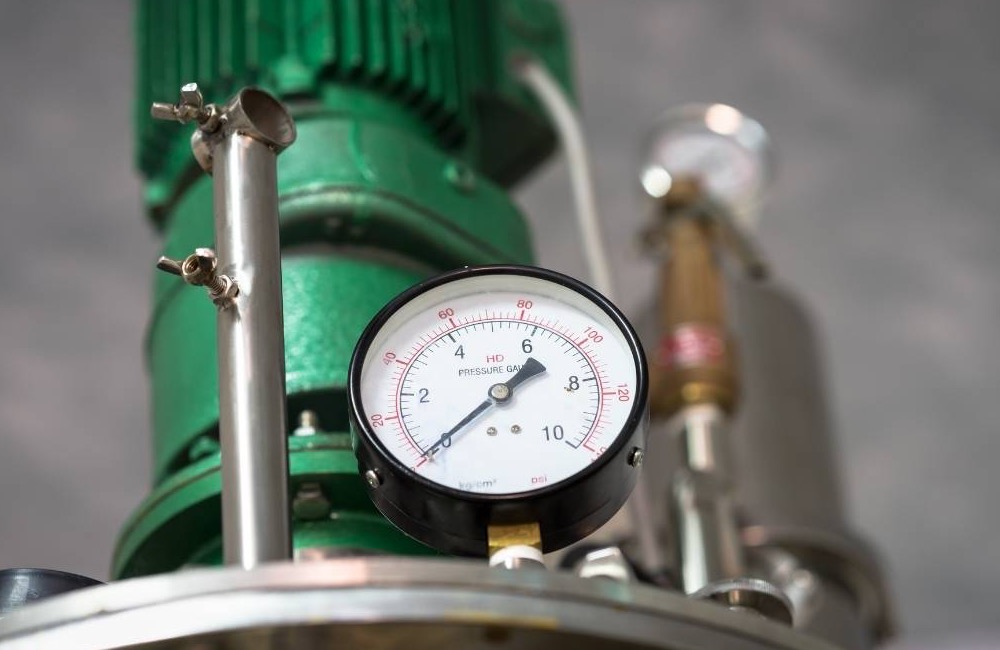
The structure of this type of pressure gauge relies on the expansion of a coiled metal tube or bourdon tube when subjected to pressure. Its advantages include high durability in various environments without requiring batteries or external power sources, making it a basic air pressure measuring tool commonly found in factory pneumatic systems.
Digital Pressure Gauge
This type uses electronic sensors to convert pressure readings into clear numerical displays on an LCD screen. Using digital air pressure measurement tools reduces reading errors caused by visual interpretation and meets the requirements of processes that demand precise decimal-level measurements from measuring instruments.
The Difference Between a Pressure Gauge and a Vacuum Gauge
Understanding what a pressure gauge is helps users accurately differentiate between these two types of equipment. General-purpose pressure gauges are used to measure positive or higher-than-atmospheric pressure values, while vacuum gauges are used for measuring negative or lower-than-atmospheric pressure values.
Pressure Measurement Units You Need to Know: What are PSI, BAR, and kPa?
To read the values on a pressure gauge correctly, you need to understand the units displayed on the dial. Each region has its own standards for pressure measurement tools.
Get to Know PSI (Pounds per Square Inch)
The unit PSI stands for Pounds per Square Inch and is a familiar unit of pressure measurement for Thai drivers when inflating tires. Pressure gauges from America will display this unit to indicate one pound of force applied over an area of one square inch.
Get to Know BAR (Bar)
The metric system using the bar unit is widely used in Europe and specified in many car brand manuals. When using a pressure gauge that specifies units in bars, it refers to 1 bar as being close to sea-level atmospheric pressure.
Get to Know kPa (Kilopascal)
Kilopascals are the standard or SI Unit officially recognized in scientific and engineering circles. If considering high-precision pressure gauges, these devices will display a kPa scale for accurate structural calculations.
Clearing Up Popular Queries: How Many PSI is 1 Bar? With a Unit Conversion Table
Many drivers get confused when they take their car to inflate the tires and find that the manual specifies different measurement units from the air compressor. Accurately converting 1 bar to how many psi will help prevent incorrect pressure settings.
A Simple Formula for Converting Air Pressure Units
The method of calculating to convert pressure units by yourself can be done by remembering the basic ratio, which is that 1 Bar equals 14.5038 PSI. Remembering the multiplication formula of 14.5 and then multiplying it with bar values helps users of pressure gauges quickly assess the desired pressure.
Comparison Table for Common BAR, PSI, and kPa Pressures
| BAR | PSI (Approximate) | kPa |
|---|---|---|
| 2.0 | 29 | 200 |
| 2.2 | 32 | 220 |
| 2.4 | 35 | 240 |
| 2.5 | 36 | 250 |
| 3.0 | 44 | 300 |
What is 32 Pound Tire Pressure in PSI?
When a mechanic talks about tire pressure levels and mentions "32 pound tire pressure," the answer is exactly 32 PSI. Since "pound" in spoken language refers to pounds per square inch, understanding this prevents over or under-inflating tires.
How to Choose the Right Air Pressure Gauge for Your Application
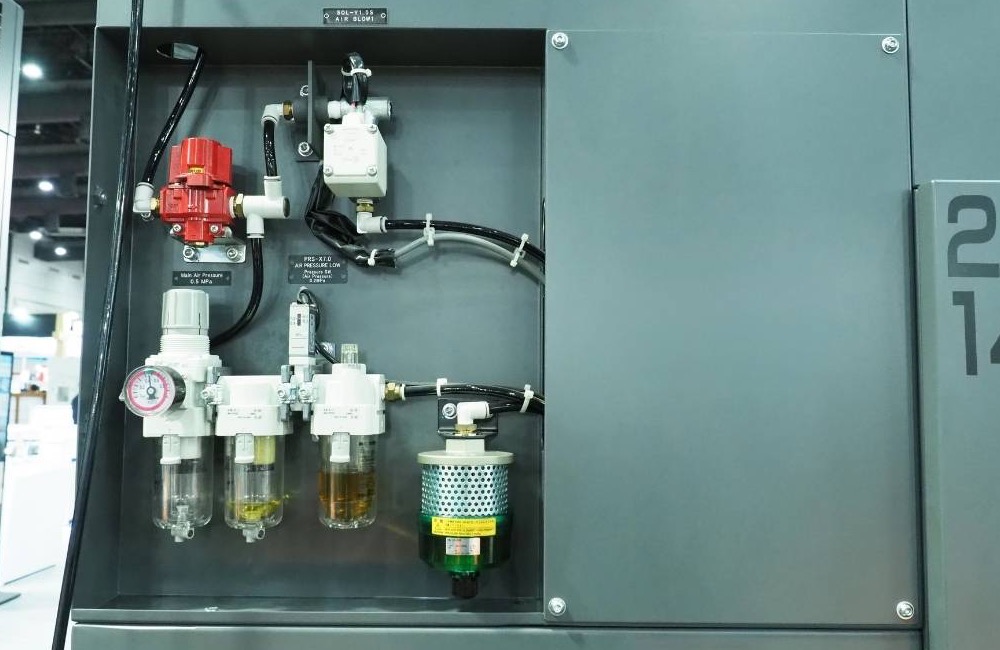
Choosing the right pressure monitoring equipment involves analyzing several engineering factors. Users should select a pressure gauge that meets the limitations of space and workload.
- Selecting an Appropriate Measurement Range (Pressure Range): Choose an air pressure gauge with a maximum scale twice the actual operating pressure to prevent internal mechanisms from damage due to sudden pressure spikes.
- Achievable Accuracy and Tolerable Error: Industries that prioritize quality require pressure measuring tools with high accuracy levels of Class 1.0 or better for confidence in operation.
- Material and Dial Size Suitable for the Job: Select an air pressure gauge with a stainless steel housing for humid environments, along with a large enough dial size for remote observation.
- Interesting Additional Features in Digital Pressure Gauges: Modern models come equipped with backlight displays, maximum pressure recording functions, and automatic power-saving metering tools.
Summary
Consistent air pressure measurement is a practice that maximizes safety both on the road and in industrial production lines. Choosing the right type of air pressure gauge and understanding what 1 bar equals in psi reduces the risk of accidents in practical terms. SCMA offers pneumatic equipment and standard international pressure measuring tools to maintain systems at their best.
If You Want to Buy, SCMA is Ready for Your Purchase Today!
A highly accurate air pressure measurement tool is the starting point of efficient machinery and vehicle maintenance. The engineering team at SCMA is ready to provide industrial-grade pressure gauges and compare specifications for all types of pressure gauges. If you need professional advice on air pressure measurement, contact SCMA for quality products and excellent after-sales service.
Frequently Asked Questions
What is 1 Bar in practical terms equal to in PSI?
In calculations for inflating tires or adjusting machine pressure, a value of 1 bar is approximately equivalent to 14.5 PSI. Users can multiply this number quickly to convert units.
Which types of air pressure gauges are commonly used today?
The most common types are needle-type pressure gauges that emphasize durability and digital pressure gauges that highlight numerical display for the highest accuracy in industrial work.
Is 32 pounds of tire pressure different from 32 PSI?
In the context of inflating tires, "pounds" and "PSI" are the same unit. Therefore, 32 pounds of tire pressure means exactly 32 PSI with no difference in practical application.
How do Vacuum Gauge and Pressure Gauge differ from each other?
A Vacuum Gauge is designed to read vacuum or negative pressure values, whereas a Pressure Gauge is used for reading positive pressure values that are higher than atmospheric pressure.
How often should one check car tire pressure with an air pressure gauge?
Drivers should use measuring tools to check tire pressure at least once a month and also before long trips for safety reasons.