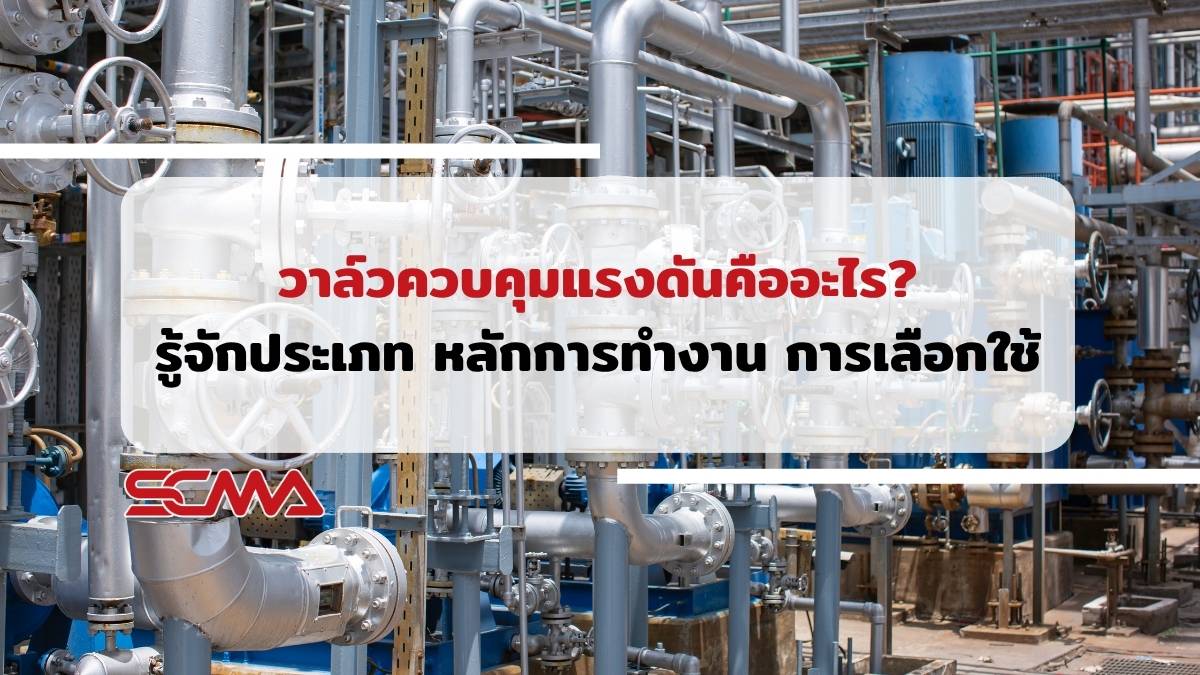
What is a pressure control valve, and how does it impact safety in industrial systems? This article delves into all the details of pressure control valves, from their basic structure to proper installation for preventing equipment damage. Readers will gain an understanding of the functioning of pressure relief valves, the role of control valves, as well as the entire pressure control system. For further consultation, you can contact SCMA's valve specification comparison service by our engineering team immediately.
What is a Pressure Control Valve and Why Is It Important in Various Systems?
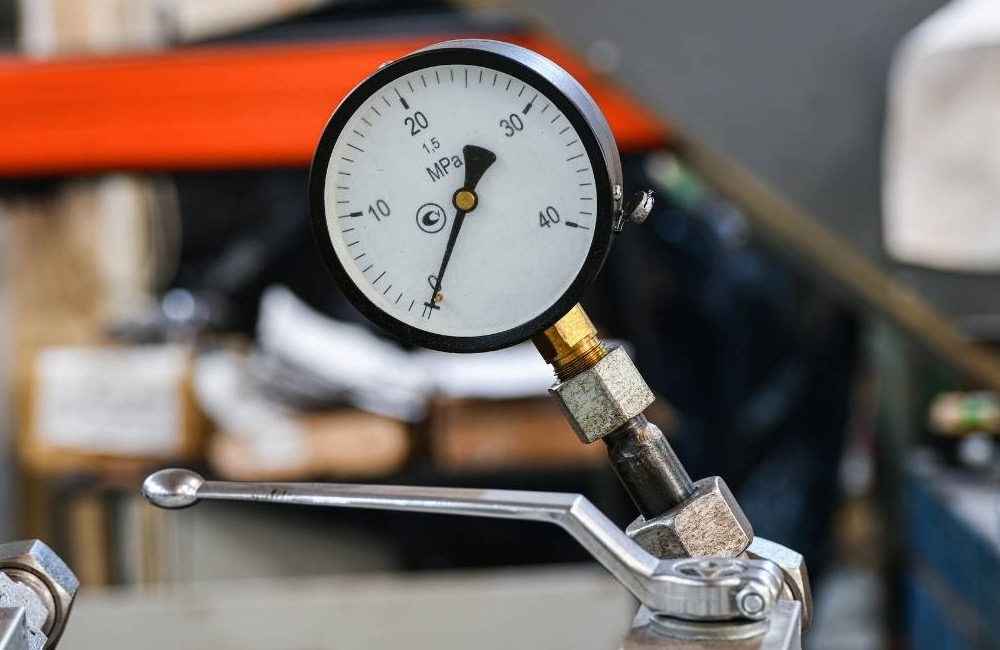
Pressure control valves are mechanical devices designed to maintain pressure levels in piping systems within safe limits. Their primary function is to prevent end equipment damage from sudden surges in pressure, unlike general control valves which focus on controlling flow rates or direction. Effective pressure control systems extend the lifespan of machinery and reduce the risk of pipe bursts, especially by relying on pressure relief valves as the final line of defense for releasing excess pressure.
Basic Working Principles of Pressure Control Valves
The mechanism of how pressure control valves work relies on creating a balance between the fluid's pressure pushing up and the spring force pressing down. Key components inside the valve include the spool or diaphragm, adjustable spring, and inlet/outlet ports. When the fluid pressure overcomes the spring force, the valve opens to release or reduce pressure. This type of pressure control system does not require electricity for operation. Selecting high-quality pressure relief valves and control valves ensures that the spring mechanism functions accurately without deviation.
How many types of pressure control valves are there? Get to know the 5 most commonly used types
Selecting the right valve for an industrial system involves various options. Operators need to understand what a PRV is and correctly identify the different types to use them safely, as detailed in the following five categories.
Relief Valve
This device limits the maximum pressure in hydraulic or pneumatic systems. When the pressure exceeds the set value, the relief valve opens to release fluid back into the storage tank or atmosphere. It is a basic safety component that every system must have.
Pressure Reducing Valve
The pressure reducing valve adjusts and reduces high-pressure input with fluctuating values to become lower and constant output pressure at the end point. It is commonly used to prevent damage to cylinders or equipment with limited pressure tolerance.
Sequence Valve
This device controls the sequence of operation for two or more hydraulic cylinders by allowing pressure to flow through to the second circuit only when the first circuit has completed its stroke and accumulated sufficient pressure as specified.
Counterbalance Valve
It creates resistance or maintains balance against a load falling due to gravity, preventing the cylinder from moving too fast. Its operation is similar to that of a pressure relief valve but it is installed at the oil return port.
Unloading Valve
This valve releases pressure directly back into the storage tank from the pump when the system no longer requires pressure. It helps reduce the load on the prime mover motor and minimize heat accumulation in the overall system's regulator valve.
In Depth: What is a Relief Valve?
The question of what a relief valve is can be explained as a safety valve that opens proportionally to the over-pressure. The difference between a Relief Valve and a Safety Valve lies in their opening characteristics; a Safety Valve will open fully at once when reaching critical pressure, suitable for gases or steam. Understanding what a pressure relief valve truly is helps technicians set the release pressure (Cracking Pressure) slightly higher than normal operating pressure to ensure maximum safety without system power loss.
Deep Dive: How Does a Pressure Reducing Valve Work?
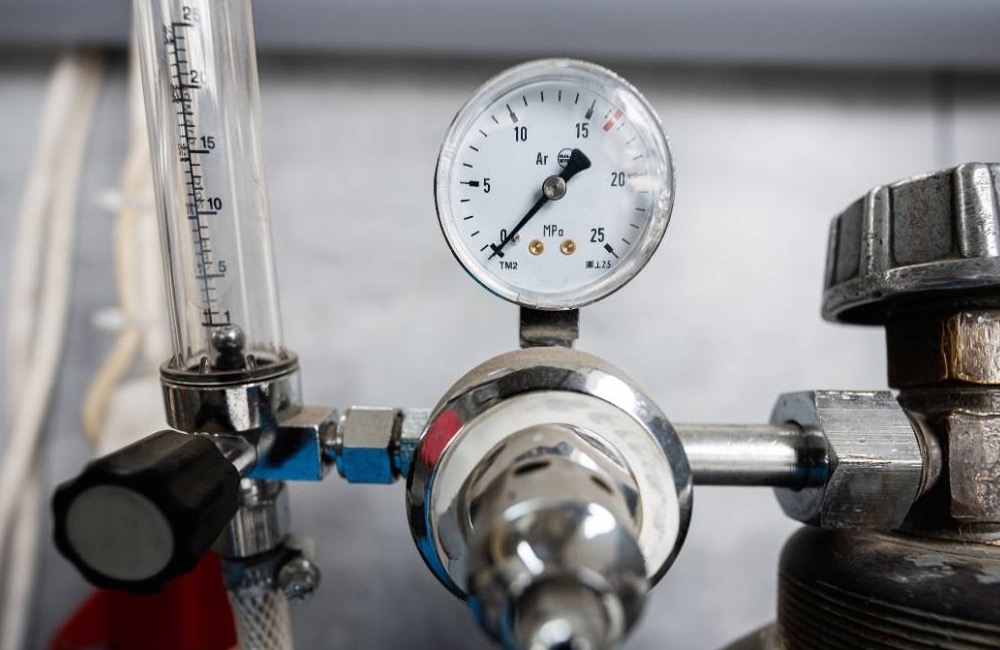
Many people wonder what a PRV is in the plumbing system. It's a valve that reduces water pressure from the main line to enter the building. Using a pressure reducing valve in household and building plumbing systems helps prevent pipe bursts and extends the lifespan of hot water heaters. Plumbers need to know that a pressure-reducing valve works by using a diaphragm to resist pressure. Installation and setting precautions include observing the direction arrows correctly, and always installing a strainer (Strainer) before the valve to prevent debris from clogging.
Applications of Pressure Control Valves in Various Systems
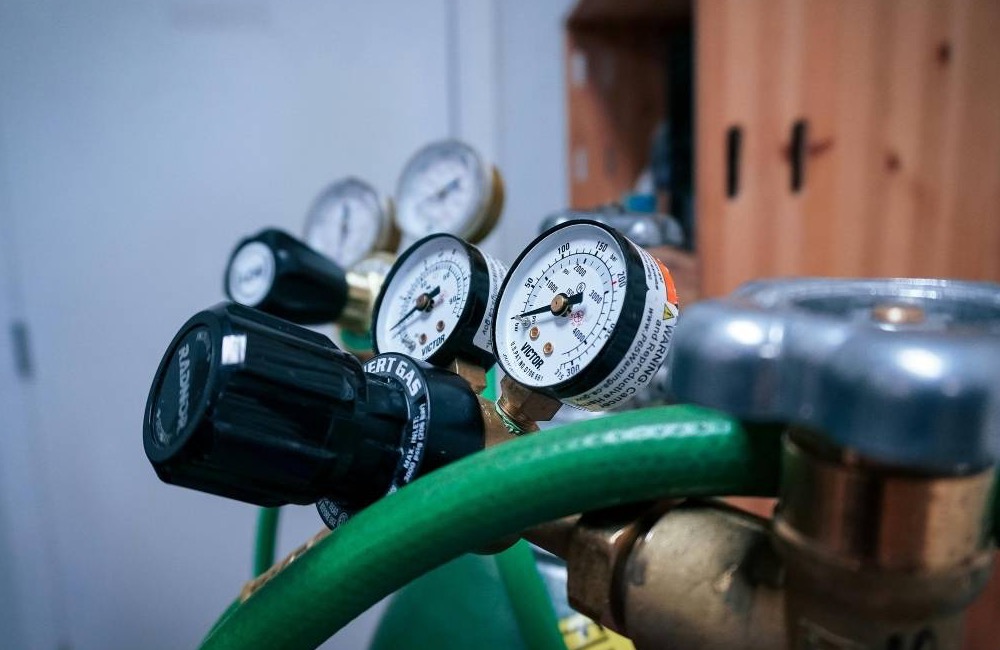
The application of each type of valve is specific to the type of flow and industry characteristics. Users must consider comparing the selection of a pressure relief device as the first line of defense against damage, as follows:
- Using a water pressure reducing valve in households to control water pressure for plumbing fixtures.
- Using hydraulic pressure control valves in heavy machinery to set the pressing force of the press.
- Using gas and compressed air pressure control valves in industrial pneumatic systems and air tanks.
- Using oil pressure control valves in lubrication systems to prevent rubber seal joints from breaking.
How to Select the Right Pressure Control Valve for Your Application
Before making a purchase decision, users should understand what a pressure relief valve is and which variables affect its performance. According to ISO 4413 standards for hydraulic power systems, selecting precise specifications will help extend the overall circuit lifespan.
- Factors to consider: flow rate, pressure range (Pressure Range), whether the type of fluid is compatible with the internal rubber seals in the valve
- Selecting the right material for the body: brass for general use, stainless steel for food and chemical industries, cast iron for high-pressure circuits
- Choosing the correct valve size (e.g., 4 inches, 1 inch) to match the main pipe diameter without requiring elbow fittings that create a bottleneck
Easily Understandable Comparison Table for Different Types of Pressure Control Valves
| Type of Valve | Comparison of Primary Function | Comparison of Suitable Usage | Comparison of Advantages and Limitations |
|---|---|---|---|
| Relief Valve (Pressure Relief Valve) | Discharge excess pressure when it exceeds the set point | Prevent hydraulic pumps from bursting or air lines from exploding | Advantages: Quick response Limitations: Does not control outlet pressure |
| Reducing Valve (Pressure Reducing Valve) | Reduce the upstream pressure to a lower and constant level | Control machine or plumbing system inlet pressure | Advantages: Outlet pressure stability Limitations: May experience reduced flow if incorrect size is selected |
| Sequence Valve (Flow Control Valve) | Determine the sequence of operation based on pressure levels | Multiposition workholding systems or robotic arms | Advantages: No electrical control required Limitations: Difficult to set up when multiple cylinders are involved |
| Counterbalance Valve (Load Holding Valve) | Create resistance against the free fall of a load | Die casting machines, vertical heavy lifting equipment | Advantages: Increase job site safety Limitations: Some energy loss due to resistance |
Summary
Selecting the correct pressure control valve is crucial for machinery maintenance. Whether it's understanding what a PRV (Pressure Reducing Valve) is or installing a pressure relief valve, all impact safety. If you need expert assistance to compare specifications and calculate flow rates, SCMA offers comprehensive engineering consultation services for all types of reducing valves and control valves.
If you want to buy, you can purchase from SCMA today!
This informative article about pressure control valves is designed to help maintenance technicians understand the correct working process. If a problem is detected and equipment replacement is needed, SCMA distributes high-quality pressure control and relief valves by leading global brands. Interested in ordering high-quality regulator valves with after-sales service? You can contact the SCMA team to check stock availability and receive the best offers.
Frequently Asked Questions
The pressure relief valve is leaking continuously. What could be causing this?
This symptom usually occurs due to worn-out internal seals or debris such as dust and rust interfering with spool contact surfaces. The solution involves disassembling the parts for cleaning or replacing the entire seal set.
Can a pressure-reducing valve designed for water systems be used in compressed air systems?
This is strictly not recommended, as materials and diaphragms are specifically engineered to withstand different fluid properties. Incorrect usage can lead to immediate damage of the valve.
What should the cracking pressure setting be?
According to engineering standards, users must set the relief pressure approximately 10 to 15 percent higher than normal operating pressure to prevent premature opening of the valve.
What does PRV stand for in piping diagrams?
The acronym PRV stands for Pressure Reducing Valve or a valve that reduces and maintains pressure. It is commonly seen in building high-rise plumbing system designs and fire suppression systems.
How long do pressure control valves last?
Industrial-grade equipment has an average lifespan of 3 to 5 years, depending on fluid quality and maintenance practices. Installing a filter set at the front of the valve can effectively extend the life of internal components.