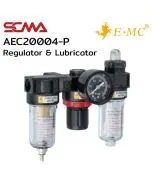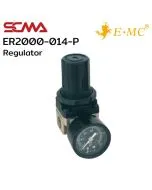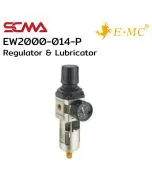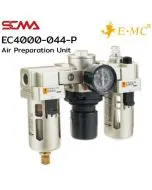
Air regulator is the core component in controlling the stability of industrial compressed air systems. Maintenance technicians must select an appropriate air pressure regulator to match the workload to prevent damage to machinery. Understanding the structure of a pressure control valve and its interaction with air filters will help extend the lifespan of pneumatic equipment. This article delves into every aspect of an Air Regulator for practical application in real-world scenarios.
What is an Air Regulator? Why is it Important in Pneumatic Systems?
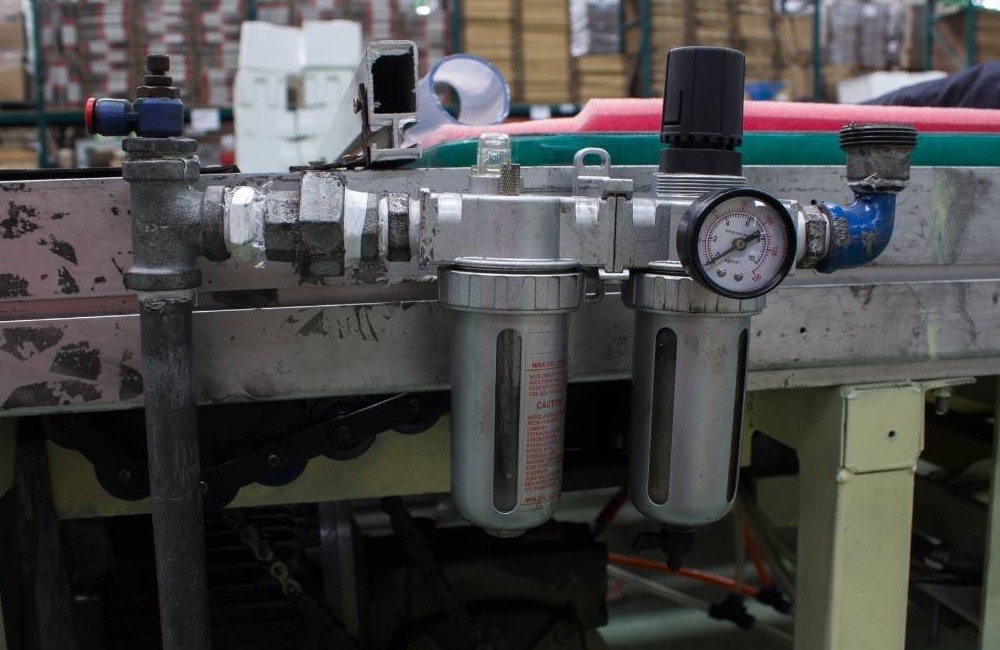
An Air Regulator reduces the high-pressure air from the compressor to an appropriate and constant working pressure. The Air Pressure Regulator protects piston seals from rupturing due to excessive compressed air impact. Factory main air lines have fluctuating pressures at all times based on departmental air usage. Installing a Pressure Control Valve in front of each machine is an engineering standard that cannot be avoided. Engineers must design it to work with Air Filters for maximum cleanliness. The absence of an Air Regulator can cause the mechanical arm's rhythm to deviate, leading to production waste.
The Working Principle of an Air Pressure Regulator (Pneumatic Regulator)
The internal mechanism of the Air Pressure Regulator relies on the balance between spring force and air pressure acting upon a diaphragm (Diaphragm). When the user turns the knob of an Air Regulator clockwise, the spring is compressed to push the valve open. Air from the inlet side flows through to the outlet side until the pressure overcomes the spring force. If the outlet-side pressure becomes too high, the diaphragm of the Pressure Control Valve lifts up to restrict airflow. This alternating process helps maintain a steady working pressure for the Air Regulator, even when the initial pressure from an Air Filter is not constant.
What are the Types of Air Pressure Regulators? How to Choose?
Selecting an air pressure regulator requires considering space limitations and the precision requirements of the manufacturing process. Engineers can categorize pressure regulators based on their structural characteristics when used in conjunction with air filters and pressure control valves, as follows:
General Purpose Type
This type of air regulator is most commonly found in general industrial plants. It has a standard internal structure using springs and diaphragms, which are durable against impacts. Suitable for controlling the pressure of cylinders or directional control valves that do not require decimal-level precision.
Precision Type
Designed to maintain air pressure as constant as possible with very low deviation rates even when flow rates change. Ideal for work sensitive to part pressure, such as leak testers (Leak Tester). Maintenance technicians must be cautious of dust particles clogging the mechanism.
In-Line Filter Regulator Type
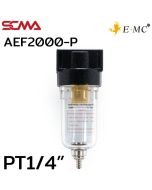
Combining filtration and pressure reduction functions in a single module helps save installation space on control panels and reduces potential leakage points at air connections. This is a popular choice when used with an oil lubricator for optimal performance.
How to Choose the Right Air Regulator: What Specifications Should You Look At?
Purchasing an air regulator with incorrect specifications can lead to issues such as air blockage and abnormal slow operation of machinery. The engineering team must evaluate parameters of both the pressure regulator and pressure control valve, ensuring they match the size of the existing air filter set. Here are some details:
Screw Size (Port Size) to Suit Air Pipe Diameter
The screw standard must be clearly specified, such as PT (Taper) or G (Straight) threads. Port sizes ranging from 1/8 inch up to 1 inch should match the main air pipe diameter. Using a reducer will cause bottlenecks and waste flow rate.
Adjustable Pressure Range
Check that the maximum input pressure rating can withstand pump pressure, with an adjustable setting range (Set Pressure Range) covering operational requirements, such as 0.5 to 8.5 bar. If you choose a narrow range, it will not be able to adjust the cylinder's pressure sufficiently.
Air Flow Rate Required
Evaluate the total air consumption of all end devices and select specifications with an airflow rate about 20% higher than actual requirements to prevent sudden drops in pressure when multiple cylinders move simultaneously.
Durable Housing and Seals Materials
The environmental conditions around machinery affect its lifespan. General areas can use aluminum materials, but if the installation point is near ovens or harsh chemicals, stainless steel housing and high-temperature resistant Viton seals should be used instead.
Choosing Between Gauge Models and Non-Gauge Models
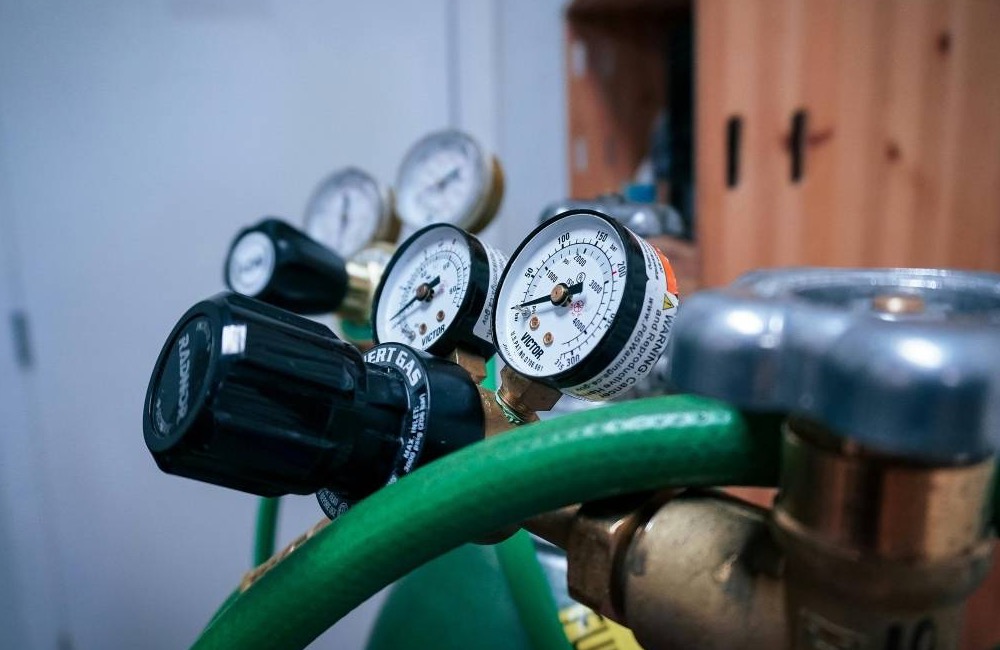
The model with a dial gauge helps technicians immediately check pressure readings visually. The non-gauge or embedded gauge models are suitable for tight spaces, preventing workers from accidentally bumping into and damaging the gauge face during operation.
Installing and Configuring the Air Pressure Regulator Correctly
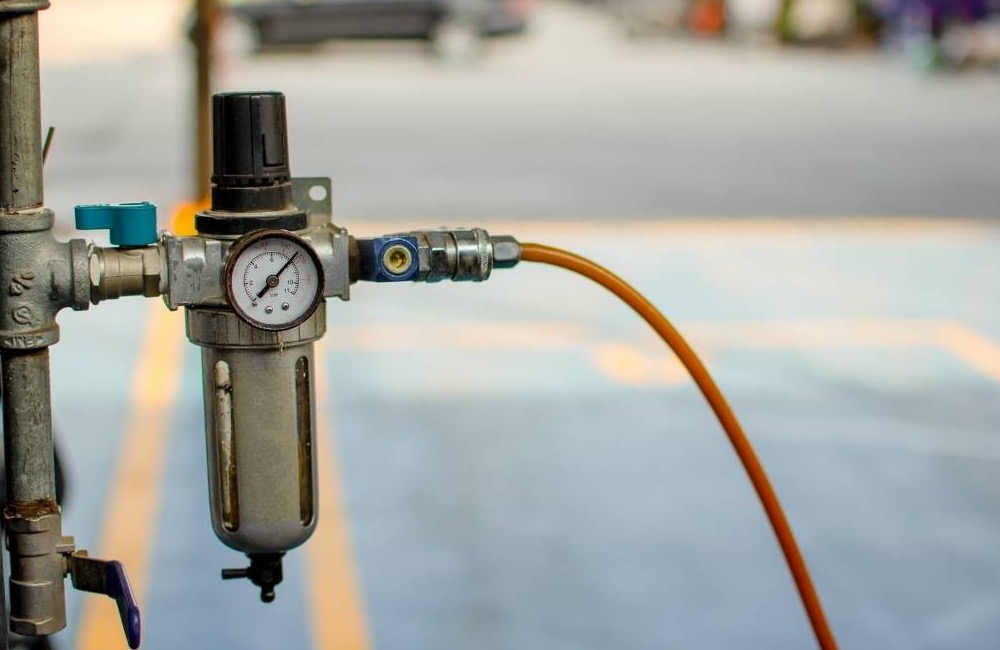
The direction of airflow is crucial for installing the air pressure regulator. The arrow on the housing must always point towards the destination machinery. Installing the pressure adjustment unit in reverse will prevent air from flowing through the air filter set.
- Install the pressure adjusting valve vertically to prevent water accumulation within the mechanism.
- Pull up the knob before turning to adjust. Turn clockwise to increase pressure, counterclockwise to decrease it.
- Set the pressure slightly higher than the target value and then turn back to the actual setting to eliminate spring free play of the air regulator.
- Push the knob down to lock the position. This prevents machine vibrations from shifting the settings.
Symptoms of Air Pressure Regulator Malfunction and Initial Fixes
When an air pressure regulator malfunctions, machinery will immediately show symptoms. Maintenance technicians must identify these issues to disassemble and repair the spool set or replace the entire air filter set.
- Symptom: Air Leakage: A hissing sound around the knob of the pressure adjusting valve. This is caused by a torn diaphragm, requiring replacement with new repair parts.
- Symptom: Pressure Drop or Instability: The gauge needle swings wildly. Caused by dust particles or tape jamming the valve shaft, necessitating disassembly and cleaning with compressed air.
- Symptom: Unable to Adjust Pressure Up-Down: The knob turns freely. This is due to stripped threads on the spring or rust from water contamination in the air regulator. Replacement parts are required.
Summary
Understanding the structure of a pressure regulator air helps engineers manage compressed air efficiently. The air pressure regulator and air pressure valve are the final safety devices before compressed air enters to damage machine seals. Regular maintenance of the article about FRL (Filter Regulator Lubricator) will help extend the lifespan of an air regulator. The SCMA team is ready to provide consultation and match specifications for pneumatic spare parts that fit your actual workplace needs.
If you want to purchase, SCMA is available today!
This technical SEO article about air pressure regulator is created to add value and enhance the knowledge of industrial maintenance technicians. SCMA offers online support for comparing specifications on the Regulator product category page, and FRL sets. Simply take a photo of your old air pressure valve or specify the brand, then send it through our contact us page. Our team will check the specifications for an air pressure regulator and air regulator immediately and deliver them quickly to your factory.
Frequently Asked Questions
Can a water pressure regulator be used as an air pressure regulator?
No, the valve structure and seal materials are designed to withstand different types of flow. Using them interchangeably will cause pressure fluctuations and immediate air leaks.
Why doesn't the gauge needle drop when I turn down the pressure?
The equipment used may be a non-relieving model. You need to order the downstream cylinder to release old air first, then the gauge needle will show the new value.
What should the operating pressure setting on the machine be?
Evaluate based on the weight of the workpiece load. The general factory standard is set at 4-6 bar. Setting it too high wastes energy from air compressors and causes machinery to wear out faster.
The water accumulates in the air filter cup frequently, how does this affect the pressure regulator?
Water droplets will wash away lubricating grease and create rust on the valve shaft inside the pressure regulator. You must quickly check the upstream air dryer system.
Can I just replace a broken gauge on the panel without buying a new valve?
You can use a wrench to remove the old pressure gauge, then install a new one with the same thread size wrapped in tape and screw it in. This helps save maintenance costs.