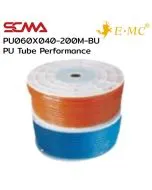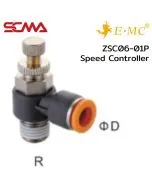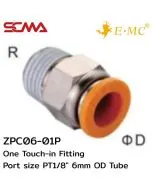
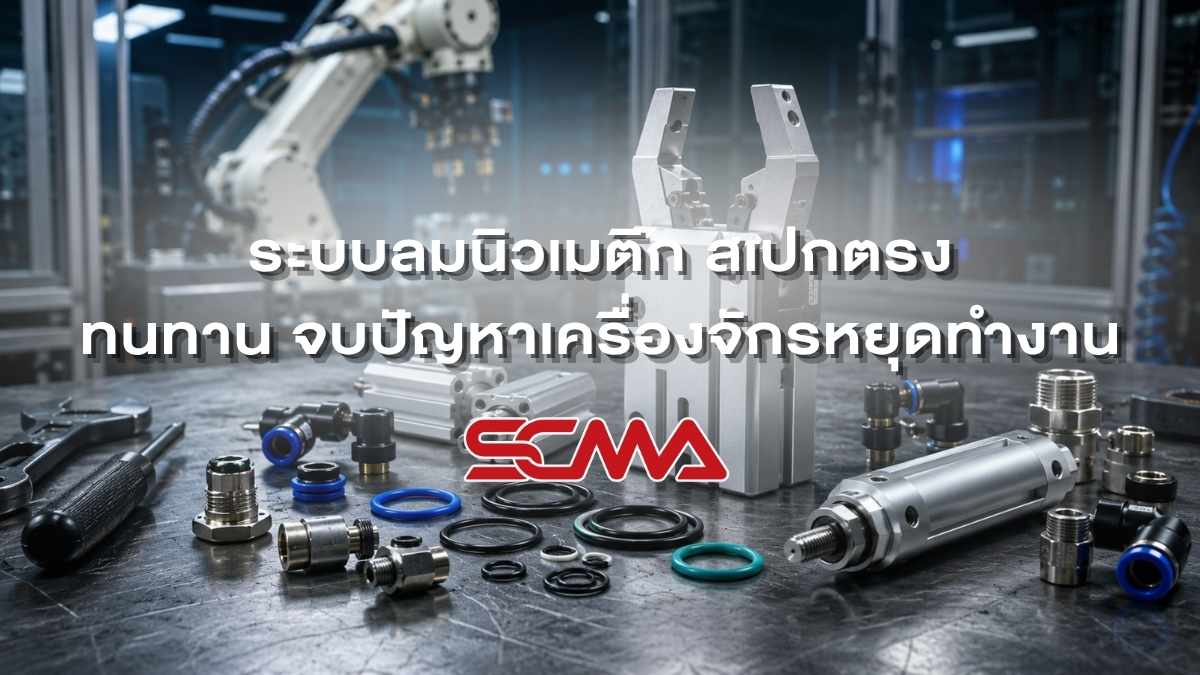
Pneumatic System is the heart of machinery operation. When parts deteriorate, rubber seals leak, or cylinders jerk, it causes production lines to stall and waste SCMA can solve your problems with pneumatic equipment and spare parts that match the specifications exactly. We offer online ordering of pneumatic components for convenience and speed, our engineering team provides free specification comparisons and fast delivery so mechanics can use them immediately.
What is Pneumatic? Why it's the core of a pneumatic system
To explain the basic meaning to on-site technicians, pneumatic refers to using compressed air as mechanical energy to drive machinery mechanisms. For the question of what pneumatics is, these devices are like the muscles of an automation system, responding to electrical commands. Pneumatic systems handle pushing, pulling, lifting, or gripping workpieces in production lines quickly and accurately. Modern industrial machinery cannot do without this system.
Delve into the meaning: A pneumatic system means engineering flow control
If we delve deeper into the definition a pneumatic system means, it involves controlling pressure and direction of compressed air through valve sets and various connections. In designing a pneumatic circuit, engineers must always consider pressure drop in the air line system. The size of the air lines and connectors should be proportional to the total air consumption of the machinery; neglecting this can cause low-end pressure, leading cylinders to have insufficient pushing force as calculated.
Differences Between Pneumatic Systems and Hydraulic Work Systems
Selecting a drive system requires an assessment based on the production line's requirements. These two types of systems have distinct advantages.
Advantages of Pneumatic Systems
The main advantage of pneumatics system is the use of air as a medium, providing high-speed movement and cleanliness, free from oil contamination. The air pneumatic system is particularly suitable for electronic assembly work, pharmaceutical factories, or food production facilities that require the highest level of cleanliness.
Advantages of Hydraulic Systems
The hydraulic system uses liquid oil as a medium to transmit power and can generate pressing forces in tens of tons. The movement is slower than pneumatic systems. Hydraulic systems are designed for heavy-duty work such as metal stamping machines, paper presses, which require the highest stability of pressing rhythm.
Structure and Main Components of Modern Pneumatic Systems
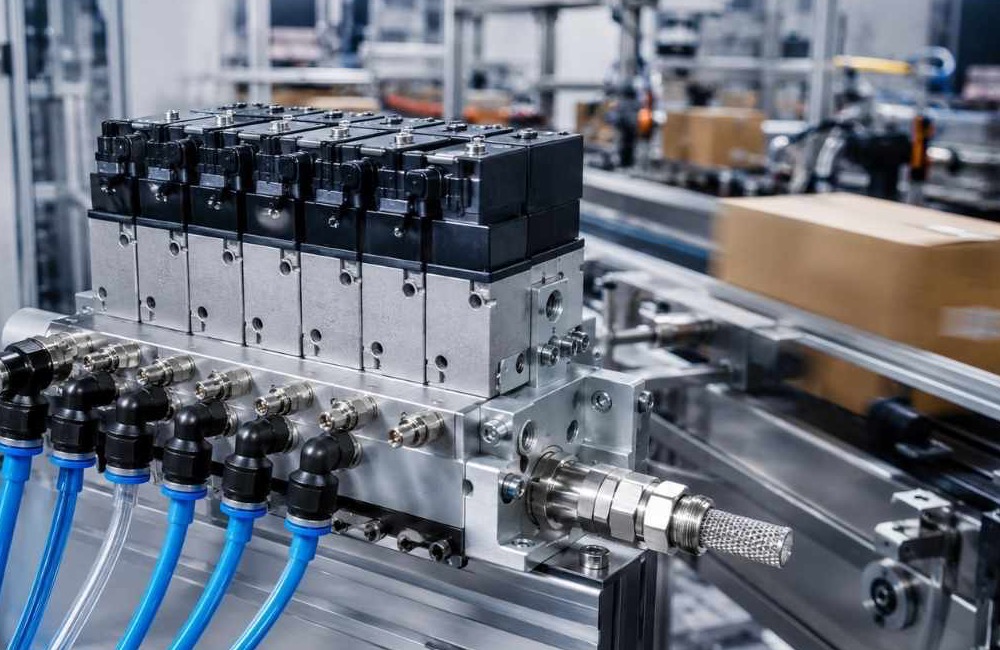
To quickly resolve machinery issues, maintenance technicians must understand the structure of pneumatic systems and how each component works together.
Air Preparation Units and Solenoid Valves
The structure of a pneumatic air system begins with an Air Preparation Unit (FRL Unit), which captures water and dust to protect downstream equipment. Then, compressed air passes through solenoid valves (Solenoid Valve) that act as on-off switches, switching the direction of airflow according to electrical signals from the PLC cabinet.
Motors and Connecting Components
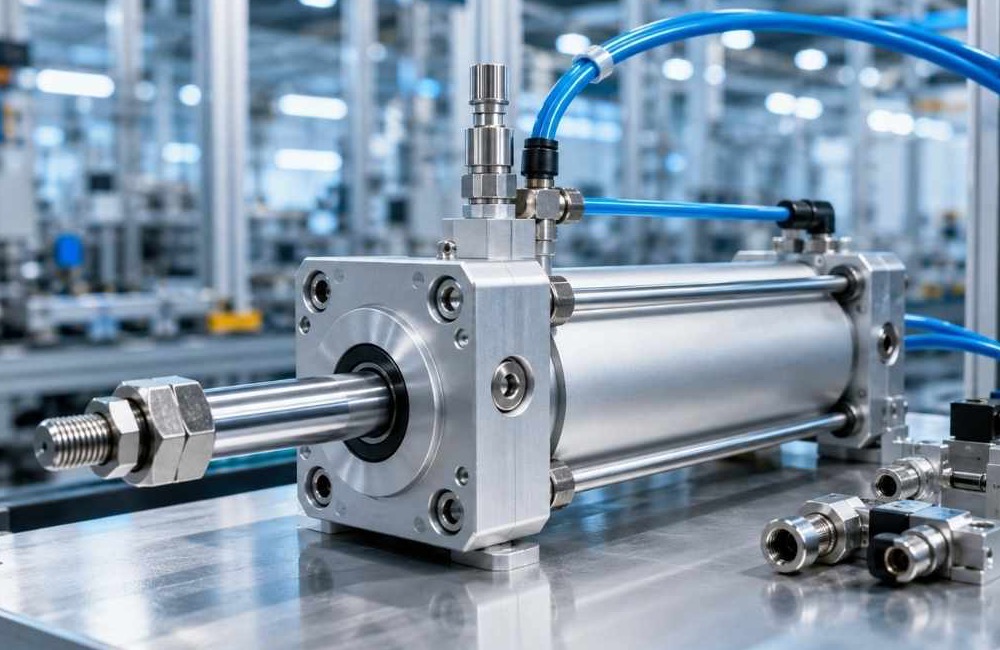
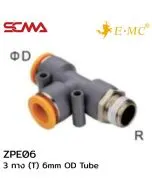
The circuit ends at the cylinder (Cylinder), which converts pneumatic energy into mechanical movement to act on workpieces. All components of the pneumatics system are connected through PU air pipes and quick couplings, ensuring smooth operation of the production line.
Basic Guide to Reading Pneumatic Symbols for Maintenance Technicians
To repair and replace pneumatic parts accurately, technicians must know how to read the symbols printed on the control valve nameplates.
- The technician needs to understand the pneumatic symbols printed on the nameplate of directional control valves to check that all air ports are correctly positioned.
- Port P is the compressed air inlet, while Ports A and B are outlets for use. Port R is the exhaust port; technicians must connect the air lines accordingly.
- Reading symbols helps engineers distinguish between normally open (NO) and normally closed (NC) valve types accurately.
- Reading specifications prevents problems with reversed air line connections, which can cause cylinders to move in reverse direction leading to machine damage.
- If unsure about the symbols, SCMA's engineering team is available for free consultation and specification breakdown online.
Pneumatic Air System Leaks and Techniques to Check Leak Points Before Machines
Small leaks are a major cause of unnecessary energy costs in factories; technicians must know how to handle this issue.
- The hissing sound of air leaking from connections in the pneumatic air system is often due to improperly cut and inserted air line ends, leading to wasted electricity.
- Bent air lines with cracks are another common point where compressed air leaks out.
- Technicians must regularly inspect the internal locking teeth of quick couplings (Fittings) at points that experience constant movement.
- If wear and tear from frequent disconnection is found, replace the parts immediately; do not use glue to fix the problem.
- A torn piston rod seal is a common leak point; technicians must remove and replace the seal kit (Seal Kit) to restore normal cylinder pressure.
Preventive Maintenance Standards for Pneumatic Systems
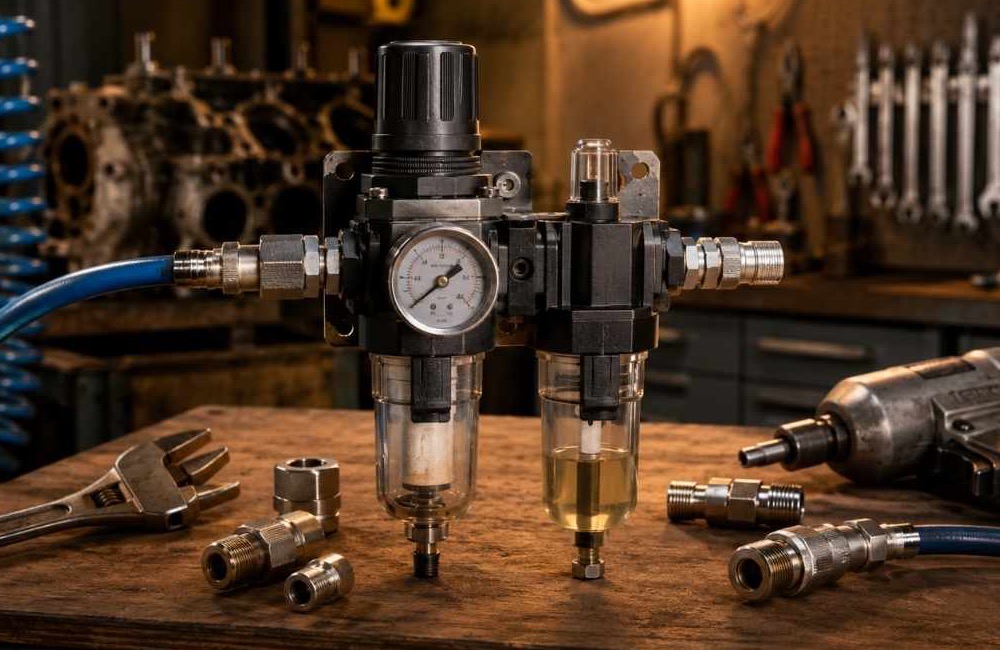
Preventive maintenance of equipment is the heart of reducing downtime. Maintenance teams must establish regular inspection cycles for pneumatic systems. Technicians need to drain water from air filter cups regularly to prevent moisture from entering and damaging lubricants inside pneumatic components. Another critical point is checking the alignment (Alignment) of cylinder shafts; misalignment can create side forces, causing seals on cylinder bores and pistons to wear out faster than their actual lifespan. Paying attention to these small details significantly extends the life of pneumatic parts.
Summary
This article should comprehensively answer what pneumatic systems are and why they are important in industrial operations. A fully functional pneumatic air system helps your production line meet its targets. If your pneumatic equipment is deteriorating, the team of engineers at SCMA can provide you with a matching pneumatics system. Our online specification comparison service ensures that you get the right parts delivered quickly and ready for immediate on-site repair.
If You Want to Purchase, SCMA is Ready to Serve You Today!
We understand how difficult it can be to find matching spare parts. That's why we offer the most convenient online ordering service for pneumatic air systems. Simply take a photo of the pneumatic symbol on the nameplate and send it to us via Line OAhere. Our support engineers will match high-quality replacement brands for your pneumatics, check thread sizes free of charge, and deliver spare parts for pneumatic systems nationwide quickly. Technicians can then install them perfectly on-site.
Frequently Asked Questions (FAQ) About Using Pneumatic Systems
Q1: What is pneumatics? Can it use liquid or oil instead of compressed air?
A: What is pneumatics? Simply put, this system is designed to work with compressed air only. Liquid or oil cannot be used in valves or pneumatic cylinders as they would cause the internal rubber seals to swell and leak, leading to corrosion that can destroy equipment immediately.
Q2: The cylinder in a pneumatic system jerks when moving. Adjusting the speed controller doesn't help. Where should I look for a solution?
A: Have your technician remove the load (Load) from the workpiece first and then try running it empty. If the pneumatic system cylinder still jerks, this indicates that the internal lubricating grease has dried up or there is wear between the piston and cylinder sleeve. You will need to disassemble and replace the seal kit (Seal Kit).
Q3: I want to know what the pneumatic symbols on my old valve mean. Can SCMA help?
A: We'd be happy to assist you for free. The SCMA engineering team specializes in reading circuits and pneumatic symbols. You can take a picture of the nameplate attached to your pneumatic equipment and send it via LINE, we will help decode the specifications and find an exact replacement part that works just like the original 100%.
Q4: What should be the operating pressure setting for a pneumatics system?
A: Engineers need to evaluate based on the weight of the workpiece (Load). Typically, the operating pressure of a pneumatics system in a factory is set between 4-6 bar (Bar). Setting the pressure too high not only wastes air compressor energy but also accelerates wear and tear of the pneumatic system.
Q5: I'm worried about getting mismatched threads when buying pneumatic parts online from SCMA. What should I do?
A: No need to worry about purchasing pneumatic parts online. You can measure the external thread size of your old part with a vernier caliper and send us pictures via LINE. Our engineering team will convert it into standard sizes for free, ensuring an exact fit.