What are pneumatic components? This is a common question when air machinery encounters issues such as cylinders getting stuck or on-site technicians ordering incorrect spare parts, causing delays in pneumatic system repairs. We offer an in-depth guide to pneumatic parts along with purchasing solutions for groups of pneumatic spares online from SCMA. Our team of real engineers reviews the specifications for every part at all products, preventing 100% incorrect model purchases.
What is a pneumatic system? Why do factories prefer to use pneumatic machines?
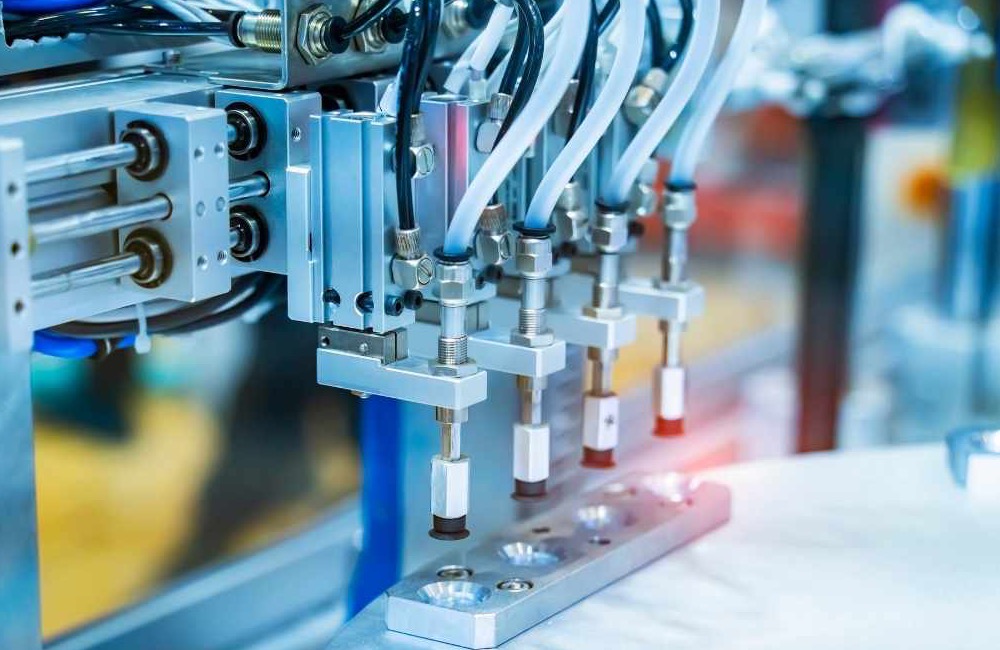
Before diving into what pneumatic components are, let's briefly explain the basic working principle for procurement teams to understand. A pneumatic system is a power transmission mechanism that uses compressed air (Compressed Air) to convert wind energy into mechanical energy to drive machinery. Pneumatic machines meet modern industrial needs, offering high speed, cleanliness, and safety from electrical sparks. This system is very easy to maintain, making it ideal for assembly line work in packaging equipment.
Dive into What Pneumatic Components Are and How They Categorize in Circuits
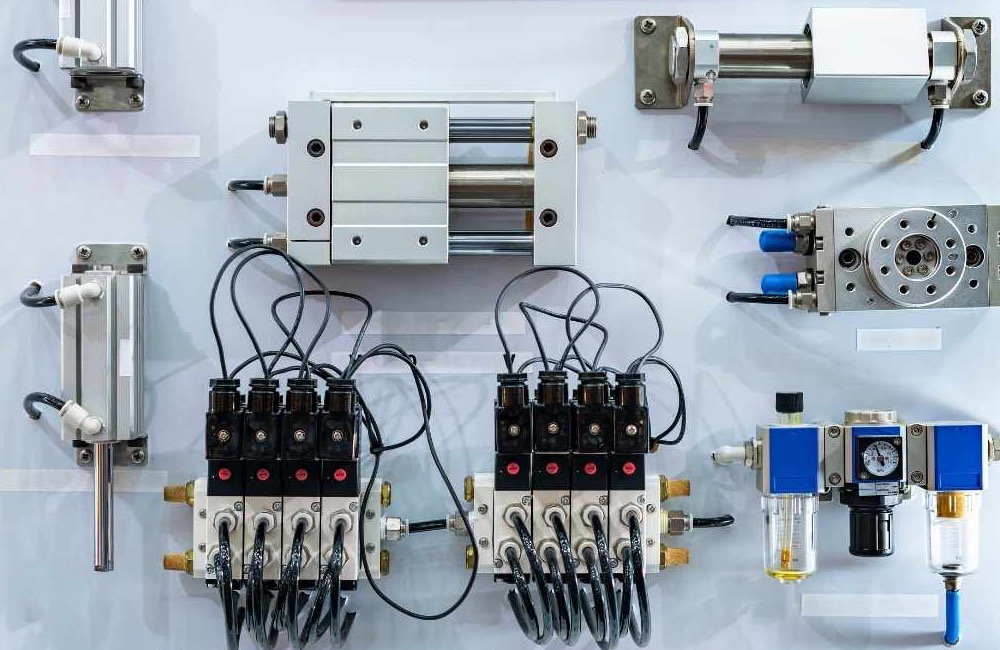
Understanding the overall air circuit from start to finish is crucial. Engineers must know the functions of pneumatic system components to accurately diagnose and troubleshoot issues.
- The air supply system starts with an air compressor (Air Compressor) which compresses the surrounding air into high-pressure air, storing it in a receiver tank for later use.
- The FRL Unit (Filter Regulator Lubricator) catches water and dust mixed with compressed air to prevent contaminants from entering and damaging valve seals and cylinders.
- Directional control valves (Directional Control Valve) act as the brain controlling the opening, closing, and direction of airflow according to commands from the control panel.
- The actuator, which is an air cylinder or pneumatic motor, receives pressure from the valve to push or pull workpieces in production lines.
- Accessory components include air hoses, quick couplings, and mufflers, complementing the circuit's completeness and safety.
FRL Unit: The First Line of Defense for Pneumatics
The compressed air from the main plant compressor is full of dust and water droplets. Maintenance technicians must install a filter (Filter), regulator (Regulator), and lubricator (Lubricator) in front of machinery to clean the air, stabilize pressure, and catch contaminants. These components act as the frontline defense, preventing rubber seals inside pneumatic equipment from premature wear. Neglecting this step will significantly shorten the lifespan of pneumatics.
Pneumatic Directional Control Valve, PLC Controlled, Pneumatic Equipment
Solenoid Valve (Solenoid Valve) functions as an on/off switch in the pneumatic circuit. This device receives electrical signals from PLC to command compressed air to push the pneumatic cylinder according to the timing set by the program. Engineers must select valve specifications such as 3/2, 5/2, or 5/3 ports that match the operational mode of the machinery on-site. Choosing an incorrect type of valve will cause compressed air to flow in reverse, causing the pneumatic cylinder to malfunction and potentially damage workpieces on the conveyor.
Pneumatic Cylinder (Pneumatic Cylinder) - The Driving Arm of Machinery
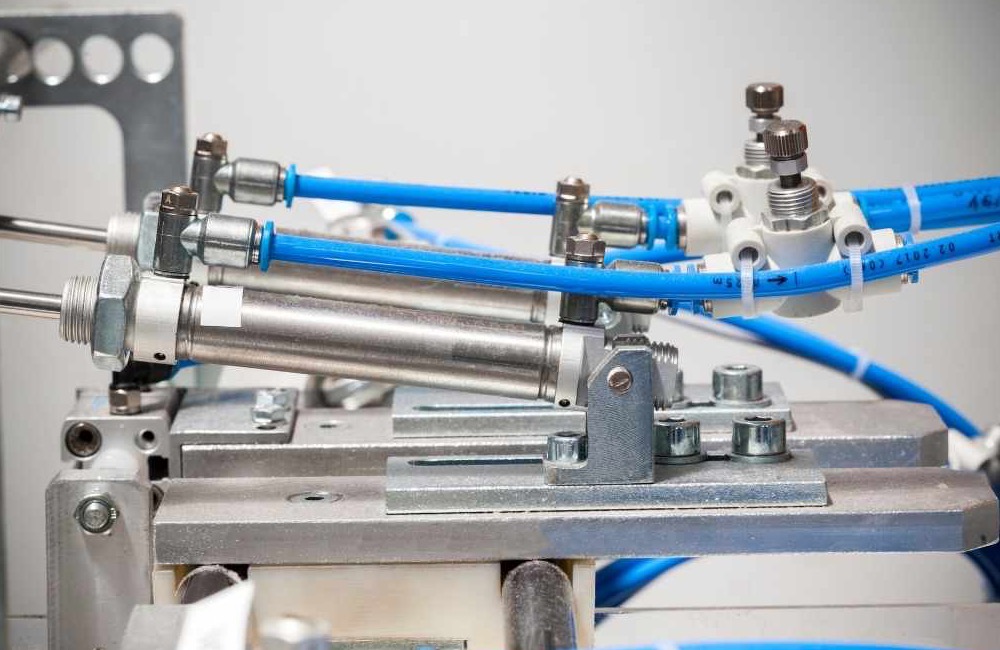
This component is the true end-effector of the system. The pneumatic cylinder converts air pressure into linear motion to push, pull, or lift workpieces up and down. When ordering replacement parts, selecting specifications must consider the Bore size (the diameter of the piston) to calculate the pushing force in relation to the load weight. Mechanics need to measure the Stroke length (maximum extension distance) to fit the reach required by the machinery for handling workpieces. If incorrect sizes are chosen, pneumatic components may lack sufficient actuation or extend too far and collide with workpieces causing damage.
Basic Pneumatic Equipment: Fittings, Air Lines, and Silencers
Many people overlook the question of what pneumatic equipment consists of in small parts. In reality, fitting components are crucial to the circuit like major arteries.
Polyurethane (PU) Tube
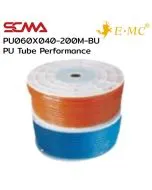
Air lines serve as a conduit for air pressure throughout machinery. This type of basic pneumatic equipment is made from highly flexible polyurethane. Maintenance technicians must choose an appropriate tube diameter that matches the airflow rate required by valves and cylinders. A line that's too small will slow down machine movement.
Quick Connect Fittings (Pneumatic Fitting)
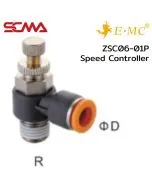
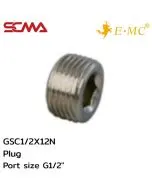
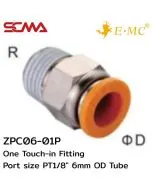
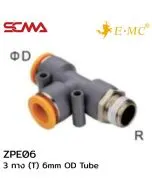
Quick connect fittings serve to connect all pneumatic components together. The design allows technicians to plug in air lines easily without the need for screwdrivers. Engineers must be cautious about fitting thread standards (PT, NPT, G) matching those of main equipment ports. Forcing connections with mismatched threads will cause valve screws to strip and lead to immediate air leaks.
Silencer or Sound Attenuator
Releasing compressed air from valves produces loud explosive noises. Technicians must always install silencers at exhaust ports on pneumatic system equipment. The sound attenuator reduces the shock waves of the released air, protecting workers' hearing in production lines. Adding this component helps meet safety standards for noise levels (OSHA).
Bleeding Issues in Pneumatic Systems and Methods to Assess Spare Parts on Emergency Sites
The hissing sound of air leaks along the pneumatic lines is a major factor causing high energy costs for factories. Technicians must know how to assess faults in the pneumatic system to address emergency situations.
- Maintenance technicians need to walk through and check the pneumatic lines at various moving points. If they find bent or cracked hoses, they should immediately replace them to stop compressed air leaks.
- Inspect the locking teeth inside quick couplings. If the locking teeth are loose due to frequent disconnection, the hose may pop out when subjected to high pulling forces.
- Note any hissing sounds around the pneumatic cylinder head area. This clearly indicates that the rod seal has deteriorated and dust particles have scratched the piston rod, causing wear marks.
- Evaluate the damage of solenoid valve sets. If there is continuous air leakage through the exhaust port, it means the internal rubber gasket has hardened due to accumulated heat.
- Disassembling small parts for on-site repairs is not cost-effective during production line downtime.
- Purchasing a new set of pneumatic equipment with the original specifications and replacing them is a quick solution that ensures work completion, saving more time than repairing old spare parts.
Summary
This article should have answered questions about what pneumatic components are. These pieces are crucial mechanisms driving all automation systems. If you're looking for basic pneumatic equipment or specific pneumatic parts, SCMA is ready to support your online purchase needs, ensuring procurement of the exact specifications and rapid resolution of machine breakdowns.
If You Want to Buy, You Can Purchase from SCMA Today!
SCMA offers maximum convenience. Customers don't need to remember the names of pneumatic components; they just need to take a photo of the damaged part or nameplate and send it to our website. Our real engineer Technical Support team will identify the type of air equipment, compare thread sizes, and flow rates for free. We deliver pneumatic systems quickly so technicians can install them perfectly on machines.
Frequently Asked Questions (FAQ) About Pneumatic Equipment
Q1: What pneumatic equipment should a factory stock as spare parts?
A: The maintenance department should always stock PU air hoses, straight fittings, mufflers, and seal kits for pneumatic cylinders. These pneumatic components are not expensive but their failure can cause machines to stop working immediately.
Q2: How does pneumatic differ from hydraulic systems? Which one is better?
A: A pneumatic system uses air, providing high speed and cleanliness, suitable for general assembly work. Hydraulic systems use oil, generating tremendous pressure but moving slower, making them ideal for heavy-duty metal stamping presses.
Q3: Pneumatic is an air-based system; can regular motor oil be used in a Lubricator?
A: No, absolutely not. Motor oil contains additives that react with the rubber seals inside pneumatic equipment, causing swelling and air leaks. Special pneumatic lubricating oil (ISO VG 32 viscosity grade) must be used.
Q4: Can I mix replacement pneumatic parts from another brand with the original brand in the same circuit?
A: Yes, you can. Most pneumatic spare parts follow international thread standards (PT, NPT, G). As long as the engineer matches the thread size, operating pressure, and flow rate, they can be used together seamlessly.
Q5: I'm worried about getting mismatched threads when ordering spare parts online from SCMA. What should I do?
A: No need to worry about pneumatic equipment; you won't get mismatched threads. You can measure the external thread size with a vernier caliper, take photos and send them via LINE; our engineers will convert it into standard sizes (e.g., 1/8", 1/4") and provide precise specifications ready for shipment.