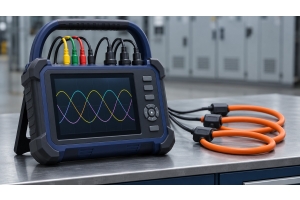
If you want to measure dust in a building or factory, start with the purpose of the measurement, such as comparing trends before and after adjusting the filtration system, or monitoring multiple areas. This article explains how to choose a PM 2.5 meter, positioning methods, and the limitations of values read from general sensors
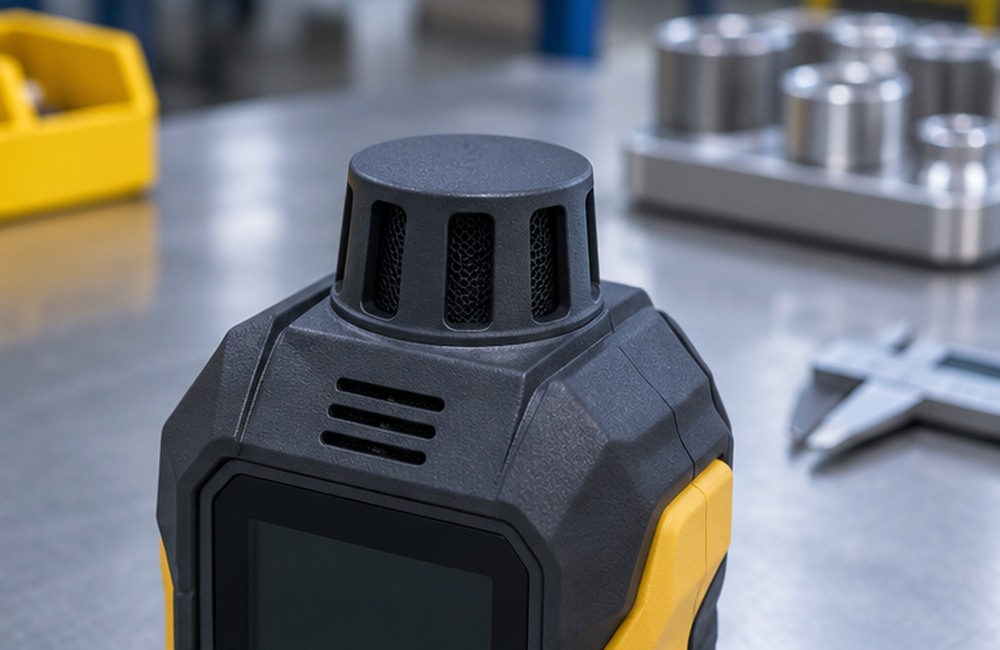
What is a PM 2.5 Meter?
A PM 2.5 meter is used to measure or estimate the mass concentration of fine particles grouped according to an approximate aerodynamic diameter of 2.5 micrometers or less. Optical sensor models are suitable for tracking trends and preliminary screening according to the EPA Air Sensor Guide
How PM 2.5 Meter Works
Most PM 2.5 dust meters currently operate through a laser sensor using the principle of light scattering. The working process of this type of air meter is interesting as follows
1. Air is drawn into the device
Some optical models use a fan or pump to draw air through the measurement chamber. You should arrange the air intake and exhaust ports according to the instructions of that model
2. Laser light hits the dust particles
Once the air has entered the measurement chamber, the internal laser light source of the PM 2.5 meter will shine light onto the floating dust particles. This step is an important mechanism of the PM 2.5 dust meter that helps the system clearly see the density of small particles
3. Light Scattering (Laser Scattering)
The scattered light signal depends on the number, size, and properties of the particles. High humidity and composition of the dust may cause the estimation to differ from the reference device
4. Signal detection by the light receiver
The light receiver or photodiode inside the air quality meter measures the amount of scattered light. Then the device converts the captured light value into an electrical signal and sends it to the processing circuit of the dust meter for data analysis
5. Calculating the result and displaying it on the screen
The device uses an algorithm to convert the signal into an approximate concentration value in units of µg/m³. The result depends on calibration, environmental conditions, and particle type. You should record the average range of the read value
How many types of PM 2.5 meters are there?
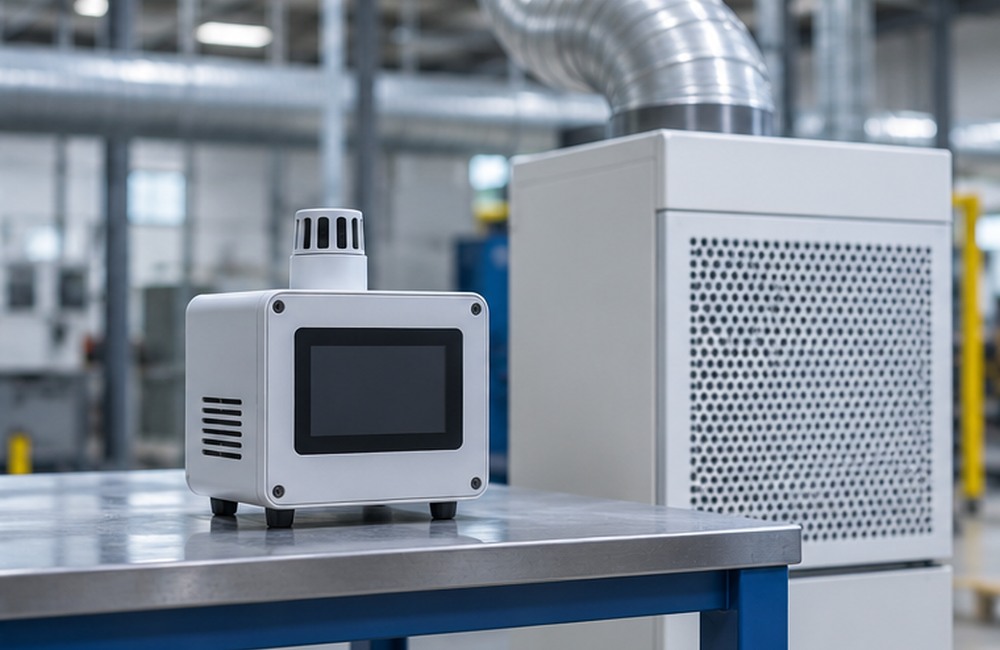
Air quality meters can be generally categorized into two main types based on their usage. Choosing the right air quality meter for your purpose will help maximize the effectiveness of pollution monitoring.
1. Portable Air Quality Meters
Portable meters are suitable for spot checks or comparisons between locations. An example is KEPLER KAQ-380PM PM 2.5 Dust Meter. You should check the measurement range, resolution, and conditions specified by the manufacturer.
2. Fixed Air Quality Meters
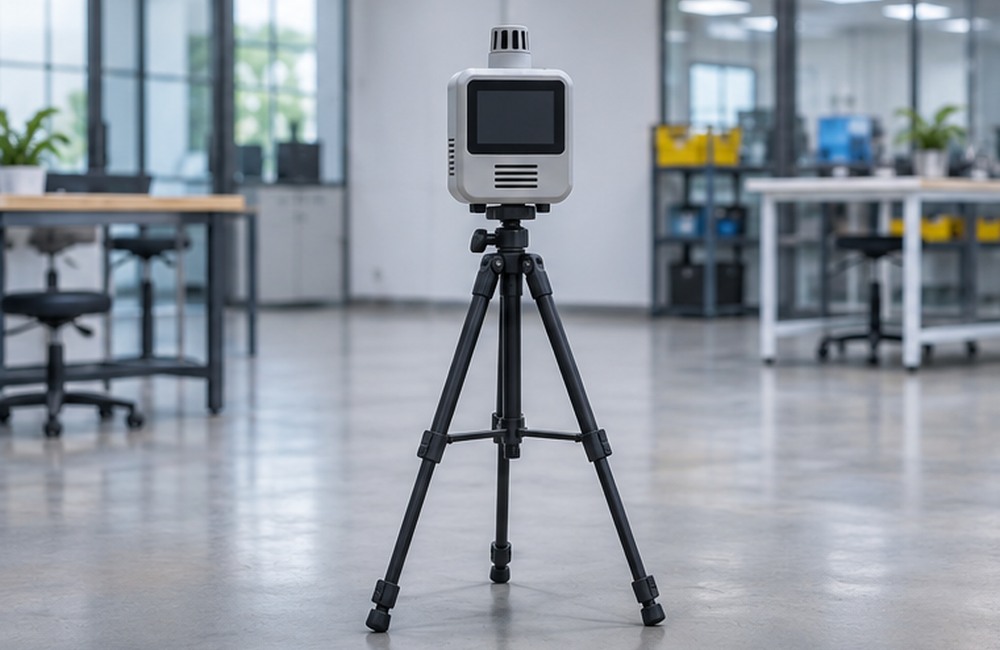
Fixed meters are used to track trends from a single location continuously. You should select a location that is representative of the area of interest and set the recording interval with the meter's inspection plan.
Maintenance of PM 2.5 Meter
Proper maintenance of the air quality meter will help extend its lifespan and ensure accurate measurement values. Based on the experience of SCMA's engineering team, we recommend the following basic maintenance methods for air meters:
1. Clean the exterior of the device
Users should use a soft microfiber cloth to clean the dust meter to remove external dirt. It is advisable to avoid using rough fabric or harsh chemicals to wipe the PM 2.5 meter, as this may cause damage to the surface or display screen.
2. Handle the sensor port carefully
Keep the air intake port clear and clean it using the method specified by the manufacturer. Avoid blowing air or inserting materials into the sensor port if the manual does not specify doing so.
3. Store in a suitable environment
When not in use, the dust meter should be placed in a dry area with good air circulation. Avoid placing the air meter in areas with high humidity or direct sunlight to prevent damage to the internal electronic circuit board.
4. Check and manage the dust filter
For some PM 2.5 meters that have internal dust filters, users must regularly check their condition. Users should clean or replace the PM 2.5 dust meter filter according to the manufacturer's instructions to maintain the efficiency of air intake into the device.
5. Update the software to the latest version
New air quality meters can connect to smartphones, so users should regularly check for application updates. Having up-to-date software will help the dust meter operate more stably with more complete functions.
6. Study the manual and schedule calibration as required
For more information on proper usage, you can read our article PM 2.5 Meter. Users should have the air meter calibrated to standard specifications at the scheduled intervals to ensure that the measurement results are truly reliable.
General Use of PM 2.5 Meter
Determine the purpose and location before measurement. If you want to compare across days, use the same location and average time period. See EPA's guidelines for selecting installation locations
1. Inside the house or bedroom
Select a location that represents the breathing area and is not near vents, windows, walls, or air purifiers. If you want to see the effect of filters, record the conditions before and after by placing the device in the same location.
2. Desk or classroom
Place the device in an area that represents the working area. Consider external dust data and air circulation conditions before adjusting vents or filters.
3. Near the road or in front of the house
If measuring outdoors, use the device or weather protection equipment as per the manual. A single point data reflects the area and time period measured. When evaluating the overall area, refer to official station data.
4. Near the dust source
Tracking near the dust source compares trends over time and location. Follow the site safety plan and use equipment that matches the measurement purpose.
Industrial Use of PM 2.5 Meter
Optical dust meters can be used for preliminary surveys or monitoring trends in buildings and around factories. Measuring worker exposure and legal inspections must select equipment and methods that meet the requirements.
1. Monitor dust trends around the factory
Monitor dust trends around the factory by selecting points according to the purpose. General air dust meters are not suitable for direct measurement from chimneys. Chimney measurement must use specific methods and equipment.
2. Screen locations that need additional dust removal system checks
Dust values before and after process changes help identify locations that need additional checks. If you suspect the dust removal system is malfunctioning, check other data such as pressure difference or flow rate according to the system maintenance method.
3. Select measurement methods that match the reporting purpose
If you need to report results according to requirements, check the measurement type, reference method, equipment, and specified average time. Data from general meters can be used for preliminary monitoring.
Advantages of PM 2.5 Meter
Investing in a PM 2.5 dust meter is a valuable long-term investment in protecting respiratory health. Air quality measuring devices offer various benefits that help us live more safely in an ever-changing environment.
1. Instantly Know the Dust Concentration
The PM 2.5 meter allows us to instantly know the amount of dust in a specific area such as around the home or factory without waiting for official announcements. Basic information about the dangers of dust can be referenced from EPA Particulate Matter Data for accurate understanding.
2. Use Data to Plan Exposure Reduction
Use trends from the device together with data from official stations and public health agency recommendations when planning to reduce exposure. A single reading has limitations in terms of location, time, and accuracy.
3. Assess Long-Term Pollution Risk
Continuously recording data from the PM 2.5 dust meter helps us see pollution trends during each season. Statistics from air quality meters are a great aid in planning ahead during periods of heavy smog.
4. Easy to Use with Fast Data Connectivity
Current air quality meter technology has advanced greatly to the point where it can directly connect data to a smartphone. Users can carry the dust meter anywhere to check the weather through a real-time screen with speed.
How to Choose a PM 2.5 Meter
When deciding to purchase an air quality meter, consider multiple factors to ensure you get a valuable and accurate device. The following checklist is a guide to selecting the right PM 2.5 meter for your needs.
Usage Purpose: Clearly define whether you need a portable PM 2.5 dust meter or a desktop model for indoor use.
Check the sensor's specifications in terms of concentration range, temperature, and humidity expected. Using only a laser does not indicate the accuracy of the device.
Essential Additional Features: Consider an air quality meter that can measure temperature, humidity, or carbon dioxide (CO₂) in a single device.
Application Connectivity: Choose a dust meter that supports wireless connectivity to track historical dust levels via smartphone.
Product Standards: Purchase air quality meters (Air Quality Meters) from a reliable dealer with clear after-sales service.
Summary
A PM 2.5 meter is an important device that effectively monitors the silent threat of air pollution. Choosing a standardized air quality meter with proper maintenance will ensure the dust meter operates accurately. If you are looking for an industrial-level air quality meter, SCMA is happy to provide consultation and design systems with expert engineering teams to protect your health and business.
Interested in purchasing or consulting via LINE Official: @SCMA
If you want to buy a PM 2.5 meter, you can buy it from SCMA today!
Measurement accuracy is the key to environmental standard control. Choosing a high-quality PM 2.5 meter is a valuable investment. As an expert in industrial measuring instruments, SCMA is ready to provide you with the most accurate PM 2.5 dust meter. You can come and view our complete air quality measurement solutions as well as our comprehensive technical service to elevate the safety standards in your area to the highest level.
Frequently Asked Questions
Is the PM 2.5 meter waterproof?
Most dust meters are not designed to be waterproof. Users should avoid using the device in the rain to prevent circuit damage.
How long does the sensor of the dust meter last?
The sensor lifespan depends on the model, operating time, and environment. Refer to the manual and check the response according to the suitable cycle for the task.
How often should the air quality meter be calibrated?
Use the cycle specified in the manual and the instrument control plan of the site. For measurements requiring high confidence, it is advisable to compare with a reference device in the actual working environment.
At what PM 2.5 dust level does it start to be harmful to health?
The PM 2.5 dust standard in general Thai atmosphere for a 24-hour average is set at no more than 37.5 µg/m³ according to the announcement published by the Pollution Control Department. This value is an average standard over a period of time, so it is recommended to use data with matching average time periods and follow health guidelines from official agencies.
Can the dust meter be used in enclosed areas such as air-conditioned rooms?
It can be used to track trends in air-conditioned rooms. Place the device at a point that represents the usage area. When comparing before and after the filter system is activated, maintain the same position and measurement method.