Having problems with water or solution quality control in your production process? Choosing a standardized PH Meter is crucial for accurately measuring acidity and alkalinity levels. The SCMA engineering team, as experts in automation systems and measurement instruments, is ready to provide consulting services as well as offer comprehensive industrial equipment solutions. This article will take you deep into the working principles of PH meters, techniques for purchasing PH meters, and methods for maintaining stable PH levels, all aimed at maximizing the efficiency of your business.
What is a PH Meter?
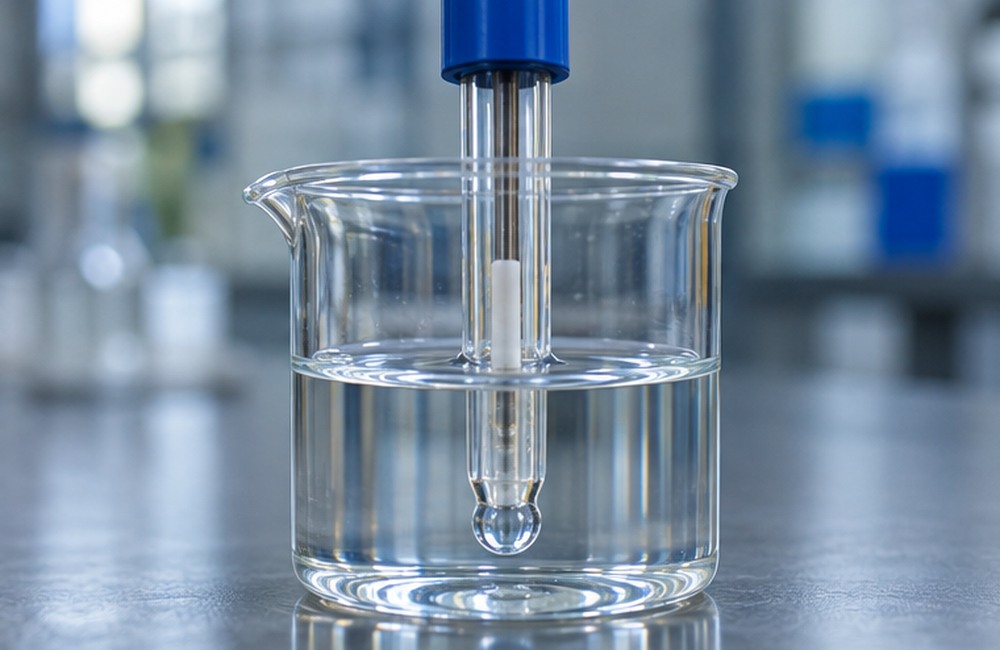
A PH Meter is a high-performance electronic scientific instrument designed to precisely measure the acidity and alkalinity levels of liquids. This device works by submerging a PH Sensor into a solution to detect chemical changes, then quickly processing these into digital numbers on the screen, helping users accurately control the quality of the solution in the production process according to specified standards.
How a pH Meter Works
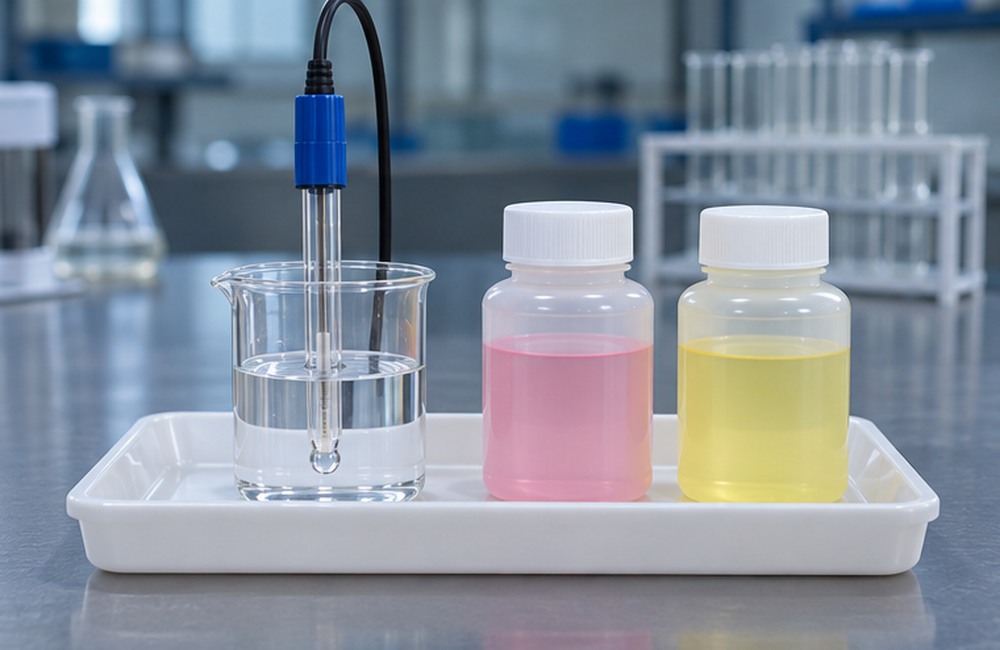
Understanding the basic working principle of a pH meter helps users analyze data accurately. These devices use electrochemical reactions to convert values into numbers as detailed below
Electrochemical Principle (Potentiometric)
The device reads the potential difference between the measuring electrode and the reference electrode in millivolts. The signal is related to the activity of hydrogen ions and temperature Learn more about the electrochemical principle
Functioning of the Hydrated Gel Layer
The glass membrane with a hydrated layer responds to hydrogen ions in the sample. Therefore, the probe must be stored under the conditions specified by the manufacturer and allowed to stabilize before reading the result
Calculation and Display (Nernst Equation)
The device uses calibration data to convert the potential difference into a pH value. The slope of the response changes with temperature. Wait for the value to stabilize according to the manual before recording Explore how a pH meter works in detail
How Many Types of PH Meters Are There?
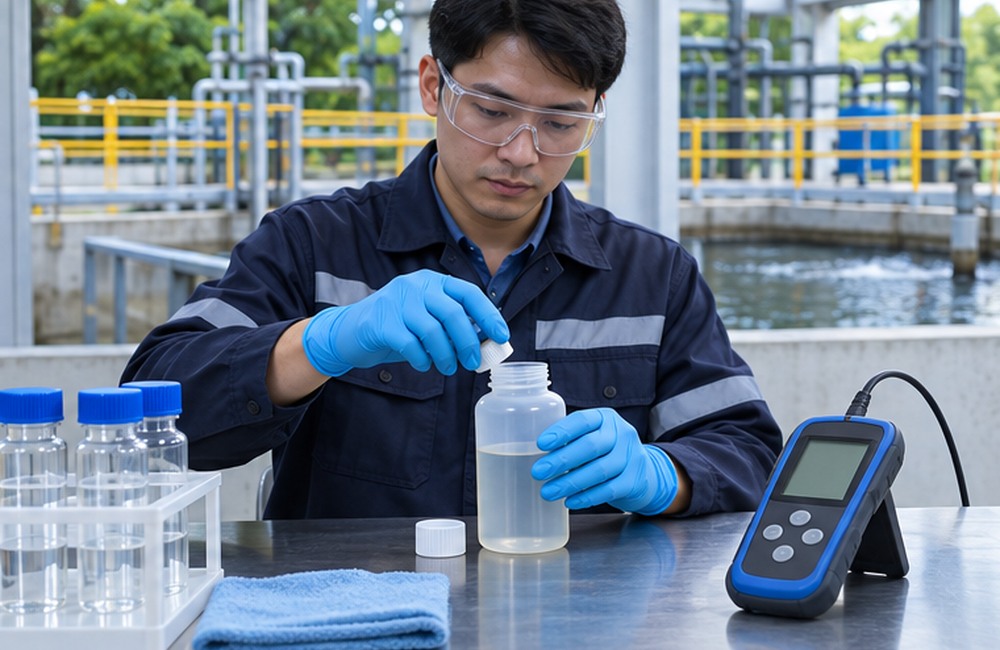
Selecting the right type of device for the application is the most important factor for reliable results. Currently, PH Meters are divided into 4 main types according to their usage characteristics as follows
Benchtop PH Meter
This type is large in size and comes with the highest level of accuracy, making it ideal for in-depth analysis in laboratories or labs that require strict control of variables. The PH reading is therefore highly precise
Portable or Pen Type
This type of device is compact, lightweight, and designed for convenient portability, meeting the needs of users who need to take PH measurements at various locations outside the lab, requiring flexibility
PH Controller
pH Controller is used together with a probe installed in the process for monitoring or sending control signals as designed. The measurement point setting, calibration, and maintenance affect the reliability of the system
Specialized PH Meter
This is a device designed with sensors for specific applications, such as measuring soil acidity or food processing. Users must select the PH Sensor that matches the material surface to obtain accurate results View all types of acidity meters
PH Meter Maintenance
Proper maintenance of instruments is a key factor in extending their lifespan and maintaining accuracy. Based on the experience of SCMA's engineering team, we recommend the following steps for maintaining the PH sensor:
Cleaning After Use
Users must clean the sensor with distilled or purified water every time after completing the measurement process. After that, use a soft paper to gently wipe off excess water. Never rub forcefully on the glass bulb area, as this may cause static electricity on the PH Meter.
Proper Storage of the Sensor
Store the sensor in the storage solution specified by the manufacturer and close the cap as instructed in the manual. General glass sensors should maintain moisture and avoid being stored submerged in distilled or DI water. See Hanna Instruments' Sensor Storage Guidelines
Important Liquids for Maintenance
Use storage solution, cleaning solution, and buffer calibration solution separately according to their designated purposes. For buffers, use a new and clean portion and do not return used portions back to the original bottle.
PH Meter Usage in Industry
Maintaining the acidity and alkalinity level of liquids is crucial for maintaining product standards. Leading industries use PH Meters to adapt in various ways to control production processes.
Food and Beverage Industry
Food and beverage manufacturers use pH measurement to assist in quality control and production processes. For example, in fermentation monitoring, select the probe and sample preparation method according to the product and applicable requirements.
Chemical and Pharmaceutical Industry
Chemical synthesis processes as well as pharmaceutical production require controlling the conditions of chemical reactions to be complete. Using a highly accurate PH Meter helps reduce the risk of errors and significantly improves production safety.
Wastewater Treatment and Environmental Industry
In wastewater treatment systems, pH values are used to monitor processes and assess effluent. For legal reporting inspections, use the specified criteria and methods for the respective business.
Paper and Textile Industry
Dyeing and bleaching processes require a large amount of chemicals. Controlling the PH Meter of the solution to stay within the specified level helps ensure color fastness, prevents fiber damage, and effectively reduces raw material loss during production.
Advantages of PH Meter
Digital measurement technology has completely replaced traditional litmus paper testing. Switching to a PH meter provides numerous advantages that significantly enhance real-world operations.
High Accuracy and Precision
Screen precision and accuracy are different specifications. Measurement results depend on probe condition, calibration, temperature, and sample type.
Fast and Easy to Use
Clean the probe according to the manual, immerse it to the specified level in the sample, and wait for the result to stabilize before recording. It is also recommended to record the temperature when comparing results.
Versatile Applications
Manufacturers have designed the device to be used in various ways, whether as a benchtop model for laboratory work or a portable model for field work. Thus, the PH Meter can perfectly meet the needs of all industrial sectors.
Standardized Quality Control
Clear numerical data help the food, pharmaceutical, and water treatment industries maintain production processes within standard criteria. Systematic use of the PH Meter for inspection helps build brand credibility. Read more about the advantages of pH measurement devices
How to Choose a PH Meter
Deciding to invest in a measurement device must consider many factors to achieve maximum value and accurately meet operational needs. SCMA recommends the following criteria for selecting a PH meter:
Location and Usage Characteristics: If fieldwork is required, choose a portable model. For laboratory use requiring high precision PH measurement, select a benchtop model with a detachable probe head.
Choosing the Probe (PH Sensor): Consider the material of the probe to be suitable, such as chemical-resistant glass or durable epoxy plastic. Also, choose the shape of the PH Meter probe to match the viscosity of the sample.
ATC compensates for the probe's response that changes with temperature. However, the actual pH value of the sample changing with temperature still needs to be considered separately.
The probe's lifespan depends on the type, sample condition, maintenance, and frequency of use. When evaluating probe replacement, choose a model that has spare parts and can check slope values or slow response according to the manual.
Usage Precautions
Scientific measuring instruments require high precision. If users neglect these precautions, it may cause damage to the pH meter or result in incorrect readings.
For general glass electrode probes, distilled water or DI water can be used for temporary rinsing as per the manual, but they should be stored in the preservation solution specified by the manufacturer.
Be cautious of static electricity: Do not use tissue paper to wipe the pH probe directly. Friction can generate static electricity, causing the digital display to fluctuate and become unreadable.
Use new calibration buffer solutions and select levels that cover the expected pH range, such as 4.01 and 7.00 for acidic samples, or 7.00 and 10.01 for alkaline samples, according to the manual of the model. See Hanna Instruments Calibration Procedure
Summary
Selecting a standardized pH meter and properly maintaining the pH sensor will help ensure accurate pH measurements in the production process. SCMA is ready to be your technical partner, offering consultation, solution design, and distribution of high-performance pH meters (pH Meter) to elevate your industry standards to the next level.
Interested in purchasing or consulting? Follow us on LINE Official: @SCMA
You can purchase PH Meter from SCMA today!
In an industrial world where quality control is of utmost importance, having an accurate pH meter will help reduce errors and prevent damage in the production line. SCMA, as an expert in measuring instruments with service coverage across the EEC and northern regions, offers engineering consulting services, calibration services, and distribution of world-class pH meters. We have a team dedicated to managing your pH sensor system and pH meter to ensure reliable long-term pH measurement results.
Frequently Asked Questions
How often should I calibrate the pH meter?
Calibrate according to the manual and the accuracy required by the task. Tasks with specific requirements may need calibration before starting a sample set or when deviations are detected.
Why is it not allowed to soak the probe in distilled water?
Soaking the glass probe in distilled water or DI water for a long time may cause changes in the probe response and reference junction. Use the storage solution as specified in the manual.
What is the lifespan of a pH sensor?
The probe's lifespan is not fixed and depends on the type and usage conditions. Check the slope and stability during calibration to assess the condition before deciding to replace it.
What is the difference between benchtop and portable models?
Benchtop models offer high precision suitable for laboratory use, while portable models are compact and designed for fieldwork convenience.
Can it measure water hardness?
The pH meter measures acidity and alkalinity. Water hardness is measured from calcium and magnesium using appropriate methods, such as EDTA titration. Conductivity values provide an overall ion profile but cannot be used directly as a substitute for hardness values.