Does your machine often stop due to problems with phase swapping or missing phases in the three-phase power supply? In this article, SCMA, as a provider of measurement instrument and automation system solutions, will take you deep into the details of the Phase Indicator. After reading this, you will have a checklist that helps you choose a three-phase power sequence meter in the most accurate and safest way possible.
What is a Phase Indicator?
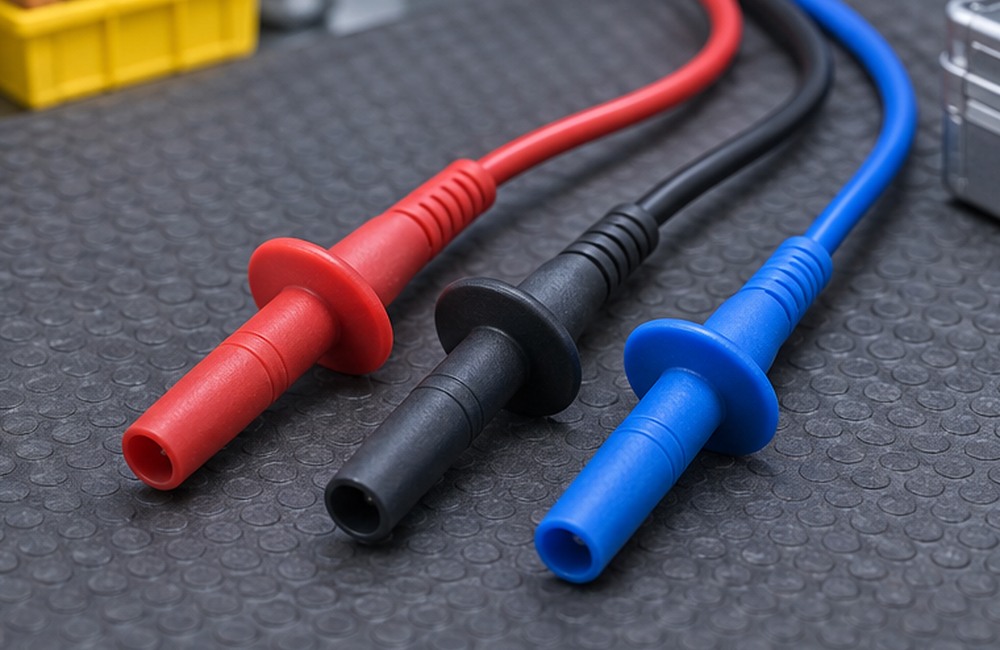
Phase Indicator is used to check the phase sequence of a three-phase power supply. Some models also have lights to indicate the detection of voltage on each phase. The display result is used to check the sequence at the measurement point according to the manual, so a separate testing device should be used to confirm that there is no voltage.
How the Phase Indicator Works
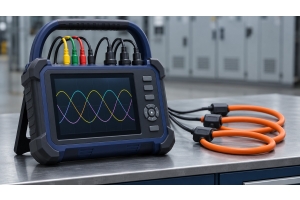
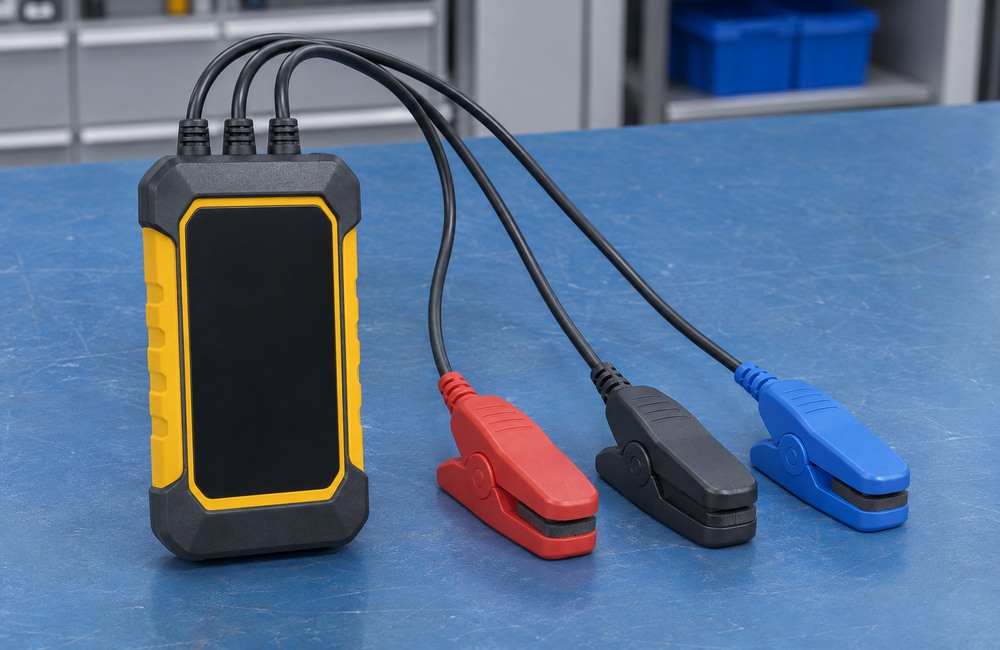
The phase sequence meter operates by measuring the phase angle and evaluating the three-phase alternating voltage that is staggered by 120 degrees. The system processes the data to accurately display the direction of current rotation.
Connecting Cables for Measurement
Qualified personnel should connect the device according to the manual and safety procedures. The contact type model receives signals from the electrical connection point, while the clamp type model uses sensors around the insulated cable that the manufacturer supports. Phase Sequence measurement must be performed within the specified voltage and frequency range.
Internal Signal Processing
The internal circuit of the device performs a detailed phase comparison. The system analyzes the direction of the peak value of each voltage waveform. This precise processing is the core of the high-quality Phase Sequence Indicator.
Display and Status Alerts
Read the results from the symbols and measurement line order of the device model. The light color and sound alerts vary by model. Interpretation examples are in Fluke 9040 Manual.
How Many Types of Phase Indicator Are There?
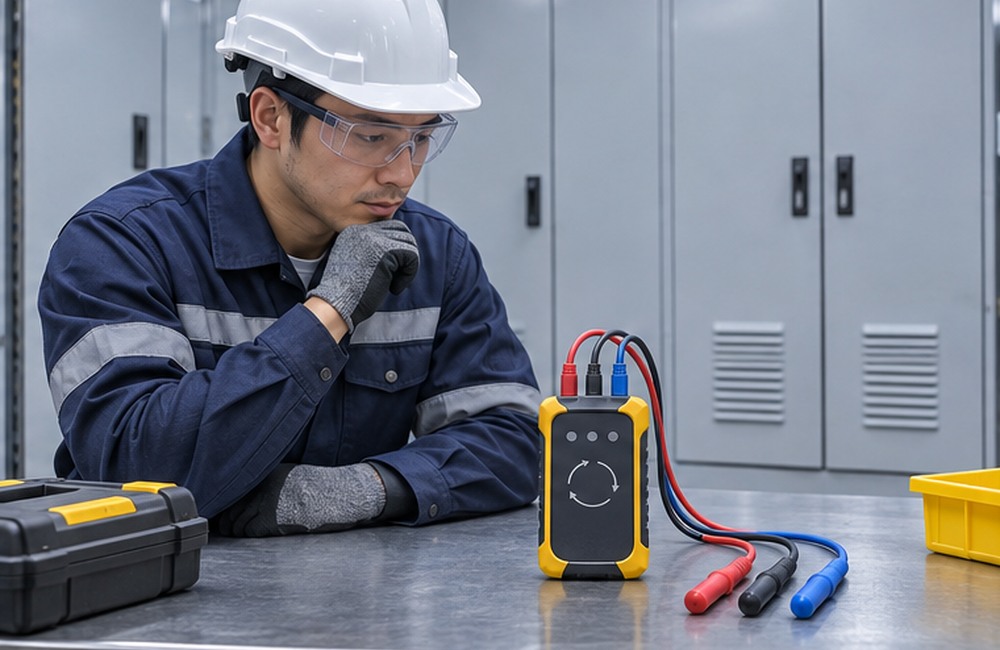
According to SCMA, the devices used to check the phase sequence status of a three-phase electrical system can be categorized mainly based on the physical characteristics of the device and its functional capabilities as follows:
LED Display with Sound (LED & Buzzer)
LED lights and sound are display methods that may be found in both contact and clamp-type devices. Selection should be made based on clarity and limitations of the work environment.
Non-contact / Clamp-type
The clamp-type model uses sensors to detect signals through the insulation of each phase cable as specified in the manual, for example KYORITSU KEW 8035. Check the cable and measurement point limitations before use.
Contact/Test Leads
The contact type model receives signals from the terminals or measurement points supported by the device. Qualified personnel should select the test leads, probes, and protective equipment according to the manual and risk assessment results.
Phase Indicator Maintenance
The Phase Indicator maintenance from the engineering team SCMA helps ensure that the 3-phase voltage status checking tool is accurate and safe for industrial use
External Cleaning
Users should wipe dust or dirt off the device with a dry soft cloth after each use. Avoid using harsh chemical cleaners. Maintaining cleanliness helps prevent moisture buildup that could damage the internal circuit board
Check Test Leads with Clips
Before starting work, carefully inspect the insulation of the test leads and probes (Test Leads). The wires must not have cracks or damage to ensure maximum safety when working with high voltage systems
Check LED and Buzzer Operation
Check the operation of the device and the display according to the method specified in the manual. Turning on the device and seeing lights or hearing sounds is only part of the readiness check
Replace Battery When Low
If you notice the display becoming dim or the warning sound becoming quieter, replace the battery immediately. Leaving the battery in can cause chemical leakage, which may damage the phase sequence meter
Instrument Calibration
Set the inspection cycle and verify the operation according to the manual, instrument control plan, and work conditions. If the device is damaged or abnormal results are obtained, stop using it and inspect it
Application of Phase Indicator in Industry
Phase Indicator or phase sequence meter is an important device used to check the correctness of phase sequence in a 3-phase electrical system to prevent damage to machinery
Inspection during new system installation
In system acceptance work, qualified personnel use the phase sequence verifier at test points according to the power supply plan and manual, controlling the area and assessing risks before measurement
Prevention of motor reverse rotation
The phase sequence of the power source may affect the rotation direction of directly connected motors. For systems with inverters or control circuits, check the connections, settings, and confirm the rotation direction according to the machine's procedure
Annual maintenance work in factories
From the case study of SCMA's local engineering team in EEC (Chonburi branch), the maintenance team used this tool to measure various terminal connection points during annual shutdown work. Periodic inspections help quickly identify loose connections that can lead to voltage imbalance issues
Detection of electrical system abnormalities
Some models can indicate whether the device detects signals from each phase or not. If abnormal results are found, use appropriate tools and diagnostic methods. Results from the phase sequence meter alone can confirm that there is no voltage loss
Advantages of Phase Indicator
Phase Indicator helps check the sequence of voltage along with the status of the 3-phase electrical system. Having an accurate measuring instrument has main advantages for industrial work as follows
Prevent Machine Damage
Checking the phase sequence before starting use helps identify mismatched phase connections. The test results should be considered together with the motor and control system testing procedures
Detect Problems Quickly
Some models have signal indicators for each phase according to the supported voltage range. Check the meaning of the indicator lights from the manual and perform additional checks when necessary
Reduce Contact with Conductors at the Point of Connection
Clamp-type models help reduce the need to touch conductors at the point of connection. Qualified personnel still need to assess the risks of the job and follow the requirements for working near live parts
Use to Check Phase Connections Before System Testing
Phase sequence test results help the team systematically check the wiring. Assessing the temperature or condition of the motor requires test results and related protective equipment
Easy to Use and Portable
The device is compact, lightweight, and has clear display with LED tubes and a buzzer alarm. Some phase sequence meters are designed to be highly durable in industrial environments
How to Choose a Phase Indicator
When purchasing a Phase Indicator or phase sequence meter, consider the main important factors for safety as well as suitability for industrial use as follows
Check the voltage range, frequency, and conductor type supported by the device against the actual system data
Select CAT rating and voltage simultaneously according to the measurement position. Check the device rating, test leads, and accessories by adhering to the limitations of the lowest rated component
Choose between contact type and clamp type models according to access points and limitations in the manual. Study the meaning of phase sequence further from Circuit Globe
Check that the phase sequence symbols and phase detection status are clearly readable on site, and understand the display limitations
Reliable Brand: Choose an accepted brand of electrical measuring instruments, such as the KYORITSU brand, which SCMA is a distributor, for high accuracy and long service life
Pre-Use Safety Checklist for Phase Indicator
Disconnect and isolate energy before working on live parts when possible. If energized testing is necessary, qualified personnel should follow established electrical work procedures and risk control measures. See OSHA's Principles of Working with Electrical Circuits
Inspect Physical Condition: Check for cracks or damage on the phase sequence meter body, test leads, and clips every time before use
Inspect the device, power source, and functionality according to the method specified in the manual before starting measurement
Check the voltage rating, frequency, and CAT rating of the device with the accessories to match the measurement position
Select PPE and tools with ratings according to the risk assessment, such as electric shock and arc flash hazards. Qualified personnel should follow on-site procedures
Check the device readiness according to the manufacturer's method. For work that must confirm no voltage, use a contact-type tester and appropriate verification procedures separately from phase sequence testing
Summary
Phase Indicator or phase sequence meter is an important device that helps analyze the sequence of a 3-phase electrical system and effectively detect missing phase problems. Proper maintenance combined with selecting the appropriate model can greatly enhance the safety of your factory. If you are looking for an accurate measurement solution, SCMA is ready to provide service with high-quality, comprehensive technology
Interested in purchasing or consulting via LINE Official: @SCMA
If you want to buy a Phase Indicator, you can purchase it from SCMA today!
SCMA helps industrial manufacturers improve the reliability of their electrical systems without wasting time on trial and error. We are ready to deliver world-class, globally selected Phase Indicator brands specifically tailored for the Thai manufacturing industry. Our engineering team is ready to provide project and solution (Project & Solutions) services from consultation through after-sales service
Frequently Asked Questions
Can the Phase Indicator measure single-phase electricity?
No, this device is specifically designed to check the phase angle relationship in a three-phase electrical system
What is Phase Loss?
It is an abnormal condition where the voltage in one of the phase lines is missing. This problem causes the motor to draw high current, leading to accumulated heat
What are the advantages of using a non-contact phase sequence meter?
The clamp-on type detects signals through insulation that the manufacturer accepts, without needing to clamp bare conductors. Users must check the cable type limitations, voltage range, and measurement position according to the manual
How often should the device be checked for proper operation?
Check readiness before use and set inspection intervals according to the manual and the site's instrument control plan
What are the benefits of ordering electrical measuring instruments from SCMA?
You will receive high-quality selected technology, along with fast response consulting services from expert engineers