Have you ever encountered motor reversal issues or abnormal operation of a three-phase power system? These problems can be precisely addressed with the Phase Tester, also known as a phase sequence meter, which is an essential tool that engineers should always have on hand. As an expert in industrial measuring tools, SCMA Co., Ltd. provides comprehensive services including sales and consultation. This article will guide you through the working principles, usage methods, as well as a checklist for safe and cost-effective purchasing.
What is a Phase Tester?
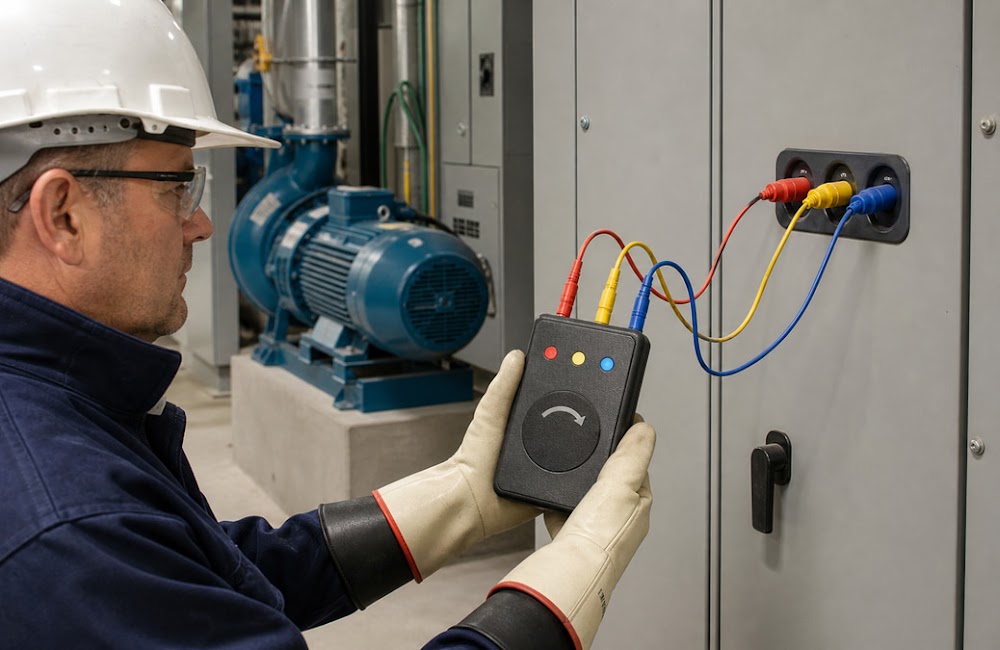
The Phase Tester, also known as a phase indicator or phase sequence meter, is an extremely important electrical measuring device used to check the sequence of voltage in a three-phase system (such as R-S-T or L1-L2-L3) to ensure correct alignment. This tool helps verify that all phases are receiving current properly to prevent damage to machinery. For more detailed information from international sources, you can refer to What is a Phase Tester to understand the global standards of operation.
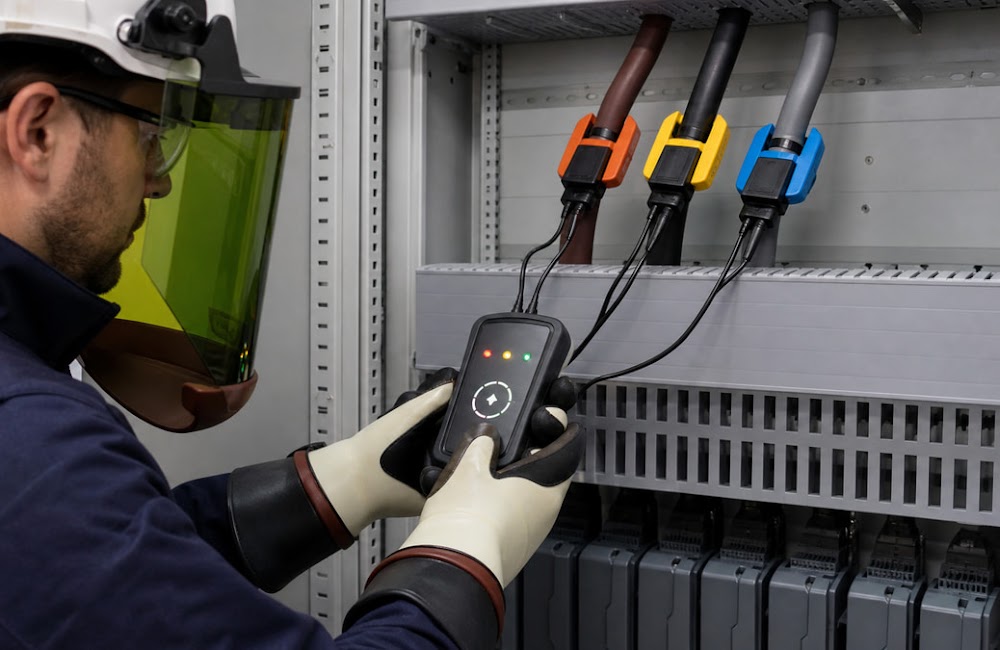
How a Phase Tester Works
The three-phase voltage status checker works by detecting the alternating current (AC) waveforms from all three wires. Based on the experience of the SCMA engineering team, the device analyzes the phase sequence direction to indicate whether it is correct according to standards or if there is a phase reversal connection.
Phase Sequence Analysis
When the probes of the Phase Tester are connected to the three wires, the device processes the phase angle to show the direction of rotation. If it shows clockwise (Clockwise) rotation, then the phase sequence is correct; however, if it rotates counterclockwise, there is a phase reversal.
Status Display
The phase sequence meter displays results through an LCD screen or status indicator lights, including clear directional arrows. Some models have an alert sound system to notify operators immediately when three-phase power issues are detected.
Phase Loss Detection
The system checks if there is voltage in all three wires. If one phase is missing, the status light for that phase will not illuminate. This function helps technicians quickly identify voltage drop or phase loss problems to prevent damage.
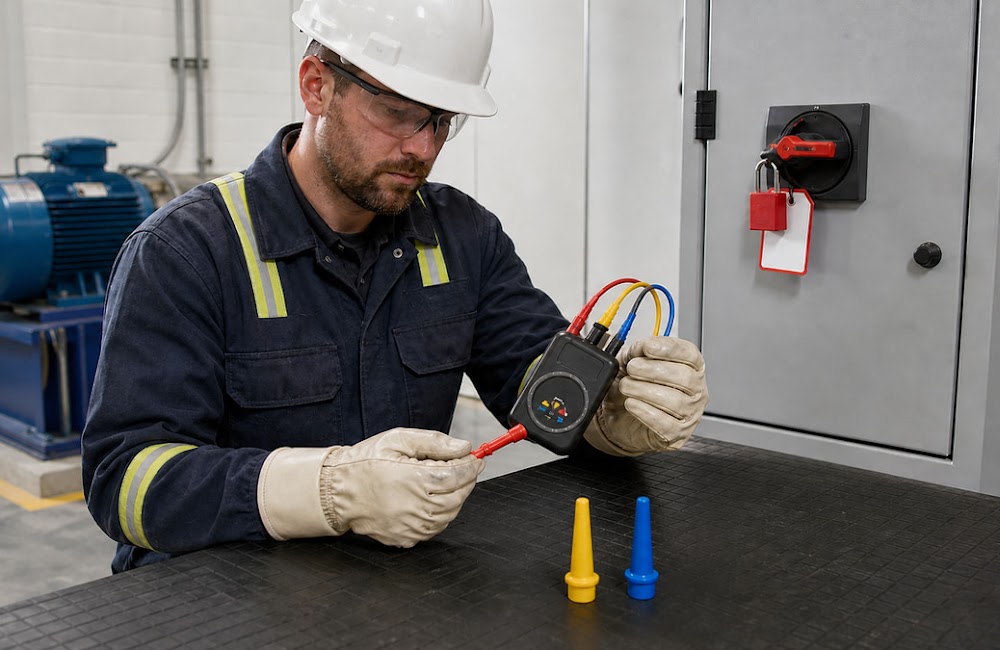
How many types of Phase Tester are there?
The phase sequence testers used in the industrial sector can be divided into three main categories based on their operating characteristics and technology. Selecting the appropriate electrical measuring instrument for a specific task greatly enhances safety during operation.
Contact Type (Contact Phase Indicator)
This type uses clamps to connect directly with 3-phase wires to check the phase sequence order. The device displays results through rotating discs or LED lights. A popular model among engineers is the KYORITSU 8030.
Non-Contact Type (Non-Contact Phase Indicator)
This type of phase sequence tester checks status via sensors without requiring users to strip wire insulation, offering a high level of convenience and effectively reducing risks from direct electrical contact.
Digital and Multi-function
These devices display real-time phase sequences clearly on an LCD screen. They can check for missing phases while accurately assessing motor rotation direction in one unit, meeting the needs of high-precision work requirements.
Maintenance of Phase Tester
Proper maintenance of measuring instruments will extend their lifespan and ensure the highest accuracy in measuring three-phase electrical values. The expert team recommends the following maintenance guidelines.
Cleaning the Device
A dry cloth or a slightly damp cloth should be used to clean the device along with the measurement leads immediately after use. A critical precaution is never to use corrosive cleaning agents to prevent surface damage.
Proper Battery Management
If the phase meter is not in use for an extended period, users should remove the battery from the device. This prevents battery degradation and chemical leakage that could damage internal circuitry.
Storage of Equipment
The electrical measuring tools should be stored in a prepared shockproof bag or box. Avoid placing equipment in areas with high humidity or extreme heat to maintain sensor integrity.
Checking Measurement Leads and Probes
Before each operation, check the probe tips and wires for any signs of damage such as cracks, wear, or rust buildup. If any issues are found, replace parts immediately for maximum operator safety.
Calibration
Users must have their equipment calibrated at specified intervals with a certified laboratory. Regular calibration ensures the accuracy and reliability of voltage measurements according to international standards.
Usage of Phase Tester
The usage of Phase Sequence Tester, or a phase sequence tester, plays an important role in checking the arrangement of electrical current. This tool helps determine whether the three-phase power sequence is correct before starting up machinery.
Checking Motor Rotation Direction
Using a phase sequence tester confirms correctness before powering electric motors, preventing water pumps or conveyor belts from reversing direction which could cause severe mechanical damage.
Avoiding Machinery Damage
Incorrectly connecting three-phase power can lead to the destruction of machinery, compressors, or air conditioning systems. This tool helps check connections (Terminals) accurately and safely since initial electrical system installation.
Checking for Missing Phase (Phase Loss)
Engineers can use it to determine if any phase in a three-phase power system is missing current. Checking this status is crucial for safety during operation. You can learn more about its importance from the article titled Phase Sequence.
Advantages of Phase Tester
The main advantage of a Phase Tester from quality brands is its ability to accurately check phase sequence and three-phase power status. This equipment prevents motors from reversing direction, reduces severe electrical damage, has compact size for easy use, comes with LED signal lights for status alerts, making it ideal for industrial and building electrical systems.
How to Choose a Phase Tester
Selecting a Phase Tester, or phase sequence tester, should primarily consider its functions that meet actual usage needs and safety systems. The following checklist is important:
- Voltage Range (Voltage Range): Ensure the meter supports the required voltage levels, typically covering 100V – 600V AC.
- Status Display (Display & Notification): Choose a model that clearly shows phase sequence with LED lights and buzzer sounds to make readings easier while on-site.
- Safety System: Use equipment with error prevention systems, made from durable materials, capable of dust and water resistance.
- Brand Reliability: Purchase from authorized dealers to ensure quality and clear warranty coverage throughout the product's lifespan.
- Metering Mode: Consider between contact or non-contact wire measurement (Non-Contact) based on each factory’s safety requirements.
Safety Precautions for Using a Phase Tester
Working with three-phase electrical systems carries high risks. Users must strictly adhere to safety regulations to prevent accidents. If additional equipment is needed, you can view All Products that meet standards. The following initial practices should be observed:
- Wear Personal Protective Equipment (PPE): Always wear electrical gloves and safety shoes before measuring three-phase current.
- Check the Condition of Tools Before Use: Do not use a Phase Tester if there are cracks on the device or probe wires are broken.
- Avoid Measuring Beyond Rated Voltage: Check the voltage range supported by the meter and do not measure beyond the specified limit.
- Avoid Wet Areas: Do not use phase sequence testers in areas with standing water unless the equipment has appropriate waterproof standards.
- Fully Follow User Manuals: Understand each model's user manual as different brands have specific requirements.
Summary
Phase Tester is an essential electrical measuring tool for technicians to check the correct and safe sequence of 3-phase power. If you are looking for a Phase Indicator of high quality, SCMA is pleased to provide consultation services along with calibration and maintenance by our team of expert engineers so that you can be confident in every operation.
If you want to buy a Phase Tester, you can purchase it from SCMA today!
Selecting an accurate Phase Tester helps reduce massive costs from damaged machinery. SCMA Co., Ltd. is the representative of leading global brands. We have Our Services, including design solutions and seminars, to meet your needs for phase sequence meters and all types of industrial tools, along with integrated after-sales services.
Frequently Asked Questions
Can a Phase Tester be used with single-phase household electricity?
This tool is designed specifically for 3-phase systems. It is not suitable for checking single-phase electrical systems in general residential homes.
Is a non-contact phase meter safer?
It is much safer because the sensor can detect voltage waves through insulated wires, so operators do not have to risk direct contact with live conductors.
What statuses do the LEDs on the device indicate?
The LED lights show the presence of voltage in each phase (L1, L2, L3) and also indicate the direction as correct (CW) or reversed (CCW).
How often should measuring tools be sent for calibration?
We recommend sending them to the laboratory for calibration at least once a year to maintain accuracy standards and extend the life of the equipment.
Does SCMA offer maintenance services for electrical measuring devices?
We provide comprehensive after-sales service with our team of expert technicians, handling both repairs and calibrations so that customers can be confident in every use.