

Have you ever wondered if your factory's residual current device (RCD) system is still functioning properly in the event of an electrical fault? Using an RCD Tester to perform an RCD Test is the only way to accurately answer this question and prevent electrical hazards. SCMA Company is ready to be your partner in providing high-efficiency industrial measurement tools. Reading this article will help you understand how it works, all the way to selecting the right tool according to safety standards.
What is an RCD Tester?
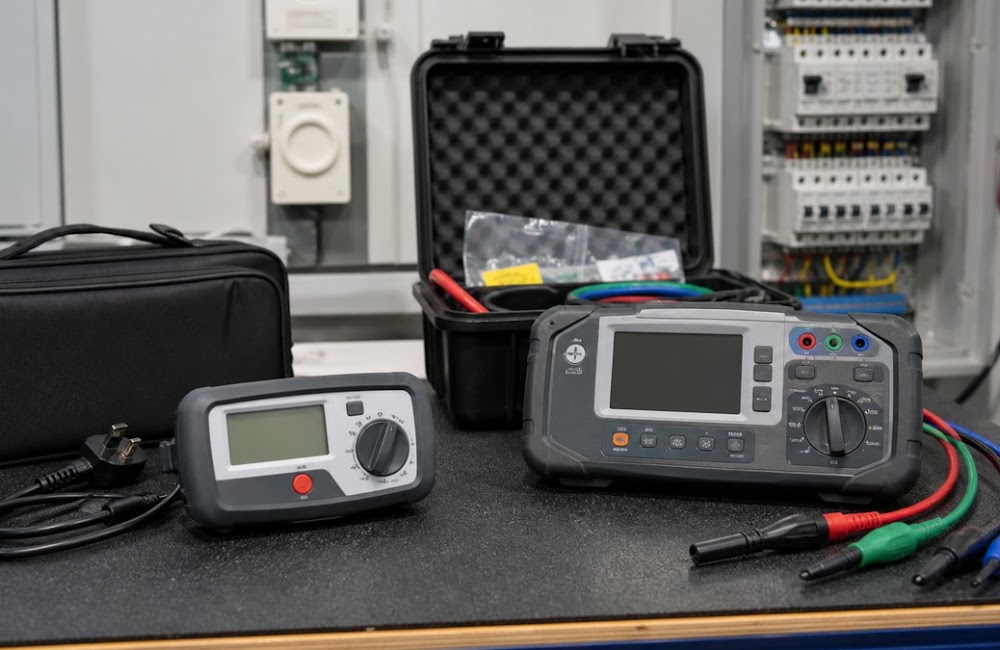
An RCD Tester is an electrical measuring tool designed to check the performance of residual current circuit breakers or earth leakage protection devices specifically. This device is used to simulate a fault condition to measure whether the disconnection time falls within safety standards. Performing regular RCD Tests is crucial for ensuring the safety of personnel and assets in industrial factories.
How an RCD Tester Works
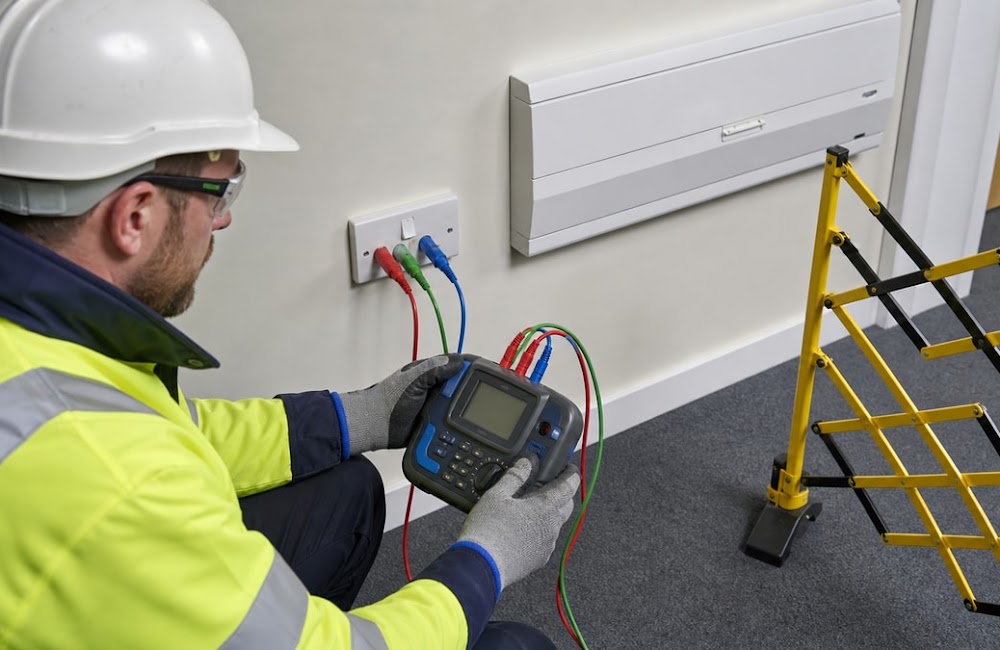
The operation of a residual current device (RCD) tester relies on simulating abnormal conditions in the electrical circuit. According to SCMA's engineering team, the process of conducting an RCD test is divided into several main steps as follows:
Trip Time Testing
This function simulates a specified amount of residual current entering the system to measure the response time of the breaker device. The testing must yield results in milliseconds to ensure that the circuit-breaking system operates quickly enough, which according to safety standards should cut off the circuit within 0.04 seconds.
Checking Electrical Wiring Integrity
The new model of measuring equipment has an LED system to alert on the wiring status in the socket system to prevent errors. Conducting an RCD test in this section helps confirm that there is no swapping between live, neutral, or earth wires. Technicians can immediately assess initial safety before starting deeper testing.
Multilevel Phase and Residual Current Testing
Users can adjust the range of residual current leakage to various levels to cover the specifications of each breaker model. The tool can simulate residual currents from a phase angle of 0 degrees up to 180 degrees to detect abnormalities in detail. Precise settings confirm that the circuit-breaking system is truly operational under all circumstances.
How many types of RCD Tester are there?
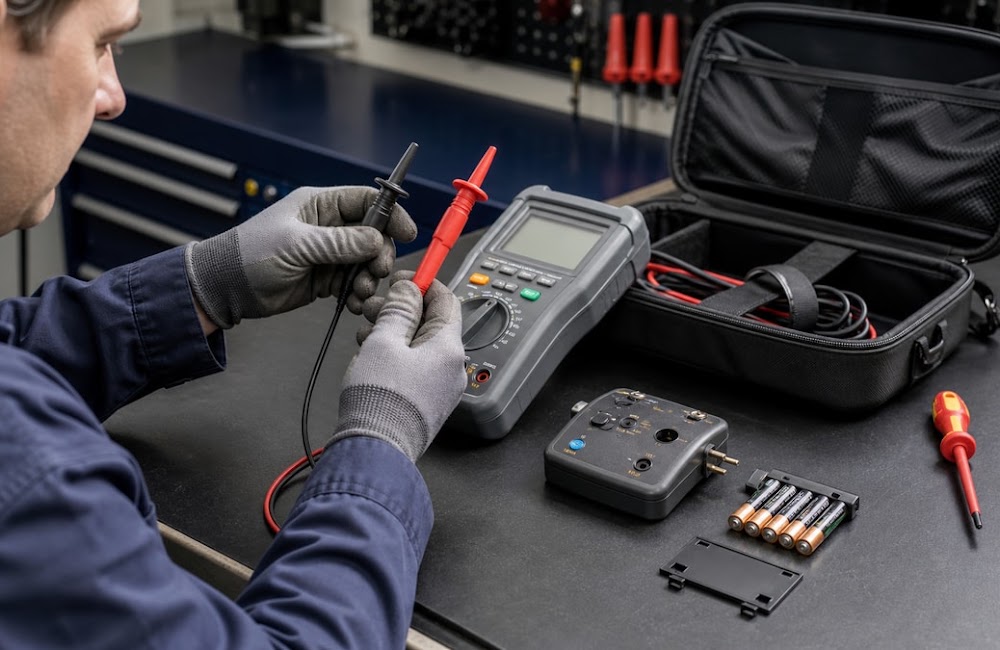
If we refer to the inventory from SCMA, we can divide this type of testing equipment into 2 main groups based on their usage characteristics. Using the correct tool for performing an RCD Test will greatly enhance the efficiency and convenience for maintenance technicians.
Standard RCD Tester
This type of device is designed specifically to check residual current circuit breakers and measure tripping times. The equipment is controlled by a microprocessor system that provides highly accurate measurements, supporting various types of circuit breaker tests according to international standards. It is ideal for electricians who need specialized tools that are lightweight and easy to carry.
Multifunction Tester
This type of equipment is a one-stop tool that integrates multiple important electrical measurement functions into a single device. You can use this machine to perform RCD tests, loop measurements, as well as insulation resistance testing comprehensively. Using multifunction tools reduces the burden of carrying multiple pieces of equipment and increases mobility on-site.
Maintenance of RCD Tester
Proper maintenance of measuring tools is crucial for extending their lifespan and maintaining the accuracy standards of results. Engineers from SCMA recommend a checklist for pre- and post-RCD Test equipment maintenance as follows:
Initial Function Check (Functional Check)
The user should press the test button on the device regularly to check the status of the internal circuit breaker system before actual use. If the device responds and immediately stops working, it indicates that the sensor processing system is still in good condition. This preliminary check helps prevent errors during measurements at the job site.
Cleaning the Device and Storage Methods
After completing the RCD Test, a soft cloth dampened with water should be used to wipe off dust or stains from the device. Absolutely refrain from using corrosive chemicals for cleaning to prevent damage to the display screen. The equipment should be stored in a dry carrying case or shockproof box to protect against moisture that could harm the circuit board.
Checking the Condition of Test Leads and Probes (Test Leads)
Maintenance technicians must carefully inspect the insulation of the test leads and probes before starting work. If any cracks, breaks, or exposed wires are found, stop using them immediately and replace with new ones. Using damaged test leads can cause measurement errors and pose a risk of electrical leakage to the operator.
Submitting Equipment for Calibration
Metering tools used in safety work must undergo annual calibration from a trusted laboratory. This step ensures that the current output during RCD Testing at all levels is accurate according to specified standards. SCMA offers meter calibration services to provide long-term assurance to customers.
Using an RCD Tester
The equipment used to test residual current devices (RCDs) is employed to confirm the effectiveness of ELCB breakers within building and factory electrical systems. Properly conducting an RCD Test will help simulate risk scenarios to observe the system's response.
Measuring Circuit Break Time
This step involves evaluating the speed at which a breaker can cut off electricity according to safety standards. The device records time from when residual current is released until the breaker trips. A quick response is crucial for preventing severe life-threatening electrical accidents.
Checking the Breaker's Sensitivity
The user must set the equipment to release test currents in milliamperes to check the accuracy of the breaker. This step confirms that the breaker can detect abnormal leakage current and trip according to the specified values on the product label. Conducting an RCD Test here helps filter out malfunctioning breakers from the system.
Analyzing Touch Voltage and Earth System
High-quality measuring tools can analyze the integrity of the earth system alongside detecting leakage voltage to ground. This function allows technicians to discover hidden faults in electrical wiring systems. Detailed analysis enhances maximum safety for personnel working closely with control panels.
Benefits of an RCD Tester
An RCD Tester is designed according to international standards for highly accurate electrical safety testing. The tool enables electricians to perform RCD Tests quickly without the need to rewire, allowing them to plug directly into outlets to check the efficiency of power supply systems confidently.
How to Choose an RCD Tester
When considering the purchase of an RCD Test device from SCMA, focus primarily on specifications that align with your factory's electrical system. Below is a checklist you should use to help decide on the best RCD Tester for your needs.
- Select a test current range that covers the size of circuit breakers in your system, such as 10mA to 500mA
- Ensure the device has a microprocessor system for accurate RCD Test processing
- Look for models that allow phase angle testing from 0 degrees up to 180 degrees for maximum safety
- Consider models with digital displays featuring backlighting for clear readings in dark environments
Safety Standards Related to RCD Tester
Working with electricity is high-risk, so users of RCD Testers must strictly adhere to safety standards. Safe RCD Testing requires both compliant equipment and the user's understanding.
- Inspect the condition of Residual current device visually before plugging in the tester each time
- The testing tool should meet safety standards at CAT III or CAT IV levels, depending on the nature of work
- Wear personal protective equipment when measuring voltage inside control panels
- Understand acceptable leakage current values as per legal requirements before analyzing results
Summary
In summary, an RCD Tester is an essential tool for checking the safety standards of residual current devices in all establishments. Regular RCD Testing helps reduce risks from electrical leaks to prevent serious accidents. If you are looking for a high-performance Current measuring device, the SCMA team is ready to provide consultation and offer precise, comprehensive solutions for your needs.
If you want to buy an RCD Tester, SCMA is now available!
Selecting a high-quality RCD Tester is the best investment for safety in your factory. SCMA is a leading importer and distributor of high-end electrical measuring instruments, trusted by engineers worldwide. You can browse our category of RCD Testers or inquire about our calibration and project solution services to ensure your RCD testing meets international standards.
Frequently Asked Questions
How often should an RCD Test be performed?
According to industry standards, system testing with measuring instruments should be done at least once a year. For the test button on the breaker, it is recommended to perform this regularly every month.
Can an RCD Tester measure earth loop resistance?
A standard tester cannot directly measure earth loop resistance; users must choose a multifunctional tester to cover both loop and earth measurements.
What units does the RCD Tester display results in?
The device displays results as the time taken by the breaker to cut off the circuit, measured in milliseconds (ms), along with leakage current values in milliamps (mA).
How is this type of equipment inspected?
For detailed information about system inspection and testing procedures, you can refer to Geya's article on What is RCD Testing.
Does SCMA offer a warranty service for measuring instruments?
SCMA provides product warranties and maintenance services from professional engineering teams. Additionally, we offer annual calibration services to ensure long-term reliable use.