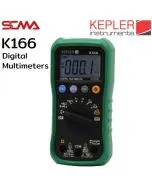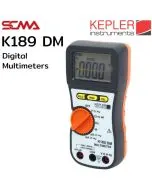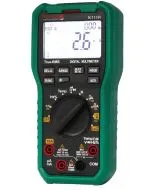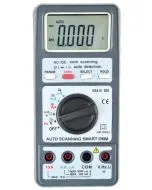
Are you facing issues with inaccurate electrical measurements that are affecting your production process? Digital Multimeter is a crucial tool that helps solve this problem. SCMA offers services for automatic system solutions and standard-compliant measuring tools. This article will delve into what this tool is, along with instructions on how to use it correctly to measure AC DC current to maximize efficiency.
What is a Digital Multimeter?
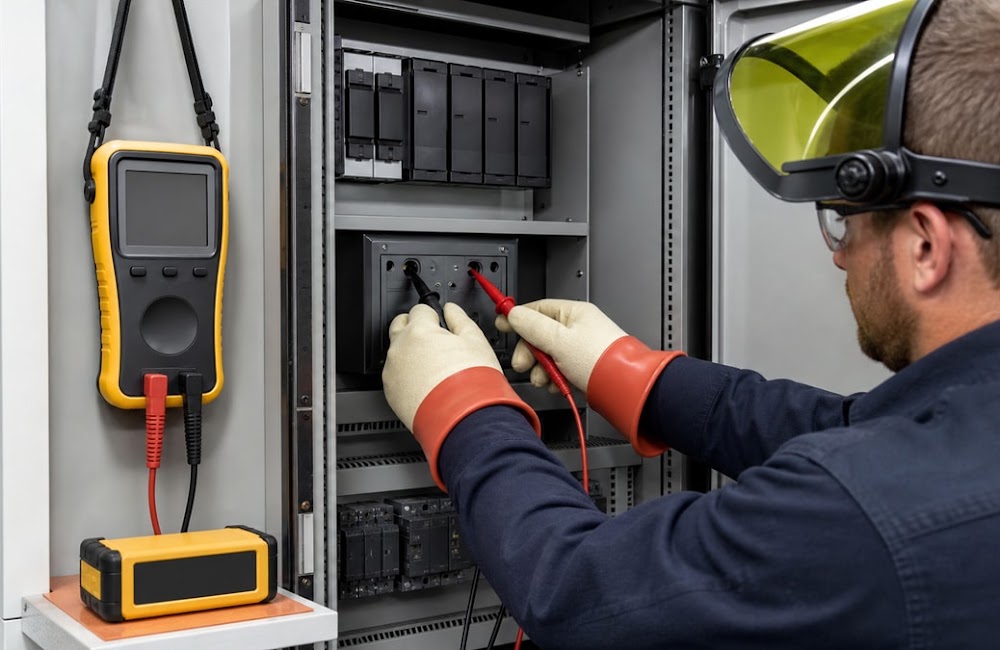
A Digital Multimeter is a versatile electrical parameter measuring device that displays digital numerical results with high accuracy. This tool primarily measures voltage, current, and resistance, integrating the capabilities of voltmeters, ammeters, and ohmmeters into one complete Digital Multimeter.
How a Digital Multimeter Works
Understanding the working principles of a multimeter is crucial for analyzing electrical systems. From SCMA's engineering team experience, it has been found that having a deep understanding of its internal workings helps technicians accurately assess measurement errors.
Signal Conversion and Display
The device functions to convert analog electrical signals into digital signals through an A/D Converter circuit, then clearly displays the results as numbers on the LCD screen. This processing method makes it easier for users to read values and ensures safety during operation.
1. Measuring Voltage (Voltage)
The principle of voltage measurement involves connecting the multimeter in parallel with the test point. An internal voltage divider circuit adjusts the current level to a safe range before converting it into digital values. This function supports comprehensive AC and DC voltage measurements.
2. Measuring Current (Current)
To measure current, the multimeter must be connected in series with the circuit so that the current flows through the device. An internal shunt resistor converts the current into a voltage drop across it, allowing the processor to calculate the correct value.
3. Measuring Resistance and Additional Functions
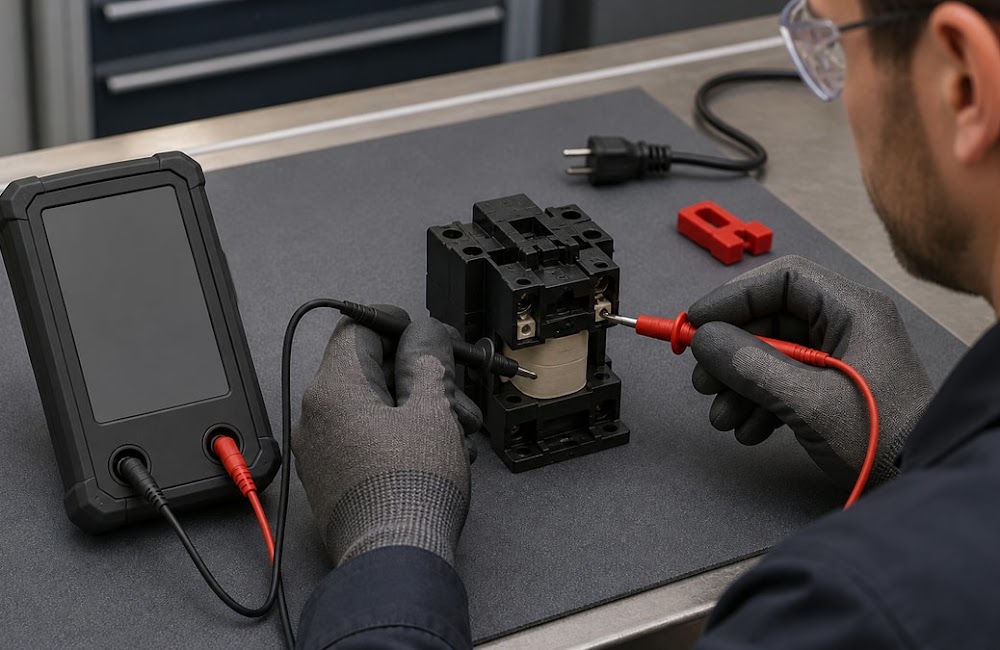
To measure resistance, the multimeter sends a weak current from its battery to the component according to Ohm's law for calculation purposes. Additionally, there is a continuity test function that emits an audible alert when the circuit is connected, as well as diode testing commonly used in factories.
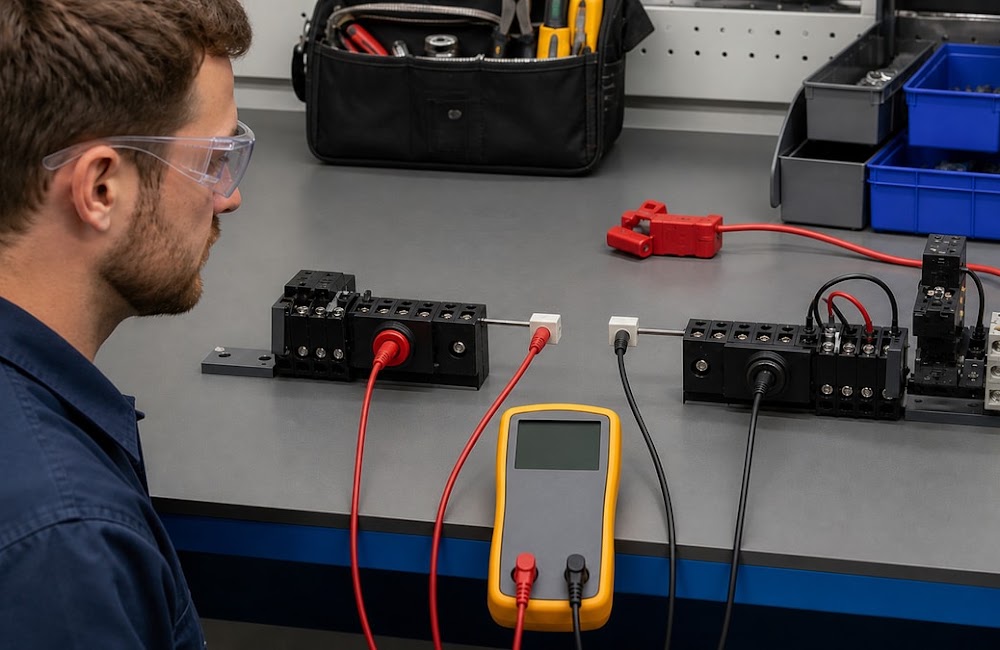
How many types of Digital Multimeter are there?
Selecting the type of Digital Multimeter that matches the nature of work helps reduce measurement errors. Industrial equipment is divided into 2 main types to cater to different usage scenarios.
Auto-Range Type
The Auto-Range type multimeter is a model where the device calculates and selects the appropriate measurement range itself. The user only needs to select the desired measurement mode. This system increases work efficiency, suitable for professional technicians who require flexibility.
Manual-Range Type
This type of equipment requires users to manually rotate and select the desired measurement range according to the scale specified. This usage is ideal for tasks where the operator already knows approximately what the current value will be, requiring high precision in testing.
Maintenance of Digital Multimeter
In the case studies we have conducted, proper maintenance can extend the lifespan of a digital multimeter by several years. The following steps are a checklist for equipment care provided by expert engineers.
1. Cleaning
Users should clean the device with a dry cloth or a slightly damp one only. Caution must be taken not to use corrosive chemicals or solvents. Regularly dusting off the contact points helps prevent resistance measurement errors.
2. Battery and Fuse Care
If the multimeter is not in use for an extended period, it's advisable to remove the batteries to prevent chemical leakage that could corrode circuit boards. Operators must frequently check internal fuses to prevent overcurrent damage.
3. Storage
The equipment should be stored in a dedicated box or bag in areas with normal temperature and humidity levels. Users must avoid storing it in places with high magnetic fields or severe vibrations, as these can cause internal electronic components to malfunction.
4. Pre- and Post-use Inspection
Before each operation, check the condition of the measuring leads for breaks, ensure that the connectors are not loose, and verify that there are no cracks in the insulation. The measurement range should always be set higher than expected values to prevent meter damage during testing.
5. Calibration
Electrical measuring instruments should undergo accuracy calibration at least once a year according to industry standards. SCMA offers calibration services for tools, ensuring customers' confidence in the precision of every measurement result.
Using a Digital Multimeter
The initial step in using a multimeter involves inserting the black probe into the COM port and the red probe into the designated port. If unsure about the exact value, it's advisable to set the range selector switch to the highest setting first.
Measuring Voltage
Rotate the switch to the V symbol for alternating current or direct current as needed. Touch both probes parallel to the points in the circuit that need measurement; the display will accurately show AC and DC voltage readings.
Measuring Resistance
Turn the switch to the ohm (Ω) symbol to start the test mode. Place the probes across the component or wire you wish to measure. A critical rule is that measurements must be taken when there's no current flowing in the circuit.
Measuring Current
To measure current, rotate the switch to the A symbol and select the correct type of current. The user needs to connect the probes in series with the circuit so that the current flows through the multimeter before displaying the result.
Testing Continuity
Select the diode or speaker icon on the switch to check for broken wires. Touch both ends of the wire you wish to test with the probes; the device will beep when the wire is fully connected.
Advantages of a Digital Multimeter
A digital multimeter stands out due to its use of microprocessors, offering higher accuracy than needle meters. The clear numeric display reduces reading errors and helps in diagnosing issues safely. This tool can measure electrical parameters comprehensively in one device, aiding engineers in troubleshooting efficiently.
How to Choose a Digital Multimeter
If you are wondering which model of Digital Multimeter is suitable for your work, considering factors such as usage patterns and safety standards is important. We recommend the Guide to Choosing a Multimeter for further information, with the following evaluation criteria:
- Type of Work: General maintenance work requires measuring voltage, current, and resistance. For industrial use, choose models that can withstand high voltages.
- Safety Standards: Check the appropriate CAT Rating level, such as CAT III for factory work. Choose a model with overcurrent protection systems.
- Meter Functions: Consider the need to measure AC DC voltage, frequency, capacitance, or temperature according to job requirements.
- Precision: The device must have high accuracy and the display should be detailed enough for recording purposes.
- Durability: Equipment must withstand on-site working conditions, dustproof, and impact-resistant.
5 Reasons to Use Measuring Instruments from SCMA
Selecting high-quality equipment is a key factor in production success. Here are the reasons why leading factories trust our electricity measurement and analysis tools:
- Selective Technology: We gather top-tier multimeter brands recognized in the industry.
- High Precision: Equipment provides accurate results, significantly reducing errors in production processes.
- Comprehensive Service: Our team of engineers is ready to consult and advise on usage, covering after-sales services.
- In-Stock Inventory Ready for Shipping: Products are stored in standardized systems and delivered quickly to customers.
- International Standards: All Digital Multimeter models pass safety certifications, protecting users from electrical accidents.
Summary
This article should help answer the question of what a Digital Multimeter is, along with its basic operating principles. A Digital Multimeter is an essential tool for ensuring stable operation of electrical systems. If you are looking for high-quality multimeters or need consultation on automation systems SCMA is happy to provide expert services.
If you want to buy a Digital Multimeter, SCMA has them available today!
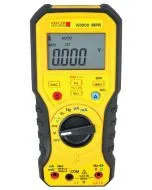
Selecting non-standard measuring tools may cause severe damage to your factory's electrical systems. Investing in high-quality Digital Multimeters is the most worthwhile risk prevention measure. SCMA recommends models such as KEPLER K111R, along with services for comprehensive automation system design solutions by expert engineers.
Frequently Asked Questions
1. Can a Digital Multimeter measure AC and DC power?
The device can measure both alternating current (AC) and direct current (DC). Users just need to switch the mode correctly before measuring.
2. What happens if you measure the wrong mode of electrical current?
The tool may short-circuit causing an internal fuse to blow, with protection systems cutting off operation to prevent main circuit damage.
3. How often should measuring tools be calibrated?
We recommend sending them for standard calibration at least once a year to maintain measurement accuracy according to industry standards.
4. What is the difference between Auto-Range and Manual-Range meters?
The Auto-Range type automatically finds the measuring range, while the Manual-Range type requires users to manually adjust the number settings themselves.
5. What is the COM port on a meter used for?
The COM (Common) port is always used for black measurement wires as a reference or ground point in all types of electrical measurements.