Object detection sensors are crucial devices in the modernindustrialsector, especially as automation is rapidly growing. These sensors serve as the sensory organs of machines, enabling automated systems to detect and respond accurately to objects or environments. In this article, we will introduce you in detail to this interesting technology.
What are object detection sensors?
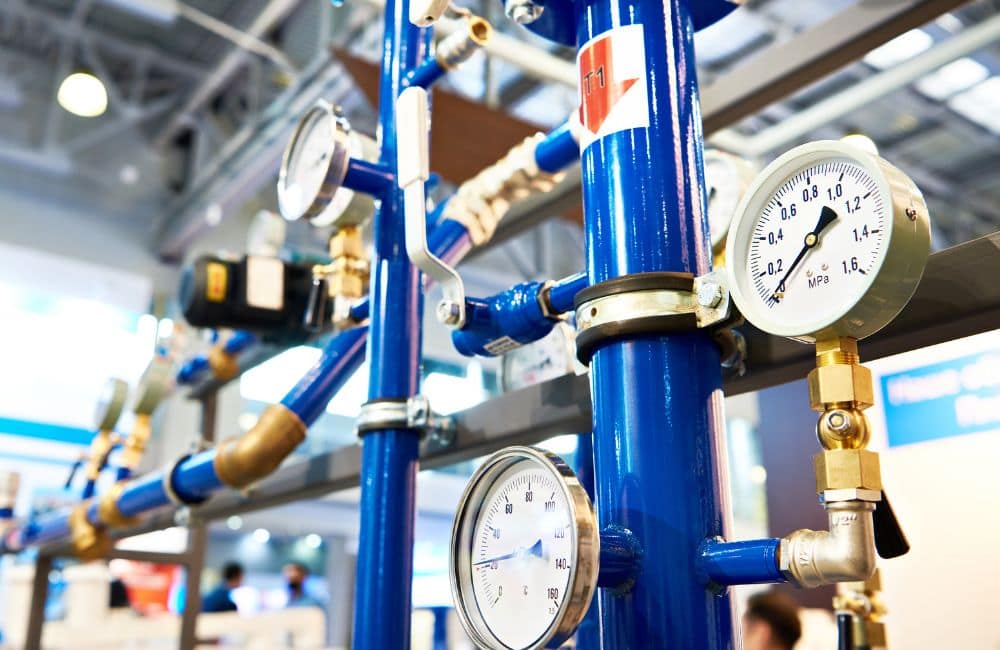
Object detection sensors are non-contact devices that can accurately identify the position and movement of objects. By operating without physical contact, they can determine the location of an object or detect whether a specific object has entered a designated area through various signals such as light, sound waves, or magnetic fields. These sensors are widely used in industrial sectors ranging from automotive manufacturing to consumer electronics like smartphones and tablets, including food processing and packaging, security systems.
How does an object detection sensor work?
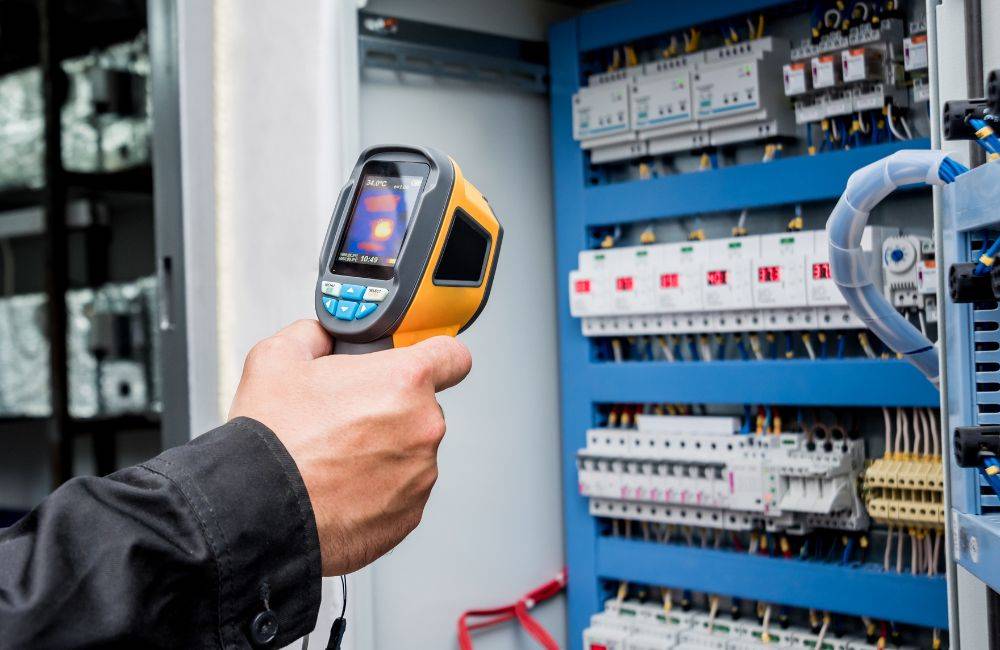
An object detection sensor works by measuring the physical properties of the objects to be detected, such as changes in light, density, pressure, or temperature, and movement of the target object. When the sensor detects these changes, it converts the physical signal into an electrical signal or a format that can be processed by a control system. With this working principle, the sensor can accurately detect and report the status of objects efficiently without direct contact with the objects.
What types of object detection sensors are there?

There are various types of object detection sensors, each with different characteristics and applications. Some types rely on direct contact, while others use environmental changes to detect objects. The choice depends on the suitability for specific applications. The main types of Object Detection Sensors include:
- Proximity Sensor: A sensor designed to detect metal objects without contact, using magnetic fields, electric fields, or other signals to check targets. Suitable for industrial applications requiring high accuracy.
- Infrared (IR) Sensor: A sensor that uses infrared light to detect objects, divided into IR Reflective Sensors which detect reflected light and IR Proximity Sensors which measure distance from an object based on changes in light intensity. Commonly used in automation and general electronic devices.
- Optical Sensor: A sensor that uses light to detect objects, including laser technology. Suitable for high-precision detection over long distances.
- Motion Sensor: A sensor that detects objects through movement, shaking, rotation, or tilting of the object. Widely used in security systems and automatic control systems.
- Ultrasonic Sensor: A sensor that uses high-frequency sound waves to measure distance from an object, calculating the time it takes for the sound wave to hit and bounce back off the object. Suitable for measuring distances and detecting objects in dark environments.
- Pressure Sensor: A sensor used to measure various types of pressure, including air pressure, liquid pressure, and touch force. Widely used in industrial control systems and medical applications.
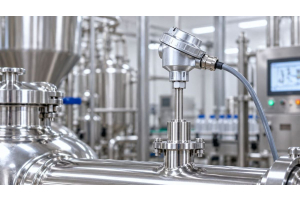
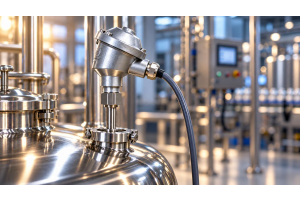
- Temperature Sensor: A sensor that measures temperature for monitoring and controlling temperatures in various processes. Important in industrial sensors and environmental control systems.
- Magnetic Sensor: A sensor used to detect magnetic fields and measure magnetic force, important in navigation devices and position detection systems.
- Gas Sensor: A sensor for measuring gas concentration in the air. Important for safety and pollution control.
Object Detection Sensors for Industrial and Manufacturing Applications

Object detection sensors are a crucial component in modern manufacturing systems that focus on automation and efficiency. Using sensors in the production process enhances accuracy, safety, and product quality by being applicable across various aspects of industrial manufacturing as follows:
Automated Manufacturing
Object detection sensors are used in automated manufacturing processes to control the operation of machinery and automation systems, such as using light intensity sensors to check product quality on production lines or temperature sensors in automatic food preparation processes.
Production Process Control
Using sensors in industrial process control helps maintain consistent standards and quality of products through measurement and control of critical factors such as pressure, temperature, and humidity. This enables the production of consistently high-quality goods and reduces waste in the manufacturing process.
Workplace Safety
Sensors are a vital component of safety systems in industrial plants by detecting hazardous conditions such as excessive heat in machinery, chemical leaks, or approaching dangerous areas. This helps prevent accidents and create a safe working environment.
Air and Environmental Management
Installing sensors to measure air quality and environmental conditions in factories allows for appropriate control and improvement of the work environment. The system automatically adjusts the operation of ventilation systems and pollution controls based on measured values.
If you are interested in object detection sensors, contact SCMA today!
Enhance your production efficiency with high-quality object detection sensors from SCMA! We have a team of experts ready to consult and recommend the best solutions tailored to your specific business needs. With extensive experience in the industry, we curate top-notch products from leading global brands, along withafter-sales servicesthat provide comprehensive coverage and assurance. Our professional technical team is available 24/7 to support your production system, ensuring smooth and optimal operation. Contact SCMA today to discover the right solutions for your business!
Summary
Object detection sensors are a crucial technology in modern industry, with their ability to detect objects without contact enhancing production efficiency and safety effectively. This technology comes in various types, from proximity sensors for metal detection, infrared light sensors, to ultrasonic sensors for distance measurement, each type having unique features suitable for different applications.
Applying sensors in industry can help improve production in many aspects, including quality control, safety enhancement, and environmental managementSCMA understands the importance of selecting appropriate sensors for specific business needs. We are ready to consult and offer comprehensive solutions, along with reassuring after-sales services. Contact SCMA today to elevate your production system to new industry 4.0 standards.
Frequently Asked Questions
Frequently asked questions about object detection sensors usually relate to basic functionality, types, and applications. We have compiled the most frequently asked customer questions along with easy-to-understand explanations to help you better understand sensor technology.
What is a Sensor Device?
A sensor device measures various physical quantities and converts them into electrical signals for transmission to control systems. It can detect movement, position, temperature, light, and more, enabling machines to perceive and respond to their environment.
How does an Inductive Proximity Sensor work?
An inductive proximity sensor uses electromagnetic field principles to detect metallic objects. It generates a high-frequency electromagnetic field, and when a metal object enters the detection area, it causes changes in the magnetic field, allowing the sensor to detect the presence of an object.
How does an IR Sensor work?
An IR sensor works by emitting infrared light and detecting reflected light. When an object is within the detection range, the light reflects back to the receiver, signaling that there is an object present. The intensity of the reflected light indicates the distance of the object.
How many types of Sensors are there?
There are several main types of sensors:
- Inductive Sensors for detecting metal objects
- Capacitive Sensors for detecting both metallic and non-metallic objects
- Photoelectric Sensors for detecting objects with light
- Ultrasonic Sensors for measuring distance
- Magnetic Sensors for detecting magnetic fields
Each type has different characteristics and applications suitable for specific tasks.