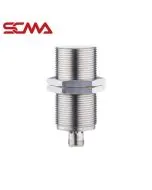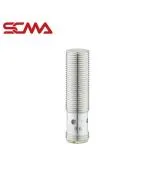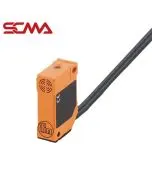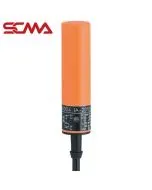
Metal detectors (Proximity Sensor) are one of the important devices that help increase efficiency in production processes andautomation systems. With the ability to detect metal objects without physical contact, this device has become widely popular in factories around the world.
What is a Metal Detector (Proximity Sensor)?
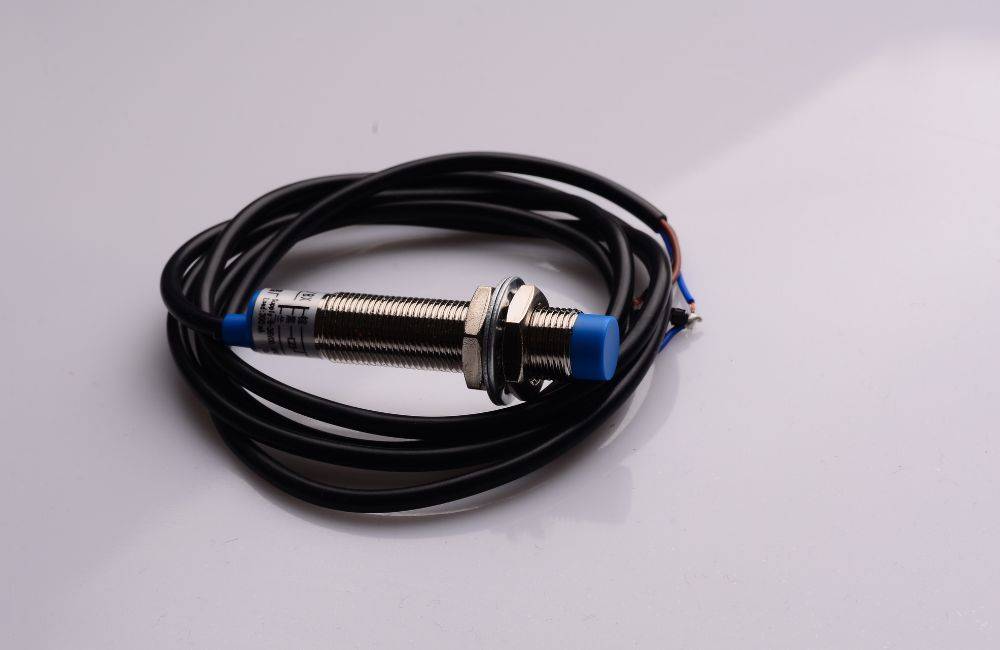
A proximity sensor is a component designed to detect metal or objects without physical contact, using electromagnetic principles to detect objects. This makes it suitable for use with delicate or easily breakable items. Due to the lack of direct mechanical contact, these sensors have a long lifespan and reduce wear on equipment, making them popular in industries that require high precision.
What are Proximity Switches?
Proximity switches work in conjunction with proximity sensors to control the on-off circuit when an object is detected within a specified range. This automatic operation increases efficiency in production systems, thanks to its accuracy and quick response time, making it an essential part of automated control systems. Additionally, it helps reduce errors that may occur from human control.
How a Proximity Sensor Works
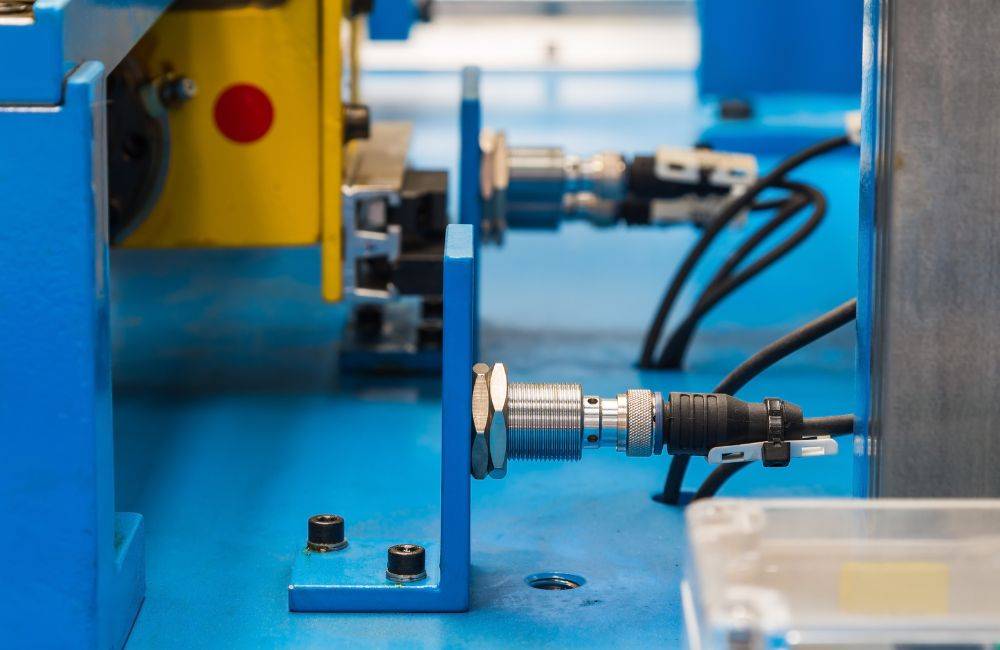
A proximity sensor is an electronic device designed to detect objects without direct contact, utilizing the principle of electromagnetic field induction in front of the unit. When the sensor comes close to a target object, it emits control signals. With its fast and accurate detection capabilities, it is ideal for use in industries requiring high precision such as detecting defective parts, counting items, or measuring liquid levels. Additionally, it has robust environmental resistance against heat, impact, and scratches, resulting in long-lasting durability and various models to choose from based on specific application needs.
Components of Inductive Proximity Sensor
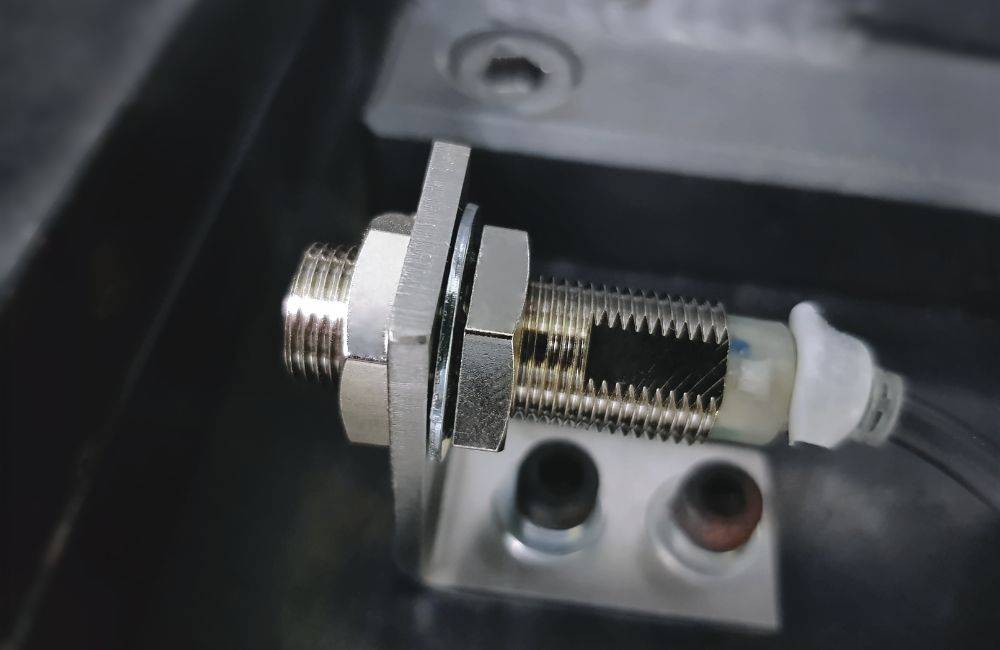
An Inductive Proximity Sensor consists of major components that work together as a system. Each component has a specific and important role in detecting objects, enabling the sensor to operate accurately and efficiently.
Coil
The coil is a wire winding that creates a high-frequency electromagnetic field at the front of the sensor. When a metallic object moves into this magnetic field area, the coil detects changes and sends signals to the processing circuit.
Trigger
The trigger is a processing circuit that analyzes changes in the electromagnetic field. It decides whether to send control signals to the output based on predefined criteria.
Amplifier
The amplifier is a signal amplification circuit that receives change values from induction and boosts the signal strength for accurate processing in subsequent steps.
Oscillator
The oscillator is a frequency generation circuit that sends electrical signals to the coil. It controls the frequency of the electromagnetic field, keeping it constant and suitable for detecting different types of objects.
Output Driver
The output driver is the final circuit that converts control signals into standard outputs. This allows efficient connection and operation with other control devices such as PLCs or relays.
How to Use Proximity Sensors?
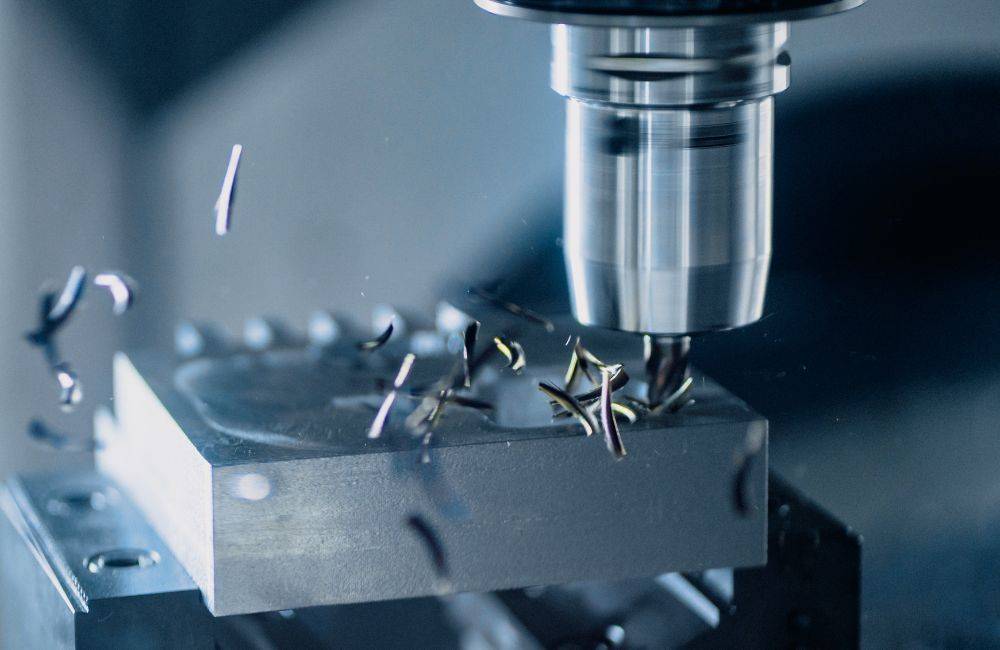
Proximity sensors are versatile devices that can operate in challenging environments, from as low as -40 degrees Celsius to as high as 180 degrees Celsius. Additionally, they can function in wet and oily conditions, which is an advantage over other types of sensors.
Main uses of proximity sensors:
- Position detection: Used to identify the position of objects in production lines, helping to control automated systems accurately.
- Transportation and logistics: Used for tracking and controlling the movement of goods in transportation systems, enhancing supply chain management efficiency.
- Quality control: Used to check product completeness, measure dimensions, and detect defects.
- Agriculture: Used in automatic control systems for agriculture such as automated irrigation or controlling equipment in greenhouses.
- Food industry: Used in food production and processing, especially where accuracy and cleanliness are required.
Ability to detect various materials:
- Capacitive sensor: Detects metal, liquids, water, resin, and powdered materials.
- Inductive sensor: Used to detect all types of metals such as aluminum, copper, brass, and steel.
- Magnetic sensor: Specifically designed for detecting magnetic materials.
How many types of metal detectors are there?
Proximity Sensor has how many types Proximity sensors come in several types, each designed to meet different application requirements. When selecting a sensor, factors such as the environment, type of material to be detected, detection range, and response speed must be considered.
Capacitive proximity sensor
This type of sensor works based on changes in capacitance values. It is suitable for detecting non-metallic materials and close-range applications, capable of detecting both metallic materials, liquids, water, resin, and powdered substances. However, environmental interference from nearby sensors and the impact of ambient temperature should be considered. Selection factors include structure, output type, detection range, and IP rating.
Magnetic object detection proximity sensor
This sensor is specifically designed for detecting magnetic (ferromagnetic) materials using a magnetic field. It has high response speed and is suitable for quickly moving objects. Selection factors include magnetic sensitivity, installation position, and frequency of state changes.
Inductive proximity sensor
This type of sensor works based on electromagnetic induction principles, consisting of an iron core and a coil that generates an electromagnetic field. It can operate in hazardous environments but should be installed away from other sensors and unrelated metallic objects. Selection factors include detection range, frequency of state changes, and protection level.
If you are interested in metal detection sensors, contact SCMA today!
SCMA is ready to provide high-quality metal detection sensor services that meet the needs of every industrial sector. With extensive experience in consulting and distributing metal detection sensors, we are confident that we can help you choose the best products for your business.
Our team of experts is ready to provide advice on selecting the appropriate magnetic sensor for your specific application needs. Whether it's production line inspection, quality control, or various automation systems, we offer a wide range of products including capacitive sensors, ultrasonic sensors, inductive sensors, and magnetic sensors.
In addition, we also provide comprehensive after-sales service with technical support and maintenance throughout the product's lifespan. Contact SCMA today to receive consultation and special offers for your business.
Summary
Metal detectors or Proximity Sensors are crucial components in modern industrial systems that enhance efficiency and accuracy in production processes. With the ability to detect objects without physical contact, they can be used with delicate materials and reduce potential damage during manufacturing.
Each type of sensor, whether capacitive, ultrasonic, inductive, or magnetic, has its unique strengths and specific applications. Careful consideration must be given to various factors when selecting a sensor, including the working environment, material types to detect, as well as response speed and accuracy.
SCMA understands the importance of choosing the right sensor and is ready to provide consultation to help you select products that best meet your needs. With an experienced team of experts and comprehensive after-sales service, we are committed to being a partner in elevating the production efficiency of your business to new heights.
Frequently Asked Questions
We have compiled a list of frequently asked questions by customers regarding metal detectors and their usage to help you understand the basics and select products that meet your needs.
What is a Metal Detector Sensor?
What is a proximity sensor? A metal detector sensor is an electronic device that uses electromagnetic induction to detect metallic objects without physical contact. It enhances efficiency in manufacturing processes and various automation systems.
What is an ITP Sensor?
An ITP (Inductive Threaded Proximity) sensor is a specialized inductive sensor with threads for installation, designed for industrial applications requiring robust and stable mounting.
What are Sensors? How many types are there?
What kinds of proximity sensors are there? They are devices that detect or measure physical changes and convert them into electrical signals. They come in various types based on their usage, such as capacitive metal detection sensors, inductive metal detection sensors, and magnetic sensors.
What is a Object Detection Sensor?
An object detection sensor is a device that detects the presence or movement of objects without physical contact. It can be used in automatic control systems, quality inspection, and counting in production lines.