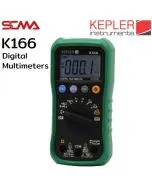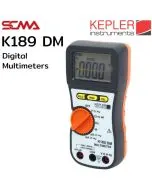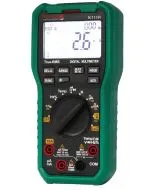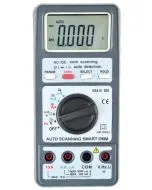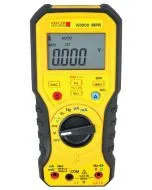

Multimeters, also known in Thai as "มัลติมิเตอร์", are versatile electrical measuring tools that combine the ability to measure multiple electrical values into a single device. They are thereforeimportant equipmentfor electricians, engineers, and anyone working with electrical systems, whether it be repairing electronic devices, installing electrical systems, or checking various circuits for safety and efficiency in work.
What is a Multimeter?
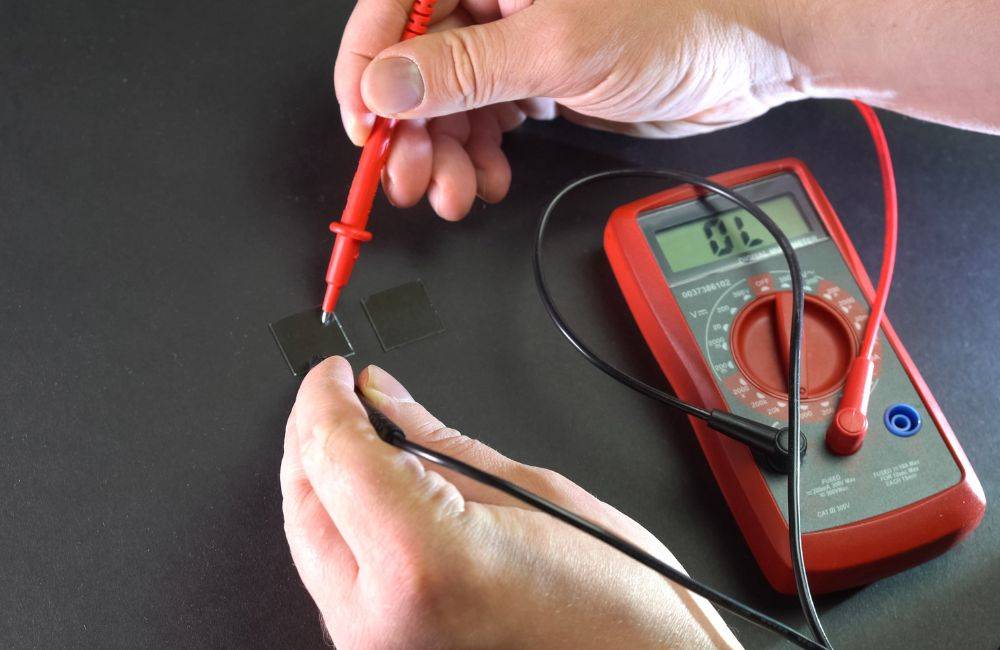
A multimeter (also known as a volt-ohmmeter or VOM) is an instrument that can measure several electrical properties. A typical multimeter can measure voltage, resistance, and current, which in this case can be used as a voltmeter, ohmmeter, and ammeter respectively, allowing users to measure various electrical values with just one device.
Types of Electrical Measuring Meters - Digital
Digital multimeters are primarily divided into two types based on their usage:
- Automatic Ranging Digital Multimeter (Auto-ranging) - It has automatic range adjustment. The user only needs to select the type of measurement (voltage, current, or resistance), and the device will automatically choose an appropriate range. This allows for automatic measurement from the lowest to the highest value supported by the instrument.
- Manual Ranging Digital Multimeter - The user must select an appropriate range for the measurement they want. If selected incorrectly, the device may not display a value or show incorrect values. Its usage is similar to analog multimeters but displays digital numbers.
Multimeters are essential tools for electricians, electronics engineers, and anyone working with electrical circuits. They help in checking, analyzing, and troubleshooting issues in electrical systems and electronic devices efficiently.
WHAT CAN MULTIMETERS MEASURE?
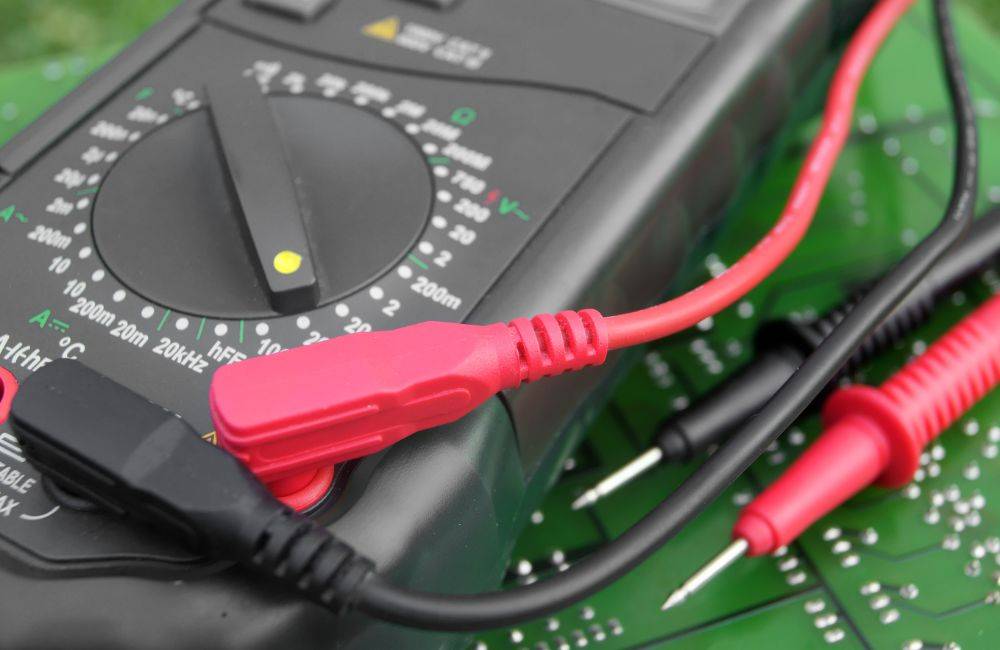
MULTIMETER is a versatile measuring tool that can measure various electrical quantities, but it measures one parameter at a time. The basic functions important for the initial use of multimeters are as follows:
- Measuring Direct Current Voltage (DC Voltage): It can measure voltage in direct current circuits, such as batteries, adapters, and various electronic devices that use DC power. Select the switch position to mode V⎓ or DCV and choose an appropriate measurement range.
- Measuring Alternating Current Voltage (AC Voltage): It is used to measure voltage in household electrical systems, building electricity, industrial plants, or devices that use AC power. Select the switch position to mode V~ or ACV and choose an appropriate measurement range for the desired voltage.
- Measuring Resistance: It is used to check resistance in various devices such as resistors, light bulbs, and wires. Select the switch position to mode Ω or OHM.
How Multimeters Work
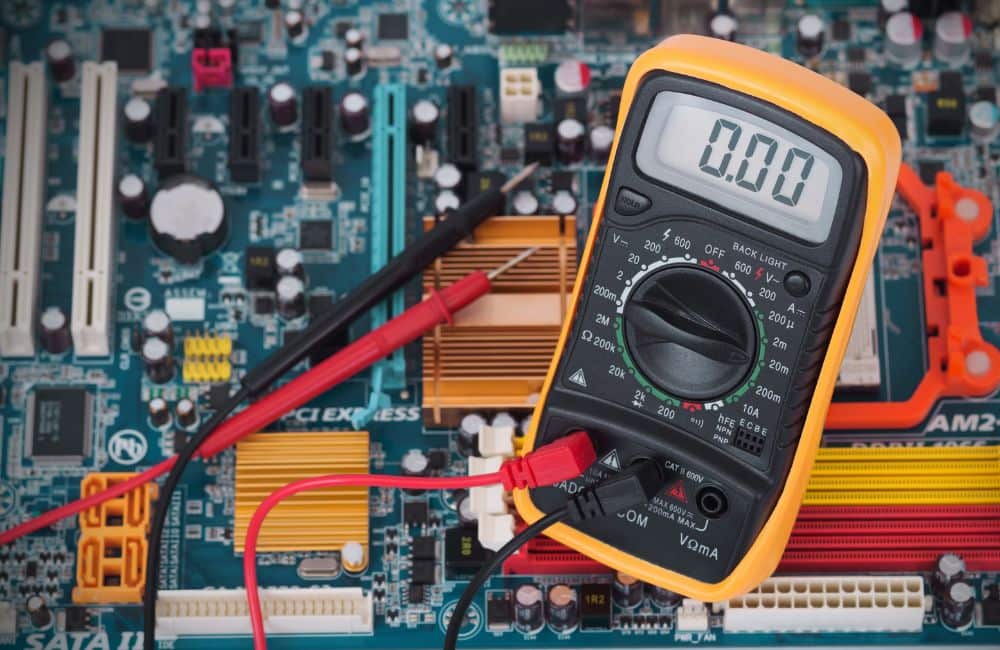
Multimeters evolved from galvanometers, which operate on the principle that when an electric current flows through a coil, it generates an electromagnetic field causing a needle attached to it to move according to the measured value. Currently, multimeters are primarily of two types: analog (Analog) and digital (Digital).
Differences in Working Principles
- Analog Multimeter:
- Electric quantity → Mechanical quantity → Needle movement to display value
- Converts electric quantities into mechanical force to drive the needle on the dial.
- Digital Multimeter:
- Electric quantity → Digital signal circuit → Displays as numbers.
- Converts electric quantities through an analog-to-digital converter (ADC) circuit.
Multimeters can measure both direct current (DC) and alternating current (AC). However, for measuring AC with harmonics or other frequencies mixed in, a mean-type multimeter may provide inaccurate readings. Therefore, it is advisable to use a true RMS multimeter, which can more accurately measure signals with harmonics, especially when measuring equipment such as Inverter Control, Thyristor, or energy-saving devices that often cause harmonic distortion in the electrical system.
What are the types of multimeters? What are their differences?
Multimeters can be categorized into two main types based on their display method: Analog Multimeters and Digital Multimeters. They have different features and advantages as follows:
Digital Multimeter
Digital multimeters that display numerical results can be divided into two types:
- Handheld Digital Multimeters
- Compact and portable size
- Suitable for field work
- Uses batteries as power source
- Equipped with basic functions
- Bench Type Digital Multimeters
- Large display screen, capable of displaying multiple digits
- Higher accuracy than handheld models
- Suitable for laboratory work
- Equipped with advanced functions
Analog Multimeter
Needle-display multimeters have the following features and limitations:
- Accuracy
- Digital: High accuracy with microprocessor-based processing systems
- Analog: Accuracy may decrease due to external factors and wear of the mechanism
- Reading Values
- Digital: Displays clear numerical values, easy to read, reduces reading errors
- Analog: Requires estimation from the needle position, may lead to inaccuracies
- Connection and Data Storage
- Digital:
- Connects to a computer via USB
- Records and analyzes data
- Controlled through software
- Supports automatic operation
- Analog: No connection or data storage system
Common Symbols and Letters on a Multimeter
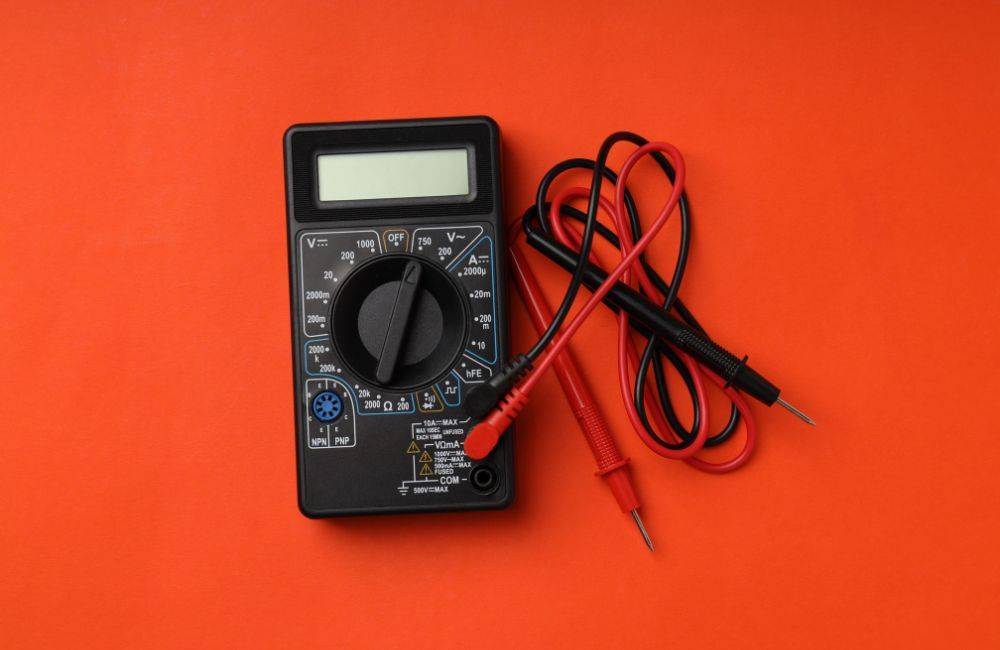
Understanding the symbols and letters on a multimeter is crucial for its proper and safe use. Each symbol has a specific meaning indicating the function of the multimeter. Here are some common symbols found on multimeters:
- Ω (Ohm): For measuring electrical resistance in circuits
- VDC (Voltage Direct Current): Used to measure direct current voltage
- VAC (Voltage Alternating Current): Used to measure alternating current voltage
- Output: Port for measuring output signals
- COM (Common) or (-): Black probe port, reference point or negative terminal
- MEASURING TERMINAL or (+): Red probe port, positive terminal for various measurements
If you are interested in multimeters, contact SCMA today!
SCMA is a distributor of high-quality multimeters from leading brands. Whether you need a general-purpose multimeter or an industrial-grade multimeter with high precision, we have products that meet your needs. Our team of experts is ready toprovide consultationon selecting the right multimeter for your use, along with reliable after-sales service.
Summary
What is a multimeter? It is an essential multi-functional electrical measuring tool for electrical and electronics work. With the ability to measure various types of electrical values in one device, it makes work convenient and saves time. Multimeters come in both digital models that offer high accuracy and have diverse functions, as well as analog models that are quick to respond and durable.
Choosing the right multimeter for your job can help improve efficiency and safety. Users should study how to use it properly and be aware of precautions before using it to prevent damage to the tool or potential hazards. SCMA offers a variety of high-quality multimeters to choose from, along with comprehensive consultation and after-sales service.
Frequently Asked Questions
Multimeters are versatile and widely used measuring tools in electrical and electronic work. Below are answers to common questions users often have.
What can a multimeter measure?
A multimeter can measure various types of electrical values, primarily voltage (both AC and DC), current (both AC and DC), and resistance. Additionally, advanced feature models can also measure capacitance, frequency, temperature, test diodes, continuity testing, and transistor testing.
What is the function of a multimeter?
Multimeters serve as versatile measuring tools that integrate several electrical measurement devices such as voltmeters, ammeters, and ohmmeters. They help users measure and check various electrical values in circuits and electronic equipment for analysis and troubleshooting electrical issues, including testing whether the equipment is functioning correctly.
What can a digital multimeter measure?
Digital multimeters can measure more than analog multimeters. Generally, they can measure DC/AC voltage, DC/AC current, resistance, continuity, diodes, capacitance, frequency, and some models have additional special functions such as temperature measurement, inductance measurement, transistor value measurement, humidity measurement, or even radio frequency measurement depending on the model and price level.
What are the benefits of a multimeter?
Multimeters have several advantages:
- Help quickly diagnose electrical system and electronic device issues.
- Reduce costs by integrating multiple measuring tools into one unit.
- Increase safety when working with electrical systems.
- Help in preventive maintenance by regularly checking electrical values.
- Save time during measurements due to quick mode changes.
- Used in teaching about electricity and electronics.
- Used to test the safety of electrical systems both at home and in industrial settings.