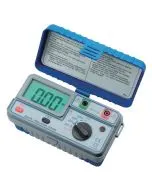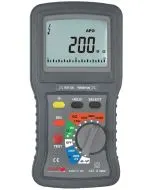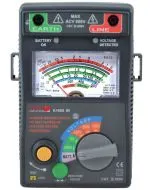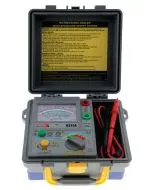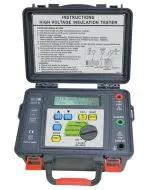

An insulation tester, or electrical insulation tester, is a crucial process for inspecting and maintainingelectrical systemsand various electrical equipment. This test helps prevent dangers from electric leakage, short circuits, and potential damage to electrical devices by using a tool called a megohmmeter (Megohmmeter) or insulation tester to measure the insulation resistance of electrical equipment in order to assess the condition and performance of electrical insulation.
What is an Insulation Tester?

An insulation test is a process of testing the insulation value of various electrical equipment such as cables, motors, and heaters using an insulation tester or megohmmeter. This tool releases high-voltage direct current (500V for a 220V system and 1000V for a 380V system) to test the voltage endurance capability of the insulation. The test helps prevent damage from various environmental factors such as dust, oil, and heat, while also preventing dangers like electric shock, leakage, and short circuits. Insulation testers are available in both analog and digital models to suit different job requirements.
How an Insulation Tester Works
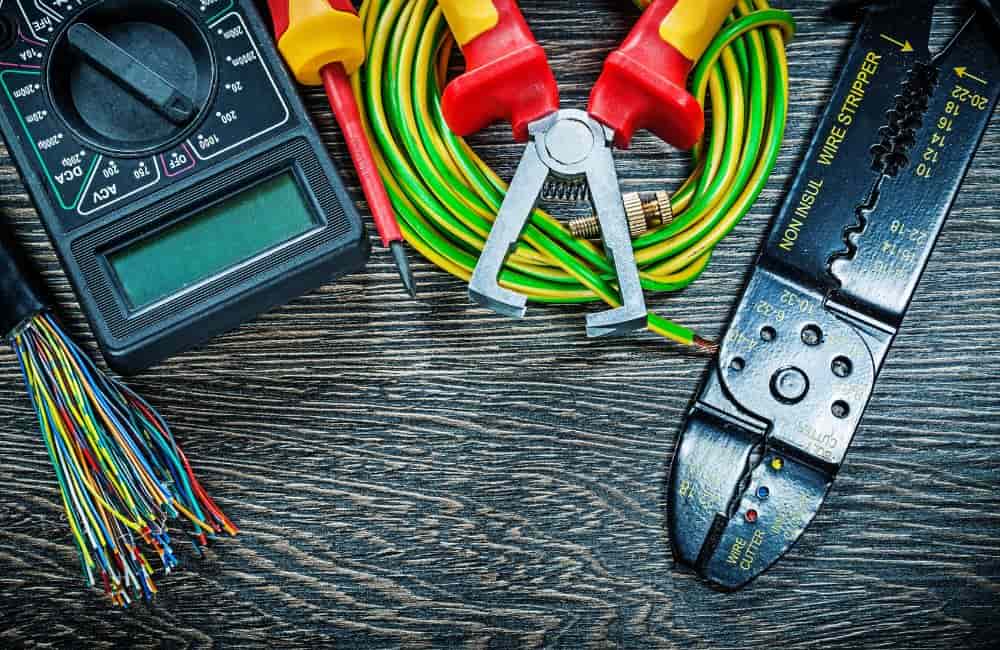
The operation of an Insulation Tester is based on a simple principle. The device applies electrical voltage through the positive terminal connected to the insulation or ground wire of the equipment being tested, and measures the leakage current that passes through the insulation into the negative terminal. Before testing, it is necessary to disconnect the circuit of the electrical equipment from the main power supply (there must be no electricity in the system), and do not touch the equipment while the tester is operating for the safety of the operator.
What Can an Insulation Tester Be Used For?
An Insulation Resistance Tester is a specialized tool used to measure high resistance values in the range of megaohms (Mega Ohm) and has various applications, including:
- Checking electrical systems in vehicles and automotive service centers to measure insulation resistance values of systems and components.
- Testing the quality of cables and power supply systems on production lines, as well as inspecting new electrical appliances before delivery.
- Measuring insulation resistance values of household appliances such as air conditioners, televisions, refrigerators, and washing machines.
- Inspecting and maintaining electrical equipment in industrial plants, especially transformers, motors, and internal wiring systems.
Why is insulation testing important?

Insulation testing is crucial for the safety of electrical equipment usage, as every electrical connection must have insulation with a resistance value higher than the standard to prevent hazards from short circuits and electric shocks. However, insulation can deteriorate due to various factors such as dust, temperature, humidity, and vibration, making it necessary to regularly check with an Insulation Tester.
For safety
Insulation testing helps prevent electrical shock and fire hazards by detecting insulation abnormalities at the early stage, allowing issues to be addressed before serious accidents occur.
Predictive Maintenance
It aids in identifying the initial signs of insulation deterioration, enabling appropriate maintenance planning and equipment replacement, thereby reducing the risk of unexpected system downtime.
Compliance with Standards
It adheres to safety and performance standards set by industry regulations that mandate regular testing of electrical equipment insulation resistance.
Problem Diagnosis
It helps accurately pinpoint the location and cause of electrical issues, allowing for precise and efficient problem resolution, saving both time and maintenance costs.
What are the Techniques and Precautions for Using an Insulation Tester?
Using an insulation tester or megohmmeter requires special caution because this tool operates at high voltage to test insulation breakdown. If used improperly, it can cause serious harm. Therefore, users should be aware of the following precautions and techniques.
Precautions
- Turn off all electrical circuits of the device to be tested and the main power system completely to prevent damage from high test voltage.
- Do not touch any electrical equipment while the tester is in operation.
- Absolutely do not touch the measurement leads during testing.
Techniques for Using an Insulation Tester
- Choose a test voltage approximately twice the normal operating voltage, but do not use unnecessarily high voltages.
- Discharge the equipment after each use to prevent danger from residual voltage.
- Observe any irregularities in resistance values, which may indicate arc formation in the system.
Maintenance of Insulation Tester Equipment
An insulation tester is a delicate and expensive instrument. Proper maintenance is crucial to extend its lifespan and maintain measurement accuracy. The following guidelines should be followed for maintenance:
- Clean the equipment after each use to prevent dust and dirt accumulation.
- Store in a suitable location, free from dust, moisture, oil, and maintain temperature at normal levels.
- Regularly check the condition of the battery contacts to prevent damage due to battery deterioration.
- Avoid storing near sources of vibration, such as drilling or hammering machinery.
- Calibrate the equipment at specified intervals to maintain measurement accuracy and prevent potential errors.
If you are interested in Insulation Test, contact SCMA today!
Looking for a reliable and trustworthy insulation resistance tester? SCMA is ready to serve you with a team of experts and high-quality testing equipment. We offer the following service highlights:
- Service provided by experienced engineers certified to international standards
- Modern testing tools calibrated according to international standards
- Detailed test report with recommendations for improvement
- Quick and punctual service, appointments can be scheduled in advance
- Free consultation on testing and electrical system maintenance
Let SCMA take care of the safety of your organization's electrical systems for professional, smooth, and safe operation.
Summary
Insulation Resistance is an essential step in maintaining electrical systems and equipment. It helps prevent hazards, increase efficiency, and reduce long-term costs. SCMA is ready to serve you with professional teams and modern equipment for the highest level of safety and efficiency in your electrical systems.
Frequently Asked Questions
To provide a clear understanding of insulation testers, we have compiled the most frequently asked questions by customers along with easy-to-understand explanations as follows:
What is the purpose of an Insulation Test?
An Insulation Test aims to evaluate the quality and condition of insulation, prevent electrical leakage, enhance safety in using electrical equipment, and aid in preventive maintenance planning.
Why is it necessary to measure insulation resistance?
Measuring insulation resistance helps with:
- Checking the condition of insulation before use
- Preventing hazards from electrical leakage
- Extending the lifespan of equipment
- Reducing maintenance costs
What does a Megohmmeter measure?
A megohmmeter measures the insulation resistance in units of megaohms (MΩ), indicating the ability to resist electrical current flow through insulation. The higher the value, the better the quality of insulation.
How many types of Insulation Testers are there?
Insulation testers can be categorized by test voltage into several types:
- Low Voltage (15V, 50V, 100V, 125V, 250V, 500V) - For low voltage equipment
- Medium Voltage (1000V) - For motors and general equipment
- High Voltage (2500V, 5000V, 10000V, 12000V, 15000V) - For transformers and high voltage electrical equipment