Are you concerned about the safety of your team when working in hazardous or confined spaces? The engineering team from SCMA recommends getting to know the Multi Gas Detector, an essential device. This article will take you through the working principles of gas detectors, along with a checklist for selecting gas detectors to maximize safety in your factory.
What is a Multi Gas Detector?
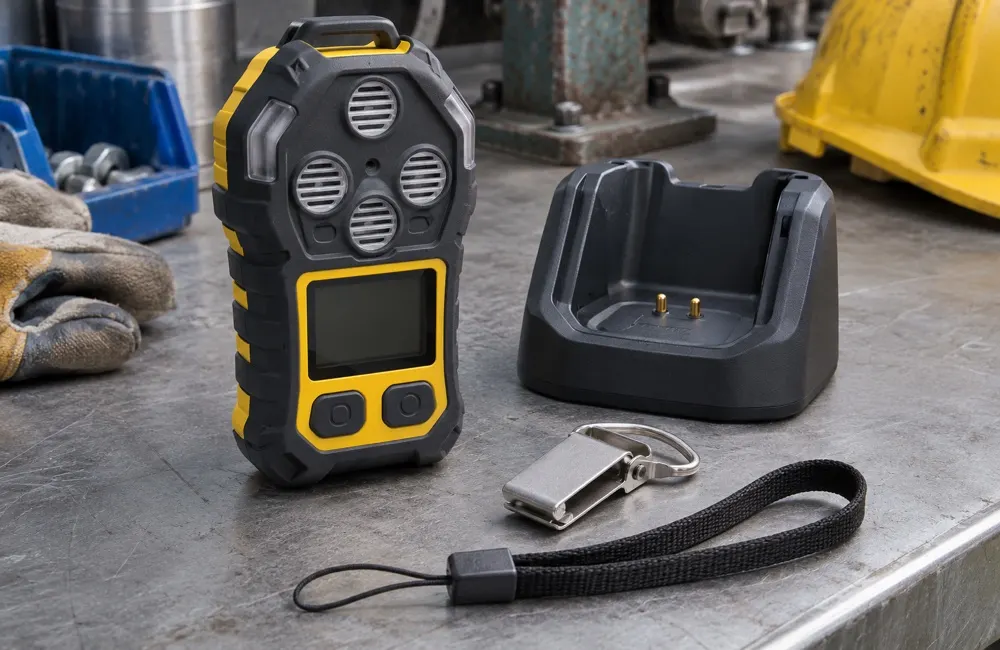
A Multi Gas Detector is a device that can detect multiple types of gases simultaneously based on the installed sensor set. The common 4-in-1 portable model measures oxygen, flammable gases, carbon monoxide, and hydrogen sulfide. It is important to select the sensor type that matches the gases likely to be encountered in the work environment.
How the Multi Gas Detector Works
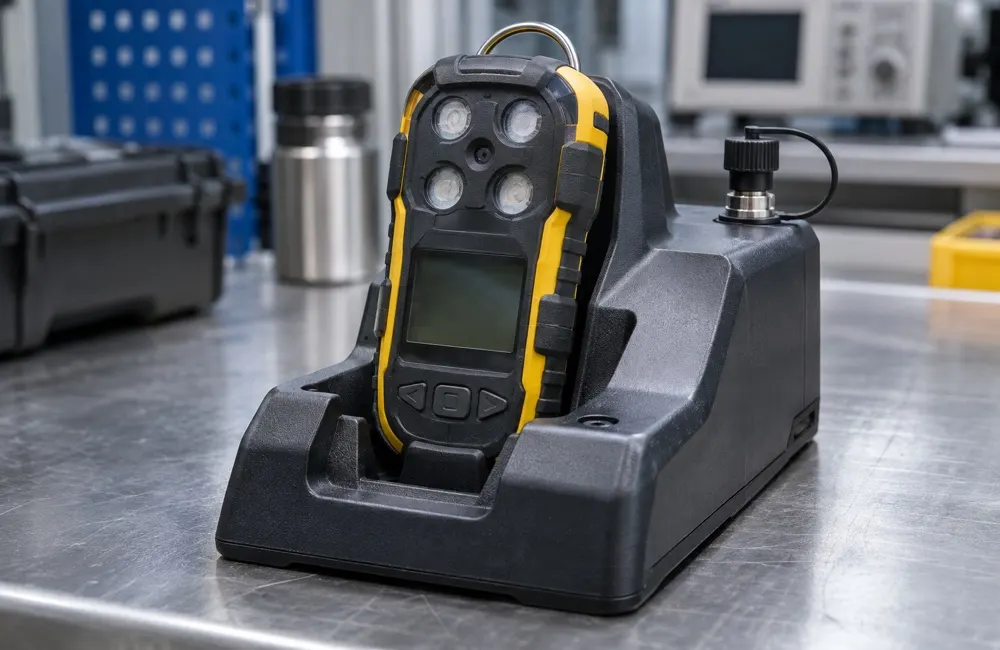
Understanding the operating system of the device will help users operate it correctly. Basically, gas detector works by converting concentration values into alarm signals
Main Sensor and Signal Conversion
The device uses multiple sensors to detect specific gases in the area. Then the system converts the detectable concentration values into electrical signals sent to the main processing unit. Some gas detectors can analyze results and respond rapidly within a fraction of a second
Flammable Gas Detection (LEL)
Flammable gas sensors often report values as a percentage of the lower explosive limit (%LEL). Reactive-type sensors require sufficient oxygen for operation and may degrade from certain substances. Therefore, it is important to check the limitations of the sensor and the gases used for calibration according to Honeywell Gas Detection Manual
Toxic Gas Measurement (CO / H2S)
Electrochemical sensors are commonly used to measure toxic gases such as carbon monoxide or hydrogen sulfide. However, other gases may interfere with the readings. It is important to check the gas interference sensitivity data for each sensor model
Oxygen Level Monitoring (O2)
Oxygen sensors measure the oxygen level and alert according to the set values. The measurement results provide data for assessing the atmosphere together with flammable and toxic gases, especially in confined spaces
Safety Alarm System
When the concentration value exceeds the set threshold, the device sends an alarm through a loud bell, bright flashing lights, and vibration. This multi-mode alarm is designed to make the wearer of the Multi Gas Detector aware even when working in noisy areas
How Many Types of Multi Gas Detectors Are There?
A multi-gas detector, or Multi Gas Detector, can be categorized into two main types based on installation and primary usage. Choosing the right gas detection equipment that matches the type of work will help protect the team effectively.
Portable Multi-Gas Detector
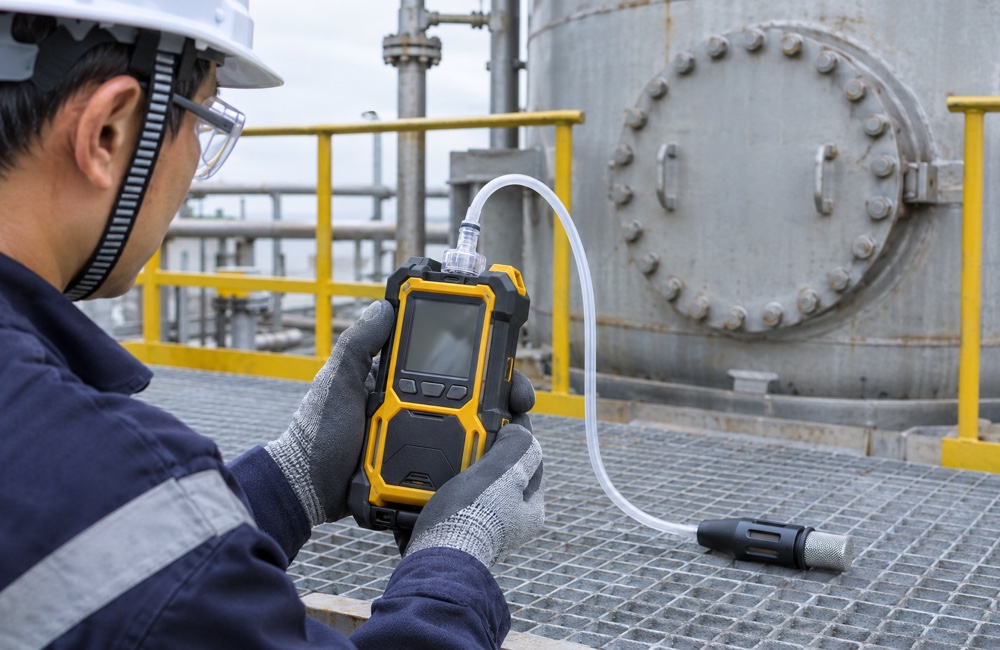
This type of device is compact, lightweight, and designed for easy handling or attachment to clothing. It is commonly used to check safety before entering confined spaces. The 4-in-1 portable gas detector is the most popular choice for on-site maintenance work.
Fixed Multi-Gas Detector
The fixed type is used to monitor designated hazardous areas and may send signals to a control system. Air venting will occur when the system is designed and tested according to the risk level.
Maintenance of Multi Gas Detector
Keeping the device ready for use at all times is an important aspect that should not be overlooked. Based on the experience of SCMA's engineering team, the basic maintenance procedures for the Multi Gas Detector are as follows, which users can follow:
Calibration
Calibrate the device according to the manufacturer's manual, safety plan, and work requirements. If it fails inspection or the device has been exposed to conditions that may damage the sensor, stop using it and follow the manual before using it again.
Bump Test
For portable devices, perform a Bump Test or calibration check before using it each day according to the manufacturer's guidelines and OSHA guidelines. Performing a Bump Test confirms the response and alarm signals. If it fails, perform a full calibration according to the manual and stop using it if it still fails.
Proper Storage
The device should be stored in a shockproof box, placed in a dry, clean, and high-moisture-free area. Avoiding dust or vapors from corrosive chemicals will greatly extend the lifespan of the Multi Gas Detector's sensor.
Cleaning and Battery Care
Clean the exterior casing only with a clean dry cloth. Absolutely do not use chemical cleaning agents. Users must regularly check the battery condition of the gas detector to ensure it is in a ready-to-use state. Do not replace the battery while in a hazardous area.
Usage Log Book
Recording test results, calibration dates, and every repair is essential for traceability. These data help personnel effectively assess the service life of each gas detection device.
Multi Gas Detector Application in Industry
The application of this device covers various fields that require high safety standards. Using gas detectors appropriately for the environment can significantly reduce business losses.
Work in Confined Spaces
Before allowing entry into confined spaces, check the atmosphere with appropriate and inspected equipment according to the Ministry Regulation on Confined Spaces and work plan. Check oxygen, flammable gases, and toxic gases according to the risk, as well as monitor during work as specified.
Maintenance or Welding Work
Work involving heat or sparks must control ignition sources and flammable substances according to the work permit procedures. The gas detector helps monitor target gases, and follow the shutdown and evacuation plan when an alarm signal is detected.
Petrochemical and Chemical Industry
Large factories use network gas detectors to detect leaks along pipelines or around chemical storage tanks. Early detection of abnormalities helps engineers control the situation promptly.
Advantages of Multi Gas Detector
The centralized detection device offers greater benefits than using multiple single-purpose devices. Considering the advantages of the Multi Gas Detector will help managers make investment decisions more easily.
Detect Multiple Types Simultaneously
The ability to process multiple types of hazardous gases, such as oxygen, carbon monoxide, flammable substances, within a single unit helps reduce safety blind spots. The gas detector effectively manages risks from various types of threats.
Saves Time and Offers Portability Convenience
Workers do not have to carry multiple devices, which can be cumbersome or burdensome during work. The centralized gas detector is designed to be lightweight, making it convenient to check environmental conditions at various locations flexibly.
Fast and Accurate Alerts
The device will alert when the measured value reaches the set level. The response time depends on the sensor, sampling method, and environmental conditions. The team should know in advance how to stop work and evacuate the area when an alert signal is received.
Long-Term Investment Value
Purchasing a single device that covers all basic functions helps save the organization's budget more than buying separate devices. The cost of sending the gas detector for annual calibration is more cost-effective compared to maintaining multiple devices.
How to Choose a Multi Gas Detector
Considering the appropriate device for the job requires an understanding of technical specifications. The SCMA engineering team recommends the following checklist before purchasing a Multi Gas Detector:
Evaluate the type of substances to be measured: If working in confined spaces, choose a 4-in-1 gas detector that measures O2, LEL, CO up to H2S as standard
Consider specific toxic gases: If the factory has special chemicals, consult the supplier to customize the gas detector to measure additional volatile organic compounds (VOCs)
For hazardous areas, check the certifications required by the project, such as ATEX or IECEx, and verify the zone, gas group, and temperature range the device can withstand
Durability in harsh environments: Choose a gas detector with a high IP rating that is water and dust resistant, and impact resistant, suitable for field work
Select a battery that supports actual working time with some buffer, and check whether the manufacturer's stated battery life has changed when the pump is activated or when used in low temperatures
Calibration service: Invest in a company that has a laboratory ready to provide calibration services for long-term maintenance
Precautions for Using a Multi Gas Detector
Although the device is designed to be highly durable, improper use can cause the sensor to degrade faster than normal. The following are precautions for using the gas detector:
Clean the device according to the manufacturer's manual, and avoid solvents or substances specified by the manufacturer that may interfere with the sensor head
Check the limitations of the LEL sensor, as certain substances, such as silicone compounds, may reduce the response of the catalytic sensor
Do not block the air intake: When wearing the gas detector, be careful not to let clothing block the area in front of the sensor at all costs
If the device falls or experiences a severe impact, stop using it and inspect its condition, and test its response according to the manual before using it again
Summary
Ultimately, selecting a high-quality Multi Gas Detector that has been calibrated to standard is crucial for protecting your team. SCMA Company is ready to be your partner, offering consultation and providing comprehensive industrial-level gas detection equipment. Our engineering team is happy to help you find the gas detector that best meets your safety needs.
Interested in purchasing or consulting via LINE Official: @SCMA
If you want to buy a Multi Gas Detector, you can buy it from SCMA today!
Safety in the industrial plant is something that cannot be compromised. Investing in a Multi Gas Detector is an investment in the sustainability of your business. If you are looking forproject services and solutions as well as high-performance gas detectors SCMA Company has a team of expert engineers ready to install and maintain your gas detectors throughout their lifespan.
Frequently Asked Questions
How often should a Multi Gas Detector be calibrated?
Calibration intervals should be determined according to the manufacturer's manual, safety plan, and actual usage conditions. If the pre-use check fails, calibrate according to the manual before using it again.
How long do gas detector sensors last?
The lifespan of the sensor depends on the technology, model, environment, and exposure to chemicals. It is recommended to use the manufacturer's data and inspection results as the main reference.
What is the difference between a Bump Test and calibration?
A Bump Test checks the sensor's response and alarm function, while calibration checks the readings against reference gas and adjusts according to the manufacturer's procedures.
Can you change the sensor type in a Multi Gas Detector yourself?
You should only change sensors that are specifically authorized by the manufacturer. Qualified personnel should inspect, install, calibrate, and test the operation according to the manual.
What substances can a 4-in-1 gas detector detect?
The common set measures oxygen (O₂), carbon monoxide (CO), hydrogen sulfide (H₂S), and flammable gases as %LEL. Each model of the 4-in-1 gas detector may have different sensors installed, so it is important to check the gas list before use.