How safe is your factory's electrical system from short circuits? The expert engineering team from SCMA, a provider of comprehensive electrical measurement instruments and automation systems, invites you to learn in-depth about the Loop Impedance Tester. This article summarizes everything you need to know, from the operating principles to the selection process, helping you effectively prevent unexpected machine shutdowns.
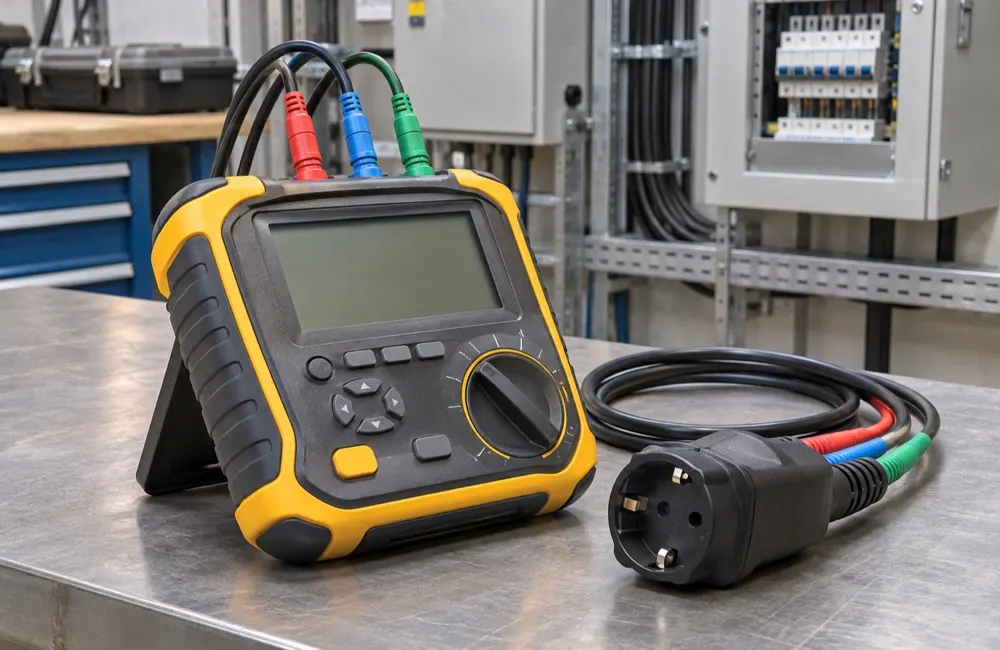
What is a Loop Impedance Tester?
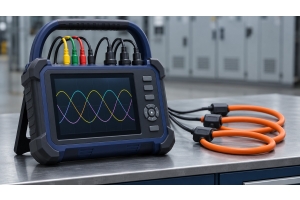
A Loop Impedance Tester, or loop impedance meter, is used to measure the impedance of the current path in an electrical circuit, such as the earth fault loop impedance. The measurement results help estimate the expected fault current and check whether the automatic power disconnection conditions are compatible with the characteristics of the protection device. Confirming the operation of an RCD requires a specific test.
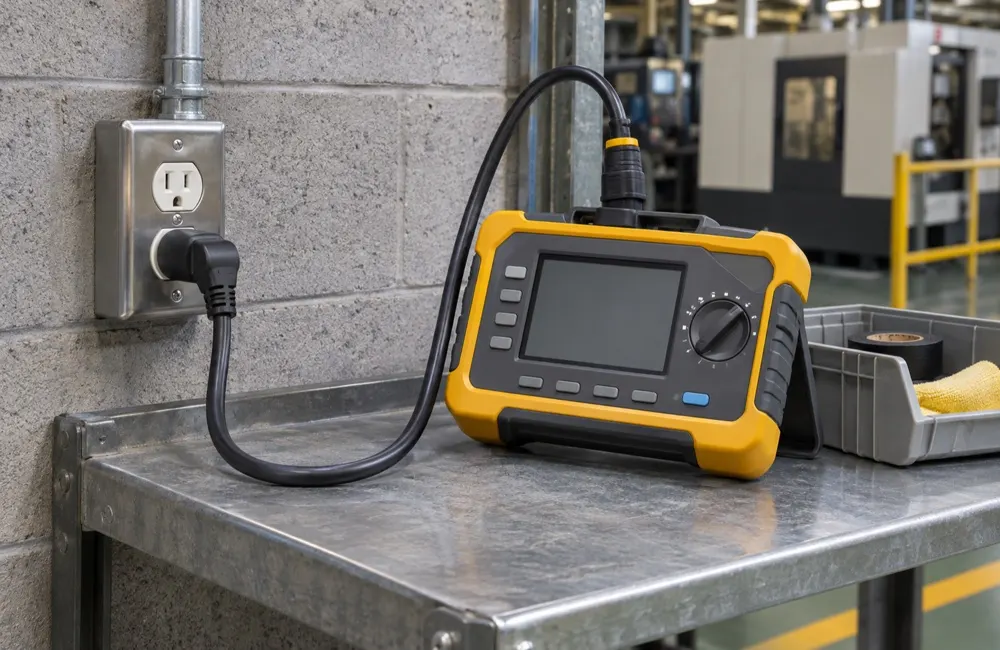
How the Loop Impedance Tester Works
Understanding the working principle of the loop impedance tester helps electricians analyze problems in the system accurately. This testing device uses Ohm's Law to calculate impedance through a strict process as follows
Connecting the Device to the Electrical System
Loop impedance measurement is generally performed while the circuit is live. Allow qualified personnel to select the appropriate tool and measuring leads for the measurement point, then connect them according to the manual and on-site safety procedures
Process of Supplying Test Current
The tester supplies a short test current and uses voltage changes to calculate impedance. The low current mode in some models helps reduce the chance of an RCD tripping during measurement. The result depends on the instrument, electrical system, and leakage current present in the circuit
Measuring Voltage Changes
When current flows through the circuit, the device measures the voltage change (Voltage Drop) occurring at that moment. This dropped voltage value is an important variable that the system uses to calculate the total resistance according to Ohm's Law. The internal sensors must be highly sensitive to obtain the most accurate numbers
Calculating Impedance by the Microprocessor
The processing system or microprocessor inside the device analyzes the dropped voltage value together with the current supplied. The result is calculated as an impedance value (Z), which is displayed in ohms (Ω). The number appearing on the display indicates the condition of the loop in the system
Evaluating the Safety of the Protection System
Compare the measured impedance value with the criteria for the electrical system, protective devices, and the specified tripping time to evaluate whether the expected fault current is sufficient for automatic disconnection
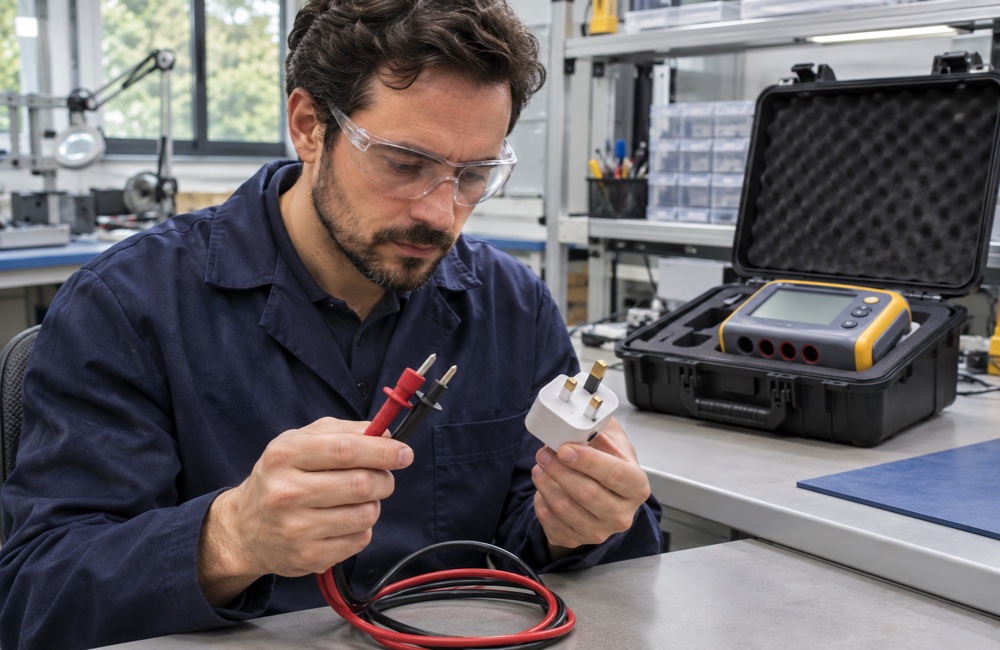
How Many Types of Loop Impedance Testers Are There?
According to data from the SCMA Instrument Service Center, we can classify testers into two major groups based on their usage characteristics and main functional features. Choosing the right loop resistance tester that matches the type of work will clearly improve the speed of electrical system inspection.
Dedicated Tester
Dedicated testers focus on measuring loop impedance and expected short-circuit current. For example KYORITSU Model 4118A, which supports Loop and PSC measurements according to KYORITSU Manual. The low current range reduces the chance of RCD tripping during loop measurement. However, measuring RCD trip time requires a tester that supports this function.
Multifunction Tester
Multifunction testers combine several tests, such as loop measurement, continuity, insulation resistance, and RCD testing, depending on the model. Examples include KEW 6010B Multifunction Testers and KYORITSU Model 6011A. You should check the mode and specifications from the manual of the model you will be using.
Maintenance of Loop Impedance Tester
Proper maintenance of electrical testing equipment will help extend its lifespan and maintain the accuracy standards of the results. Maintenance personnel should regularly follow the maintenance checklist for the loop resistance meter to prevent potential damage.
Daily Cleaning and Inspection
Users should clean the device with a soft dry cloth every time after completing the task. It is strictly prohibited to use corrosive chemicals or solvents to clean the display screen. At the same time, check the condition of the test leads or clip probes to ensure there are no cracks or damage to the insulation.
Proper Storage of Measuring Instruments
To prevent moisture and dust problems, measuring instruments should always be stored inside a carry case or impact-resistant box. The storage location should have temperature control within an appropriate range between -10 to 60 degrees Celsius. If the tester is not going to be used for a long period, the operator must remove the battery immediately.
Importance of Calibration
Determine the calibration cycle according to the manufacturer's manual, instrument control plan, relevant requirements, and frequency of use. Also, inspect the condition of the device and test leads before use.
Application of Loop Impedance Tester in Industry
Risk management in industrial plants relies on the inspection of grounding systems using highly accurate testing equipment. The application of loop resistance meters as part of a preventive maintenance plan effectively enhances the stability of production lines.
Enhancing Safety for Workers
The industrial environment is filled with electric-powered machinery. Measuring loop resistance is a crucial step that helps prevent dangers from electrical leakage or electric shock. Regularly using measuring instruments to inspect the system creates a safe working environment for everyone.
Verifying the Performance of Circuit Breakers
The instrument uses test current and measures the changed voltage to evaluate loop impedance. The tester uses the results together with graphs or data on the tripping of protective devices and electrical system requirements.
Compliance with International Safety Standards
Loop impedance measurement is part of electrical installation inspection. The results should be recorded in comparison with the criteria applicable to the system and combined with other inspection data. You can learn more from In-depth Information on Loop Resistance Testers
Advantages of Loop Impedance Tester
Investing in high-quality measuring instruments lays a solid engineering foundation that provides long-term value. The loop impedance meter offers tangible benefits in raising the standards of electrical maintenance systems, as detailed below.
Verify Ground System Resistance Standards
Loop impedance measurements help assess the path of fault current back to the source. The inspector should consider this together with other tests, such as continuity of protective conductors, according to the system type.
Test RCDs Separately from Loop Measurement
To test the tripping of RCDs, use an RCD tester or a multifunction device in RCD mode, according to the equipment type and specified method, then compare the results, such as tripping time, with the criteria applicable to that device. The requirements of the testing equipment can be referenced from IEC 61557-6
Analyze the Quality of Cable Connection Points
Other than measuring the loop, this device also helps analyze whether the cable connection points at various control cabinets are secure. The ability of the device to accurately detect voltage drop across connection points helps reduce the risk of cables overheating, which could lead to future fires.
Prevent Accidents with Proactive Measurement
Factories that prioritize electrical system inspection with testing equipment can detect abnormalities before the machinery stops working. Identifying weaknesses in the electrical protection system helps limit potential damage. Proactive maintenance is a key factor that allows the production line to continue uninterrupted.
Provide Accurate Results with Digital Systems
The microprocessor technology in the new loop resistance meter has been developed to eliminate errors that may occur due to the operator. The digital display helps read numerical values directly. The fast processing allows the engineering team to analyze problems seamlessly.
How to Choose a Loop Impedance Tester
Making decisions to select equipment that matches the work requirements helps improve the sustainability of electrical system maintenance. Our expert engineering team recommends the following important criteria for selecting a cost-effective loop impedance tester:
For circuits with RCDs, choose a device that supports low current loop measurement mode and check the conditions in the manual. This mode helps reduce the chance of RCD tripping during loop measurement.
Short Circuit Current (PSC) Measurement Range: Check the specifications of the device to ensure it supports the calculation of Prospective Short Circuit Current to assess the maximum current that can flow through the circuit.
Check the compatibility of the loop impedance meter with IEC 61557-3 and ensure the instrument and test leads are suitable for the installation location.
Environmental Durability (IP Rating): For work in factories, select a measuring instrument with a water and dust protection rating of at least IP54.
Clear Digital Display: Consider models with a large screen and backlight system to accurately read impedance and voltage drop values in the dark.
Precautions for Using a Loop Impedance Tester
Only qualified personnel should perform tests on live circuits, assess risks, use tools and equipment according to specifications, and follow the manufacturer's manual.
Inspect the measuring instrument: Check the condition of the device and cables each time. If cracks, breaks, or deteriorated insulation are found, the device must not be used again under any circumstances.
Avoid contact with live parts: While the device is emitting test current, do not touch the metal tip of the probe or any part that may have leaking current.
Study the operation manual thoroughly: The steps for measuring voltage drop or finding short circuit current may vary between models, so always understand the manual before use.
Wear personal protective equipment (PPE): When working with electrical panels, the tester should wear electrically insulated gloves and safety goggles to be prepared for electric arc sparks.
Summary
Loop Impedance Tester helps assess the fault current path and automatic power disconnection conditions. The measurement results provide data for electrical system inspection together with other tests. If you are selecting a measuring instrument or need calibration, please contact SCMA and view our services
Interested in purchasing or consulting via LINE Official: @SCMA
If you want to buy Loop Impedance Tester, you can buy it from SCMA today!
Electrical safety is something that cannot be compromised. Investing in accurate loop resistance measuring instruments will help elevate the standard of preventive maintenance in industrial factories. SCMA Co., Ltd. (SCMA) is a global distributor of electrical testing equipment and offers comprehensive services. Our engineering team is ready to present quality solutions to professionally meet your needs for measurement and testing work.
Frequently Asked Questions
What does Loop Impedance Tester mainly measure?
It is used to measure the impedance of the selected circuit, such as the loop between the phase wire and the protective conductor, to evaluate the expected fault current and automatic power disconnection conditions.
What is the importance of the Non-Trip function in electrical testing equipment?
This mode uses a low test current to help reduce the chance that the RCD will trip during loop measurement. Check the device and circuit limitations from the manual before use.
How frequently must loop resistance measuring instruments be calibrated?
Calibration intervals are determined according to the manufacturer's manual, instrument control plan, and requirements applicable to the inspection work.
What is the PSC value displayed on the measuring instrument's screen?
PSC is the expected short-circuit current calculated from the voltage and impedance measured in the selected circuit. It is used to assist in checking the current trip rating of the protective device.
Can a general multimeter be used instead of a loop resistance measuring instrument?
You must use an instrument that supports loop impedance measurement and has suitable ratings for the measurement point. A general multimeter does not have the function to supply test current and calculate loop impedance in this way.