Is your factory facing risks from invisible hazardous gas leaks? Fixed Gas Detectors, or permanently installed gas detection devices, are the core of SCMA's safety prevention. SCMA is ready to provide comprehensive measurement solution services. This article will delve into all the details, from operating principles to a checklist for purchasing, so that you can confidently apply them to real work sites.
What is a Fixed Gas Detector?
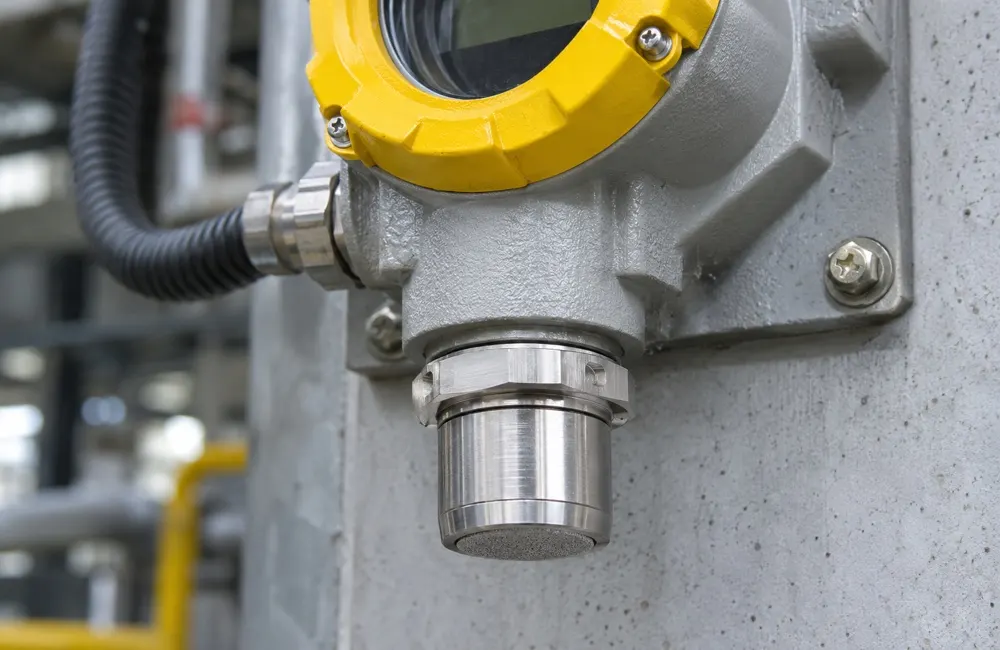
A Fixed Gas Detector is a permanently installed gas detection device used to monitor target gases and send a signal when measured values reach pre-set alarm thresholds. The installation location and alarm thresholds must be considered based on risk assessment, gas type, and area requirements, according to Honeywell's gas detection guidelines
How Fixed Gas Detector Works
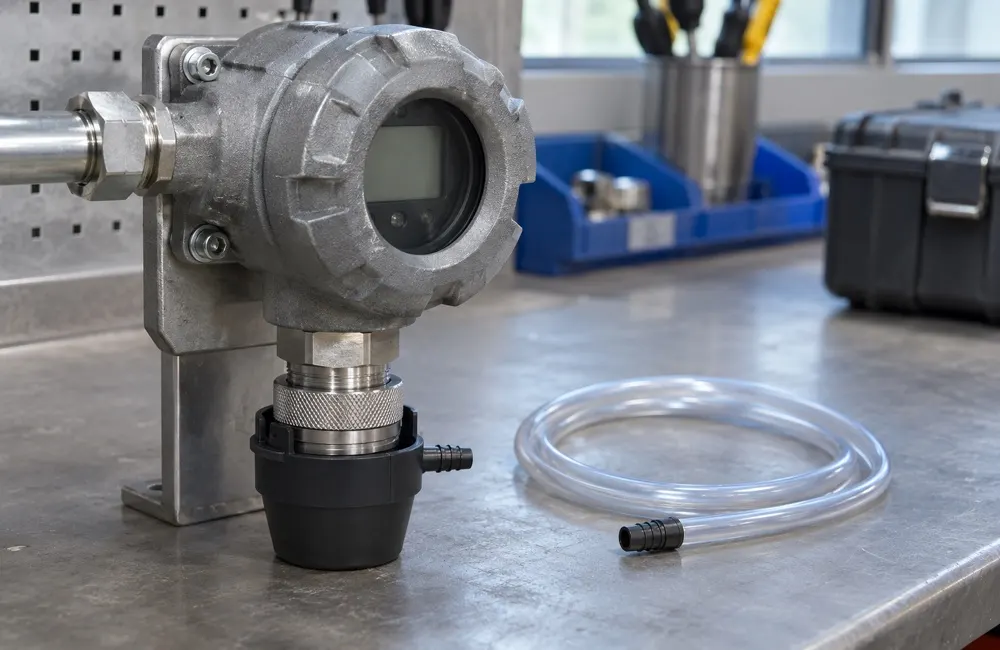
The working system of this type of instrument is designed to be highly accurate. The SCMA engineering team has summarized the main operating steps of this type of instrument to make it easy to understand as follows
Detection
The sensor inside the device will continuously touch the air in the installation area. The device will continuously measure the concentration of the target gas to assess the situation. This step is the first core part of the Fixed Gas Detector in detecting initial abnormalities
Conversion
When the sensor detects gas, the system will input the measured concentration value into the conversion process. The device will convert these data into an electrical signal to prepare for transmission. Fixed gas detectors rely on the stability of this signal to maintain accuracy
Processing
The signal conversion circuit from the sensor into concentration values and compares them with the set alarm level. When reaching the alarm level, the system will send signals according to the project settings
Alarm & Output
When the measured value reaches the alarm threshold, the system will send signals according to the settings, such as sound, light, or signals to the control room. If the control circuit is designed, the system may operate related equipment, such as shut-off valves, to allow the team to carry out emergency plans
How Many Types of Fixed Gas Detectors Are There?
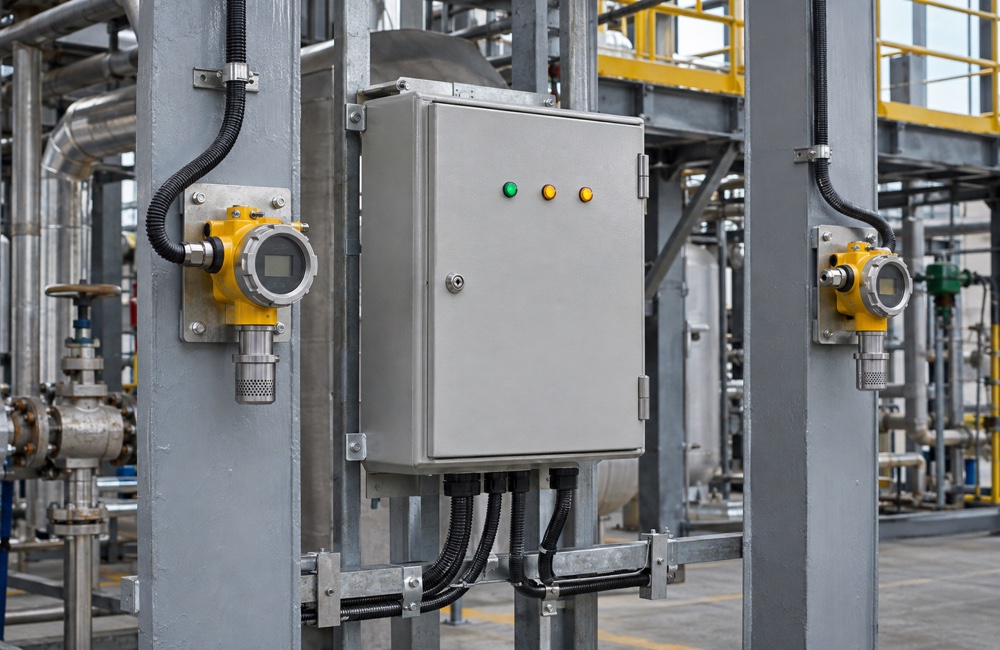
This device is categorized based on the type of gas to be detected and the sensor technology. From real-world field experience, we have found that there are 4 main types of detectors commonly used in industrial systems.
Toxic Gas Detection
This type of equipment focuses on monitoring gases that are harmful to the human respiratory system. Common examples include carbon monoxide and hydrogen sulfide in confined spaces. Factories should install this type of Fixed Gas Detector at locations where there is a risk of accumulation of rotten egg gas.
Combustible Gas / LEL Detection
Combustible gas sensors are used to monitor gases or vapors specified in the specifications, such as methane or propane. For hazardous areas, select equipment that is certified and matches the classification of the area, gas group, and operating temperature.
Oxygen (O2) Detection
Installed oxygen meters send an alarm when the oxygen level is below or above the set threshold. In confined spaces, use the measurement results in conjunction with atmospheric testing and work permit procedures according to Ministry of Labour Regulations on Confined Spaces.
Carbon Dioxide (CO2) Detection
Carbon dioxide detectors are used to monitor concentrations in areas assessed to have emission sources or potential accumulation. Measurement results help responsible personnel evaluate ventilation and take action when an alarm is triggered.
Maintenance of Fixed Gas Detector
The safety system will operate at full efficiency only when properly maintained. SCMA recommends the following methods for maintaining the equipment to ensure continuous availability.
Calibration
Users must bring the device for sensor calibration strictly according to the manufacturer's specified intervals. This process helps adjust the accuracy values so that the permanently installed gas detector operates to standard. The SCMA team provides reliable calibration services to support this aspect of work.
Bump Test
A Bump Test involves exposing the sensor to test gas to check the response and alarm signals according to the procedure of that model. Calibration uses reference gas to confirm or adjust the reading. Both intervals should be set according to the manufacturer's manual and the on-site maintenance schedule.
Cleaning the Device and Sensor Head
Dirt and dust can clog the sensor cover area. It is important to carefully dust and clean to prevent blocking the gas path. It is strictly prohibited to have oil residue on the permanently installed gas detector.
Inspecting Wiring and Signals
The integrity of the electrical system affects data transmission to the central control room. Maintenance personnel must check the wiring connections and voltage to prevent any breaks. If the signal from the permanently installed gas detector is faulty, immediate corrective action must be taken.
Replacing Consumables
Sensors and internal filters have a limited lifespan depending on the environment. The factory should plan to prepare spare parts in advance for replacement according to the maintenance schedule. Choosing a Fixed Gas Detector with easily available spare parts can effectively reduce downtime for repairs.
Application of Fixed Gas Detectors in Industry
Every industry has different chemical risks according to the production process. The use of gas concentration detectors must always be consistent with the on-site conditions.
Chemical and Petrochemical Industry
Refineries and petrochemical plants use gas detectors according to the type of gas and the risk in each process. For example, detecting hydrogen sulfide in areas where there is a risk of leakage, and using flammable gas sensors according to the target substances and area classification.
Wastewater Treatment Plants
The wastewater treatment process may produce methane and hydrogen sulfide. Installed detectors help monitor designated areas. Before entering enclosed spaces, the atmosphere must be checked and procedures for authorized entry must be followed.
Food and Beverage Industry
Some refrigeration systems use ammonia or carbon dioxide. Selecting detectors that match the refrigerant and installing them in appropriate locations help monitor leaks.
Energy Industry
Biomass power plants use installed detectors to monitor gas leakage or accumulation at risk points, such as engine rooms. Machine shutdown depends on the system design and alarm criteria of the project.
Advantages of Fixed Gas Detector
Investing in a safety system for the factory provides long-term value. These are the key benefits you will receive from using a gas detector according to standards.
Operates continuously 24 hours a day
The installed unit continuously monitors the detection point when there is power and the system is operating normally. It is important to check for fault conditions and assign responsible personnel to respond to alarms outside of working hours.
High safety in hazardous areas
The device monitors hard-to-reach risk points, such as gas storage rooms or areas near chemical processes. Protecting workers also requires controlling leak sources, ventilation, and response plans when alarms are triggered.
Quick alert signals
When the measured value reaches the warning threshold, the pre-set system can send sound and light signals to employees to follow the emergency plan. The coverage and detection time depend on the location of the sensor, air circulation, and sensor response.
Connectable to other systems
Models that support signal output can send data to a central control panel. The system may be designed to close valves or turn on fans when appropriate for the risk, and test the alarm circuit and operated equipment before actual use.
How to Choose a Fixed Gas Detector
Investing in a monitoring system requires accurate technical information to ensure you get a cost-effective device. Our team recommends the following selection principles:
Clearly specify the type of gas: Screen first whether the work area is at risk from flammable gases, toxic gases, or requires oxygen level monitoring, to select the Fixed Gas Detector that is most suitable.
In areas classified as hazardous zones, check the certificate and markings, such as ATEX or IECEx, as specified by the project, and ensure compatibility with the zone, gas group, and temperature class.
Check the protection level (IP Rating): Assess whether it will be installed indoors or outdoors to select IP65 or IP67 ratings, ensuring the device is resistant to water and dust.
Check the control system connectivity: Verify whether it sends a 4-20mA or Modbus signal to link with the PLC cabinet for automatic system control or not.
Study in-depth information: You can study basic information about Fixed Type Gas Detector further to get the most suitable specifications for the work site.
Look for ease of maintenance: You should choose a representative that has readily available spare parts and offers calibration services for fixed installation gas detectors to reduce long-term problems.
Checklist for Preparing to Install Fixed Gas Detector
Before starting the installation project of safety equipment, a detailed site assessment is required. We have prepared a preliminary checklist for your engineering team to inspect on-site.
Survey the potential risk points where gas may leak or accumulate to accurately determine the installation points of the Fixed Gas Detector.
Select the sensor location by considering the possible leak points, gas density, temperature, wind direction, dead zones, and accessibility for testing or calibration. Do not judge the height solely based on gas density.
Check the power supply and signal wiring routes to be ready for connecting the device to the automatic system.
Avoid installing fixed gas detectors near exhaust vents that may cause inaccurate readings.
Prepare the area so that technicians can easily and safely access the device for maintenance or bump testing of the installed gas detector.
Summary
The Fixed Gas Detector helps monitor gas in areas assessed as high risk. Choosing the appropriate sensor and installation points help the personnel receive information to carry out emergency plans. If you need installed gas detectors and automatic systems, SCMA is ready to provide consultation.
Interested in purchasing or consulting via LINE Official: @SCMA
If you want to buy Fixed Gas Detector, you can purchase it from SCMA today!
The safety of personnel and property in the factory is the highest priority that cannot be compromised. SCMA is ready to provide services from Project & Solutions consultation to set up the Fixed Gas Detector system suitable for your industry. In addition, we also have distribution services for KEPLER KAQ-58OR and provide comprehensive services for fixed installed gas detectors View more article information here
Frequently Asked Questions
What is the lifespan of the sensor?
The sensor's lifespan varies depending on the type, model, substance it comes into contact with, and the environment. Check the manufacturer's specified lifespan and test results before deciding to replace it.
How often should the gas detector be calibrated?
Determine the calibration interval according to the manufacturer's manual, site conditions, and maintenance plan. For example, the Honeywell XNX uses various types of sensors, so you should also check the specifications of the installed sensor.
Can I install the gas detector myself?
Have a qualified person perform the installation, wiring, and system testing according to the manual and local regulations, especially in areas classified as hazardous.
What is the difference between a Bump Test and calibration?
A Bump Test checks the response of the sensor and the alarm system, while calibration checks the readings against reference gas and adjusts them according to the manual. Define the intervals and response procedures for failed tests in the maintenance plan.
Will the device still work if the power goes out?
The ability to operate during a power outage depends on the backup power design and all equipment in the circuit, such as the sensor, control panel, and alarm system. Consider the risk assessment results and test the backup power system according to the plan.