
Is your factory equipment suddenly stopping due to accumulated heat? Detecting overheating motors using a temperature sensor is the solution that helps prevent severe damage. As an expert industrial solutions partner, SCMA is ready to consult with you to help choose the right system. This article will delve into how it works, selection tips, and maintenance techniques to reduce production losses sustainably.
What is Overheating Motor Detection?
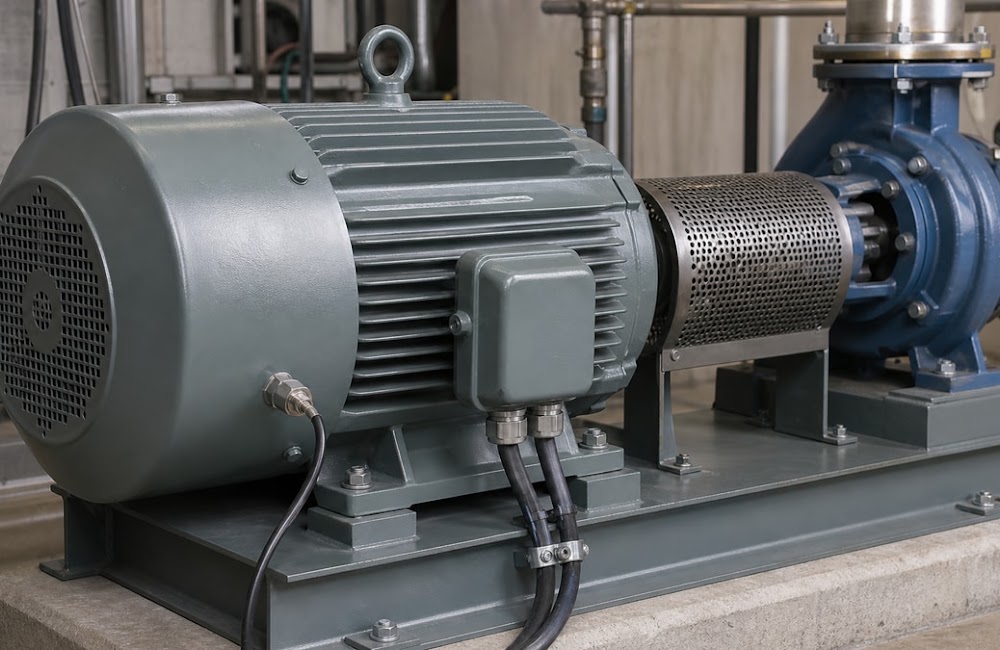
The overheating motor detection system (Motor Overheat Protection) is a crucial mechanism for preventing motor damage from excessive heat beyond its operational limits. This system evaluates by using sensors to monitor the temperature of the internal windings. If the temperature rises to dangerous levels, the controller immediately cuts off the power circuit to stop operation and prevent winding fires from spreading to other parts. For international reference information, you can read more at Reckersmech.
How the Motor Overheat Detector Works
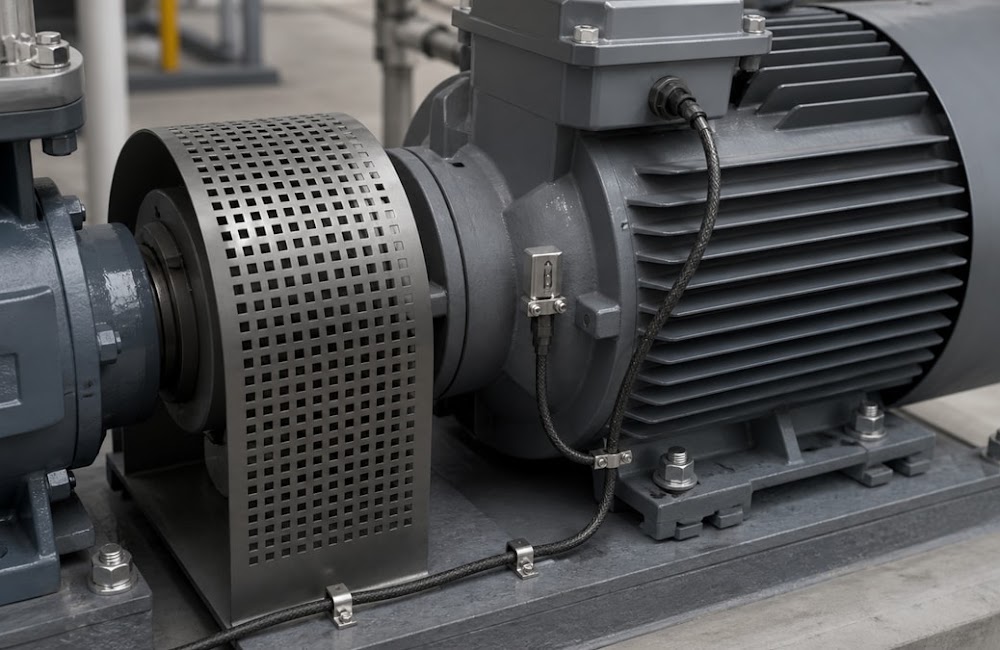
Industrial temperature detection equipment operates by utilizing physical or electrical changes when exposed to heat. Each technology has its unique strengths in processing as follows:
Thermostat and Thermistor
This type of device is installed either closely attached or embedded directly within the motor windings. When the motor works excessively hard, causing accumulated temperature to exceed a set threshold (Setpoint), the sensor will send an alert signal to the control system. This process orders the contactor to cut off the power circuit to prevent damage.
Thermal Overload Relay
This type of relay is connected in series with the main power supply to monitor the amount of current flowing into the motor. If an overload condition occurs, causing excessive heat buildup, it will cause a bimetallic strip to bend. This mechanism then releases contacts to safely shut down operation.
Condition Monitoring Systems
This advanced technology employs the installation of temperature sensors alongside vibration sensors around the motor frame Condition Monitoring Systems. It sends a set of data to the controller for real-time analysis, allowing engineers to accurately plan preventive maintenance.
How many types of motor overheating detectors are there?
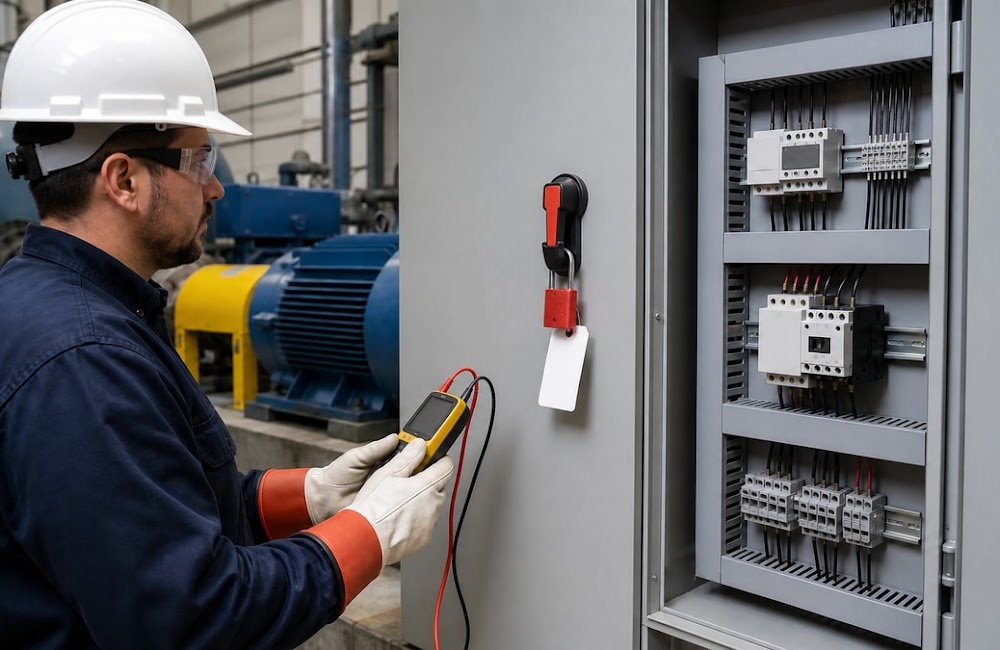
Selecting equipment to protect machinery must be considered based on the nature of the work and the working environment. Generally, manufacturers divide sensors into two main categories.
Contact Temperature Sensors
This type requires installing a housing that closely contacts the motor structure to directly receive heat. This group includes devices ranging from thermal switches for circuit interruption to high-precision RTD families (such as PT100), suitable for long-term stability requirements.
Non-Contact Temperature Sensors
This type is designed to assess heat in hard-to-reach areas, rotating machine parts, and dangerous zones. The technology used is infrared sensors that detect thermal radiation emitted from surfaces, allowing users to monitor machinery conditions without interrupting production.
Maintenance of Motor Overheating Detectors
Preventive maintenance for measuring equipment is the heart of problem prevention. Based on SCMA engineer team experience, we recommend inspection methods proven to be effective.
Thermoscan Camera
Using a thermal imaging camera allows technicians to quickly analyze abnormal temperature points on motor frames. This method can operate immediately without stopping machinery and is an efficient initial assessment for finding hidden defects.
Temperature Sensors
Maintenance teams should regularly calibrate contact-type sensors to maintain accuracy. Regularly checking signal lines, connection points, and RTD or Thermocouple installation areas reduces the risk of erroneous signals leading to unnecessary system shutdowns.
Electricity Quality Measurement and Vibration Analysis
Abnormal heat accumulation stems from electrical imbalance or mechanical wear. Using current measurement tools in conjunction with vibration analysis systems helps identify root causes deeply, allowing engineers to address issues precisely before windings burn out.
Usage for Overheated Motor Detection
The application of temperature sensors helps protect drive components in various industrial types. The system will immediately cut off power when a dangerous condition is detected.
Industrial Pumps (Industrial Pumps)
Industrial pumps must operate continuously under changing pressure conditions. Installing protection systems help maintain the coil structure in case of overload or dry run situations, which can cause rapid heat accumulation.
Conveyor Motors (Conveyor Motors)
Belt conveyors in production lines need to handle heavy loads for extended periods. Sensors continuously assess abnormal friction-generated heat, protecting the drive system from damage that could lead to emergency production line shutdowns.
Industrial Fans (Industrial Fans)
Air circulation fans are crucial for air circulation systems. If bearing issues or unbalanced blades occur, causing high current draw and overheating of the motor, sensor systems will automatically shut down operations to prevent fires.
Air Compressors (Air Compressors)
Air compressors generate significant heat according to physical principles during compression. If external cooling systems malfunction, temperatures around the compressor head can exceed limits. Installing detection systems helps automatically cut off the system for plant safety.
Benefits of Overheating Motor Detectors
Investing in Condition Monitoring technology yields the highest long-term returns, transforming maintenance processes into a more proactive approach.
Avoid Severe Damage
An intelligent analysis system can detect abnormal temperature trends early before insulation melts. Quickly interrupting the circuit prevents expensive parts from suffering permanent damage.
Real-Time Monitoring
Connecting sensors to a central database allows maintenance teams to monitor machine status 24/7. Real-time numerical data enables staff to accurately assess on-site situations.
Extend Equipment Lifespan
Maintaining drive systems within an appropriate temperature range slows down material degradation, resulting in longer service life for magnetic insulation and bearings according to the manufacturer's engineering standards.
Reduce Maintenance Costs
Shifting from waiting for machines to break down to predictive maintenance reduces emergency part purchase budgets and tangible financial losses due to production downtime.
How to Choose an Overheated Motor Detector
Selecting protective equipment for machinery requires considering multiple engineering factors to ensure a worthwhile investment. SCMA offers the following initial guidelines for operators:
- Select sensor types that meet installation requirements: For embedded coil work, use Thermocouple for quick response. For long-term stability, use RTD (Pt100). For measuring moving parts, use infrared sensors.
- Consider temperature measurement range to cover all needs: Industrial coils operate at temperatures between 60°C and 90°C. Choose temperature sensors with an analysis range up to critical points, such as -40°C to +150°C.
- Evaluate output signal types (Output): Choose systems that are compatible with existing controller sets, such as Analog 4-20 mA signals for trend logging and Switching signals for immediate Alarm settings.
- Assess environmental durability: Equipment must meet water and dust protection standards (IP Rating), withstand vibrations, chemical fumes, and safely operate in the surrounding work area.
Recommended Products from SCMA
As a premium industrial technology leader, SCMA is officially authorized to represent the ifm brand. We offer high-performance product groups such as:
- Ifm Temperature Sensor Series TM (Example Model: TM4101): A highly accurate Pt100 signal receiver designed for connection with controllers to provide data for in-depth analysis.
- Ifm Infrared Sensor Series TW (Example Model: TW2000): Non-contact surface measuring device suitable for monitoring moving parts, featuring both Switching and Analog Analytical output options.
Summary
Detecting overheated motors is crucial for protecting machinery from severe damage. Choosing the right temperature sensors in conjunction with a monitoring system enables engineers to plan proactive maintenance efficiently, reducing unexpected production downtime. SCMA's expert engineering team is ready to consult and design our services to deliver the most accurate solutions for your factory.
If you want to purchase overheated motor detectors, SCMA is available today!
Investing in machinery safety technology creates long-term profits. If your organization is looking for high-quality overheated motor detection solutions from leading brands, SCMA Co., Ltd. offers comprehensive project and solution (Project & Solutions) services by true experts. Contact us today to enhance the stability of your production process efficiency.
Frequently Asked Questions
What causes overheated motors?
Mainly caused by overloading, blocked ventilation systems, low voltage issues, and worn-out bearings that create high friction.
How do RTD sensors differ from Thermocouples?
RTDs provide high accuracy, stability over the long term, suitable for moderate temperature ranges. Thermocouples respond quickly and are more durable in extreme high-temperature conditions.
Is production line shutdown necessary to check temperatures?
No, it's not always necessary. Using infrared thermal imaging cameras (Thermoscan) allows engineers to read values while the machinery is running normally.
Why are Analog Output signals important?
The 4-20 mA signal helps engineers collect real-time temperature trend data for predictive maintenance analysis with precision.
Does SCMA offer installation and calibration services for sensors?
SCMA Co., Ltd. provides a full-service engineering team covering consultation, system design, installation, and calibration to maintain measurement tool standards.




