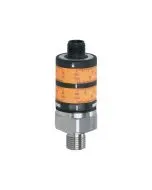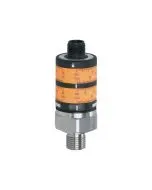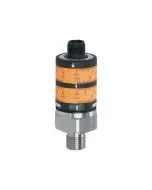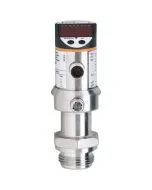
Compressed Air Pressure Sensor is the key to solving this problem to maintain the stability of SCMA machinery, an expert in industrial measurement tools providing comprehensive automation system solutions. This article delves into how it works, ways to select and purchase, along with a maintenance checklist that will help reduce downtime at your factory effectively.
What is a Compressed Air Pressure Sensor?
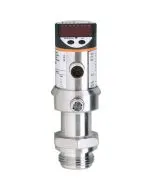
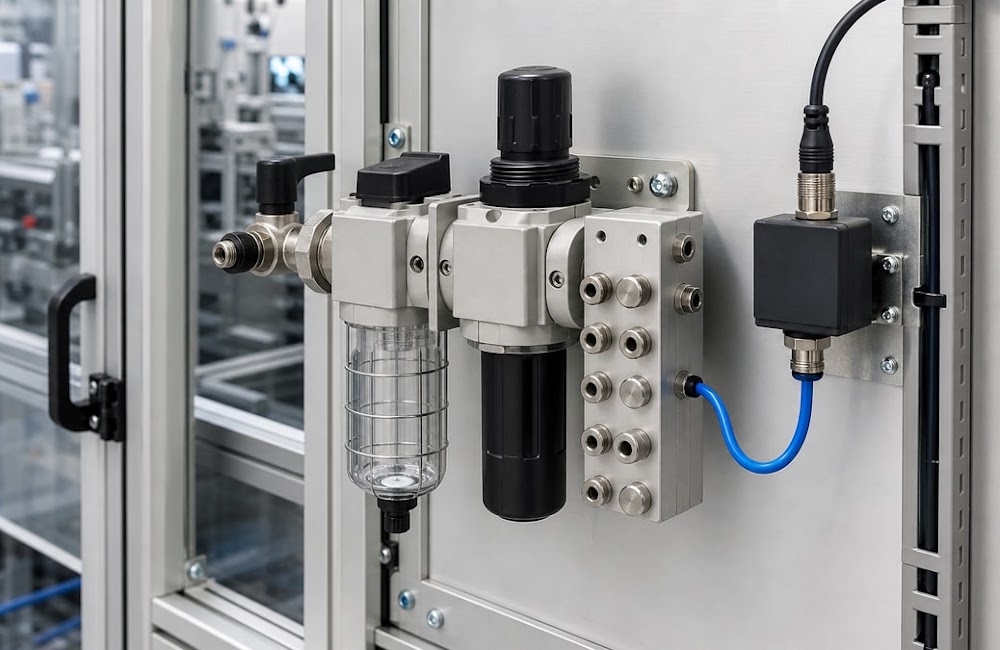
A Compressed Air Pressure Sensor is an important component in industrial compressed air systems, responsible for measuring the pressure of gas within the pipeline system. This device converts detectable physical pressure values into electrical signals to display, record or control machine operations, effectively preventing damage from excessively high or low pressures.
How the Compressed Air Pressure Sensor Works
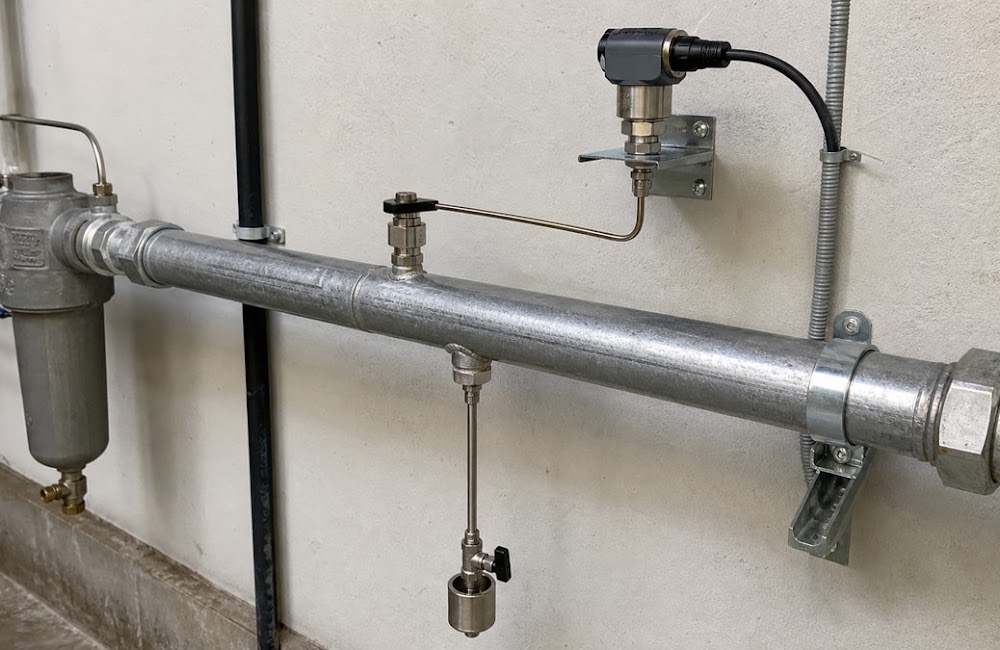
Based on the experience of the SCMA engineering team, pressure sensors operate using highly accurate Piezo-resistive technology. When compressed air enters the system, it undergoes a series of steps as follows:
Pressure Sensing
The compressed air in the system flows directly to touch the sensing diaphragm. This pressure causes the diaphragm to deform physically; this level of deformation is proportional to the amount of air pressure entering at that moment.
Signal Conversion
The internal Piezo-resistive structure changes its electrical resistance according to the degree of deformation of the diaphragm. A small embedded electronic circuit converts these changing resistances into standard electrical signals, which are highly stable and ready for transmission.
Display and Control
The converted electrical signals are sent to a digital display screen. The system can transmit signals through cables to the PLC to control automated systems. This step allows operators to monitor and control air pressure in real-time during production processes.
How many types of compressed air pressure sensors are there?
Based on international reference sources such as Pressure Sensors, this type of equipment is primarily divided into 3 types according to their working principles. Understanding each type will help improve system design.
Pressure Gauge (Pressure Gauge)
This traditional device operates purely mechanically, displaying pressure values in an analog format via a needle on the dial. Operators can easily read the value with the naked eye. This equipment is highly durable and does not require electrical power to operate.
Pressure Switch (Pressure Switch)
This sensor automatically switches the circuit's ON/OFF state when compressed air pressure reaches a set point (Set Point). It is ideal for use as a safety protection system, controlling the start/stop of air pumps to maintain constant pressure levels.
Pressure Transmitter (Pressure Transmitter)
This is the most accurate device in its group. Its function is to convert measured pressure values into standard electrical signals (such as 4-20 mA or 0-10 V). These signals are then sent for processing by a central system, used to control machinery requiring high precision.
Maintenance of Air Pressure Sensor
Proper maintenance helps pneumatic systems operate accurately and extends the lifespan of equipment. The repair team should follow these important guidelines.
Check for Compressed Air Leaks
The technicians should regularly inspect connections, seals, and sensor installation areas. Allowing air leaks will cause inaccurate pressure readings, forcing air compressors to work harder unnecessarily and wasting electricity in the factory.
Air Preparation Quality Control
In real-world applications, an air filter set should be installed before compressed air reaches the sensor to capture moisture and dust. Good quality air preparation prevents dust from clogging and protects against internal diaphragm damage due to abrasion.
Clean Air Inlet Ports
If the display shows abnormal readings, start by checking the pressure inlet area. If oil residue is found, gently blow it off with air or carefully clean it using alcohol-soaked cotton swabs. Do not use sharp objects to probe.
Calibration of Sensors
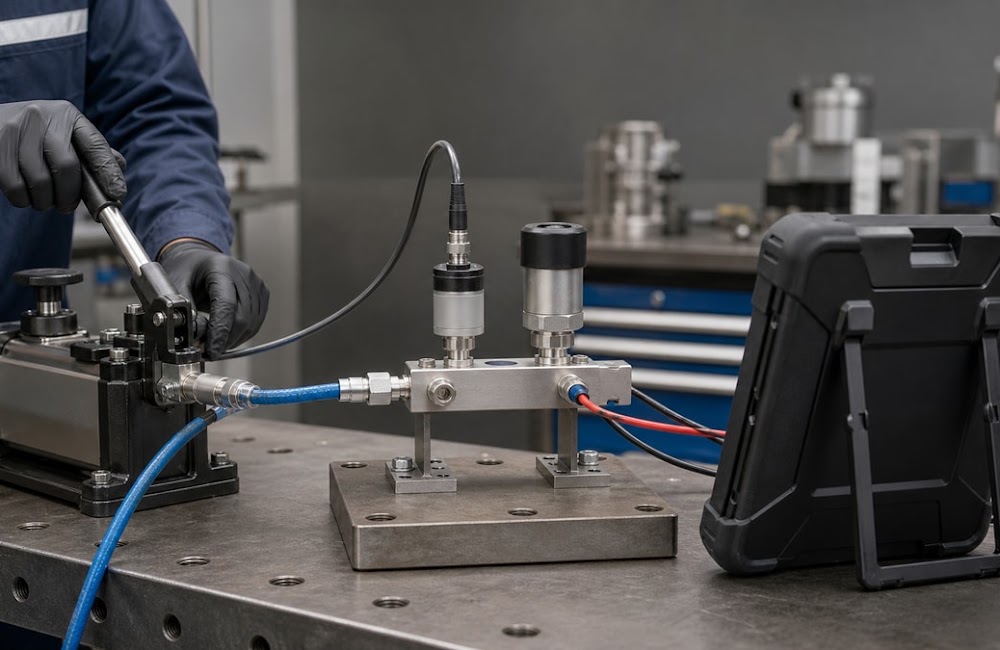
To maintain the highest engineering accuracy standards, equipment should be sent to a laboratory for calibration against standard instruments (calibration). The appropriate time frame is every 1-2 years or as per the manufacturer's specified operating hours.
Avoid Overpressure (Overpressure)
The system controller must ensure that pressure does not exceed the maximum limit (Max Pressure Limit) of the sensor model in use. Allowing excessive pressure to enter the equipment will cause permanent damage to internal pressure cells.
Usage of Air Pressure Sensors
Automation systems rely on accurate data for decision-making. Pressure measuring devices help transmit these critical pieces of information to the central control system. The application in factories can be categorized according to equipment types as follows:
In-Situ Inspection with a Pressure Gauge
Mechanical pressure gauges are easily installed at various points along air pipe lines. Field workers can read values through the dial to assess initial conditions, providing basic inspection at low cost.
Safety Control with a Pressure Switch
A pressure switch monitors levels to ensure they do not fall below or exceed set thresholds. The system immediately orders circuit disconnection upon abnormal events, preventing expensive machinery from damage due to air loss conditions.
Data Analysis through a Pressure Transmitter
Transmitters send electrical signals representing real-time pressure values to central display screens. This data is used for analyzing energy efficiency and helps management make more precise production process improvements.
Benefits of Compressed Air Pressure Sensors
Selecting high-quality equipment from the ifm brand, distributed by SCMA, helps prevent sudden system failures. These devices offer technological advantages that can increase business profits.
Real-time Monitoring
Smart sensors help monitor sudden drops or overpressure conditions in production lines. Quick alerts reduce immediate damage to sensitive components in compressed air systems.
High Precision and Flexibility
New generation equipment offers high resolution in converting pressure into both analog and digital signals, supporting communication through the IO-Link system for seamless integration with industrial IoT networks.
Durable Performance
Housings are made from robust materials that withstand harsh pulling pressures and severe environments, whether in heavy industry plants, food factories, or beverage industries. The equipment remains stable and reliable under all conditions.
Covering All Types of Work
A variety of measurement technologies are available for selection, including normal pressure gauges (Gauge), differential pressure measurements, and vacuum level measurements, fully addressing engineering requirements.
Enhance Energy Efficiency
Knowing the true pressure levels allows engineers to assess energy consumption behavior in systems. This information leads to tuning machinery to reduce air loss, thereby lowering overall electricity costs for the organization.
How to Choose a Compressed Air Pressure Sensor
Selecting All Products related to air systems for your production line requires careful consideration of engineering criteria to ensure the sensor works optimally with existing control systems. Key guidelines include:
- Type of Sensor (Type): Choose a display format that matches the purpose, whether it's a Pressure Gauge for visual inspection, a Pressure Switch for circuit switching, or a Pressure Transmitter for sending signals to PLC.
- Pressure Range (Measuring Range): Set the pressure range to cover normal operation and always account for maximum pressure values. For example, in standard air systems at 7 bar, choose a sensor that supports up to 10 bar for safety.
- Output Signal or Connection: Check the signal format supported by PLC (such as 4-20mA, 0-10V, IO-Link), and ensure process connection sizes like G 1/4" or G 1/2" fit your air line.
- Installation Environment: Evaluate temperature, humidity, and installation area. Choose models with high water protection standards (IP65 or IP67) if used in dusty areas.
The Importance of Choosing a Standardized Distributor
Investing in compressed air pressure sensor systems is not just about buying products but also securing reliability for your production line. Working with an experienced organization significantly reduces business risks.
- Specialized Expertise: Experienced distributors can accurately analyze on-site issues, helping design Air Flow Meters that align perfectly with pressure requirements.
- Access to Global Technology: Good technical partners provide leading international brands, ensuring customer confidence in durability and accurate measurement standards.
- Integrated After-Sales Service: Having an in-country maintenance team for calibration issues and technical problems significantly reduces downtime.
Summary
Air compressor pressure sensors are crucial devices that help maintain the balance of industrial compressed air systems within standard parameters. Learning how to select and properly maintain them can enhance production efficiency and reduce energy costs in the long run. Our services cover everything from consultation, system design, to full service by our expert engineers.
If you want to purchase air compressor pressure sensors, SCMA is ready for your order today!
SCMA Co., Ltd. (SCMA) is a technical partner that provides the most accurate measurement solutions for your factory. We sell high-quality equipment tested according to international standards and offer full calibration services for seamless operation. Contact us immediately to consult our expert engineering team.
Frequently Asked Questions
How long is the lifespan of an air compressor pressure sensor?
The average lifespan is 3-5 years, depending on the environment. Avoiding excessive pressure can extend its life.
Why does the displayed pressure value differ from actual values?
The main cause is dust clogging at air intake ports and leaks along internal compressed air pipe joints.
What are the advantages of 4-20mA signals?
They are industrial standard signals that are robust against interference, transmitting data over long distances without loss.
How often should calibration be performed on sensors?
Calibration should be done annually to maintain accuracy and comply with quality system standards.
Where can I read more about Pressure Sensors?
Customers can learn more in the engineering article What is a pressure sensor on our website.