
Megohm meters are high-level electrical resistance measuring tools designed to check the quality of insulation in electrical systems, whether at the factory, industrial level, or high-voltage systems. Measuring insulation values with such a tool can accurately prevent damage caused by electrical leakage or deteriorating insulation.SCMA provides various models of resistance and megohm meters to support all types of electrical system testing applications.
What is a Megohm Meter?
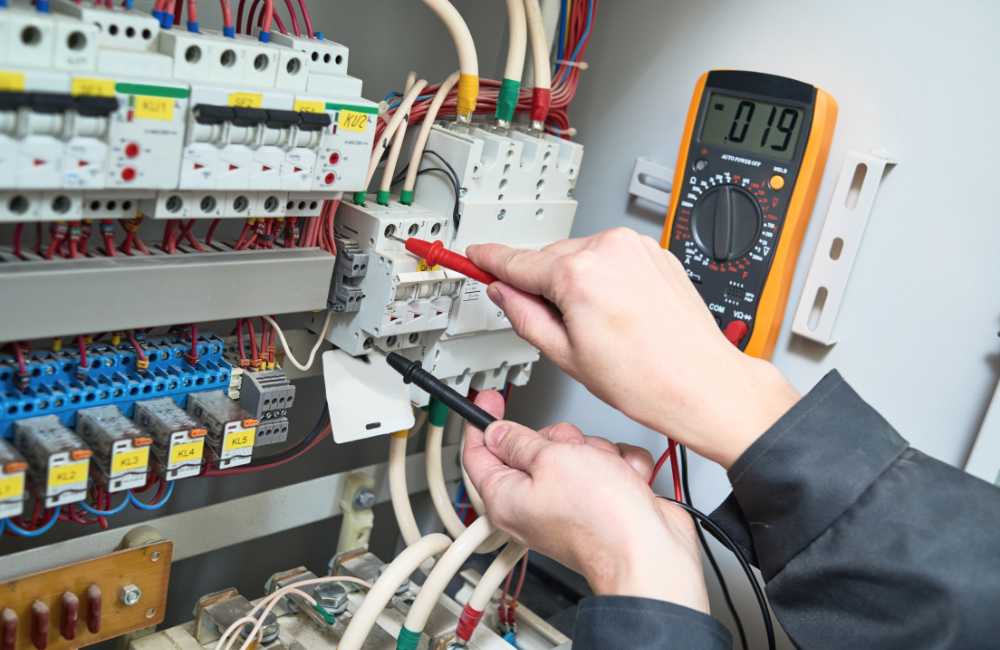
A megohm meter is a high-level tool for measuring the insulation resistance of electrical circuits, measured in megaohms (millions of ohms). It is designed to check the condition of insulation on wires, motors, transformers, or other electrical equipment. The basic principle involves applying high voltage through the insulation and then measuring the current that flows through it to calculate the resistance value. This value indicates whether the insulation is intact or deteriorating, unlike ordinary ohmmeters which cannot measure such high levels of resistance.
How Megohm Meters Work
The principle of operation for a megohm meter involves generating high DC voltage, such as 500V, 1000V, or higher, and passing it through the insulation of the equipment being tested. Then, it measures the leakage current flowing through the insulation and calculates the resistance value using the formula R = V/I (Ohms = Voltage / Current). High-precision megohm meters can provide quick and reliable results, especially when used in conjunction with industrial standards such as IEC or IEEE for assessing insulation quality.
Benefits of Megohmmeters
Megohmmeters are versatile tools used in electrical engineering and the maintenance of electrical systems, especially in high-safety environments such as power plants, heavy industries, or large data centers. Megohmmeters help detect insulation faults before severe damage occurs, reducing risks from short circuits and ground leakage, and can efficiently plan preventive maintenance. They also contribute to extending the durable lifespan of electrical equipment.
Megohmmeter Usage in Industry
The use of megohmmeters in industry is diverse and crucial, particularly for maintenance and inspection of electrical systems, which helps prevent damage from deteriorating insulation and reduces long-term repair costs.
- Inspecting the insulation of industrial power cables
- Checking electric motors, transformers, and machinery
- Used in solar cell inspection work
- Testing the readiness of high-voltage communication lines
- Inspecting electrical systems in buildings and government facilities
How to Use a Megohmmeter
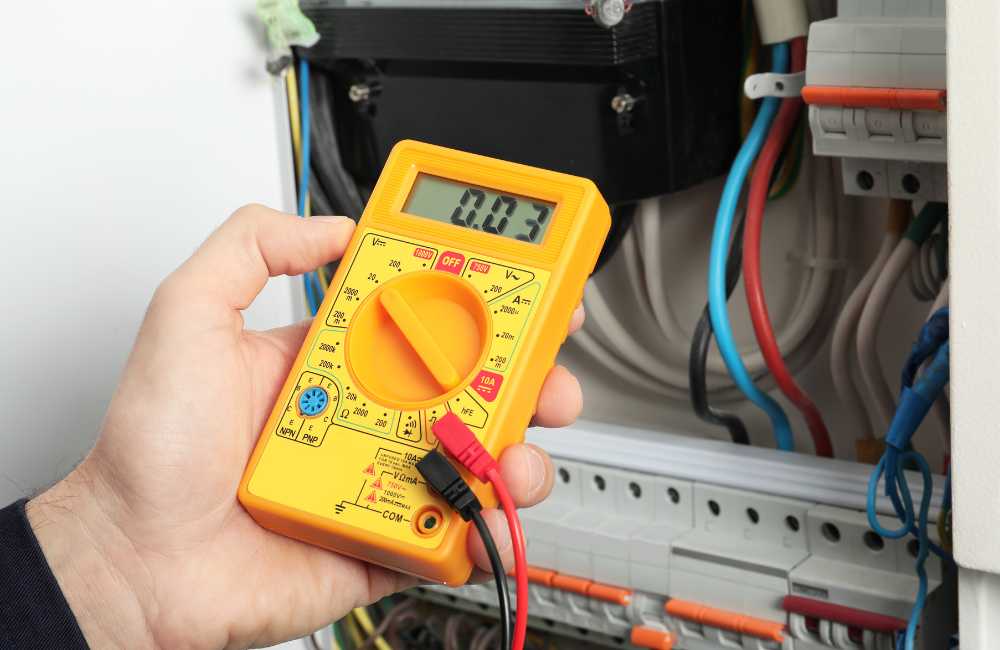
Before using a megohmmeter, it is necessary to study the user manual and safety guidelines to ensure accurate measurements and prevent damage to equipment or users. Generally, the following steps are involved:
- Turn off electrical systems and discharge any residual electricity from the device to be checked.
- Connect test leads to the megohmmeter and the component being measured.
- Select an appropriate voltage range for testing, such as 500V, 1000V, or 5000V.
- Press the start test button and read the resistance value displayed.
- Record the results and check them against reference standards.
Types of Megohmmeters
Megohmmeters come in various types, depending on the nature of work, measurement accuracy, and ease of use. Generally, they can be divided into two main categories: analog (needle) and digital types, each with its own advantages.
Analog Megohmmeter
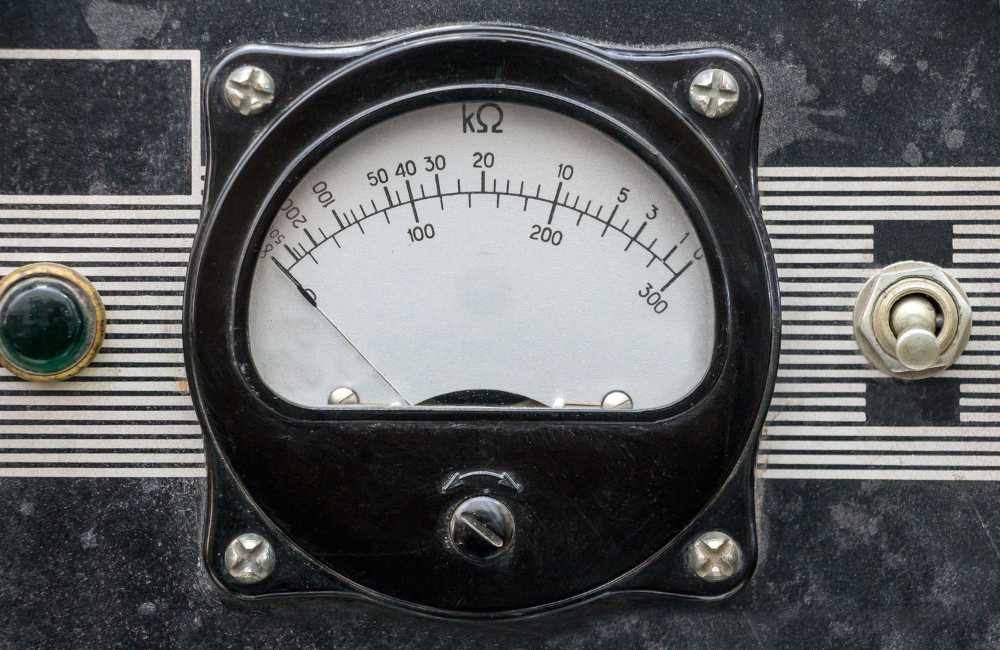
Analog megohmmeters use the principle of needle movement driven by magnetic force from electric current flowing through the measurement circuit. They are highly durable and do not require internal batteries like digital types, making them suitable for work that does not require extremely high accuracy or in environments unsuitable for electronic equipment.
Digital Megohmmeter
Digital megohmmeters display resistance values on an LCD screen, making it easy to read the measurements. They have automatic functions such as voltage range selection and average calculation, suitable for high-precision applications like testing high-voltage electrical systems in factories or laboratories.
Guidelines for Safe Use of Megohmmeters
Using a megohmmeter requires considering the safety of both users and equipment, as high voltage testing can be dangerous if not used correctly.
- Ensure there is no electrical current in the circuit being measured.
- Use gloves and leakage protection equipment during testing.
- Avoid touching metal parts while measuring.
- Strictly follow the manufacturer's user manual.
- Do not use equipment in environments that are too humid or have temperatures exceeding specified limits.
If you are interested in Megohm Meters, you can now purchase them from SCMA!
SCMA offers a variety of Megohm Meters, both analog and digital models, covering all insulation resistance measurement needs whether for installation, inspection, or maintenance in factories. We carefully select Insulation Testers from reliable manufacturers and provide consultation by expert teams who truly understand the use of ohmmeters. Additionally, we offer comprehensive after-sales services to ensure customer satisfaction.
Summary
Megohm Meters are essential insulation resistance measuring instruments in electrical systems for preventing damage and increasing the safety of various equipment usage. SCMA is ready to provide high-quality Megohm meters and electrical measurement equipment, along with expert consultation. If you are looking for accurate and reliable resistance measuring tools, SCMA is a trusted choice.
Frequently Asked Questions
What is a Megohmmeter?
Megohmmeter is a tool used to measure the insulation resistance of electrical equipment, capable of measuring values in megohms or higher. It is commonly used for checking the insulation condition of devices such as cables, motors, transformers, and high-voltage systems.
What's the Difference Between an Insulation Tester and a Megohmmeter?
These terms are often used interchangeably but can have different nuances in certain contexts
- Megohmmeter: Focuses specifically on measuring insulation resistance, offering precise and diverse measurement functions.
- Insulation Tester: A broader term referring to tools used for checking insulation, which includes megohmmeters.
- Some models of insulation testers may not measure resistance up to the megohm level like a megohmmeter does.
How Does a Megohmmeter Work?
A megohmmeter generates high voltage and applies it across the insulation to be tested. It then measures the current flowing through and calculates the resistance value in ohms, providing an accurate and safe way to check insulation condition.
What Are the Benefits of Using a Megohmmeter?
A megohmmeter allows for checking the integrity of electrical equipment insulation before problems occur, such as leakage or damage. It is an essential tool for electric engineers, technicians, and those working in industries involving high-voltage systems.