
For wastewater quality control in both industrial and environmental sectors, COD (Chemical Oxygen Demand) and BOD (Biochemical Oxygen Demand) are the primary indicators that help determine the amount of organic matter present in water. COD is the measure of all oxidizable substances, while BOD indicates the amount of oxygen used by microorganisms to break down organic material. Understanding the differences between COD and BOD is crucial for designing and controlling wastewater treatment systems effectively and safely for the environment.
What is COD BOD? Meaning and Properties to Know

COD BOD values are units used to assess the amount of oxygen required for the decomposition of organic substances in water. BOD represents the oxygen that microorganisms need, while COD shows the oxygen needed for chemical reactions. Both values help evaluate the level of organic pollution in water and play a significant role in wastewater treatment systems. What is COD BOD? This is considered a fundamental question that environmental experts must understand.
What is COD (Chemical Oxygen Demand)?
COD or Chemical Oxygen Demand measures the amount of oxygen required to oxidize organic and inorganic substances in water without relying on biological processes. Measuring COD helps quickly and accurately assess overall pollution levels, making it suitable for industrial water quality control that requires immediate quantitative data.
What is BOD (Biochemical Oxygen Demand)?
BOD or Biochemical Oxygen Demand measures the amount of oxygen used by microorganisms to break down organic substances over a period, typically tested within 5 days (BOD5). It reflects the water's capacity to support biological processes and indicates the biological pollution load in water. BOD COD values are used to plan treatment systems to prevent environmental impacts.
Why is it Necessary to Measure COD and BOD in Wastewater?
Analyzing COD BOD is a crucial process for wastewater management to ensure that water released into the environment meets safety standards and does not affect ecosystems. Key considerations include:
- Both values are used to assess water quality and organic pollution levels.
- Help in designing and improving wastewater treatment systems for efficiency.
- Support compliance with environmental laws.
What are the differences between COD and BOD?
Although COD and BOD are both indicators of the quality of wastewater based on the amount of organic matter in the water, their analytical characteristics and meanings differ. COD measures all organic substances with chemicals, while BOD only measures organic substances that microorganisms can break down, making these two values play different roles in environmental engineering.
Comparison of Measurement Processes
The measurement processes for COD and BOD differ both in methodology and purpose of use.
- COD: Uses chemicals such as potassium dichromate to oxidize organic substances, the process takes a short time and yields quick results.
- BOD: Uses microorganisms as the main variable, must strictly control temperature and time, requires about 5 days to obtain results.
Analysis Time
The analysis time is another factor that clearly distinguishes COD from BOD.
- COD: Takes approximately 2-3 hours to analyze, suitable for work requiring quick results.
- BOD: Requires a 5-day analysis period (BOD5), making it suitable for biological degradation checks.
Accuracy and Application in Environmental Engineering
In terms of application, COD and BOD each have their strengths in accuracy and benefits to wastewater treatment systems that differ from one another.
- COD: Provides more accurate and comprehensive quantitative values, but cannot distinguish degradable substances.
- BOD: Suitable for biological BOD analysis and designing systems that use microorganisms.
Why are COD and BOD values important for wastewater treatment systems?

Accurate calculation and analysis of BOD and COD values help in designing and controlling wastewater treatment systems effectively. These values determine the selection of technology and appropriate oxygen supply, reducing pollution before discharging water into natural sources, and preventing long-term environmental problems.
How are COD and BOD measured?
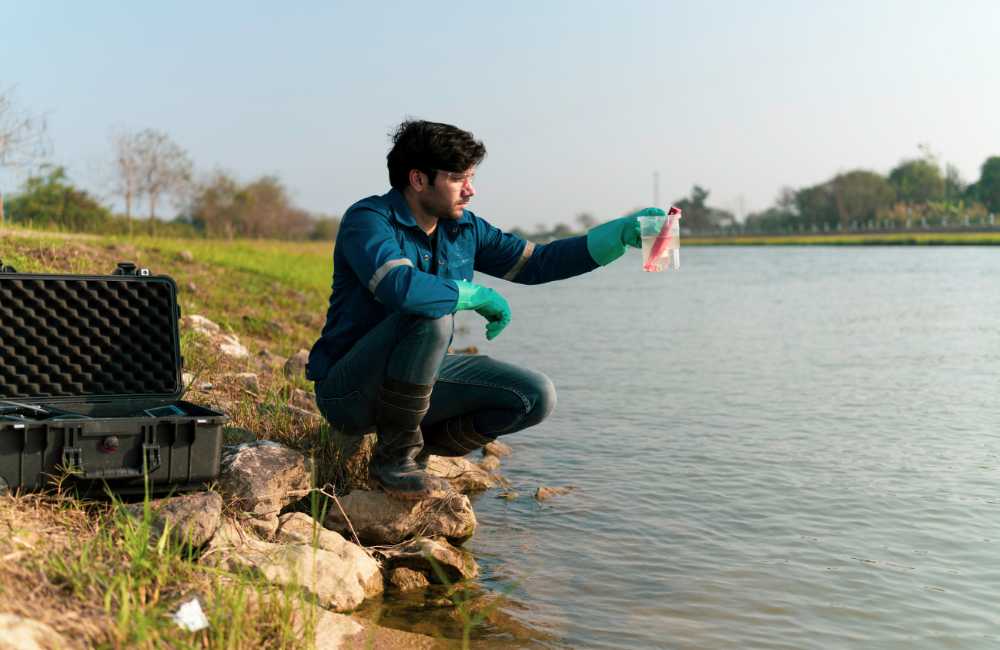
Measuring Bod Cod requires precise techniques and equipment to obtain reliable results. This must be done under controlled conditions that comply with laboratory standards, and accurate Bod analysis plays a crucial role in water quality management.
Equipment and Techniques Used for Measurement
Selecting the right equipment ensures accurate and reliable readings:
- Automatic BOD meter
- Spectrophotometer for COD measurement
- Field test kits with reagents
- IO-Link Sensor system for real-time data transmission
Precautions in Sample Collection
Sampling procedures affect the accuracy of analysis, and it is important to:
- Use clean uncontaminated containers
- Collect samples under controlled temperature conditions
- Test the sample within a specified time frame
- Avoid direct sunlight and vibration during transportation
Recommendations for Controlling and Reducing COD BOD in Wastewater
Efficient management of Bod Cod requires good planning and control to maintain environmental standards and reduce costs:
- Regularly check water quality with reliable tools
- Adjust production processes to reduce organic matter content
- Use biological treatment systems in conjunction with chemical systems
- Train employees to understand water quality control
If you are interested in COD BOD Meters, SCMA is now available for purchase!
SCMA is ready to providewater quality measurement equipment for COD and BOD, complete with advice from our expert engineering team to help you set up wastewater treatment systems that meet your business needs. We select leading technologies capable of accurately measuring Bod Cod values, along with comprehensive installation and after-sales services. If you are interested in high-quality COD and BOD meters, please contactSCMA's services today.
Summary
Cod Bod are important indicators necessary for all wastewater treatment systems. Understanding the characteristics, differences, and correct methods of analyzing Bod Cod will help you choose appropriate and environmentally friendly treatment methods.SCMA is pleased to provide consultation and comprehensive water quality measurement solutions to elevate your organization's environmental standards for long-term sustainability.
Frequently Asked Questions
What are COD and BOD? How do they differ?
COD and BOD values are common questions in environmental work. The answers can be explained as follows:
- COD measures the chemical oxygen demand for breaking down organic substances
- BOD measures the biological oxygen demand by microorganisms
- COD is quick and can measure both biodegradable and non-biodegradable substances
- BOD takes longer but accurately reflects the biological load
What should be the standard COD and BOD values for wastewater?
Generally, standards depend on the type of water source and environmental regulations. For example, industrial waste must have a COD value not exceeding 120 mg/L and a BOD value not exceeding 20 mg/L. These may vary according to business types and regional requirements.
Why is it necessary to measure both COD and BOD together?
MeasuringCOD and BOD values together is crucial for comprehensive analysis:
- It helps evaluate water quality from multiple perspectives
- Increases the accuracy in designing treatment systems
- Supports comprehensive pollution control planning
What does a high COD or BOD value indicate?
When the COD or BOD values exceed standards, it may have environmental impacts and require urgent correction:
- Indicates an unusually high amount of organic substances in wastewater
- Increases the risk of oxygen depletion in water sources
- May affect the health of aquatic ecosystems and wildlife