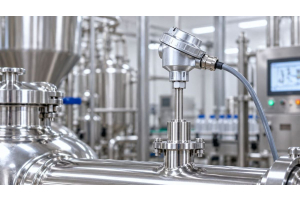
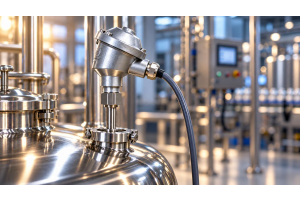
SCMA, the leader in providing industrial safety equipment, introduces the Gas Detector, an essential device for detecting dangerous gases to prevent risks to life and property, especially in areas with a high use of chemicals or flammable substances. Understanding how gas detectors work and their types is crucial for engineers, safety officers, and operators across all industries.
What is a Gas Detector?

Gas Detector is a device designed to measure the concentration of gases in the air, capable of identifying the type of gas detected and alerting when leakage exceeds set levels. Gas detectors are essential tools used across various industries such as petrochemical plants, power stations, and mines to prevent hazards from flammable or toxic gases. The choice between fixed installation or portable models depends on the nature of the location and intended use.
How Does a Gas Detector Work?
The operation of a Gas Detector depends on the type of gas sensor used, which converts gas concentration levels into electrical signals for processing. Typically, there is a set threshold level; when this level is exceeded, an immediate alert is issued through sound, light, or digital signal. The gas leak detection sensor is crucial to the device as it must be highly sensitive and accurate in various environments.
Why are Gas Detectors Important?

In many industrial areas, there is a risk of gas leaks that cannot be detected by sight or smell. Gas detectors play a crucial role in ensuring safety for both personnel and facilities, especially during production processes involving flammable or toxic substances.
- Help reduce the risk of explosions or fires
- Detect toxic gas leaks before they become dangerous
- Support safety systems in engineering and factories
- Provide assurance to employees in hazardous areas
- Offer real-time warning signals
What are the Benefits of Gas Detectors?

Gas detectors help efficiently detect and assess the risks of gas leaks, especially in poorly ventilated areas such as chemical storage tanks or underground rooms. Additionally, they enable organizations to respond more quickly to emergencies and are essential tools for complying with safety standards set by laws like OSHA or other industry standards. Therefore, installing these devices is not just an option but a necessity.
What are the types of gas detectors?
Gas Detection offers several technologies to choose from based on the type of gas that needs to be detected. Each type uses different sensors tailored to fit environmental conditions and user requirements, which can primarily be categorized into four main types as follows:
Electrochemical Gas Sensors
These sensors are ideal for detecting toxic gases such as carbon monoxide or hydrogen sulfide. They work through chemical reactions on electrodes and convert them into electrical signals, with the key advantage being high accuracy and temperature insensitivity.
Catalytic Bead Sensors
Used for detecting flammable gases such as methane or propylene. They work by burning the gas at the sensor head, causing a temperature change that can be measured. These sensors are durable in various environments but should avoid high humidity areas.
Infrared Gas Sensors
Infrared sensors measure the intensity of light absorbed by gas molecules, used for detecting gases such as CO2 or hydrocarbons. They are suitable for environments with dust or moisture because there is no chemical reaction involved.
Photoionization Gas Sensors
Suitable for detecting volatile organic compounds (VOCs) by using ultraviolet light to break down gas molecules and measure the resulting electrical current. They are highly sensitive to certain gases and provide quick detection results.
Maintenance of Gas Detection Equipment
To ensure accurate and continuous gas detection, maintenance of the gas detector should not be overlooked. Users should arrange for regular inspection and calibration as follows:
- Check the condition of the sensor weekly
- Calibrate (Calibration) at least once a month
- Replace the sensor according to each model's service life cycle
- Check the operation of the alarm system
- Clean the equipment and sensor head regularly
If you are interested in Gas Detectors, you can purchase from SCMA today!
SCMA is ready to provide sales services and consultation for selecting the appropriate gas detector that meets each organization's needs. We offer both fixed and portable Gas Detector Sensors, which have received international safety standards certification. Additionally, we have a team of expert engineers who can provide advice on gas detection and comprehensive after-sales service to ensure your confidence in every use.
Summary
Gas Detectors are important tools that help increase safety in environments with chemical or dangerous gas risks. Choosing efficient equipment and proper maintenance can significantly reduce the risk of accidents. SCMA is ready to be your partner in safety equipment, providing comprehensive services from consultation and sales to maintenance. If you need a high-quality gas detection system, do not hesitate to contact us.
Frequently Asked Questions
What is a Gas Detector?
A gas detector, or Gas Detector is a device designed to detect the presence of gases in specific areas, commonly used in places at risk from gas leaks such as factories or power stations. These devices work with alarm systems to help prevent serious incidents caused by flammable or toxic gases.
What are the benefits of using a Gas Detector?
Gas detectors play a crucial role in creating a safe working environment by accurately identifying dangerous gas levels in the air and alerting users before danger occurs. Regular use helps reduce the risk of severe accidents and supports compliance with industrial standards.
What can Gas Detectors measure?
The types of measurements a gas detector can make depend on the type of sensor used, which may include:
Gas Concentration measured in units
- ppm (parts per million) — for gases with low concentrations
- %LEL (Lower Explosive Limit) — for flammable gases, measuring the concentration relative to the explosive level
- %Vol (percent volume) — for gases with high concentrations
Types of Gases Measured (depending on the sensor)
Flammable gases
- Methane (CH₄)
- Propane (C₃H₈)
- LPG
- Hydrogen (H₂)
Toxic gases
- Carbon Monoxide (CO)
- Hydrogen Sulfide (H₂S)
- Nitrogen Dioxide (NO₂)
- Sulfur Dioxide (SO₂)
- Chlorine (Cl₂)
- Ammonia (NH₃)
Gases used for weather/environmental monitoring
- Oxygen (O₂) — to check for oxygen deficiency
- Carbon Dioxide (CO₂) — used in enclosed spaces or beverage industries
- Ozone (O₃)
- VOCs (volatile organic compounds)
Other Features Available in Some Models
- Real-time detection
- Sound/visual/vibration alerts
- Data logging
- Connects to control systems (e.g., SCADA, PLC)
- Simultaneous detection of multiple gases (Multi-Gas Detector)
How Many Types of Gas Detectors Are There?
Types of gas detectors are categorized based on the measurement technology used, as follows:
- Electrochemical Sensor: Detects toxic gases
- Catalytic Bead Sensor: Used for flammable gases
- Infrared Sensor: Suitable for dusty or vapor-filled areas
- Photoionization Sensor: Ideal for VOCs