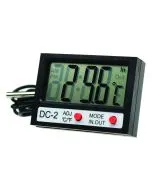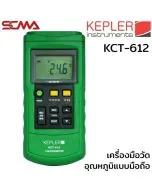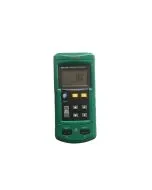
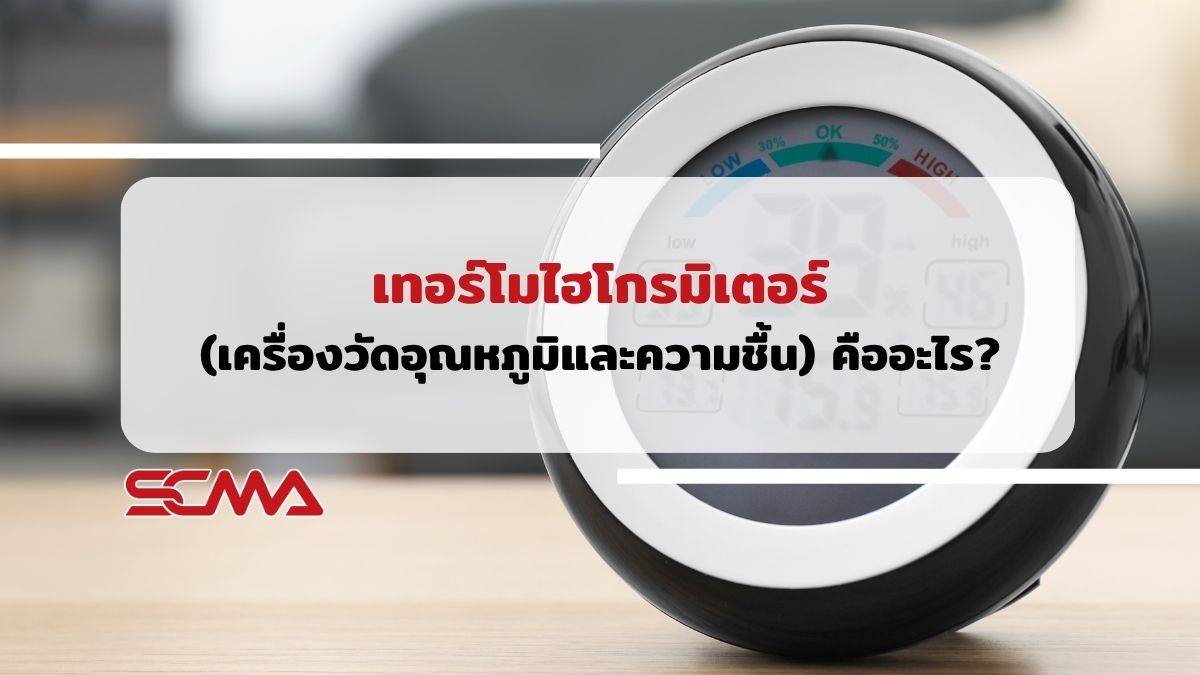
A thermohygrometer is a measuring instrument that combines the functions of a thermometer and a hygrometer to accurately measure both temperature and relative humidity, especially in controlled environments such as laboratories, storage rooms, or various industrial systems.SCMA, a leader in measurement tools and calibration services, offers a wide range of thermohygrometers that meet international standards and provides expert consultation to ensure users' confidence in the accuracy and quality of their chosen measuring instruments.
What is a Thermohygrometer?

A thermohygrometer (Thermo-Hygrometer) is a device that integrates the functions of a thermometer for temperature measurement and a hygrometer for relative humidity measurement into one unit. It is designed to be used both indoors and outdoors, suitable for monitoring and controlling environments where precise measurements of both types are required. Currently, it is widely used in quality control laboratories, clean rooms, storage areas for moisture-sensitive products, as well as HVAC systems.
How Does a Thermohygrometer Work?
The operation of a thermohygrometer depends on the type of sensors installed in the device. Typically, it has capacitive or resistive sensors for humidity measurement and thermistors or thermocouples for temperature measurement. The data is processed through electronic circuits and displayed on digital or analog screens. The accuracy of the instrument depends on the quality of the sensors, proper calibration, and regular maintenance of the equipment. Choosing an appropriate measuring device is crucial in controlling environmental quality in various applications.
What are the benefits of a thermohygrometer?
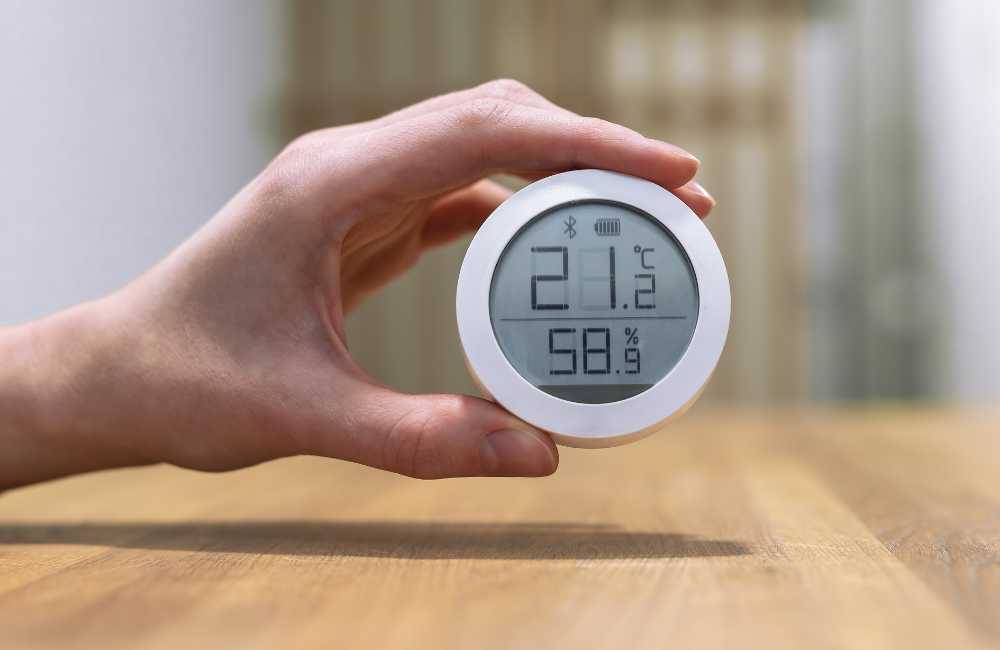
A thermohygrometer plays a crucial role in monitoring and controlling environments that require stability oftemperature and humidity, whether in industrial, medical, or even household settings. This type of temperature and humidity measuring device helps ensure accurate and standardized storage or control of production processes.
- Control the temperature and humidity in storage rooms for goods, pharmaceuticals, or environmentally sensitive materials
- Inspect laboratory conditions, cleanrooms, or clean rooms
- Use in HVAC systems to improve the efficiency of air conditioning systems
- Maintain appropriate environmental conditions for mushroom farms, farms, or greenhouses
- Check and record environmental data for quality control (QC)
What types of thermohygrometers are there?
Thermohygrometers come in various types suitable for different applications, categorized primarily by their display system and main functions. Each type is appropriate for specific situations both technically and financially for the user. Generally, they can be divided into two major categories:
Analog Thermo Hygrometer
An analog thermohygrometer uses physical mechanisms to display temperature and humidity readings via pointers on a dial. It is suitable for basic use where high accuracy is not required, as it does not need electricity, making it ideal for installation in areas without power sources or places that require simplicity and durability over long-term use.
Digital Thermo Hygrometer
A digital thermohygrometer uses electronic sensors to measure values and display results on an LCD or LED screen, providing accurate readings and the ability to record data. It is suitable for applications requiring precision such as laboratories or industrial plants. Some models may have additional functions like computer connectivity, over-limit alarm systems, and calibration features.
Units of Measurement in Thermohygrometers
To correctly interpret readings from a thermohygrometer, it is essential to understand the units being used for measurement. This ensures accurate environmental control. Commonly used standard units include:
- °C (Celsius): Used for general temperature measurements in the international system.
- °F (Fahrenheit): Used in some countries, such as the United States.
- %RH (Relative Humidity Percentage): The unit used to measure relative humidity in air.
How to Use a Thermohygrometer
Using a thermohygrometer correctly is essential for obtaining accurate and reliable readings, especially when used for quality control or calibrating other equipment.
- Install in a location away from direct sunlight or heat sources
- Avoid areas with strong air currents, such as near vents or fans
- Set the height close to the measurement level, for example, chest level in a room
- Regularly check and calibrate the instrument
- Use with data logging equipment if retrospective analysis is required
Where are Thermohygrometers Suitable for Use?

A thermohygrometer is a versatile temperature and humidity measuring device that can be used in both academic and commercial settings, particularly in areas where environmental control is crucial.
- Laboratories, Quality Control (QC) Labs
- Warehouses and pharmaceutical storage rooms
- Food, drug, or cosmetic manufacturing plants
- Document storage rooms, museums, or sound control rooms
- Agricultural farms, greenhouses, or animal husbandry farms
How Should You Maintain a Thermohygrometer Before and After Use?
Maintaining a thermohygrometer before and after use is crucial for the accuracy of measurements and the lifespan of the instrument. The following practices should be observed:
- Ensure it is installed away from localized sources of heat or humidity.
- Avoid dropping or sudden temperature changes.
- Clean the exterior surface with a dry cloth or slightly dampened one.
- Regularly calibrate it against standard equipment as per schedule.
- Store in a dry, dust-free place when not in use.
Why Use a Thermohygrometer?
Controlling temperature and humidity in various areas is not just for comfort but also impacts product quality, safety, and process stability. A thermohygrometer has become an essential tool that helps plan and control the environment appropriately, especially in industries requiring high accuracy or in storage areas sensitive to temperature and humidity changes.
Interested in Buying a Thermohygrometer? You Can Purchase from SCMA Today!
SCMA offers various models of thermohygrometers, both digital and analog, along with calibration services and expert usage guidance to ensure customers receive accurate humidity temperature measuring devices that meet industry standards. Additionally,SCMA also providescomprehensive after-sales and maintenance services to ensure users are confident in the quality throughout the lifespan of their equipment.
Summary
Thermohygrometer is a temperature and humidity measuring instrument that is essential for quality control and environmental management in various sectors, whether it be manufacturing, storage, or research. This tool helps to accurately and efficiently measure and manage the environment. SCMA is ready to provide quality measurement tools, along with calibration and expert advice, to meet every user's needs.
FAQ
What is a Thermohygrometer?
A thermohygrometer is an instrument that combines temperature and humidity measurement in one device. It is ideal for use in environments where environmental control is necessary, such as laboratories, warehouses, or air conditioning systems. The hygrometer part measures humidity and works together with the thermometer to provide accurate readings.
How does a Wet Bulb Thermometer differ from a Thermohygrometer?
A wet bulb thermometer is a basic device that measures humidity by comparing the temperature between a dry and a wet bulb. In contrast, a thermohygrometer uses electronic sensors or direct measurement mechanisms, making it more convenient and accurate.
- A wet bulb thermometer measures indirectly through temperature differences
- A thermohygrometer measures directly with sensors
- A thermohygrometer is suitable for work that requires accuracy and speed
- A wet bulb thermometer has a lower cost but takes longer to measure
How do you use a Thermohygrometer?
Using a thermohygrometer should be installed in an appropriate position, not near air vents or heat sources to avoid distorted results. Additionally, it is important to study the user manual of each model carefully and regularly calibrate the instrument for accuracy.
What are the units of measurement for Thermohygrometers?
This type of temperature and humidity meter typically displays both main units, namely degrees Celsius (°C) for temperature and relative humidity percentage (%RH) for humidity. The hygrometer measures what it is used to measure, which is the relative humidity in the air, and how to use a hygrometer would be related to installation position and surrounding environment.
Which models are interesting?
1.KEPLER Digital Thermo-Hygrometer Model KTH-02 Big Display Thermo-Hygrometer
https://scma.co.th/kepler-kth-02.html
2.KEPLER Digital Thermo-Hygrometer Model KTH-05 Temperature&Humidity Indicator
https://scma.co.th/kepler-kth-05.html
3.KEPLER Temperature & Humidity Meter Model KTH-798SD Handheld Thermo-Hygrometer
https://scma.co.th/kepler-kth-798sd.html
4.KEPLER Temperature & Humidity Meter Model KTH-799SD Temperature&Humidity Data Logger