Are you facing difficulties finding replacement parts for your cylinder model or waiting long for imports, causing production lines to stall? SCMA is here to solve this problem with ISO Standard Cylinder solutions that cover all applications through global brand distributors. This article helps you understand the differences between each standard and how to choose the most cost-effective options to reduce maintenance costs.
What are ISO Standard Cylinders?
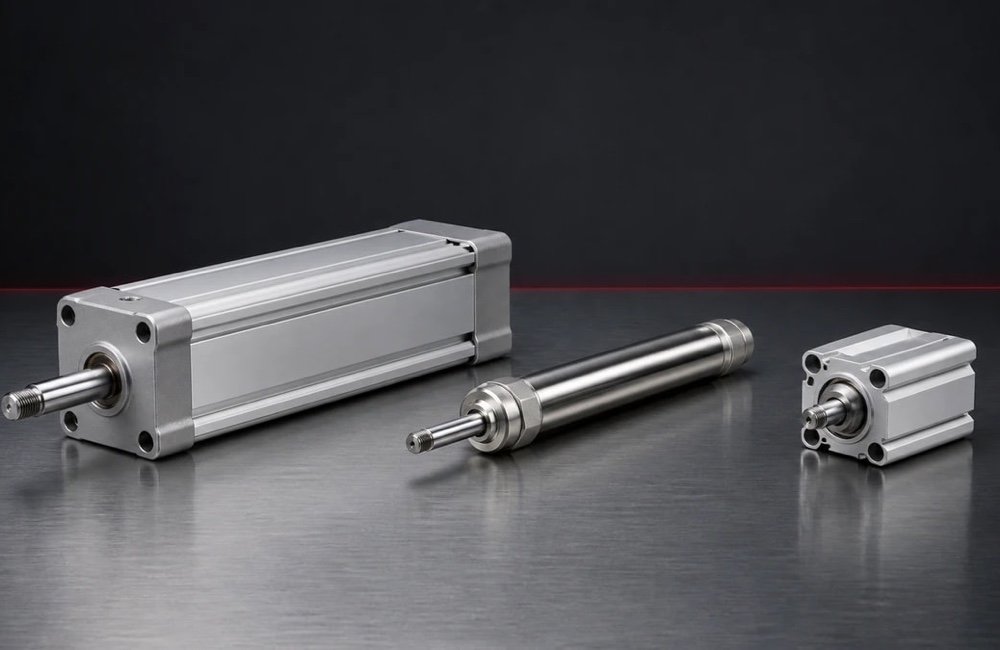
The ISO Standard Cylinder is a pneumatic cylinder produced according to international standards such as ISO 15552 or ISO 6432, allowing immediate interchangeability. The key features include consistent mounting dimensions, hole patterns, and stroke lengths, making it easier for maintenance teams to find replacement parts and reducing the hassle of modifying machinery when switching brands.
What are the ISO Standard Cylinder Standards?
Understanding specific cylinder standards helps ensure accurate part ordering without wasting time on trial-and-error at the site, which can lead to damage.
ISO 15552 Heavy-Duty Cylinder Standard
This standard covers Profile or Tie-rod cylinders used in general industrial settings where high impact forces are encountered. The cylinder body features an Adjustable Cushioning system that absorbs impacts better than regular models, ensuring consistent performance even with continuous long-term use on production lines.
ISO 6432 Mini Cylinder Standard
Designed for small-scale work requiring high precision and limited installation space, these cylinders are compact yet robust. They are commonly seen in the electronics industry or automated sorting systems.
ISO 21287 Compact Cylinder Standard
Focused on use in restricted spaces while maintaining full international standard pressure ratings, this cylinder is shorter than regular models, allowing for greater flexibility in machine design. The pneumatic work efficiency remains highly accurate.
Is ISO Standard Product Necessary?
In real applications, it is not necessary to limit yourself solely to ISO standard cylinders. If your machinery has very limited space or requires exceptionally high movement speed, using non-standard pneumatic cylinders can be a better solution. However, if you prioritize sustainability and the availability of replacement parts in the future, choosing an ISO Standard Cylinder results in more convenient maintenance over the long term.
Guide to Selecting Cylinders for Your Application
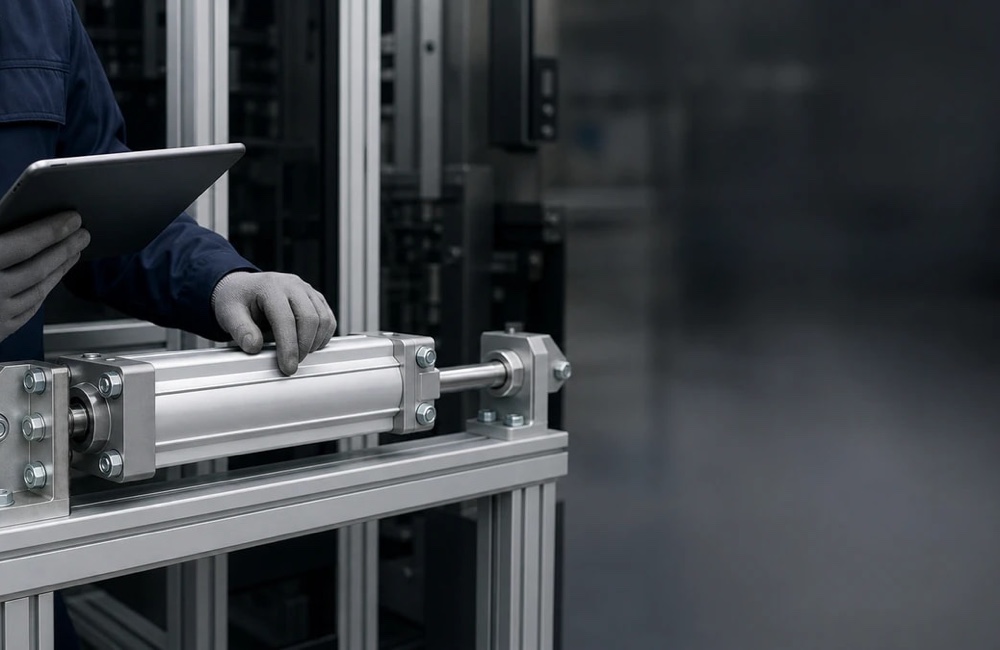
Selecting a cylinder that fits your system requires considering several engineering factors to prevent inefficient usage or shortened lifespan.
Operating Pressure and Temperature (Pressure & Temperature)
Check the actual pressure range that the cylinder can handle along with the temperature in your production line. Choosing seals that are heat-resistant according to your environment helps reduce air leakage rates and extends the life of the cylinder.
Stroke Length and Speed (Stroke & Speed)
Calculate the stroke length accurately and consider movement speed alongside shock absorption systems. Selecting a cylinder with an appropriate cushioning system reduces structural damage to machinery during high-speed operation.
Environmental Conditions and Corrosion
In environments with high humidity or chemical exposure, choose materials for the barrel and piston rod that are stainless steel or have special coatings to prevent rust formation and piston sticking, which are primary causes of machine downtime.
Mounting and Accessories (Mounting)
Check if the cylinder mounting points match the original standard. Preparing accessories such as Clevis or Foot Mounts that fit your model makes installation faster and reduces errors from adapting mounting points.
Benefits of Choosing Standard International Cylinders
The advantages of using cylinders that meet international standards help improve the efficiency of spare parts inventory management.
- Interchangeability: Immediate replacement is possible even if they are from different brands but with the same standard.
- Availability: Easy to purchase in the market without having to wait for special orders for several weeks.
- Cost Effective: Market-driven pricing and reduced costs of stocking multiple models.
- Simplified Design: Easier for machine designers as they use reference sizes from international standard templates.
Maintenance Tips to Reduce Downtime
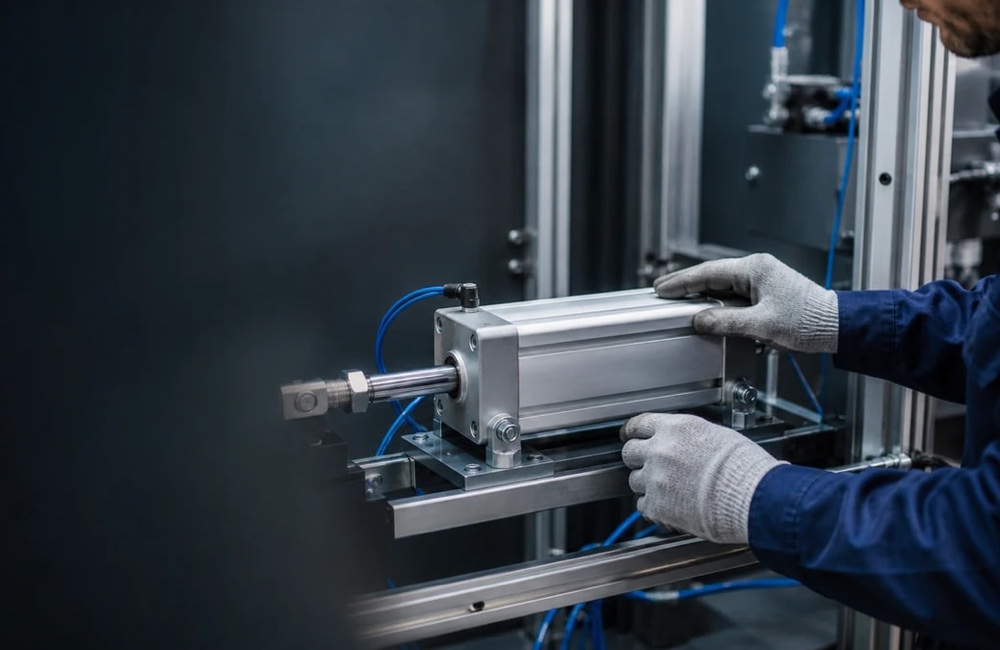
Proper maintenance of cylinders helps save costs and reduce the risk of production lines suddenly stopping.
- Clean Air System: Install an F.R.L set to filter contaminants and water droplets before entering the cylinder.
- Correct Lubrication: Check oil lubrication delivery according to the type of seal being used.
- Daily Inspection: Regularly check for leaks at joints and end seals every day.
- Proper Alignment: Install cylinders in alignment to reduce lateral stress that may cause bending or failure of the seal.
If you want to buy ISO Standard Cylinders, SCMA is ready to serve you today!
SCMA understands the industrial on-site problems where waiting for spare parts cannot be tolerated. We therefore stock ISO Standard Cylinder from leading global brands to meet your needs. Our team of engineers is ready to provide technical consultation and help select the correct specifications to ensure that your pneumatic system returns to full efficiency as quickly as possible.
Summary
ISO Standard Cylinder is a crucial component that ensures production lines operate smoothly and makes it easy to find replacement parts. Choosing standards that fit the job can actually reduce hidden maintenance costs. If you are looking for reliable pneumatic solutions, SCMA is ready to be your nearest technical partner. See all of our services at Our Services
Frequently Asked Questions
How does ISO 15552 differ from ISO 6431?
ISO 15552 is a new standard developed to replace ISO 6431, focusing on the design of cylinders that hide mounting screws for cleaner and safer use.
Can I use cylinders from different brands but with the same standards?
This is possible because bore size, screw mounting length, and stroke are standardized internationally, allowing users to choose a brand according to their preference.
Why does cylinder pressure drop during operation?
The main cause is usually internal seal leaks or control valve malfunctions. It's advisable to check the air system and initial air filter set before replacing the cylinder.
How long is SCMA’s delivery time?
We have standard stock items ready for immediate shipment to support urgent industrial needs, with a team checking specifications accurately before delivering to you quickly.
Are there separate seal kits available for standard models?
We offer seal kits (Seal Kits) that meet ISO standards for all models, helping you save costs on replacing the entire cylinder when it is still in good condition.