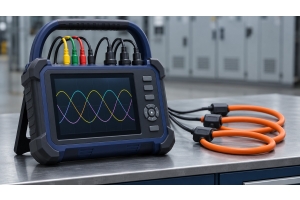
Is your factory facing issues with inefficient gas leak detection? Inaccurate measurements can lead to massive losses and pose serious risks to employees' lives. The Infrared Gas Sensor is a crucial device that helps monitor safety, and SCMA Company offers comprehensive industrial-level gas detectors solutions. This article will guide you through the working principles, advantages, and a checklist for selecting the right equipment to sustainably enhance your factory's safety.
What is an Infrared Gas Sensor?
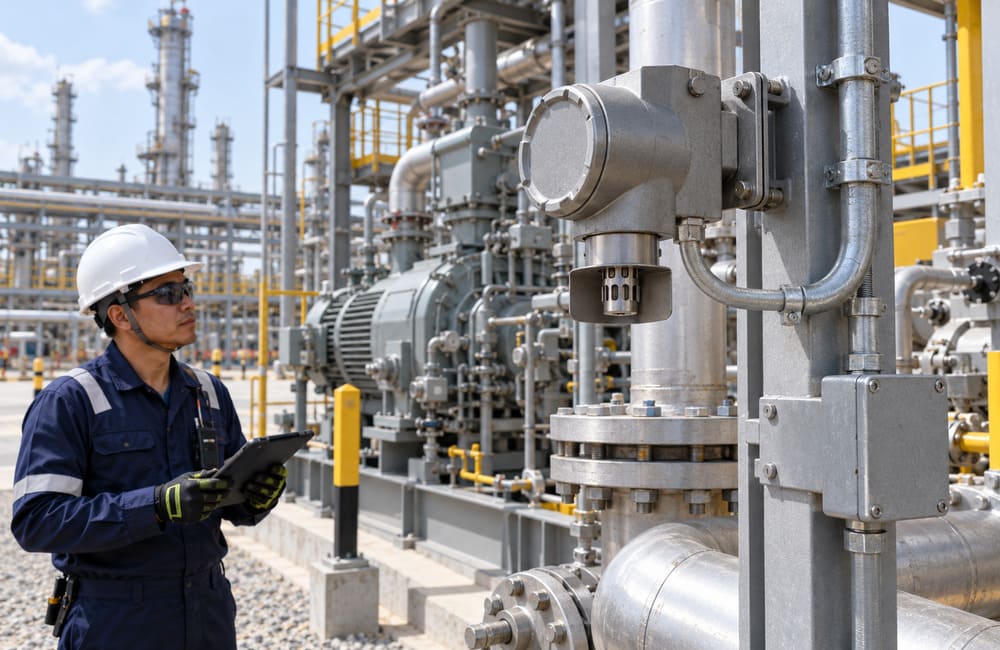
Infrared Gas Sensor (gas sensor using infrared radiation) is a highly accurate detection device. SCMA Company specifically supplies these devices for industrial use. This type of equipment is used to detect flammable gases such as methane or propane by absorbing infrared light. Quick detection effectively prevents dangers from gas leaks.
How Infrared Gas Sensor Works
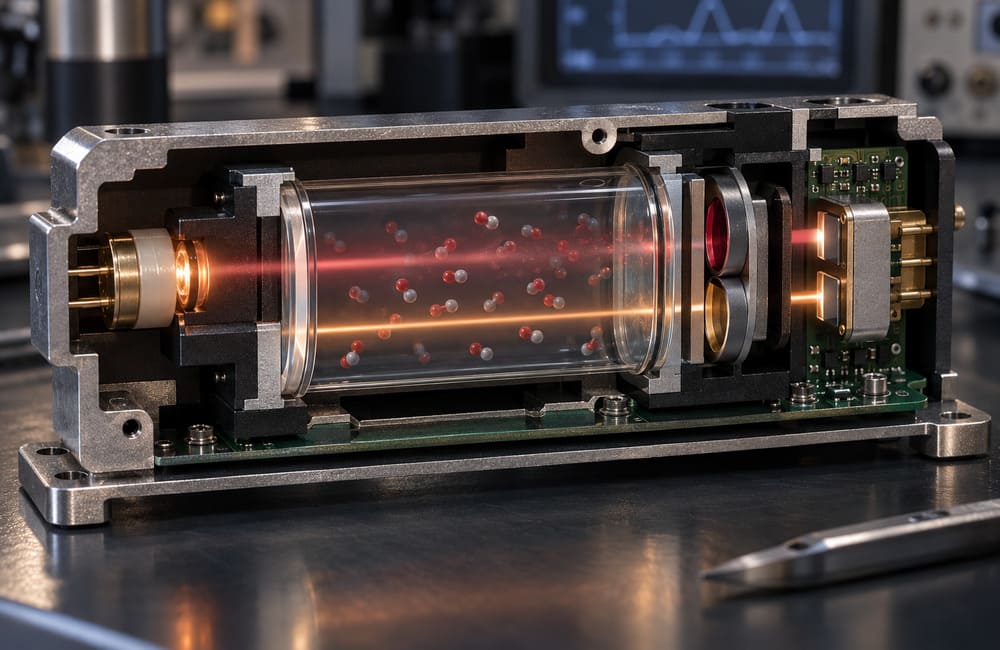
The working principle of Infrared Gas Sensor type NDIR supplied and provided by SCMA relies on the technology of light absorption at specific wavelengths of the target gas molecules. When the gas flows through the sample chamber, the intensity of the light decreases according to the concentration of the gas. Then the system converts it into an electrical signal for quick display.
Light Source (IR Source)
This component continuously emits infrared radiation through the gas detection chamber to serve as the initial signal for measurement. High-quality infrared sensors provide stable light for the most accurate gas detection. The perfect operation of the light source is the core of the detector.
Light Absorption (Absorption)
Target gas molecules such as hydrocarbons or carbon dioxide absorb energy in specific wavelength ranges. This process causes the light intensity to decrease, while the reference wavelength is not absorbed. This change clearly reflects the amount of gas in the atmosphere.
Optical Filter (Optical Filter)
This device filters infrared light to leave only the actual wavelength range needed for use. Accurate filtering helps the system distinguish gas types without interference from the external environment. This allows the device to operate without false alarms.
Detection Unit (IR Detector)
This component measures the difference in light intensity between the measurement beam and the reference beam. The system calculates this difference into an accurate gas concentration value. This process enables the sensor to promptly alert on gas leakage amounts.
How many types of Infrared Gas Sensor are there?
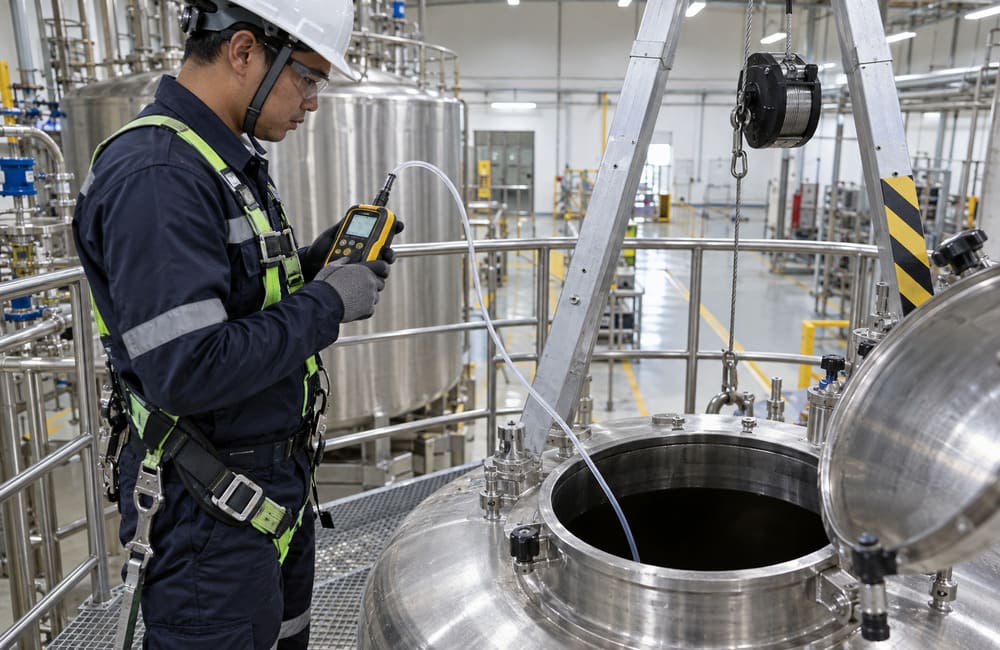
Based on the experience of the SCMA engineering team, we categorize the usage of Infrared Gas Sensor according to its structure into 2 main types, namely the portable type (Portable) and the fixed type (Fixed). Industrial factories should choose the appropriate type according to the characteristics of the area to achieve the highest level of monitoring effectiveness.
Portable Gas Leak Detector
The portable device is designed to be easy to hold and use with a very light weight, suitable for checking high-risk points in the field, in poorly ventilated areas, or for daily patrols. Technicians can use this tool to confidently check safety before starting work.
Fixed Gas Leak Detector
This type of sensor is designed to be installed permanently at points with high risk of leakage, and is highly suitable for factory areas that require a safety system to monitor gas leaks 24 hours a day. The device connects to a central control system to issue immediate alerts in case of an emergency.
Maintenance of Infrared Gas Sensor
Tips from real field work indicate that regularly maintaining the Infrared Gas Sensor is an important factor in extending its lifespan. Users should clean the optical lens, inspect calibration every 6-12 months, test the alarm signal, and replace parts strictly according to the schedule
Cleaning and Inspection
Users should carefully wipe dust and dirt off the infrared light receiving glass with a dry soft cloth, and check the filter plate to ensure no dirt is blocking the light to prevent measurement errors. Regularly inspecting the exterior for cracks, water ingress, or other damage is also essential
Calibration and Bump Test
To ensure maximum accuracy, calibration using standard gas should be performed every 6-12 months as recommended by the manufacturer. Operators should always perform a Bump Test or simulated gas release test to check the response before starting work. Checking the initial value in clean air is also an essential step
Lifespan Management and Data Logging
Infrared sensors have a longer lifespan compared to other types, but their performance should be evaluated after 3-5 years of use. The factory must record the date and time of each inspection or calibration for reference. Systematic data logging helps maintenance teams plan ahead in a timely manner
Application of Infrared Gas Sensor in Industry
In one of our case studies, the application of Infrared Gas Sensor is considered a key standard for detecting flammable or toxic gases in the production process. This device is distinguished by its high accuracy, long service life, as well as its resistance to degradation when exposed to concentrated chemicals.
Oil & Gas Industry
This sector uses gas detectors to monitor hydrocarbon leaks along pipelines or drilling platforms. The device helps prevent explosions and provides maximum safety for the work area. Quick detection helps reduce economic losses significantly.
Chemical and Petrochemical Plants
Environments with hazardous chemicals require the use of infrared gas sensors to closely monitor flammable gases. This system protects employees' lives and prevents damage to the factory's property. Resistance to contamination ensures the sensor operates stably.
Heating, Ventilation, and Air Conditioning (HVAC) Systems
Managing indoor air quality in factory buildings or clean rooms requires continuous measurement of carbon dioxide levels. Infrared sensors help maintain clean and suitable air quality for work. Controlling air quality has a clear positive impact on employees' health.
Food and Beverage Production Processes
This industry applies infrared sensors to control the level of carbon dioxide during the packaging process. Accurate measurement helps maintain the freshness and consistent quality of food. Factories can reduce waste rates to sustainably increase customer satisfaction.
Advantages of Infrared Gas Sensor
Compared to old technology Infrared Gas Sensor has clear advantages such as long lifespan combined with chemical contamination resistance. High accuracy in detection without damage when exposed to high concentration gases makes this type of sensor worth the investment.
Longer Lifespan Than Traditional Sensors
Infrared sensors can operate significantly longer than the Catalytic Bead technology. This system does not have combustion or chemical reactions that cause internal components to degrade quickly. Investing in high-quality equipment helps reduce long-term costs of repeated spare part replacements.
Resistance to Toxic and Contaminants (Poisoning Resistance)
This device is not damaged or devalued when exposed to silicone, sulfur, or lead substances. This feature makes it highly suitable for heavy industrial work with high chemical contamination in the atmosphere. Factories can use it continuously without worrying about premature degradation.
High Accuracy and Gas Specificity
NDIR technology allows accurate measurement of target gas concentration according to light wavelength. This advantage helps reduce problems of false alarms from other gases interfering in the work area. Operational stability helps engineers assess situations accurately.
Maximum Safety in Hazardous Areas
The working system that uses only infrared light passing through gas without creating sparks inside the device makes it very safe. This type of sensor is therefore suitable for detecting flammable gases in areas at risk of explosion. The tight design helps prevent serious accidents decisively.
How to Choose an Infrared Gas Sensor
Selecting an Infrared Gas Sensor to achieve maximum performance requires considering environmental factors as well as the intended application. The SCMA engineering team recommends an important checklist to help you make the right decision in choosing an industrial sensor solution that meets safety standards
Determine the type and category of gas: Clearly specify the target gas to be detected, such as flammable gas, methane, or refrigerant
Assess the oxygen level in the area: Infrared gas sensors can operate perfectly even in areas with low oxygen levels
Consider the usage pattern: Choose between fixed installation models for high-risk areas or portable gas detectors for inspection purposes
Check the output signal: Select a model that supports analog or digital signals to seamlessly integrate with the factory control system
Industrial environmental standards: Check explosion-proof standards as well as water and dust resistance ratings to suit the working conditions
Differences Between Infrared Gas Sensor and Catalytic Sensor
Before deciding to invest in upgrading your safety system, you should understand the differences between Infrared Gas Sensor technology and Catalytic sensors. Choosing the right tool for your environment will help reduce hidden costs and precisely prevent dangers.
Operating Principle: Infrared sensors use the principle of light absorption, while Catalytic sensors rely on heat from gas combustion.
Environment and Oxygen: Refer to the article titled Differences Between Infrared and Catalytic. Infrared technology can work exceptionally well in oxygen-free areas, unlike Catalytic sensors that require oxygen.
Chemical Resistance: The infrared system does not suffer from degradation (Poisoning) when exposed to contaminants, resulting in a longer lifespan compared to traditional types.
Long-term Cost-effectiveness: Although NDIR detectors may be more expensive initially, easier maintenance will save you a significant amount of costs in the future.
Summary
In summary, Infrared Gas Sensor is a technology that excellently meets the safety needs of industrial factories with its highly accurate light absorption principle. If you need a stable gas detector, the SCMA team is ready to provide advice and design a comprehensive ecosystem of our services.
Interested in purchasing or consulting via LINE Official: @SCMA
If you want to buy an Infrared Gas Sensor, you can buy it from SCMA today!
Gas leak safety is a risk that factories cannot ignore. Investing in a Infrared Gas Sensor that meets standards will help protect employees' lives and valuable assets. SCMA, a leading company in industrial measuring instruments, is ready to provide distribution of all types of products with solutions designed by expert engineers to ensure your confidence at every stage of production.
Frequently Asked Questions
Can an Infrared Gas Sensor detect hydrogen gas?
This type of sensor cannot detect hydrogen gas (H2) because hydrogen molecules do not absorb infrared light. Factories must use other technologies instead.
How often should the gas detector be calibrated?
We recommend having it calibrated by professionals every 6-12 months. Regular maintenance helps keep the device's accuracy stable at all times.
Which areas are suitable for NDIR sensors?
This instrument is highly suitable for heavy industries, petrochemical plants, or low-oxygen environments with high levels of chemical contamination.
Does weather affect the sensor's performance?
The high-quality devices selected by SCMA have an internal temperature compensation system. This system ensures stable measurement values even if the external environment changes.
How should you choose between portable and fixed installation models?
If you need to monitor risk points 24/7, choose the fixed installation model. The portable model is ideal for maintenance technicians who need to inspect multiple areas.