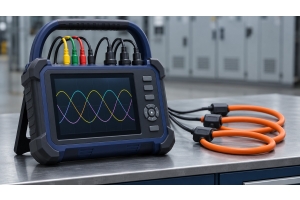
Is your factory facing invisible risks from toxic gas leaks? Choosing a standard Electrochemical Gas Sensor or gas detection sensor is crucial for protecting lives and property. SCMA Co., Ltd. (SCMA), as an expert in measurement instruments and industrial sensors, is ready to provide advice. This article will take you through the working principles, advantages, and how to select a gas detector that matches the work environment for maximum safety.
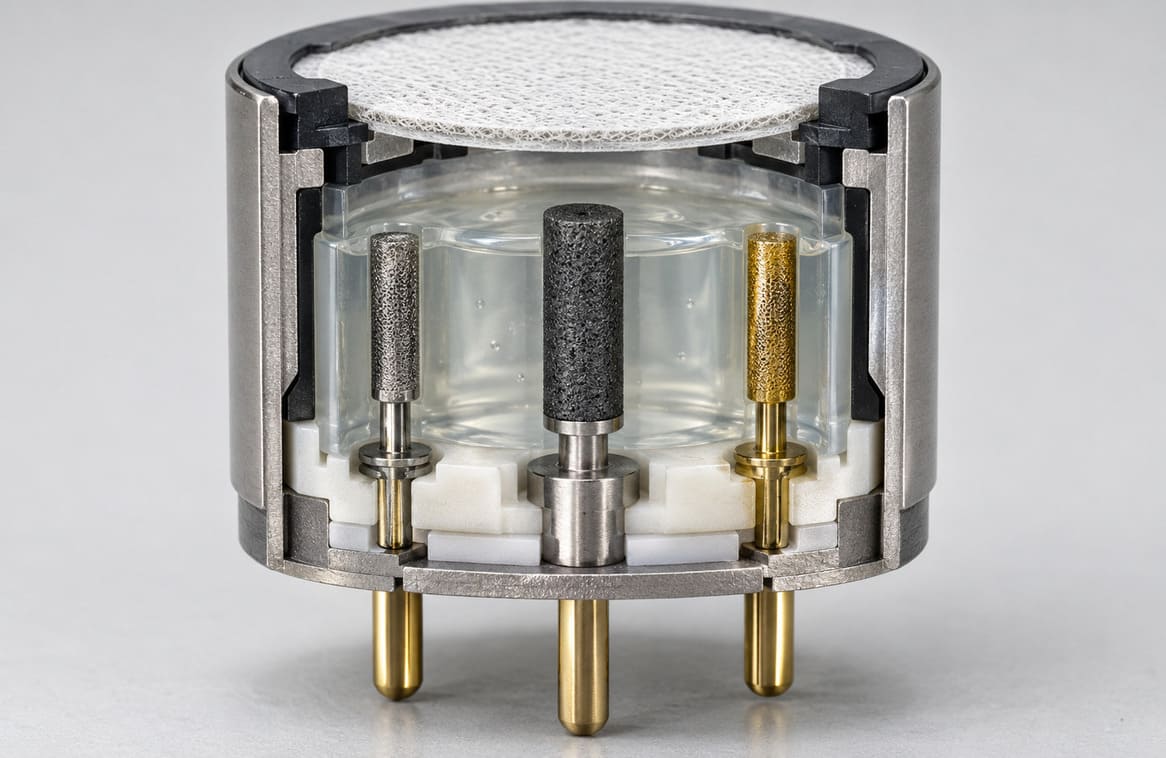
What is an Electrochemical Gas Sensor?
An Electrochemical Gas Sensor is a gas detection device that operates based on electrochemical principles to detect anomalies in an area. When the target gas enters the sensor, it undergoes oxidation or reduction reactions with the electrolyte solution. This reaction generates an electric current that varies proportionally to the gas concentration. Most industries use it to accurately measure toxic gases and oxygen levels in ppm.
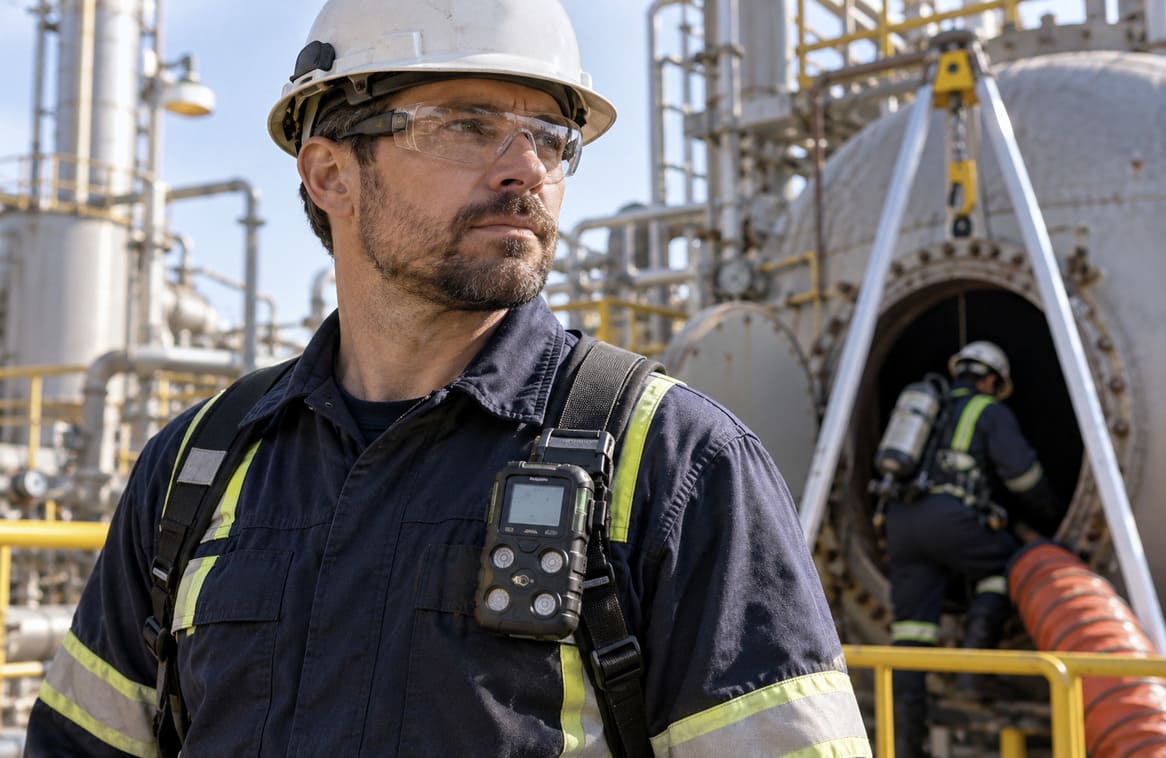
How Electrochemical Gas Sensors Work
Based on the system design experience of the SCMA engineering team, the electrochemical gas sensor operates by allowing the target gas to diffuse through a membrane and react with an electrolyte solution. This process generates an electric current whose concentration is directly proportional to the amount of gas. The system processes the obtained value to display the safety level.
Components and Functionality Inside the Gas Permeable Membrane
The gas permeable membrane plays an important role in systematically controlling the amount of gas that diffuses into the gas leak detector. This component helps filter out impurities while preventing the electrolyte from leaking out. A fully functional membrane results in efficient sensor processing.
Electrodes
The main structure consists of the working electrode (Sensing Electrode), reference electrode (Reference Electrode), and counter electrode (Counter Electrode). These sets of electrodes act as a medium for the chemical reaction. A well-designed electrode significantly improves the accuracy of toxic gas measurement.
Electrolyte Solution
The electrolyte solution acts as a medium for ion transport to create an electrochemical reaction inside the gas sensor. The type of solution is selected to be suitable for a specific target gas. This component is crucial to the speed of concentration reading.
Electric Current Generation
The chemical reaction occurring at the electrode area causes continuous electron transfer. This process generates a small electric current sent to the gas meter's processing circuit. The system converts the obtained electric current value into a numerical display of the concentration level for the user to know immediately.
How many types of Electrochemical Gas Sensor are there?
The Electrochemical Gas Sensor is divided into two main types based on the number of electrodes inside. The engineering team of SCMA would like to introduce the details of each type, so that you can apply them correctly and safely in the industry.
Two-electrode
The two-electrode structure consists of a working electrode and a counter electrode which serves as a reference electrode. This type of sensor is commonly used for basic gases, such as measuring oxygen (O2) levels in confined spaces. This working method meets the needs of applications that require stability.
Three-electrode
The three-electrode method adds a reference electrode to help maintain a continuous stable voltage level. This design makes the sensor more accurate in detecting toxic gases, such as carbon monoxide (CO) or hydrogen sulfide (H2S) in industrial factories.
Maintenance of Electrochemical Gas Sensor
Tips from real fieldwork indicate that proper maintenance of an Electrochemical Gas Sensor can significantly extend its lifespan and maintain safety standards. Operators should understand these guidelines to prevent measurement errors in gas detection.
Calibration
Calibration involves regularly comparing the instrument's readings with standard calibration gases. Users should follow the manufacturer's recommended schedule or at least every 3-6 months. This step confirms that the gas leak detector still reads values accurately according to international safety standards.
Cleaning
External maintenance can be done by wiping dust particles off the device with a clean dry cloth. Do not allow harsh chemical solvents to directly contact the gas sensor. These chemicals may damage the filter membrane and cause chemical-electrical processing to become distorted.
Environmental Inspection
System administrators must prevent the sensor from being exposed to temperatures or humidity levels exceeding the specifications in the manual. Areas with dense dust particles may clog the gas inlet. Controlling the on-site environmental conditions helps the device operate at full efficiency at all times.
Replacement
Users must regularly monitor any deviations or slower-than-normal gas response. Electrochemical sensors have a limited lifespan, generally around 2-3 years. If any abnormalities are detected, replace the sensor immediately to maintain the highest safety standards in the factory.
Electrochemical Gas Sensor Applications
The Electrochemical Gas Sensor technology is widely applied across various sectors. These devices are the core component in protecting personnel and safeguarding property from invisible airborne threats.
Personal Safety
This system is installed in portable gas detectors to protect workers from sudden toxic gas leaks. The device will immediately sound an alarm when the wearer enters an area with hazardous chemicals. Personal use helps greatly reduce the accident rate in confined spaces.
Factory Monitoring
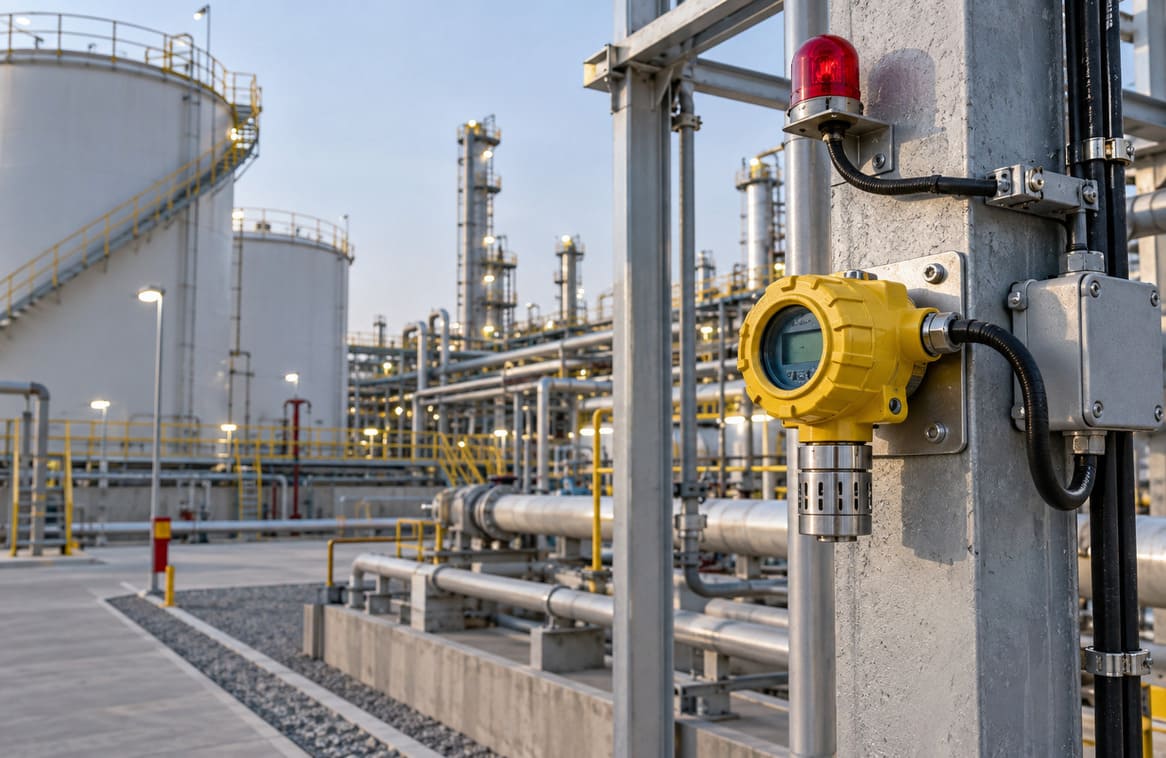
Large industrial facilities choose to install fixed gas detection systems at various risk points. Areas such as oil refineries or chemical plants require continuous 24-hour safety monitoring. Data from industrial sensors is immediately sent directly to the central control room.
Production Process Control
Engineers use this tool to measure oxygen levels or toxic gases to control the production environment. Controlling gas levels in furnaces or chemical storage tanks helps ensure products meet quality standards. This process also prevents conditions that could lead to explosions or fires.
Advantages of Electrochemical Gas Sensor
Choosing an Electrochemical Gas Sensor provides many benefits to safety management systems. This type of sensor offers high value compared to its outstanding ability to detect toxic gases in industrial facilities.
High Accuracy and Sensitivity
The device is capable of detecting gases with extremely low concentrations very effectively. The sensor can accurately read levels in ppm (Parts per million). This feature allows workers to detect anomalies at the earliest stage of a leak.
Selectivity
The structure is designed to effectively react with specific target gases. The specially designed electrode helps reduce interference from other gases at the work site. This level of selectivity greatly reduces the occurrence of false alarms.
Fast Response
The rapid electrochemical reaction allows the sensor to immediately display changes in gas levels. The speed of operation is very important when dealing with chemical emergencies. The device uses low electrical power, making it suitable for development into portable tools.
How to Choose an Electrochemical Gas Sensor
Investing in an Electrochemical Gas Sensor requires considering multiple factors to ensure you get a tool that provides the highest level of safety. The engineering team from SCMA offers a checklist to help you make the right and cost-effective decision when selecting a toxic gas detection device.
Identify the Target Gas: Carefully check which gas poses a risk in your area, such as carbon monoxide or hydrogen sulfide.
Measurement Range: Select the sensor's gas measurement range to cover the maximum concentration that may occur due to leaks at the work site.
Work Environment: Assess the temperature and humidity at the installation point, as these factors directly affect the lifespan of the chemical sensor.
Usage Mode: Decide between portable gas detectors for individuals or fixed installation detectors that align with your existing safety system.
After-sales Service: Choose a supplier that offers calibration services and maintenance support for long-term confidence.
Summary
The Electrochemical Gas Sensor is an essential technology for establishing safety standards in industries with chemical risks. With accurate operation principles combined with proper maintenance, this tool will detect toxic gases promptly. If your factory is looking for a measurement solution and gas leak detection system, our service from the SCMA expert team is ready to provide consultation and design a system that meets your needs.
Interested in purchasing or consulting via LINE Official: @SCMA
If you want to buy an Electrochemical Gas Sensor, you can buy it from SCMA today!
Safety of personnel and property is the most valuable investment. Choosing an international standard Electrochemical Gas Sensor will help reduce risks from unexpected incidents. SCMA Co., Ltd. presents products and services of comprehensive industrial measurement and testing instruments. We have gas leak detectors in various models with a team of engineers to provide guidance from selecting specifications to installation for maximum performance.
Frequently Asked Questions
How long is the lifespan of an electrochemical gas sensor?
Generally, this type of sensor has an average lifespan of about 2-3 years, depending on the working environment and maintenance methods.
How often should gas leak detectors be calibrated?
It is recommended to calibrate with standard gas every 3-6 months or strictly follow the instructions specified in the manufacturer's manual.
Can this type of sensor work in areas with high humidity?
Exposure to high humidity or extreme temperatures may cause the electrolyte solution to deteriorate quickly. Users should check the device specifications clearly before installation.
Which types of gases are commonly detected by Electrochemical Gas Sensors?
This device has a very high accuracy in detecting toxic gases such as carbon monoxide, hydrogen sulfide, ammonia, as well as measuring oxygen levels.
Does SCMA offer after-sales service for gas detectors?
SCMA is a technical partner that provides comprehensive services, covering installation, calibration, and maintenance by expert engineers.