Have you ever encountered problems measuring electrical signals between two points with a high voltage difference without grounding the circuit? Choosing the correct Differential Probe and High Voltage Differential Probe is crucial to solving this issue. At SCMA, we specialize in supplying premium measurement tools and automation systems to the industrial sector. This article will take you deep into the working principles and techniques for selecting equipment to maximize the safe performance of the tools.
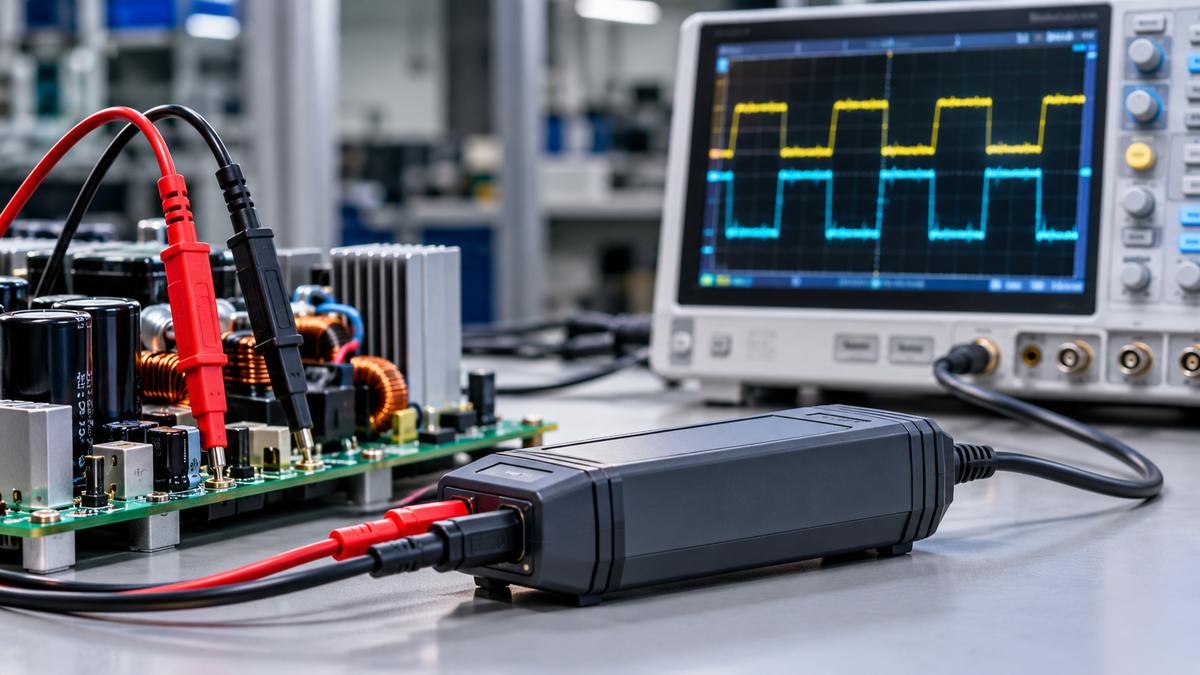
What is a Differential Probe?
According to information on the search page, a Differential Probe is a signal measurement cable used with an oscilloscope to measure the voltage difference between two points in a circuit without referencing the ground of the instrument. This type of device allows engineers to safely and accurately measure high voltages or handle noise signals. The application of High Voltage Differential Probe has therefore become an important standard in modern industrial factories.
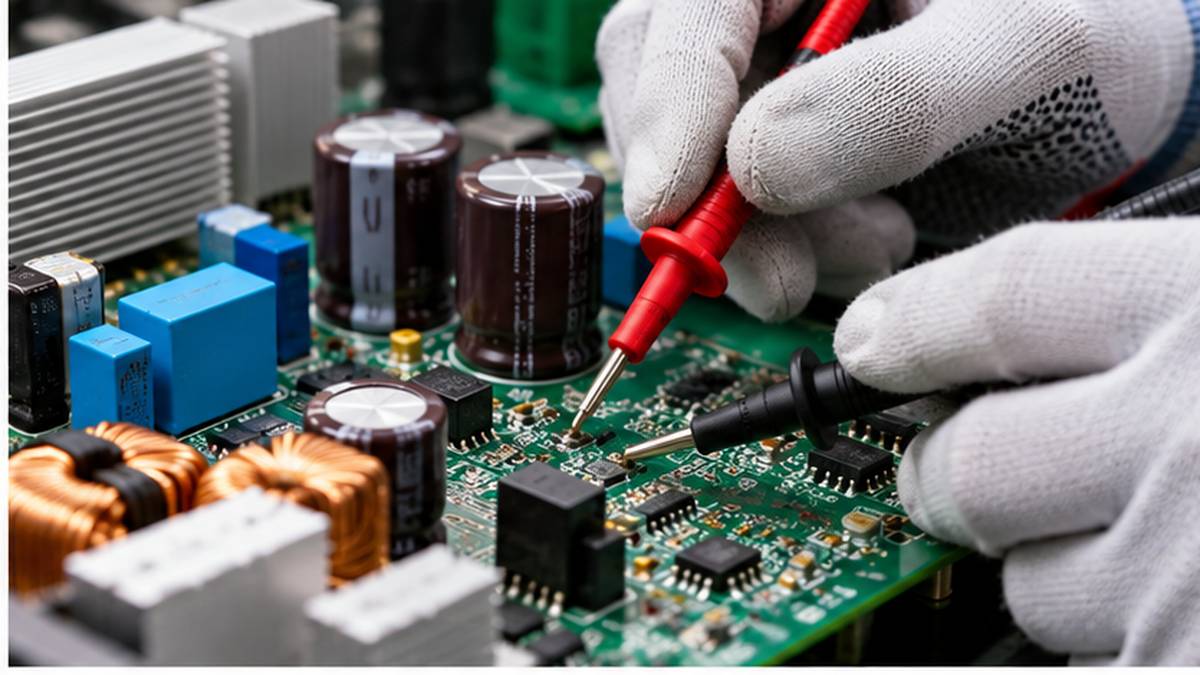
Principle of Operation of Differential Probe
Understanding the deep principle of operation will help achieve maximum efficiency in applying the measuring device, especially when using High Voltage Differential Probe in real working environments that are complex according to international industry standards. You can study more information about the types of probes from Instrumentation Academic Documents
Receiving Voltage from Two Sides
The device has two voltage signal ports, consisting of a high voltage side and a low voltage side. This structure is designed to receive voltage potential from two test points into the processing system. Receiving independent voltage helps prevent dangerous problems caused by incorrect grounding in the circuit High Voltage Differential Probe
Detecting Differences
Both sides of the voltage will be sent into the circuit to accurately compare and find the electrical difference value (ΔV). This process is very useful when using High Voltage Differential Probe to eliminate common-mode noise from the results
Convert to Electrical Signal
The internal differential amplifier circuit of the probe will convert the captured voltage value into a signal at a safe level. This signal will be attenuated according to a predetermined ratio to prevent the display device from being damaged
Output Signal
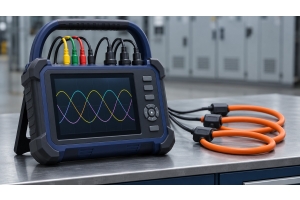
The final step is to output the conditioned signal to the oscilloscope screen. This accurate waveform data provides an opportunity for the technical team to quickly analyze problems and improve electronic circuits in the production process
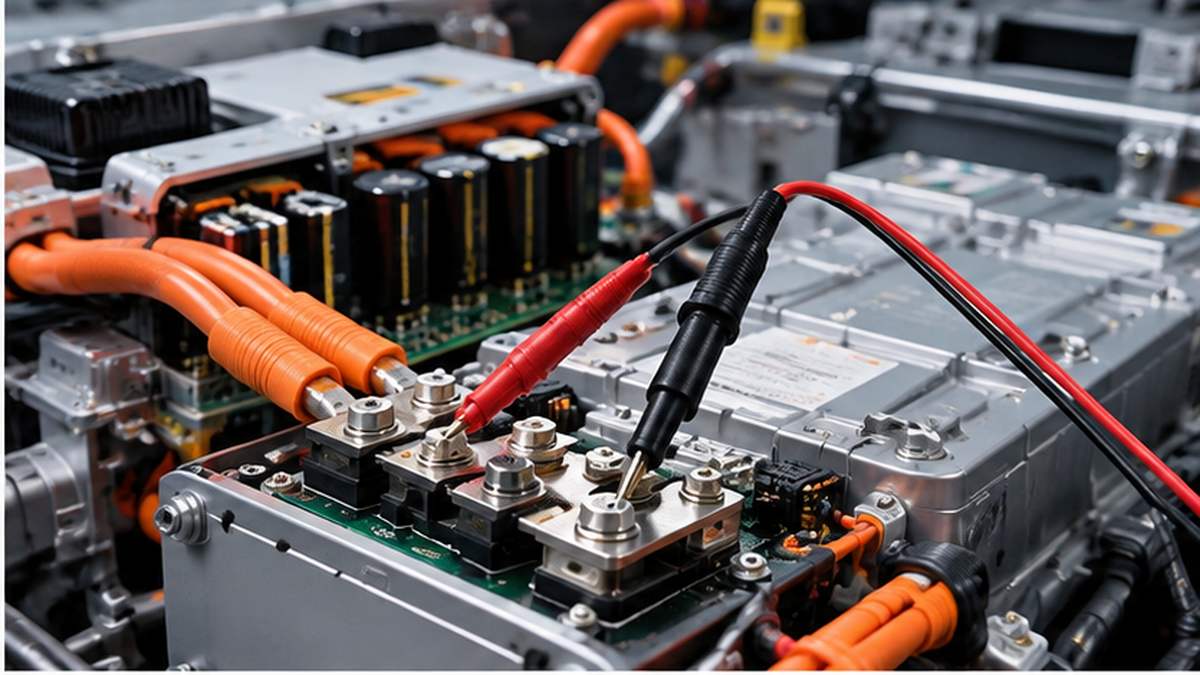
How Many Types of Differential Probes Are There?
Voltage differential probes are divided into several types according to their voltage handling capability. You can find the appropriate industrial measuring instruments for your work. In general, the classification of High Voltage Differential Probe and low voltage probes is mainly based on the application
High Voltage Differential Probe
This type of device is designed to measure electrical signals between two points with very high common mode voltage. It supports operation in inverter circuits, switching power supplies, or motor drive systems. This type of probe can safely withstand voltages ranging from hundreds of volts up to several thousand volts
Low Voltage Active Differential Probe
This type of device focuses on measuring high-frequency signals with low noise and requires the highest level of accuracy. It is suitable for measuring signals in high-speed digital circuits or telecommunications systems that use low voltage ranges on electronic motherboards
Maintenance of Differential Probe
According to the experience of SCMA engineers, proper maintenance of the instrument is key to extending its lifespan. Maintaining the accuracy of High Voltage Differential Probe consistently helps significantly reduce the cost of replacing equipment
General Maintenance
Operators should regularly clean the probe tip and cable with a soft dry cloth. Check for insulation damage on the cable before each use. If cracks are found on the High Voltage Differential Probe cable, stop using it immediately to prevent the risk of electric leakage
Proper Storage
After completing the task, the device should be stored in a moisture-free anti-shock box. Avoid storing in areas with excessively high temperatures. Cable winding should be done loosely to prevent cable breakage, which can affect signal accuracy
Precautions During Use
Please check the system voltage rating against the probe's specifications and strictly avoid measuring voltages exceeding the probe's maximum allowable limit. Users must connect the probe to the circuit properly before turning on the measuring device. Be cautious of static electricity that may damage the high-precision internal circuitry.
Application of Differential Probe
In general industrial contexts, this term may be associated with the device Differential Pressure Transmitter apart from electrical applications. The team summarizes the applications of High Voltage Differential Probe and sensors in the factory as follows
Measure Voltage Difference
The device detects the voltage value between two points to obtain an accurate differential value. This data is sent to the automatic control system to monitor the integrity of the power system or fluid pressure system in the production process
Air Filtration
Using the differential pressure sensor to measure the pressure drop across the filter helps monitor the condition of the filter in large air conditioning systems. This data is used to alert the maintenance team before the filter becomes clogged enough to affect the air circulation efficiency
Flow Measurement System
The system design team can apply this device together with obstructions in the pipeline to calculate the flow rate of liquid or gas. Accurate control of the raw material quantity helps improve product quality to meet the specified standards
Special Control Room (Cleanroom/Clean Area)
Controlling the room pressure to be positive or negative requires a highly reliable differential measurement device. This system helps prevent contaminants from escaping into the clean area to maintain the standard of electronic component production
Advantages of Differential Probe
The Differential Probe device has the advantage of accurately measuring the voltage potential difference between two points. It effectively eliminates common-mode noise from the measurement. Applying the High Voltage Differential Probe helps improve efficiency and safety for workers in industrial processes that deal with high voltage electricity
How to Choose a Differential Probe
Purchasing a Differential Probe or High Voltage Differential Probe that is cost-effective and suitable for your application requires careful consideration of the working environment. You can evaluate the device's specifications based on the following criteria:
- Assess the Measurement Range: Check the maximum voltage in the system to select a probe that does not exceed the limit
- Consider Bandwidth: The device's specification must appropriately support the frequency of the signal to be measured
- Check the Attenuation Ratio: Choose a model with an attenuation switch for flexibility when connecting to an oscilloscope
- Check the CMRR value: The Common-Mode Rejection Ratio indicates the device's effectiveness in eliminating common-mode noise. Choose a model with a high CMRR value for applications requiring accuracy
- Safety Standards: Select a model that has been certified with industrial-level CAT standards for maximum safety
Mistakes to Avoid When Using a Differential Probe
From case studies in automated system maintenance, improper usage has been found to cause rapid damage to the equipment. Avoiding these risky behaviors will help maintain the long-term performance of the High Voltage Differential Probe
- Neglecting Probe Compensation: Failing to compensate the signal of the Differential Probe before measurement causes the frequency waveform to distort from reality
- Incorrect Polarity Connection: Always exercise caution in clamping the positive and negative terminals correctly according to the circuit position to be tested
- Ignoring Ground Limits: Never allow the common-mode voltage to exceed the specification that the oscilloscope can accept
- Using in Risky Areas Without Protective Equipment: Touching the probe wires while the circuit is operating with high voltage may cause life-threatening hazards
Summary
Safe operation in the factory requires a thorough understanding of Differential Probe, whether it be measuring low voltage alternating current or handling High Voltage Differential Probe. Accurate data is the key indicator of success. SCMA, as a technical partner, is ready to present global measurement tool solutions to perfect the efficiency of your factory's production processes.
Interested in purchasing or consulting via LINE Official: @SCMA
If you want to buy a Differential Probe, you can contact SCMA today!
Investing in standardized measuring instruments is a guarantee of quality for all production processes. If you are facing issues with system accuracy or looking for a High Voltage Differential Probe with high specifications SCMA's project services and solutions are ready to provide comprehensive solutions. Our expert engineering team is happy to offer advice, design automated systems, and manage calibration work to ensure your long-term success.
Frequently Asked Questions
What is the difference between a Differential Probe and a regular test lead?
This probe can independently measure the voltage difference between two points, while regular test leads always need to reference voltage against the ground of the measuring instrument
Can the High Voltage Differential Probe be used to measure electric current?
The device is primarily designed to measure voltage values. If you need to check electric current, it must be used in conjunction with a current sensor or clamp meter
What is the importance of the CMRR value in the specification manual?
CMRR (Common-Mode Rejection Ratio) indicates the effectiveness in eliminating common-mode noise. The higher this value, the clearer the signal displayed on the screen will be
If the probe cable is damaged, can it be repaired by wrapping it with tape?
It is not recommended to repair the insulation of high-voltage testing equipment by yourself. The instrument should be sent to a professional or SCMA service center for safety inspection
Does SCMA provide after-sales service for measuring instruments in industrial estates?
We have branches covering major industrial areas, with technical teams providing quick maintenance and calibration services to minimize machine downtime