Pneumatic systems in industrial work are the main mechanisms that drive machinery. A leaky cylinder seal or a stuck valve can cause the machine to malfunction, leading to defects slipping through the QC process and causing the factory to lose revenue. SCMA offers high-quality pneumatic parts. You can order pneumatic components including pneumatic systems, exact model specifications via our online system. Our team of engineers is ready to review detailed specs, preventing the purchase of incorrect models that would otherwise be assembled in front of machinery.
The meaning of pneumatic systems and basic principles of operation
Maintenance engineers must understand the meaning of pneumatic systems correctly to diagnose problems accurately. A pneumatic system refers to using compressed air as mechanical energy to drive various mechanisms within machinery. Air compressors pressurize the air and send it through main pipes, valves control the opening and closing of airflow channels to push cylinder pistons in sequence. Every component must work in harmony to create a perfect production rhythm.
What is pneumatic? Answering common questions on maintenance sites
New technicians often ask what pneumatic is. This system transmits power through a fluid, which in this case is air. Its main advantage lies in high speed and safety from electrical sparks. If someone asks what pneumatics are, these components can be likened to the muscles of machinery. Pneumatic parts take on the task of pushing, pulling, and lifting workpieces in automated production lines, responding quickly to electrical commands.
Delve into Pneumatic Systems: The Heart of Modern Manufacturing Lines
It is undeniable that pneumatic systems are an indispensable infrastructure in today's industrial plants. Their applications range from assembling small parts to large packaging lines. Designing a pneumatic system requires considering the size of air pipes and connectors in relation to the total air consumption of loads. Engineers must calculate appropriate flow rates to prevent pressure drop issues along the way, which could cause cylinders to lack the force needed to push parts.
Key Components of Pneumatic Systems You Need to Know
To repair machinery accurately, technicians must understand the structure of pneumatic systems from start to finish.
Air Preparation Unit (FRL Unit) - The Front Line of the System
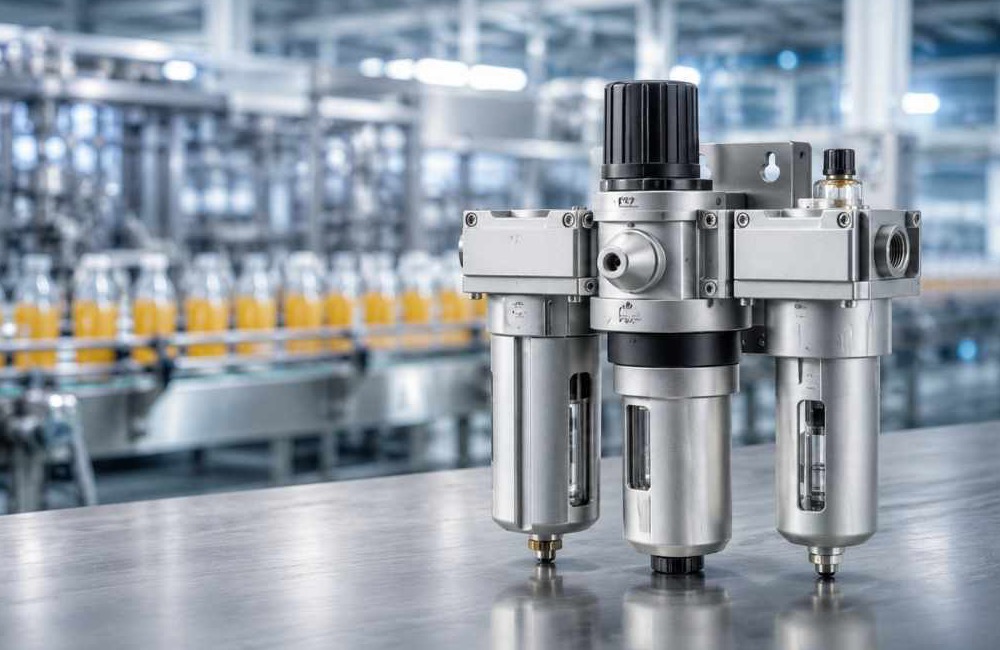
The initial structure begins with the air preparation unit, which is the first line of defense for capturing droplets and dust. This equipment serves to clean the air to protect downstream components from rust issues. The rubber seals inside valves will last longer when using compressed air that has been filtered properly. Maintenance technicians must regularly drain water to maintain the efficiency of the pneumatic system so it can function optimally.
Solenoid Valve - Directional Air Switch
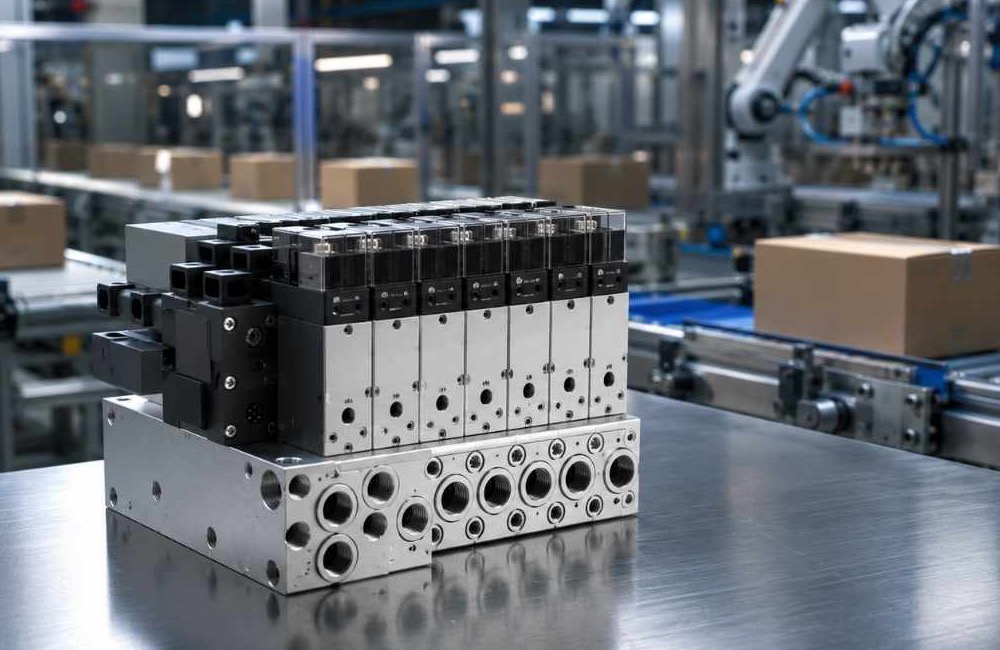
Filtered compressed air waits at the solenoid valve to switch direction according to operational steps. This valve receives electrical signals from the control panel to command other pneumatic components in the circuit. The port size of the valve must match the actual amount of air required by the machinery. Engineers need to calculate flow rates accurately to prevent pressure drop issues in the pneumatic system.
Pneumatic Cylinder - Main Driver
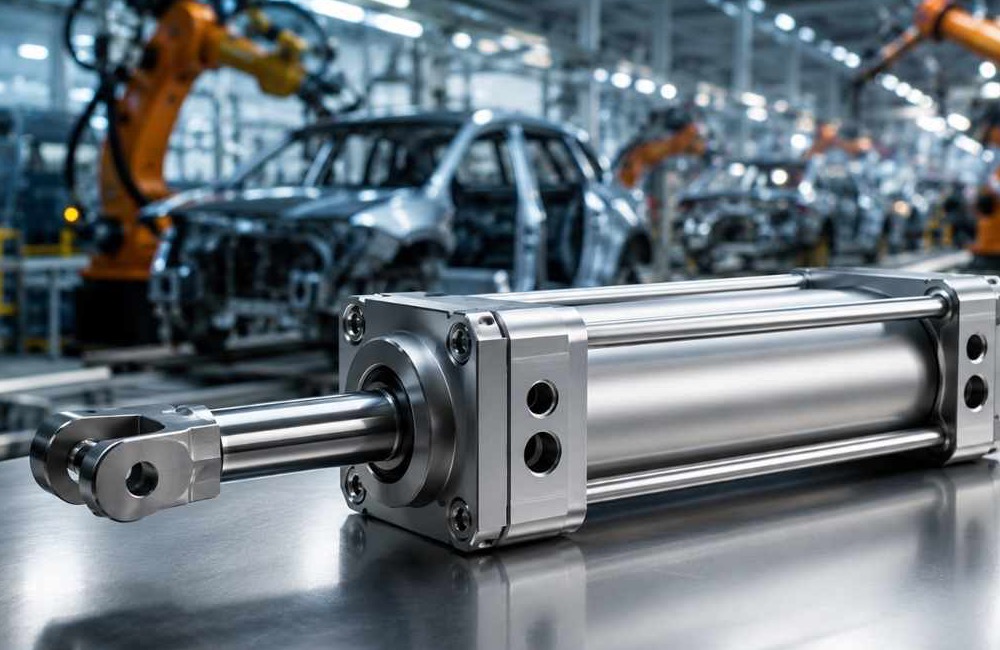
The air circuit ends at the final driver, which is the pneumatic cylinder that uses compressed air pressure. This component converts pneumatic energy into mechanical movement to act directly on workpieces. The size of the cylinder must be selected based on the load weight to find an appropriate pushing force. Regular inspection of the seal collar in this pneumatic part is necessary to prevent air leakage issues.
Pneumatic Fittings & Tubes
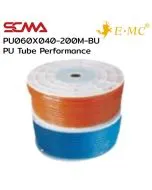
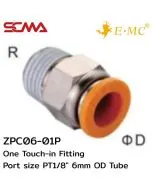
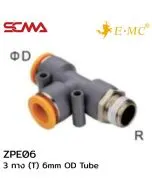
The essential components for pneumatic circuits are polyurethane tubes and quick-connect fittings. These parts serve as major arteries, conveying compressed air pressure throughout the machinery. Cutting tubing at a right angle before connecting helps eliminate whistling air leaks decisively. This is why the sub-components of pneumatic systems are crucial factors in saving plant energy.
Advantages of Industrial Pneumatic Systems Compared to Hydraulic Systems
Engineers designing machinery choose industrial pneumatic systems because they have several advantages over oil-based systems in multiple dimensions.
- The compressed air system is easy to design circuits, and maintenance personnel can quickly trace faulty lines.
- Maintenance is not complicated; spare parts are lightweight, allowing mechanics to replace components on-site immediately.
- Pneumatic parts are cheaper than hydraulic equipment, helping factories save on repair and maintenance costs.
- The movement speed is very high, responding to PLC commands in milliseconds.
- No more oil leaks making a mess at the workplace; it fully meets the cleanliness standards of food-grade (Food Grade) manufacturing plants.
Pneumatic Leaks and Techniques for Checking Faults on Machinery
Small leaks in pneumatic equipment are the main cause of high energy costs in factories; mechanics must have skills to assess the situation on-site.
- The hissing sound of air leaking from joints is the primary reason for air compressors working harder, wasting electricity.
- Most leaks occur due to bent air hose ends when cutting hoses with a cutter not at a right angle.
- Maintenance personnel must check the internal locking teeth in quick-connect fittings (Fitting) at points where machinery moves continuously.
- If wear and tear from frequent disconnection is found, new parts must be ordered immediately; do not use glue to fix the problem.
- Test by spraying soapy water on copper threads; if bubbles appear, it indicates that tape wrapping around the thread is too thin and needs to be rewrapped tightly.
Pneumatic Preventive Maintenance (PM) Standards
The maintenance department must have a plan for pneumatic equipment preventive maintenance (PM) to extend service life and reduce downtime issues.
- Schedule regular checks of pneumatic, mechanics must drain water from the air filter cup frequently.
- Dewatering helps prevent moisture droplets from damaging lubricants in downstream equipment.
- Regularly replace dust filters according to their service life to prevent clogging and pressure drop issues.
- Closely inspect the alignment (Alignment) of cylinder shafts with the workpiece movement direction.
- Misalignment installation creates side thrust forces, causing seals in cylinders to wear out much faster than their actual lifespan.
Summary
Pneumatic systems in industrial work are a measure of the efficiency of production lines. Understanding the meaning of pneumatic systems helps maintenance teams solve machine problems accurately. If your pneumatic system parts deteriorate over time, SCMA is ready to provide spare part procurement services with the exact specifications. Our online ordering service compares specifications and delivers quickly so you can run your machines immediately.
If you want to buy, SCMA is available for purchase today!
SCMA offers the highest convenience to maintenance customers. You simply take a photo of the nameplate of the broken part and send it directly to SCMA's Line OA. Our support engineering team will compare high-quality replacement brands that match your machinery. We check port thread sizes and verify voltage for free. SCMA offers express delivery. Maintenance technicians can wire up and tighten screws perfectly upon receipt, solving the problem of ordering parts with incorrect specifications.
Frequently Asked Questions (FAQ) About Industrial Pneumatic Systems
Q1: What is pneumatics? Can liquid be used instead of compressed air in valves?
A: Absolutely not. The valve and cylinder are designed to use compressed air only. If water or any other liquid enters, the rubber seals will swell, causing corrosion that can damage internal parts.
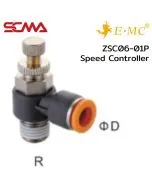
Q2: Why does a pneumatic cylinder jerk when moving? It doesn't improve even after adjusting the speed controller?
A: Have the technician remove the load first and try operating it empty. If the pneumatic cylinder still jerks, this indicates that the internal lubricating grease has dried up or there is severe friction between the piston and barrel sleeve. A new seal kit (Seal Kit) must be replaced.
Q3: Pneumatic systems use air; do they always need to be used with an air dryer?
A: Absolutely necessary. Air compressors draw in moisture from the air, leading to a large amount of water droplets in the main pipe. An air dryer helps remove this water beforehand, preventing water droplets from damaging downstream machinery.
Q4: What should be the operating pressure setting for pneumatic systems at the machine?
A: Engineers must calculate based on the weight of the workpiece being lifted or pushed. Typically, the operating pressure of pneumatic systems in factories is set between 4-6 bar (Bar). Setting it too high not only wastes energy but also accelerates wear and tear on machine seals.
Q5: Can I consult about air line routing when purchasing pneumatic system parts online from SCMA?
A: Consultation is free. The Technical Support team at SCMA consists of real engineers who help you read circuit symbols, advise on air piping (Piping), and ensure that the purchased spare parts can be installed and used correctly 100%.