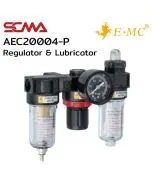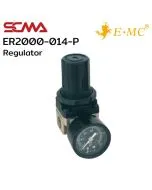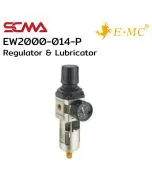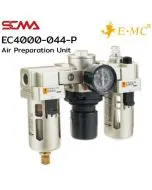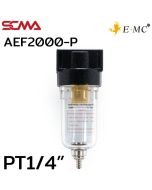
Pressure regulator is a device that solves the classic on-site problem of releasing high-pressure compressed air directly from the main pump into machinery, damaging the rubber cylinder seals and causing massive damage to workpieces. SCMA offers high-quality regulator spare parts solutions. You can order a compressed air quality improvement kit quickly online. Our engineering team helps check the thread specifications and flow rate in detail to prevent purchasing pressure control valves that do not fit the existing pipes, allowing production lines to resume operation immediately.
What is a regulator? Why do engineers mandate its installation at machinery?
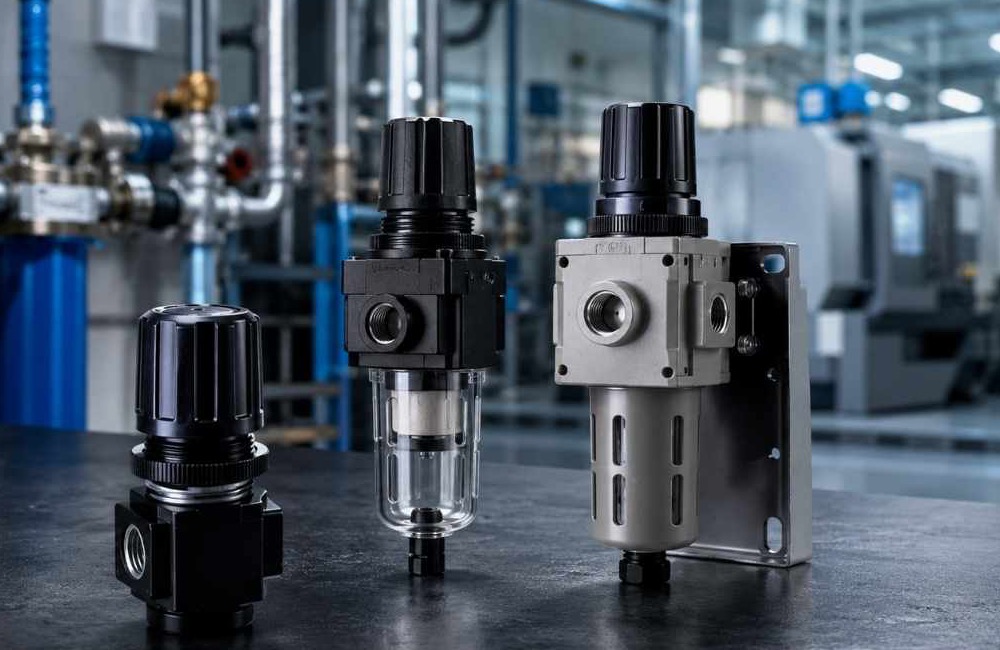
Novice technicians always ask what a regulator is. This device reduces the initial air pressure (Primary Pressure) to operational pressure (Secondary Pressure). The reduced pressure level ensures safety for downstream equipment. Maintenance teams cannot do without this component. Air pressure in the air system of a factory fluctuates constantly according to air consumption by other machinery departments. Without controlling pressure, all actuator timing will be disrupted, causing production lines to malfunction and sustain damage.
Dive deep into what the regulator does and its primary role in the circuit
To dive deeper into the core function of a regulator in pneumatic circuits, this device resists fluctuations in compressed air and maintains constant outlet pressure. Engineers designing the system also embed a regulator function of energy saving (Energy Saving). Dropping operational pressure at machinery from 7 bar to just 4 bar significantly reduces the workload on main air pumps, allowing factories to save electricity costs over the long term.
How a Pressure Regulator Valve Works Inside Machinery
Let's look at the internal mechanism of the pressure regulator valve, or regulator valve. A technician turns the knob on top to press down the spring and push against the diaphragm (Diaphragm). This mechanism allows air to flow through into the machinery. When the outlet pressure reaches the set value, compressed air will push the diaphragm back up against the spring force, causing the valve to close partially or fully. This alternating operation creates a stable pressure balance for the machine's movement, preventing jerky movements that could damage workpieces.
Integrating Air Pressure Regulator with FRL Set
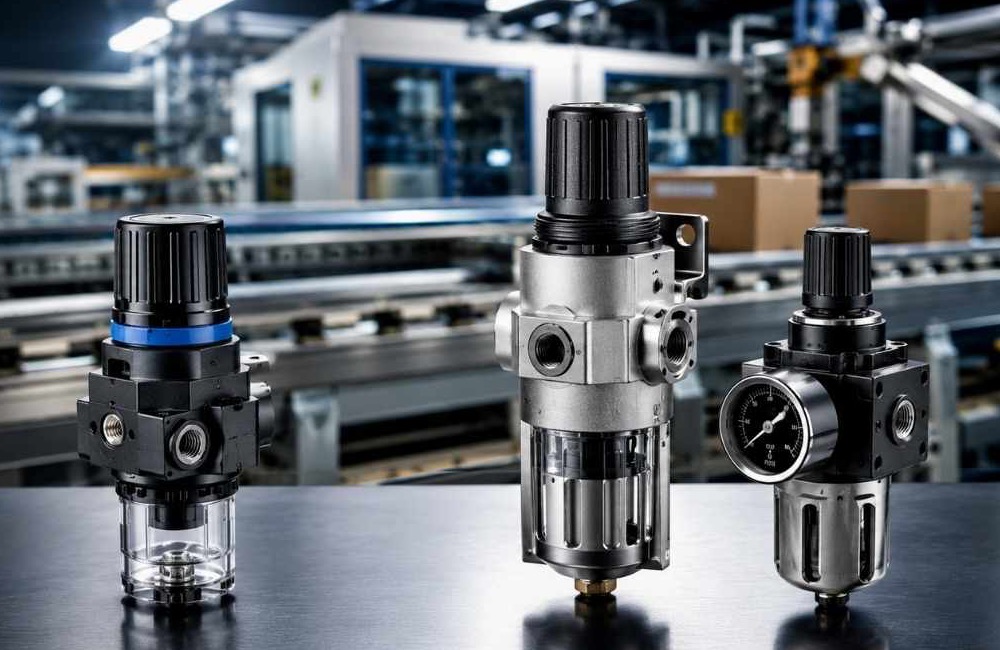
Upgrading the air system requires a holistic view. Using a single air pressure regulator must be cautious of dust entering and disrupting the internal spool mechanism. Modern maintenance technicians prefer to install equipment in the form of an FRL Unit. This system integrates functions such as filtering water, capturing dust, and adjusting pressure into a single unit seamlessly. This installation helps extend the lifespan of solenoid valves, reducing the frequency of replacing parts at machinery fronts.
Problems with Air Pressure Gauge Not Moving and Emergency Troubleshooting Techniques
The most common issue encountered on-site is turning the knob all the way but the needle of the air pressure gauge does not move. Technicians must assess the situation to determine if replacement parts are needed.
- The main cause is often a torn diaphragm inside due to sudden air pressure surges (Pressure Surge) from the main air pump.
- A hissing sound of leaking air around the adjustment knob clearly indicates that the spring has become fatigued or the valve stem worn out from frequent adjustments.
- Technicians must immediately replace the new block regulator valve for overall system safety.
- If the gauge remains stuck at zero, technicians need to disconnect and check if there is scale buildup clogging the inlet connection of the valve.
- Allowing the gauge to fail will leave technicians unaware of actual pressure levels, risking over-pressurization that could cause air cylinders to burst within machinery.
Compare Specifications of SMC Regulators and Leading Brands for Accurate Replacement Parts
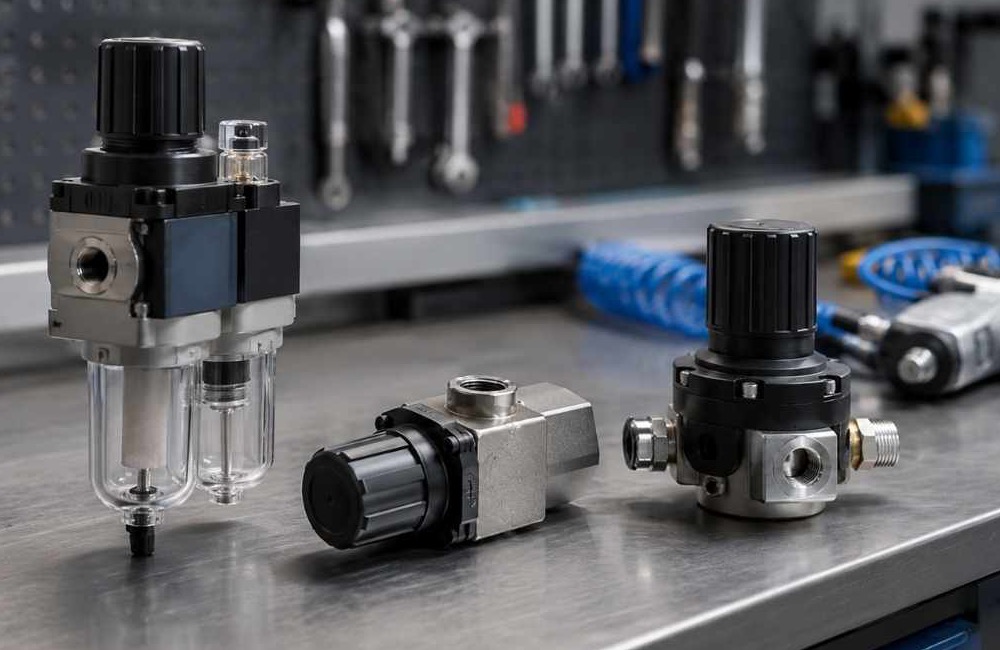
When comparing replacement parts from popular brands such as SMC regulators or other Japanese brands, precision is crucial. Engineers must not rely solely on the pipe thread size.
Checking Thread Port Sizes
Craftsmen need to use a vernier caliper to measure the outer diameter of the threads on the air pressure control unit. Incorrectly fitting PT threads into NPT ports can immediately damage the brass threads of machinery, causing air leaks that are difficult to fix.
Calculating Flow Rate (Flow Rate)
Engineers must evaluate the flow rate in relation to the cylinder size within the entire air system. Choosing a smaller size than necessary can cause pressure drop issues, making cylinders move abnormally slow due to insufficient air supply.
Selecting Replacement Parts from Alternative Brands
If original parts are discontinued, technicians can easily find regulator valves with equivalent specifications as replacements. As long as the Max Pressure on the input side matches, the internal mechanism of the machinery will function perfectly without needing to modify installation space.
Check Air Pressure Regulator Valve Prices for Long-Term Cost Savings and Reduced Air Leakage
Evaluating the cost-effectiveness of air pressure regulator valve prices requires a long-term perspective.
- Inexpensive parts often use low-grade plastic materials that can easily strip when technicians tighten them with wrenches.
- The internal diaphragm deteriorates quickly and cannot withstand pressure swings from main pumps for long, leading to frequent replacements.
- Investing in standard brand valves helps eliminate air leakage issues effectively.
- Factories save on monthly electricity costs for air compressors, making it more cost-effective than repeatedly replacing cheap parts.
- Industrial-grade parts maintain the accuracy of air pressure regulators longer and do not require frequent recalibration.
Summary
Air pressure control regulator is a crucial barrier that protects the cylinder in front of machinery. A maintenance technician who knows what a regulator does can precisely address fluctuating air pressure issues within the air system. If you are looking for a high-quality air improvement kit, SCMA offers the exact model specifications with easy online ordering and quick delivery of top brand pressure control valves to solve your problems.
If you want to purchase, you can buy from SCMA today!
SCMA provides the most convenient online service. Customers simply need to take a photo of the nameplate of their old model or specify the thread size and send it to our Line OA. Our engineering support team is ready to compare specifications, check thread sizes (PT, NPT), and calculate flow rates for free. SCMA delivers air pressure control regulators quickly, allowing maintenance technicians to install them in front of machinery right away without wasting time on site pipe cutting.
Frequently Asked Questions (FAQ) About Using Air Pressure Controllers
Q1: Can the water system pressure controller be used to control compressed air pressure?
A: Absolutely not. The valve structure, diaphragm material, and flow characteristics are designed differently. Using a water valve with an air system will cause pressure fluctuations, unable to regulate properly, and seals may fail immediately.
Q2: Why does the needle of the air pressure gauge stay at the same position when I turn down the control valve?
A: The model you are using might not have an internal bypass system (Non-Relieving). The compressed air output is trapped in the pipe. A technician needs to command the cylinder to release old air for one cycle, then the needle of the air pressure gauge will drop down according to the new setting.
Q3: What does a regulator do when the factory's main air supply suddenly drops?
A: The Regulator will open its internal valve as wide as possible to try and draw in enough air to meet the Setpoint. However, if the incoming pressure is lower than the set value, the output pressure will drop accordingly.
Q4: What should I set the regulator valve at on the machine to how many bars (Bar)?
A: Engineers need to calculate based on the load of the workpiece. Typically, standard working pressure in a factory is set between 4-6 bar. Setting the pressure unnecessarily high up to 7-8 bar will cause machinery to wear out faster.
Q5: When ordering an air quality improvement kit online from SCMA, will it have threads that match my existing pipe?
A: It will definitely fit. The SCMA engineering team will handle your request. Use a vernier caliper to measure the outside diameter of the thread on your existing fitting and send photos via LINE. We'll convert the measurements into standard sizes (e.g., 1/4", 3/8") and provide specifications that match perfectly for delivery.