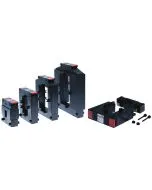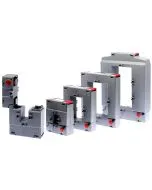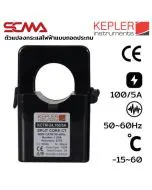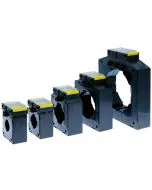

Have you ever encountered a sudden machine shutdown due to electrical system failure? This issue can be prevented if you have industrial electric current measuring equipment that meets the standard SCMA. We are experts in measurement and testing tools for automatic systems, ready to provide consultation and distribute leading electricity meters. This article will guide everyone through a detailed checklist for selecting the right electrical current measuring devices correctly, increasing safety while extending the lifespan of your industrial electrical system.
What is Industrial Electric Current Measuring Equipment?
Industrial electric current measuring equipment is an important tool used to check the amount of electricity flowing through circuits in industrial systems. SCMA offers a wide range of leading electrical measurement tools from various brands, such as Kyoritsu, which meet the needs of both electrical system work and control panels (MDB), as well as accurate safety checks to prevent potential damage to machinery.
How Industrial Electric Current Measuring Equipment Works
The industrial electric current measuring equipment and power meters from SCMA operate based on electromagnetic principles. The current flowing through the conductor creates an induced magnetic field in a coil, which is then converted and calculated by a smart microcontroller into current or power values for clear display. This helps engineers quickly analyze industrial electrical systems.
How many types of industrial current meters are there?
Current meters used in factories and industries can be primarily categorized based on their usage patterns and installation methods. Based on the experience of the SCMA engineering team, we have identified the main types commonly used as follows:
Analog Ammeter
Ammeters in analog form work with coils and magnets to display readings through a needle on the dial. This type of equipment is suitable for roughly observing changes in current trends within control panels, making it highly durable industrial electrical meter.
Digital Ammeter
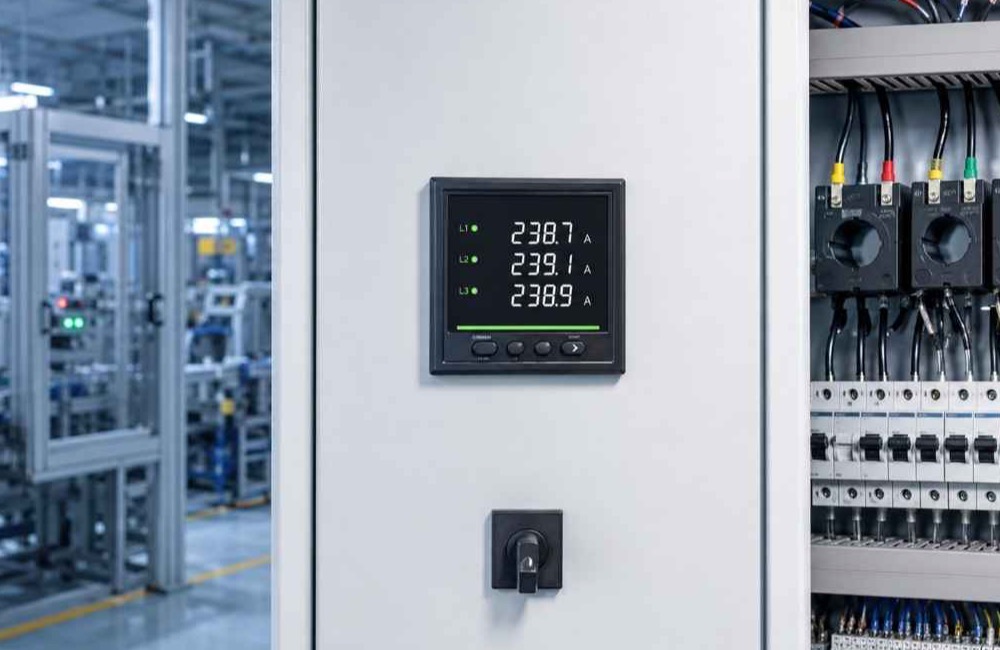
Digital ammeters display readings as numbers on LED or LCD screens, offering high accuracy and ease of reading compared to needle types. These electrical measuring tools now come with data logging functions for automatic systems, making it easier to monitor electricity usage.
Clamp Meter
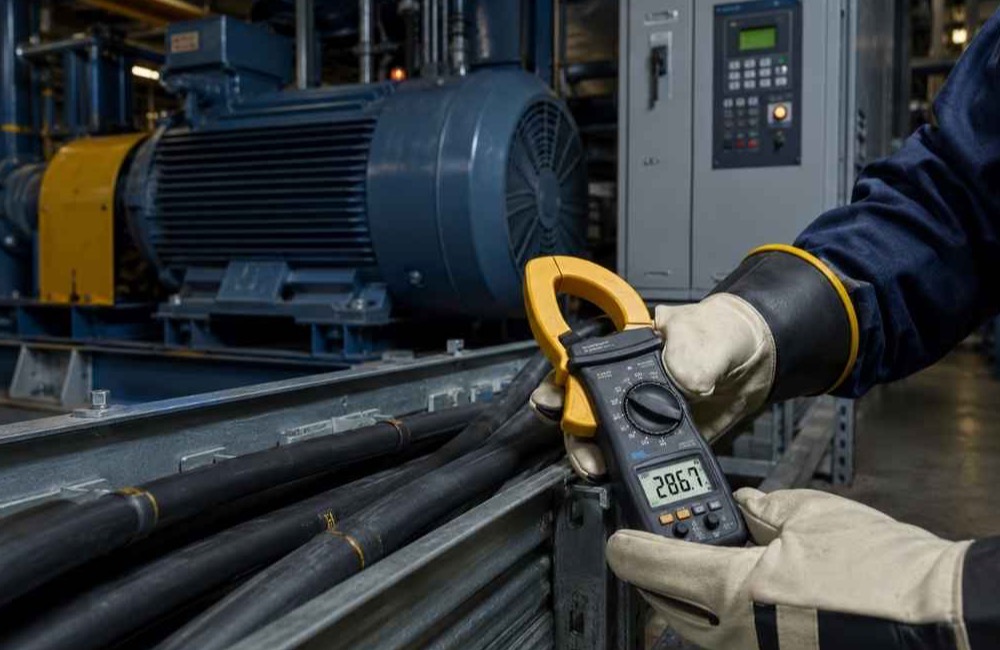
A clamp meter is an electric current measuring device that does not require cutting wires, making it the most convenient and safe to use in a factory. Technicians simply need to clip the jaws around the wire to quickly assess the current flowing through the circuit.
Power Meter
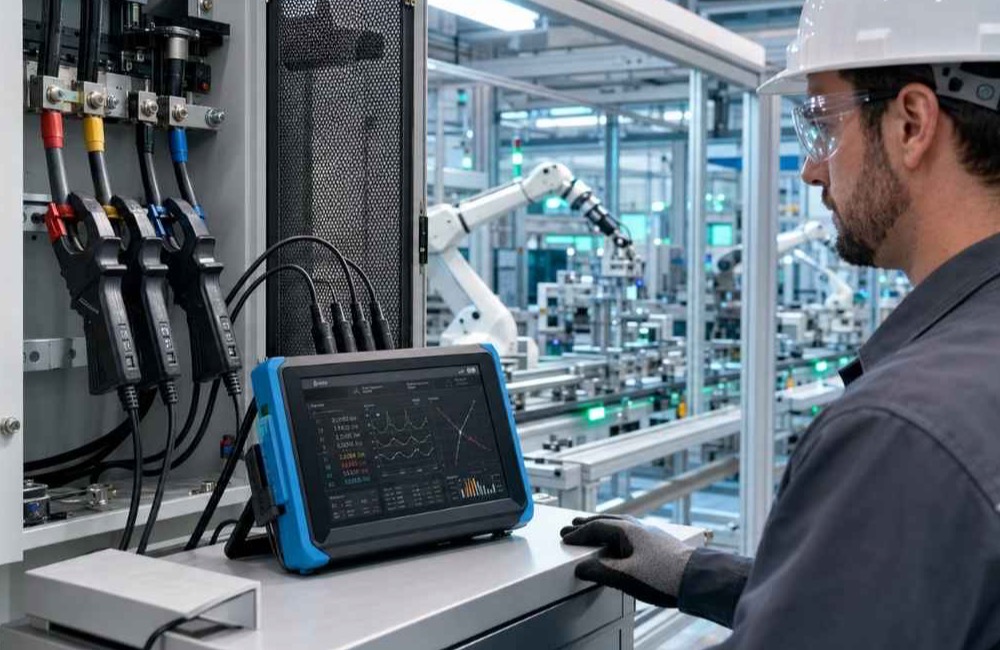
A power meter is a versatile tool used for detailed measurement and analysis of current, voltage, as well as power. Factory engineers commonly use it to evaluate energy efficiency in industrial systems to plan cost reduction measures.
Multimeter
A multimeter is an essential multi-purpose tool that every technician must have because it can measure both electrical current and voltage, as well as resistance all in one device. It serves as a comprehensive electrical measuring instrument for on-site maintenance tasks.
Maintenance of Industrial Electrical Current Meters
Maintaining electrical current meters (ammeters or clamp meters) in industrial plants helps prevent inaccurate readings and extends their lifespan. The key maintenance principles from SCMA are as follows:
Proper Cleaning
Cleaning the electrical current meter should be done using a soft, dry cloth to wipe dust off the surface or screen of the device. Absolutely avoid using corrosive chemicals because they may cause plastic deterioration and affect safety during operation.
Checking Equipment Condition Before Use
Before each use, engineers should inspect the probes or jaws of the electrical measuring tool for any insulation damage or breaks. If damage is found, replace the parts immediately to prevent hazards from short circuits.
Removing Batteries When Not in Long-Term Use
If there will be a long period without using the industrial electrical meter, it's advisable to remove the batteries from the device. This prevents issues of battery acid leakage that could damage the internal digital circuit board.
Annual Calibration (Calibration)
To ensure maximum accuracy, electrical current measuring devices should undergo calibration at least once a year with a certified service center. SCMA offers reliable calibration services to meet this requirement.
Using Industrial Electrical Current Meters
The use of measuring tools is crucial for the safety of operators. Generally, industrial electrical current meters are divided into usage steps according to major types as follows:
Using a Multimeter (Multimeter)
A multimeter is a versatile tool that can measure both current and voltage, as well as resistance. For basic use in measuring electrical current (Amps), the function must be set to A (Amperes) and then connect the measurement leads in series with the circuit supplying the current. The precaution is always to select a measurement range higher than the expected value to prevent meter damage.
Using an Ammeter and Clamp Meter (Clamp Meter)
This type of tool is used to measure electrical current directly, commonly installed in factory main distribution boards (MDB). For the clamp-on type (Clamp Meter), you can clamp around a single wire to read the Ammeter value immediately without stopping machine operation, which helps reduce production downtime efficiently.
Using a Power Meter (Power Meter)
To check energy usage at a deeper level, power meters are used to measure and record electrical energy consumption such as voltage, current, kilowatt (kW) values, and power factor. Engineers use this data to analyze the overall energy efficiency of the factory.
How to Choose Industrial Electrical Current Meters
Selecting an industrial electrical current meter should be carefully considered for accuracy and cost-effectiveness. Here is a checklist:
- Safety Rating: Check the CAT (Category) standards suitable for the electrical measurement zone in the factory.
- Type of Use: Choose the current meter that fits the job, such as clamp meters for quick checks or multimeters for detailed maintenance work.
- Measurement Range: The equipment must support the highest amount of current produced by the factory's electrical system without exceeding limits.
- Durability: Industrial environments are often hot, so choose tools that are durable and dustproof and impact-resistant.
The Benefits of Using Standardized Industrial Electrical Current Meters
Investing in internationally standardized electrical current meters is not just about complying with regulations, but also creating long-term engineering advantages. The benefits include:
- Avoid Downtime: Detect abnormal conditions of industrial electricity before machinery breaks down.
- Extend Equipment Lifespan: Accurate measurements with electrical measuring tools help balance the power system, reducing heat accumulation.
- Precise Cost Analysis: Power Meters provide a clear overview of energy consumption for the factory.
- Increase Safety: Reduce risks from short circuits or fires which are dangerous to employee lives.
Summary
Industrial Electrical Current Meters are crucial in maintaining stable industrial power systems, whether it's clamp meters, multimeters, or various ammeters. Choosing standardized electrical measuring tools can prevent significant damage. If you're looking for accurate measurement solutions, SCMA is ready to partner with you as a consultant and system designer.
Buy Industrial Electrical Current Meters from SCMA Today!
The right choice ofIndustrial Electrical Current Meters directly impacts the safety efficiency of your business. SCMA offers high-quality technologies carefully selected, including electrical analysis meters, calibration services, and comprehensive project solutions by expert engineers. To upgrade your factory, visit ourservices page, or view more products at theproduct page.
Frequently Asked Questions
What is an Ammeter?
An ammeter is a device for measuring electrical current flowing through a circuit. It comes in both analog needle and digital types.
How does a clamp meter differ from a multimeter?
A clamp meter measures current by clamping around the wire without needing to cut into the circuit, whereas a multimeter requires being connected in series with the circuit to measure values.
When should electrical measuring devices be calibrated?
Calibration should occur at least once per year or when observed that readings are showing unusual discrepancies during operation.
Where is a good place to buy current measuring equipment?
Purchase from an expert distributor like SCMA as we offer comprehensive after-sales service and guarantee authenticity.
If you want to view SCMA's electrical measuring equipment, where can you do so?
You may browse and order products immediately at our current measuring system products page.