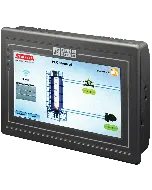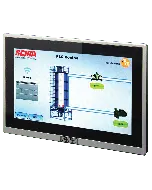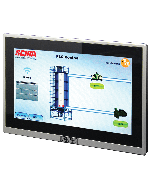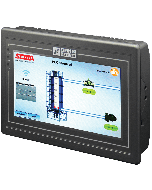
What is a Human-Machine Interface (HMI)? Why is it Important?
A Human-Machine Interface (HMI) serves as an effective communication medium between operators and machinery, making production data, control, and maintenance easier. In this article, you will understand the meaning, functionality, and benefits of HMI, which is a crucial component of modern factories. Additionally, we introduce services from SCMA, which are ready to provide comprehensive solutions to elevate your business towards sustainable success.
What is a Human-Machine Interface (HMI)?
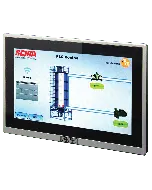
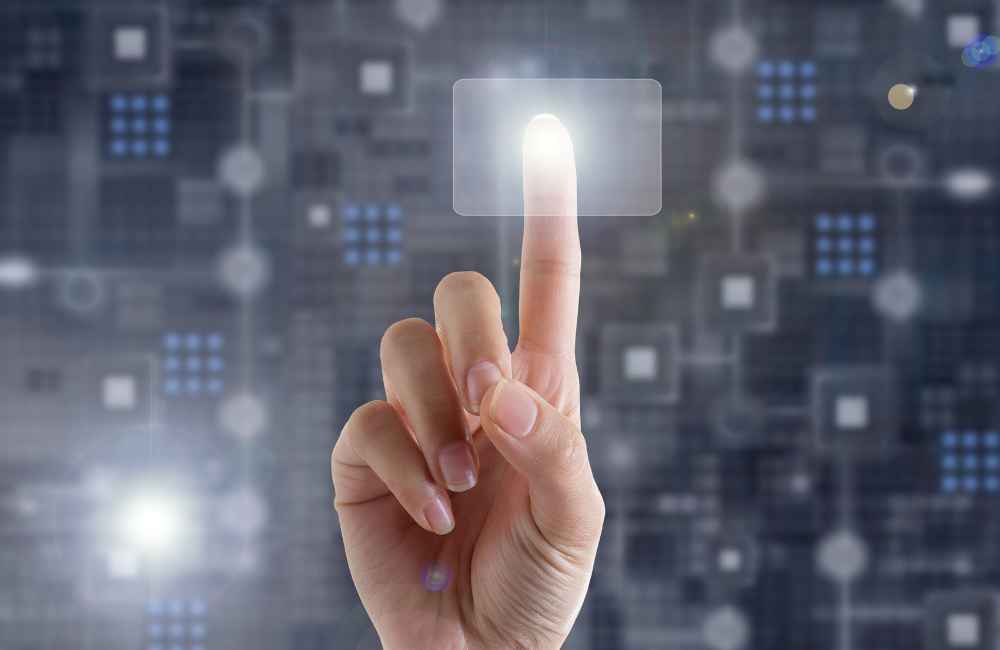
Human-Machine Interface (HMI), or simply HMI, is a technology that acts as an intermediary between humans and machines to facilitate easier communication, control, and monitoring of production processes through modern displays connected with various control systems such as PLC, SCADA, or other automation systems. Therefore, the Human-Machine Interface (HMI) has become a critical component enabling today's industrial factories to operate systematically and at maximum efficiency.
How Does Human-Machine Interface Work?
Human-Machine Interface (HMI) functions as an intermediary between machines and users through real-time data communication. HMI devices receive information from sensors, HMI PLCs, and other control systems to process and display the data in a user-friendly format. This system is crucial for the HMI Control System, which ensures continuous and high-quality production in industries.
Data Collection
HMI gathers information from machines and manufacturing equipment, including operational status, efficiency, or warning signals through connections with PLCs and sensors. The collected data is sent to the HMI Control System for real-time monitoring and analysis by users.
Data Processing
Once the data is received, HMIs process it into an easily understandable format and pass it on to control systems or ERP systems to aid strategic decision-making. This process enables seamless and accurate collaboration between Human-Machine interfaces and automated systems.
Data Presentation and Control
One of the highlights of Human-Machine Interfaces is presenting data in an easily understandable manner, whether through graphics, charts, symbols, or warning messages. This allows users to control machines directly via HMI screens, making operations convenient and reducing errors in HMI PLC operations.
Data Logging
HMI is not just about control but also records machine operation data and production processes for database storage. This logging is beneficial for trend analysis, improving manufacturing processes, and future business development, making it a key component of Human-Machine Interfaces in creating smart factories.
What are the advantages of Human-Machine Interface (HMI)?
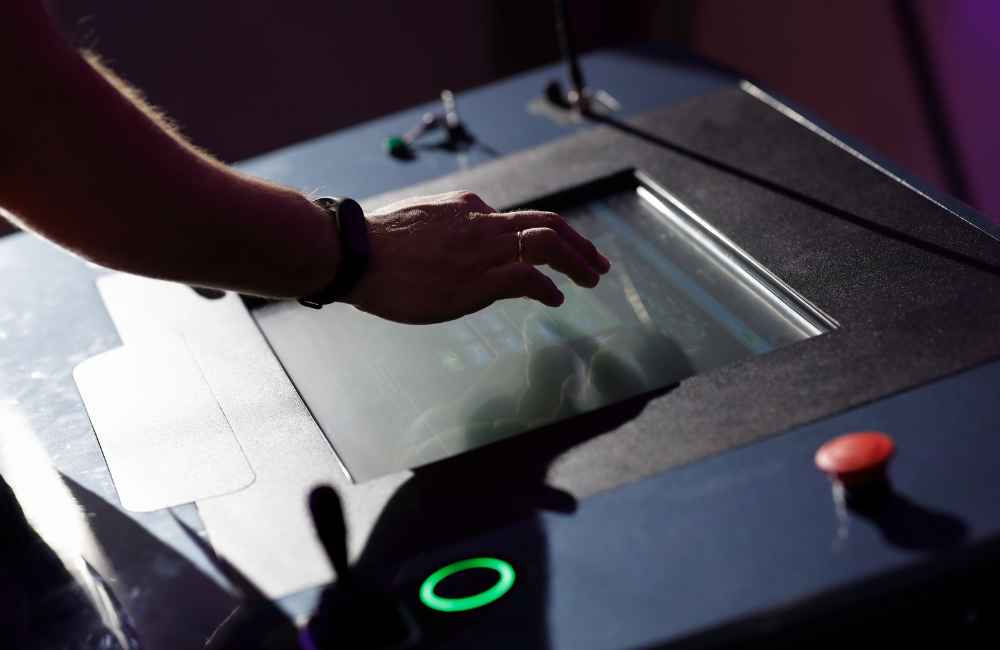
Human-Machine Interface plays a crucial role in modern manufacturing because it helps to make communication between humans and machines easier, while also increasing accuracy and safety. The advantages of HMI (Human-Machine Interface) are as follows:
- Easy and convenient control: With user-friendly touch screens, operating and checking the status of machines is quick and efficient.
- Diverse connectivity: Supports seamless integration with HMI PLCs, sensors, and devices in an HMI Control System.
- Real-time data: Displays live data to detect and resolve issues promptly, reducing downtime and improving efficiency.
- Data logging capability: Stores production history and data for trend analysis and sustainable planning.
- Remote control support: Users can monitor machine operations through networks or portable devices anytime, anywhere.
- Enhanced safety: The HMI system has encryption and safeguards against erroneous commands to ensure maximum safety in use.
Why is the Human-Machine Interface Important in Today's World?
Using a Human-Machine Interface (HMI) can store various production process data in Excel files and access Data logger information through a Web Browser easily, making it convenient to search for data even when not on the production line. The importance of HMI can be summarized as follows:
- It helps increase production efficiency: reducing human errors and increasing accuracy
- Supports strategic decision-making: with easy-to-access real-time data
- Increases production line flexibility: supports immediate changes when new requirements arise
- Connects IT and OT: helps ensure data management in ERP and MES systems work in harmony
- Is the heart of a Smart Factory: because it is the central point for communication between people and machines
Basic Principles of How Human-Machine Interface Systems Work
Human-Machine Interface systems are used in various industries, from production line control to machinery management and building management. HMI works by connecting data with PLCs (Programmable Logic Controllers) and automation systems to display and control information effectively. Proper use of HMI enhances manufacturing capabilities, reduces costs, and supports the sustainable development towards a Smart Factory.
How to Choose the Right Human-Machine Interface?
In the era of Industry 4.0, selecting a suitable HMI (Human-Machine Interface) involves considering several factors such as environmental conditions, technical features, and long-term cost-effectiveness. Key considerations include:
- Working Environment Choose an HMI designed to withstand dust, humidity, or high temperatures.
- HMI Features Screen size, resolution, and connectivity with the HMI Control System must meet your requirements.
- Security HMI with security features such as data encryption and electrical leakage protection.
- Budget Consider the cost-effectiveness of your investment to get the best HMI Human-Machine Interface for you.
Looking for High-Quality Human-Machine Interfaces? Think SCMA!
If you are looking for high-quality and suitable HMIs for your production line, SCMA is a trusted partner. We not only distribute leading HMI Human-Machine Interface equipment but also offer comprehensive design, installation, consultation services, as well as HMI PLC and HMI Control System connection solutions that support modern factories.SCMA is ready to help your business confidently move towards a Smart Factory.
Summary
Frequently Asked Questions
What is an HMI Display?
Human-Machine Interface (HMI) display is a device that serves as an intermediary between the user and machinery, through graphical, text-based, and numerical displays that are easy to understand. It helps control production systems more accurately and conveniently.
Why is Human-Machine Interface important in industry?
Human-Machine Interface (HMI) is crucial because it enhances efficiency, reduces errors, and ensures safety on production lines by enabling quick communication between humans and machines. It supports the development of factories towards becoming Smart Factories.
What are Human-Machine Interfaces used for?
Human-Machine Interfaces are used to check machine status, control production processes, and record important data. They connect with HMI PLCs and automation systems to ensure efficient decision-making and operations in industries.
What types of information can an HMI system display?
The use of a Human-Machine Interface (HMI) is not limited to controlling machinery but also serves to display various data to assist operators in decision-making. HMI can connect with HMI PLC and HMI Control System to collect, analyze, and present important information in multiple formats as follows:
- Machine Status Data
Displays real-time machine operation status such as normal operation, downtime, or abnormal operation so that users of Human-Machine Interfaces can quickly recognize and address issues. - Production Data
Displays production output, production rate, and performance efficiency, which helps system controllers to appropriately improve processes in line with Smart Factory approaches. - Quality Data
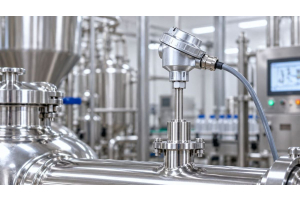
Checks quality values of products or materials such as size, weight, or temperature. HMI connects with Human-Machine and measuring sensors to control quality according to standards. - Alarm & Notification Data
Displays alerts when abnormal events occur, along with details and solutions. This enhances the safety of using HMI Human-Machine Interface and reduces the risk of production line downtime.
Trend and Historical Data
Records past production data, analyzes trends, and helps engineers efficiently plan maintenance through collaboration with HMI, PLC, and ERP systems.