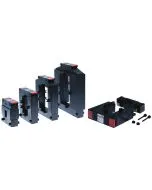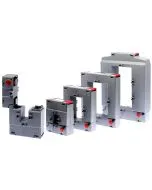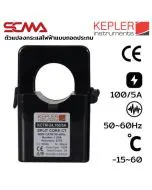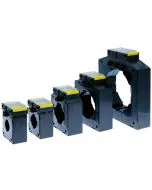

An electrical leakage tester is a crucial device for checking electrical safety, but did you know that even minor electrical leaks can cause severe hazards? This article will take you through the detailed understanding of an electrical leakage current tester, from its working principles to types of leakage current meters and how to choose the appropriate Leakage Current Tester to ensure efficient maintenance of equipment safety and longevity.
What is an Electrical Leakage Tester?

An electrical leakage tester is an electrical measuring tool specifically designed to measure the amount of current leaking from a circuit or electrical system. This Leakage Current Tester accurately and safely detects leaks without direct contact with wires, making it essential for electricians, engineers, and facility managers in all organizations. Leakage refers to the flow of electricity through insulation or surfaces of equipment to ground or other unintended parts. Measuring leakage current is crucial for assessing safety and insulation quality.
What are some causes of electrical leaks?
Electrical leakage, or Leakage Current, occurs when electricity flows out of a circuit to unintended parts. Main causes often include deteriorated insulation due to prolonged use, moisture intrusion into equipment, improper installation, or damaged wires from gnawing or bending. Electrical leakage testers play a vital role in detecting these issues before they cause harm since the meter can accurately measure even minor leaks. Installing protective devices such as RCCB and regularly using a leakage current tester for inspection will effectively prevent accidents and potential damage.
How a Leakage Current Tester Works
A leakage current tester, or Leakage Current Tester works by measuring the electrical current that flows through the insulation or dielectric of an electrical device. It applies a test voltage approximately 100-110% of the normal operating voltage to the system, then uses a meter or Current Clamp to measure the leaking current. The Leakage Current value is an indicator of the quality of the insulation and the level of safety during use. Modern leakage current testers often have additional functions such as data logging, comparison with standard values, and alerts for abnormal readings, making inspections quick and accurate.
What are the types of leakage current testers?
Leakage current testers come in various types designed to meet different usage requirements. Each type of Leakage Current Tester has unique features and advantages tailored to specific applications. Leakage current testers can be broadly categorized into four main types.
AC Leakage Current Tester
An AC Leakage Current Tester is designed specifically for alternating current (AC) electrical systems, which are the most common in both residential and industrial settings. This type of meter accurately measures leakage current within the frequency range of 50-60 Hz, making it suitable for testing household appliances, office equipment, and AC-powered industrial machinery.
DC Leakage Current Tester
A DC Leakage Current Tester is used with direct current (DC) electrical systems. It is commonly employed to test electronic devices, solar panels, battery systems, and DC motors. This type of tester requires high precision because leakage currents in DC systems are often very low. Accurate measurement helps prevent damage to sensitive electronic equipment.
Digital Leakage Current Tester
A Digital Leakage Current Tester comes with a high-resolution digital display, making it easy and accurate to read leakage current values. It often includes additional functions such as data logging, averaging calculations, and computer connectivity. This type of tester is ideal for applications requiring high accuracy and systematic reporting.
Clamp Meter Leakage Current Tester
A Clamp Meter Leakage Current Tester is a clamp meter that can measure leakage current without interrupting the circuit or disconnecting wires; simply clamping around the wire to be tested. This makes using this type of tester both safe and convenient, making it particularly suitable for testing live electrical systems and maintenance work requiring speed.

Applications of Leakage Current Testers
Leakage current testers play a crucial role in various industries to ensure product safety and quality. The Leakage Current Tester is used for testing and inspecting electrical equipment from the production stage through maintenance, with diverse applications as follows:
- Electronic Devices and Household Appliances - Leakage current testers are used to check household appliances such as refrigerators, washing machines, air conditioners, computers, etc., to ensure that the leakage current does not exceed standard levels which could be dangerous for users.
- Medical Equipment - Leakage current meters are crucial in testing medical equipment such as defibrillators, MRI machines, electro-surgical units, which must have extremely low leakage levels for patient safety.
- Automotive Industry - Leakage current testers are used to check the electrical systems in vehicles, especially electric and hybrid cars, to prevent dangerous electrical leakage that could harm passengers.
- Building Electrical System Maintenance - Leakage current meters are used to check the electrical systems in office buildings, factories, and other locations to find leakage points and fix them before they become dangerous.
- Testing Electrical Components - Leakage current testers are used to check the integrity of insulation in wires, connectors, and other electrical components to ensure that leakage current is at a safe level.
- Testing Power Supply Units (PSU) - Leakage current meters are used to test power supplies in computers and electronic devices to prevent electrical shocks and damage to sensitive components.
Important Guidelines Before Using an Electrical Leakage Tester
- Preparation before testing - Check the connections of the leakage current meter securely, set the measurement range appropriately, and check the voltage control center position. Read the user manual for the current leakage meter thoroughly before starting work.
- Testing procedure - Increase test voltage gradually, wait until the value stabilizes for about 1 minute before reading the Leakage Current, which is displayed on the screen. Record the obtained values along with the testing temperature for accurate comparison.
- Ending the test - After using the Leakage Current Tester, turn the control back to the zero position before disconnecting the power source. Then connect the grounding wire of the tested product to discharge any remaining electricity.
- Converting and recording results - Convert the measured leakage current values to standard values at 25°C for correct comparison. Prepare a detailed test result report for future reference.
How to Choose a Leakage Current Tester: What Should You Consider?
Choosing the right Leakage Current Tester for your needs is crucial to ensure efficient testing and a worthwhile investment. Here are important factors to consider when selecting a leakage current tester:
- Type of Electrical System - Determine whether you need to test AC, DC, or both systems and choose a meter that supports your specific requirements.
- Measurement Range - Check the voltage and current measurement ranges of the leakage current tester to ensure they match the equipment you need to test, including the minimum and maximum leakage current values that can be measured.
- Usage Mode - Choose a portable Leakage Current Tester for field work or a benchtop model for laboratory use. Consider the weight and size to suit your needs.
- Measurement Accuracy - Select a leakage current tester with accuracy that meets your standards, typically no less than ±2% for general use.
- Additional Features - Consider additional functions such as voltage measurement, resistance testing, data logging, and computer connectivity to enhance the convenience of using the tester.
- Budget and Value - Compare prices and features of Leakage Current Testers from various brands, considering long-term costs including calibration and maintenance expenses.

The Importance of Using a Leakage Current Tester?
Electrical leakage is an unseen danger that can cause severe damage. Therefore, using a Leakage Current Tester is crucial in preventing various issues from occurring. A Leakage Current Tester helps prevent the following damages:
- Prevent Electric Shock - The leakage current tester detects potential leakage currents that could cause electric shock, which can lead to injury or death, especially in humid environments.
- Prevent Fires - Using a leakage current tester helps detect points of electrical leakage that could cause short circuits and lead to fires.
- Prevent Equipment Damage - A leakage current meter detects issues before they cause premature damage to electrical equipment or machinery, saving repair and replacement costs.
- Reduce Production Downtime - Using a Leakage Current Tester for preventive maintenance helps reduce unexpected production line interruptions.
- Save Costs - Detecting and addressing leakage current issues reduces unnecessary energy loss and increased electricity costs.
- Comply with Safety Standards - Using a Leakage Current Tester helps organizations comply with safety requirements and industry standards.
If you are looking for a "high-quality leakage current tester," think of SCMA!
Choosing to use a high-quality leakage current tester is a worthwhile investment for safety and operational efficiency. SCMA specializes in the sale of leakage current testers and measurement devices from leading global brands, offering comprehensive services including consultation on selecting the appropriate Leakage Current Tester, training on usage, calibration, and after-sales service. With over 20 years of experience, we understand our customers' needs and are ready to present ammeters that meet every requirement, whether for AC, DC, or digital leakage current measurement. Contact SCMA today to receive free consultation and special offers for high-quality leakage current testers.
Summary
A leakage current tester is an essential tool for safety and operational efficiency of electrical equipment. As mentioned, Leakage Current Testers come in various types, including AC, DC, digital, and clamp meters, each suitable for different applications. Understanding the working principles of a leakage current tester and selecting the appropriate measuring device can effectively prevent electric shock, fire hazards, and equipment damage. Investing in high-quality leakage current testers from SCMA not only ensures safety but also saves long-term costs and helps organizations comply with safety standards fully. Do not let leakage current be an unseen threat to your safety.Contact SCMA today for consultation and selection of the appropriate leakage current tester that meets your needs.
Frequently Asked Questions
What is Leakage Current?
Leakage Current refers to the electrical current that leaks from a circuit or electrical equipment to ground or other unintended parts. It is typically measured in milliamps (mA) or microamps (μA). A Leakage Current Tester helps measure this value accurately. Acceptable leakage values vary depending on the type of equipment and safety standards, such as medical devices requiring less than 0.5 mA while general household appliances may accept up to 3.5 mA. Regular use of a leakage current tester ensures that the leakage remains within safe levels.
What is a Residual Current Device (RCD)?
A Residual Current Device (RCD) or RCCB is a protective device that automatically detects and cuts off electrical current when leakage exceeds the set value, typically set at 30 mA for life protection. However, an RCD cannot accurately determine the exact leakage value; thus, a leakage current tester must be used alongside it. Using a leakage current meter to check the system before installing an RCD helps select the appropriate size and prevent unnecessary tripping.
What is the purpose of measuring Enclosure Leakage Current?
Enclosure Leakage Current refers to the current that leaks through the casing or external structure of electrical equipment. Measuring with a leakage current tester aims to ensure user safety when touching the device. The leakage current tester measures the current that may flow through a person's body upon contact with the equipment during use. Enclosure Leakage values must not exceed specified standards, such as IEC 60950 setting it at no more than 0.25 mA for Class I equipment. Regular testing using a leakage current meter ensures user safety.
How can one check for electrical leaks?
Checking for electrical leaks can be done in several ways, with the most accurate method being to use an electrical leak tester or Leakage Current Tester by measuring the leaking current from equipment to ground. Additionally, a clamp meter around wires can measure without interrupting circuits. Other methods include using a voltage tester screwdriver on the device and observing unusual symptoms like appliances shocking when touched or unusually high electricity bills. However, these methods cannot accurately determine leakage values as precisely as direct use of a leakage current meter.
Does electrical leakage cause abnormally high electricity bills?
Electrical leakage can indeed lead to higher electricity costs, as Leakage Current is the leaking current from circuits that still gets counted by electricity meters. Using a leakage current tester reveals that if there's significant leakage, such as 100 mA continuously for 24 hours, it would waste about 0.55 kWh per day or 16.5 kWh per month, potentially increasing monthly bills by 50-100 yuan. Regularly checking and addressing issues with a leakage current meter can help save on electricity costs. Additionally, the Leakage Current Tester helps identify leaks that may cause equipment to work harder and consume more power than usual.