
Soil testing tools are one of the important devices that farmers and researchers often use to analyze soil quality. Since the pH level in the soil directly affects nutrient absorption and plant growth, understanding soil testers and using them correctly will help users improve their cultivation environment efficiently. In this article, you will learn about the meaning, working principles, usage methods, and guidelines for selecting suitable soil quality testers.
What is a Soil pH Meter?

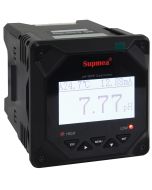
A Soil pH Meter, also known as a soil pH meter, is an instrument used to check the acidity and alkalinity of the soil by displaying values in pH units ranging from 0–14. A pH value below 7 indicates acidic soil, while above 7 indicates alkaline soil. Using a soil pH tester is therefore a crucial step in evaluating soil quality to determine suitable conditions for planted crops.
What is Soil pH?
Soil pH refers to the concentration of hydrogen ions in the soil and is important because it affects chemical reactions and the solubility of nutrients. If the soil's pH level is too low, some essential nutrients may dissolve excessively and become toxic, while if it’s too high, necessary nutrients might not dissolve at all, making them unavailable for plants to absorb. Using a soil tester or a soil pH meter helps growers control soil quality more accurately.
Why Is Soil pH Important in Agriculture?
Maintaining proper pH levels is an essential step that should not be overlooked as it directly impacts nutrient absorption, the functioning of beneficial microorganisms, and overall crop yield quality. Neglecting to monitor can lead to plants being unable to absorb nutrients even if large amounts of fertilizer are applied. Using a soil acidity tester thus enhances efficiency, reduces fertilizer costs, and ensures high-quality yields suitable for sustainable farming practices.
How a Soil pH Meter Works
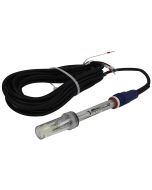
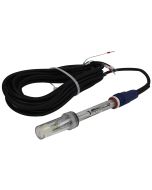
A soil pH meter typically operates by using an electrode to measure the voltage difference between the soil and a reference solution. When the probe comes into contact with the soil, data is processed and displayed on the screen immediately. This technology ensures accurate and quick measurements regardless of whether it's a needle-type, digital, or multi-parameter device. Using the appropriate soil meter helps farmers and researchers professionally analyze soil quality.

How to Use a Soil pH Meter
Before using, it's important to understand the correct measurement method as the accuracy of soil testing equipment depends on soil preparation and electrode usage. Proper use of a soil meter maximizes the efficiency of evaluating soil quality. The steps for using a soil pH meter correctly are crucial in assessing true soil conditions and improving cultivation efficiently. Following appropriate procedures will yield reliable results, helping growers manage soil pH accurately and sustainably.
Usage Steps:
- Prepare Soil for Measurement: Dig or drill into the soil to a depth of about 15–20 cm. If the soil is dry, add a small amount of distilled water to ensure full contact with the probe.
- Prepare Electrode: Rinse the probe with clean water before use to prevent contamination and extend its lifespan.
- Insert Probe into Soil: Apply gentle pressure to reduce damage risk; wait until the reading stabilizes on the screen before recording it.
- Repeat at Multiple Locations: For accuracy, randomly measure several points within the same area and average the results.
- Clean After Use: Rinse the probe with tap water and store properly to maintain the performance of the soil testing equipment.
What are the features of a soil pH meter?
Each model of a soil pH meter has different features, but factors to consider include durability, accuracy, and ease of use. Key features to look for include:
- Meter accuracy: Helps users accurately and consistently assess soil quality
- Display screen (LCD or digital): Makes readings easy and reduces errors; additional functions: Some models can measure moisture, temperature, or light intensity in one device
- Durable design: Robust construction suitable for field work with a long lifespan
- Portability: Lightweight and user-friendly, ideal for farmers, researchers, and science students
To achieve accurate results, choose soil measurement tools that meet your actual needs by considering the frequency of use, environment, and type of equipment. Using an appropriate pH meter in soil will clearly enhance planting efficiency.
Read article>>>What is a pH Meter? How does it work, and what can it measure?
What should be considered when choosing a soil pH meter?

Selecting the right soil pH meter for your needs involves considering several factors, including location of use, frequency of use, and type of equipment. To ensure that the chosen device meets your requirements, having an appropriate soil pH tester will enhance measurement efficiency.
Location of Use
For agricultural fields, field work, or laboratories, choose a soil pH meter with different features. If used in the field, focus on durable and portable equipment; if used in labs, opt for high-resolution soil quality meters.
How Often Do You Need to Measure Soil pH?
If you need to check soil pH frequently, select a device that allows sensor replacement since sensors have limited lifespans. Choosing a pH meter with replaceable parts will save costs in the long run.
Types of Soil pH Meters
Soil pH meters come in various types designed to accurately measure soil properties, with each type of pH Meter and Soil Tester suitable for different agricultural and research needs. This helps farmers choose the right tool based on their specific requirements.
- Analog Soil pH Meter: Easy to use, battery-free operation, displays results via a needle, ideal for general farming tasks
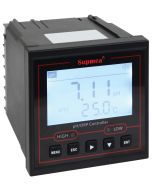
- Digital Soil pH Meter: Clear and accurate readings, with additional functions such as moisture measurement and EC Controller
- Portable/Multi-functional Soil pH Meter: Combines pH, moisture, and EC measurements in one device, convenient to use and suitable for those requiring comprehensive data
- Solution-based type: Suitable for detailed testing in laboratories
If you're looking for "High-Quality Soil pH Meters," think SCMA!
Soil pH meters are not only essential tools for soil quality analysis but also key to enhancing agricultural productivity. As experts in soil measurement equipment, SCMA offers high-precision and durable products from leading global brands. Additionally, we provide consultation, design, and installation services tailored to your specific needs.
Summary
A soil pH meter is a crucial tool that helps farmers and researchers accurately understand soil quality for increased yield and sustainability. Choosing the right high-quality equipment is important. If you're looking for an all-inclusive service provider, SCMA is your reliable partner, offering both trusted products and after-sales services. Contact us for consultation and solutions tailored to your industry needs.
Frequently Asked Questions
What is a Soil pH Meter?
A soil pH meter is an instrument used to check the acidity level in the soil for analysis of its quality and suitability for planting. It works by using electrodes that measure hydrogen ion activity.
What is Soil pH Value?
The soil pH value indicates the degree of acidity or alkalinity in the soil, which affects nutrient solubility and plant growth. If the values are not appropriate, plants may not be able to absorb nutrients fully, and using a pH meter helps accurately assess soil conditions.
Why Measure Soil pH?
The purpose of measuring soil pH with a soil pH meter is to evaluate soil quality, improve soil condition, reduce fertilizer costs, and increase productivity efficiently.
Is the Soil pH Meter Really Effective?
Absolutely, soil pH meters are indeed effective and widely accepted in agriculture. Using high-quality soil pH testers will help ensure accurate measurements and sustainable management of soil conditions.