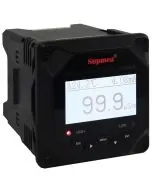
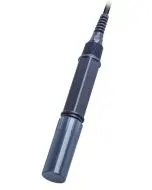
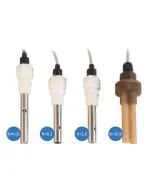
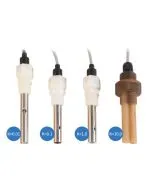
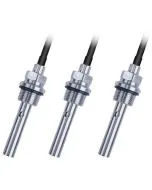
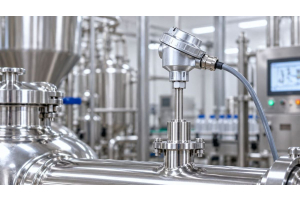
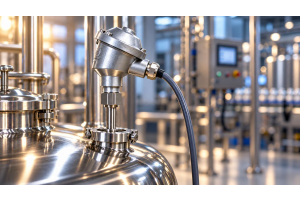
The EC Meter, or Electrical Conductivity (EC) Meter, plays a crucial role in agriculture, industry, and water treatment. This article will help you understand the meaning of an EC Meter, its basic operation, benefits, and advantages of using it. SCMA is ready to provide comprehensive services from procurement, installation, to consultation on usage, ensuring that the information provided in this article can be practically applied.
What is an EC Meter?

The EC Meter, or Conductivity Meter, is an electronic device used to measure the electrical conductivity (EC) of liquids such as water, soil, or solutions. It measures the concentration of ions dissolved in a sample, indicating the purity or amount of minerals present within the liquid. Liquids with more minerals have higher conductivity values, while distilled or purified water has near-zero values. Currently, EC Meters are used alongside pH meters or EC controllers to precisely control water quality and production processes in industries.
What is EC?
The EC value measures a liquid's ability to conduct electrical current, which varies directly with the amount of salt, minerals, and nutrients dissolved. The higher the concentration of dissolved substances, the greater the conductivity. In hydroponic systems, for example, EC values indicate nutrient levels in plant solutions. Checking these values helps users adjust water conditions and control quality appropriately, benefiting both agriculture and industry.
Why is EC Important?
Metering EC isn't just about checking water quality; it's a critical indicator used in science, agriculture, and engineering to control production standards and environmental factors.
- Evaluating Water Quality: Used to check the purity of DI or RO water in laboratories
- Hydroponic Systems: Determines appropriate nutrient levels for plants
- Mechanical Engineering: Assesses scale formation or corrosion in pipe systems
- Agriculture: Checks soil nutrient and mineral content to enhance crop yields
How Does an EC Meter Work?
The EC meter works by inducing an electric current through a liquid and measuring the amount of movable electrical charge. The result is displayed as conductivity, which correlates with Total Dissolved Solids (TDS), indicating the concentration of salts or dissolved substances. Conductivity measurement is quick and accurate, suitable for both research, laboratories, and continuous water quality control in industrial production.
Read Article>>>What is an Electrical Conductivity Meter?
What are the Benefits of Using an EC Meter?
The conductivity meter not only checks water quality but also enhances overall system management efficiency
- Agriculture and Livestock Rearing: Indicates nutrient levels and salinity in soil or water.
- Aquaculture: Helps maintain salt and nutrient balance in water.
- Water Treatment: Checks wastewater quality to prevent environmental impact.
- Boiler Maintenance: Detects contaminants that may cause scale formation.
- Pools/Saltwater Pools Care: Controls chemical balance for safe water.
What are the Units of Measurement for EC?
The international unit of measurement for EC is Siemens per meter (S/m), indicating a liquid's ability to conduct electric current. However, in everyday use, especially in agriculture and industry, smaller units such as µS/cm (microsiemens per centimeter) and mS/cm (millisiemens per centimeter) are commonly used for easier reading and accuracy.

Applications of EC Meter
EC Meters and conductivity meters are widely used in both industrial agriculture and science due to their ability to quickly and accurately measure the quality of water and solutions. Applications range from food production, agriculture, to engineering systems and water treatment.
Used for Water Treatment
The Conductivity Meter plays a crucial role in controlling water quality both within factories and in environmental settings. Measuring EC helps assess pollution levels, salt content, and the quality of effluent discharged into natural sources to meet environmental standards and reduce long-term impacts.
Used for Boiler Maintenance
In industrial systems, boilers require high-quality water to prevent scale formation. Using an EC Meter to check electrical conductivity allows operators to control the purity of feedwater, reducing damage risks and extending boiler lifespan.
Used for Salt Pool Maintenance
Saltwater pools and spas need continuous chemical balance checks. Conductivity meters help pool managers know when to add salt or adjust chemicals to keep water clean and safe for users.
Used in Plant Cultivation and Livestock Rearing
The EC Meter plays a significant role in agriculture, particularly in hydroponics and aquaculture systems. Electrical conductivity readings indicate nutrient levels in water or soil, helping farmers adjust watering and fertilization appropriately to increase yield and quality of crops and livestock.
Used in Aquariums and Aquatic Animal Cultivation
In aquariums and fish farms, controlling water quality is crucial. EC Meters help monitor salinity and salt concentration levels to maintain suitable environments for the growth and health of aquatic life.
What are the Advantages of an EC Meter?
Selecting an EC Meter or conductivity meter offers several advantages that enhance work quality and convenience.
- Rapid and Accurate: Immediate and reliable water quality checks
- User-Friendly: Portable, suitable for both professionals and general users
- Durable and Cost-Effective: Waterproof design, long-lasting battery life
- Multifunctional Use: Suitable for agriculture, hydroponics, and industrial applications
- Advanced Features: Temperature compensation and data logging to analyze long-term trends

Proper Usage Guide for EC Meter!
To ensure the highest efficiency when using a Conductivity Meter, users should follow these guidelines:
- Rinse the probe with distilled water before each use.
- Submerge the probe completely and avoid air bubbles.
- Use plastic beakers for measurements to reduce signal interference.
- Calibrate the instrument with a new standard solution regularly.
- Measure at room temperature, even if the device has temperature compensation functionality.
Appropriate Maintenance of EC Meter
Proper maintenance of an EC Meter extends its lifespan and preserves the accuracy of the tool.
- Store the probe dry or in storage solution for combined pH/EC probes.
- Clean with distilled water after use.
- Avoid using harsh cleaning agents.
- Regularly inspect the condition of the probe and connecting cables.
- Store in a dry place safe from high humidity.
What Factors Should Be Considered When Purchasing an EC Meter?
Selecting the right EC Meter involves more than just price; it requires considering reliability and long-term usability support.
- Purchase from reputable distributors with after-sales service.
- Check for a calibration certificate (Certificate of Calibration).
- Evaluate durability and design suitable for your working environment.
- Review additional functions such as data logging and temperature compensation.
- Select the model that best fits your needs, whether for research, agriculture, or industrial use.
If You Are Looking for High-Quality EC Meters, Think SCMA!
Purchasing a high-quality and suitable EC Meter enhances long-term efficiency and value. SCMA is ready to serve you if you need accurate and durable Conductivity Meters. With over 40 years of experience in sales, design, and after-sales service, choosing our Conductivity Meter guarantees great value.
Summary
The EC Meter is a crucial tool in science, agriculture, and manufacturing industries as it can quickly and accurately measure the quality of water and solutions. From controlling fertilizers in hydroponic systems to checking water quality in industrial plants, selecting from reputable suppliers is essential for optimal use. SCMA offers reliable advice on purchasing EC Meters and conductivity meters, ensuring both product quality and comprehensive service.
Frequently Asked Questions
What is EC Value?
The EC value refers to the electrical conductivity in water or solution, reflecting the concentration of salts and minerals. The higher the concentration, the higher the EC value, which is a critical indicator in agriculture and industry. What is an EC Meter? An EC Meter, also known as an EC pH meter, is a device used to check the electrical conductivity in water, soil, or liquids for precise quality control and production processes.
How do you use an EC Meter?
To use an EC Meter, simply dip the probe into the sample of water or solution that needs to be tested. The EC value will be measured and displayed on the screen immediately. Users should regularly calibrate the device for accuracy.
What is the standard EC value in water?
The standard EC value in water varies based on its use, such as drinking water should have an EC value below 800 µS/cm while hydroponic systems may require an EC value above 1.2–2.4 mS/cm to suit plant growth.