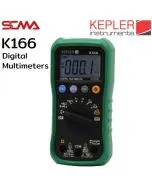
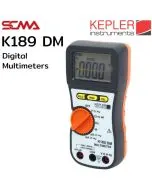
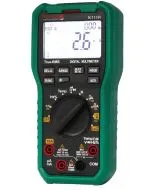
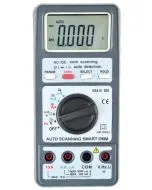
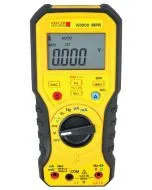
Using a multimeter correctly not only helps to obtain accurate measurement values but also extends the lifespan of thetoolsand prevents potential dangers. This article will introduce how to use a multimeter correctly, along with the necessary basic knowledge about this important measuring tool.
What is a Multimeter?

What is a Multimeter? A multimeter is an electrical measuring tool that can measure multiple electrical parameters, but only one parameter at a time. Users can adjust its operation to function as a voltmeter, ammeter, or ohmmeter as needed, and it can also measure both direct current (DC) and alternating current (AC). This device comes in two types: analog with needle display and digital with numerical display. Newer models often have additional measurement functions such as capacitance measurement, frequency measurement, diode testing, and transistor testing, making them indispensable multifunctional tools for electrical and electronics work.
How Does a Multimeter Work?
The principle of operation of a multimeter is based on the galvanometer. When current is fed in, it causes an electromagnet coil to generate an electromagnetic field, which affects the needle attached to it and moves according to the measured value. In analog multimeters (Analog), this basic principle is directly applied. However, in digital multimeters, a specific circuit converts the measurable electrical quantity into a digital signal, then displays the result as numbers on the screen instead of moving the needle. This makes reading values more accurate and convenient. Although the fundamental principles differ, both types can still measure various quantities by adjusting their functions.
How to Use a Multimeter Correctly

Using a multimeter correctly not only helps achieve accurate measurements but also prevents damage to the tool and potential hazards for the user. Since a multimeter is an electrical device that directly interacts with circuits, careful use of it is crucial.
- Study the Manual Thoroughly - Read the multimeter's user manual before using to understand its functions and limitations.
- Select an Appropriate Measurement Range - Start with the highest range and gradually decrease it to prevent overload damage.
- Connect Leads Correctly - Always connect the red (+) lead to the V/Ω/mA jack and the black (-) lead to the COM jack.
- Disconnect Leads Before Changing - Disconnect leads from the circuit before changing ranges or functions.
- Evaluate Before Measuring - Estimate the value to be measured beforehand to select an appropriate measurement range.
- Watch for Warning Signals - If the meter displays a negative polarity, switch leads immediately.
- Avoid Changing Settings While Measuring - Do not change range or function switches while measuring to prevent damage to the meter.
- Prevent Over-Scale Readings - If a measurement exceeds the scale, quickly disconnect leads and increase the range.
- Maintain Battery Carefully - Remove batteries if not in use for extended periods to prevent battery degradation.
- Check Accuracy Regularly - Calibrate the tool at appropriate intervals to maintain accuracy.
WHAT CAN MULTIMETERS MEASURE?

What can multimeters measure? Multimeters are versatile measuring tools that can measure several electrical parameters, but only one parameter at a time. At their core, they can accurately measure voltage (both direct and alternating current), current, and resistance. In more advanced models, they can also measure capacitance, frequency, test diodes, check circuit continuity, and some models even have the ability to test transistors and measure temperature.
What are the common symbols on a multimeter?
To use a multimeter correctly, it is important to understand the various symbols and labels on the measuring instrument. Here are some commonly found symbols on a multimeter:
- Ω (Ohm) - Symbol for measuring resistance
- VDC or V⎓ - Used to measure direct current voltage
- VAC or V~ - Used to measure alternating current voltage
- A or AMP - Used to measure electrical current, which can be direct (DC) or alternating (AC)
- COM - Common terminal for the black PROBE wire used as a reference point or negative pole
- VΩmA - Terminal for the red PROBE wire to measure voltage, resistance, or low current
- 10A - Terminal used to measure electrical current (up to 10 amperes)
The PROBE wires used with a multimeter come in two colors:
- Black wire - Used to connect to the COM terminal for measuring negative poles
- Red wire - Used to connect to the VΩmA or 10A terminals for measuring positive poles
In addition, multimeters have important basic functions:
- Ammeter (Amp Meter) - Measures electrical current for both direct and alternating currents in amperes (A)
- Ohmmeter (Ohm Meter) - Measures resistance in an electric circuit in ohms (Ω)
- Voltmeter (Volt Meter) - Measures voltage for both direct and alternating currents in volts (V)
If you are interested in purchasing a multimeter, contact SCMA today!
SCMA is a high-quality multimeter supplier from leading global brands. We offer various models to choose from, both analog and digital types that suit every need, whether for general use, maintenance work, or industrial applications requiring high precision.
In addition to quality multimeters, we also provide consultation services on selecting the right multimeter for your meter usage methods, teach basic multimeter operation techniques, and offer warranty coverage for all products. Our expert team is ready to provide fast and efficient after-sales service.
Contact SCMA today to receive special offers on high-quality multimeters that will be your trusted tool for a long time!
Summary
A multimeter is an essential versatile measuring instrument for electrical and electronic work, capable of measuring various electrical values such as voltage, current, resistance, and more. Proper use starts with selecting the appropriate function and measurement range, correctly installing probes, and following safety guidelines.
Understanding how it works, reading values, and interpreting symbols on a multimeter will enhance accuracy and safety in measurements. Whether you are a professional or just starting out, having a high-quality multimeter is crucial.
SCMA is ready to provide services and consultations for all types of multimeters so that you can use the highest quality products that best meet your needs. Contact us today for more information and special offers!
Frequently Asked Questions
How do you use a multimeter?
To use a digital voltage meter, start by selecting the desired measurement function (such as voltage, current, or resistance) using the function selector switch. Then choose an appropriate range and connect the test leads to the circuit or device you want to measure, ensuring correct connections such as parallel for voltage measurements, series for current measurements, and no power supply when measuring resistance.
Why should a digital multimeter be switched off after use?
Switching the multimeter to the OFF position every time after use is important for several reasons:
- It helps conserve battery power since digital multimeters consume energy even when not in use.
- Prevents internal circuit damage during long-term storage.
- Reduces the risk of incorrect test lead connections in future use.
- It fosters good habits when using measuring instruments.
What should be done before using a multimeter?
Before using a multimeter, you should do the following:
- Check the condition of the multimeter and probes to ensure they are in good condition, without cracks or damage.
- Check that the battery has sufficient power.
- Ensure that any internal fuses are in good condition.
- Select the appropriate function and measurement range for the task at hand.
- Connect the probes correctly (red to V/Ω/mA jack, black to COM).
- Perform an initial test by measuring a known value, such as checking the battery voltage.
What can a multimeter measure?
Multimeters can measure various parameters depending on the model and capabilities of the device. Generally, they can measure:
- Voltage (both DC and AC)
- Current (both DC and AC)
- Resistance
- Continuity
- Diode testing
- Capacitance (in models with this function)
- Frequency (in models with this function)
- Temperature (in models with this function)
- Transistor testing (in models with this function)
- High voltage measurement (in special models)
Newer multimeter models often come with additional functions to meet more specific needs.