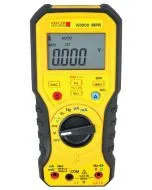

Using a digital multimeter correctly and safely is crucial for everyone working with electricity, whether they are professionals or DIY enthusiasts. Proper use of a digital multimeter not only ensures safety during work but also extends the lifespan of the tool. Moreover, SCMA is one of the leading distributors of high-quality electrical measuring instruments, providing guidance on correct and safe usage.
What is a Digital Multimeter?

A digital multimeter (Digital Multimeters : DMM) is a versatile electrical measuring tool that combines the functions of a voltmeter, ammeter, and ohmmeter in one device. It can measure voltage, current, and resistance, displaying results as digital numbers on its screen for easy reading and understanding. Digital multimeters are more accurate and reliable than analog meters.
How to Use a Digital Multimeter

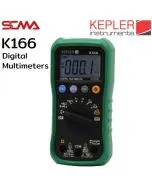
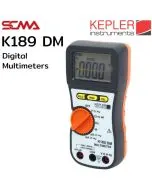
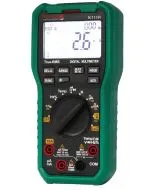
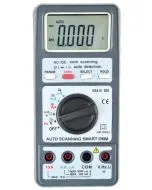
Using a digital multimeter is relatively easy, but it's important to understand the various components of the device first, which include:
- Display screen - shows measured values
- Buttons - used to select functions and measurement ranges
- Rotary switch or selector - used to choose the type of measurement, such as voltage, current, resistance
- Jack ports for test leads - used to connect test leads to circuits being measured
Once you understand the components, connect the test leads to the circuit and select the correct measurement function. Then read the value displayed on the screen.
Common ways of using a digital multimeter include:
- Measuring voltage - select the DCV or ACV function and connect the test leads to the circuit being measured
- Measuring current - use the DCA or ACA function, then connect the meter in series with the current-carrying circuit
- When measuring current with a digital multimeter, start by selecting the highest range and gradually decrease it until you get an appropriate reading.
- Measuring resistance - use the ohm (Ω) function and connect the test leads to the resistor or circuit, but disconnect power sources first
- Testing continuity - use the buzzer function and connect the test leads to parts being tested for connection.
Digital Multimeter Resolution
Resolution is an important factor that helps determine how well a digital multimeter can measure small changes in quantity, measured by the number of digits it can display. For example, if there is a resolution of 1 millivolt at a range of 4 volts, this means it measures down to 1/1000th of a volt.
Higher resolution leads to more accurate measurements but also increases the cost of the device. Therefore, one should choose a resolution that suits their work requirements.
Types of Digital Multimeters
There are several types of digital multimeters available:
- Portable - Small in size and lightweight, suitable for use in tight spaces or when working outdoors.
- Tabletop - Larger in size with higher resolution and accuracy, ideal for laboratory analysis work.
- True-RMS Digital Multimeter - Provides more accurate measurements of non-sine wave signals (Sine Wave).
- Clamp Meter Type - Features a clamp that allows measuring current without interrupting the circuit.
One should select the type of multimeter that best fits their work characteristics and environment.
What are the advantages of digital multimeters over analog meters?
Digital multimeters have several advantages compared to analog meters, such as:
- More accurate and precise measurements
- Clear numerical display, no need to read the scale
- Special features such as data logging and computer connectivity
- Compact size, lightweight, easy to carry
- More diverse functions to choose from
With these superior features, digital multimeters can now replace analog meters in almost all applications.
What Precautions Should Be Taken When Using a Digital Multimeter?

Although using a digital multimeter is easy and convenient, there are some precautions that need to be taken into account:
- Read the user manual thoroughly before use to select the correct function and measurement range.
- Check the condition of the meter and measuring leads for any damage before using them.
- Use necessary protective equipment such as gloves, goggles, and masks.
- Remove the measuring leads before rotating the function switch to avoid damage.
- Do not measure circuits with voltages higher than the meter's rating, as this may cause a short circuit or damage the meter.
- After use, turn off the meter and remove all measuring leads.
Using a digital multimeter correctly and carefully can prevent accidents and extend the lifespan of the meter.
Applications of Digital Multimeters
The use of multimeters is not limited to electricians or engineers alone but extends across various jobs and industries, such as:
- Electrical and electronics work - Used to measure circuit parameters like voltage, current, and resistance for analysis and troubleshooting.
- Maintenance work - Used to check the operation of equipment and machinery in industrial plants.
- Automotive work - Used to inspect the electrical system in vehicles such as batteries, alternators, motors, etc.
- Construction work - Used to measure electrical systems, communication systems, and various control systems in buildings.
- Fieldwork - For example, maintenance technicians for scientific instruments use them to check equipment in remote areas.
- System management work - Such as IT technicians who use them to inspect power sources and network devices in computer systems.
- DIY projects - For instance, homeowners use them to check electrical systems or repair household appliances themselves.
Moreover, digital multimeters are also popular for testing and measuring the efficiency of solar panels, backup power supply systems, air conditioning and heating systems, among others.
If you are interested in digital multimeters, contact SCMA to purchase today!
If you need high-quality electrical measuring tools that are durable and cost-effective, we recommend choosingmultimeters from SCMA because we are professionals in measuring tools. We offer a wide range of digital multimeter models, from basic to advanced special editions, and provide advice on selecting the right one for your needs.
SCMA has digital multimeters that meet international standards such as IEC, EN, and CE mark. We also offer comprehensive after-sales service nationwide, along with competitive pricing. If you are interested in our products and services, please contact us via Line, Facebook, phone, or visit our office to consult directly with our professional team.
Summary
Using a digital electrical meter is not difficult, but caution must be exercised for safety and longevity. Don't forget to read the manual before use and choose a meter that suits your work.
If you are looking formultimeters or other high-quality electrical measuring tools, choose from SCMA. We offer a wide selection of products, long warranties, and professional consultation services. Contact us today to select the digital multimeter that meets your needs.
Frequently Asked Questions
What is a digital multimeter used for?
A digital multimeter is used to measure various electrical parameters such as voltage, current, resistance, diodes, and circuit continuity. It is useful for troubleshooting electrical issues, testing electronic devices, maintenance work, automotive applications, and DIY projects.
How does a digital meter work?
A digital meter works by converting the analog signal that is measured into a digital format, then processing it with an internal microprocessor before displaying the value as numbers on an LCD or LED screen. This makes reading values accurate, fast, and easy to use.
What precautions should be taken when using a digital multimeter?
The following precautions should be observed:
- Read the user manual before use and select the correct function.
- Check the condition of the instrument and test leads each time before using them.
- Wear appropriate protective equipment.
- Remove test leads before changing functions.
- Do not measure beyond the instrument's range.
- Turn off the switch and remove test leads after each use.
Why must a digital multimeter be switched to the OFF position every time it is not in use?
Switching the meter off to the OFF position after each use is important because it helps prevent damage to the measuring instrument from accidental over-range measurements or incorrect polarity when test leads are used for subsequent uses. Additionally, it also helps conserve battery power.