
Hot Line Tools are the key to allowing electricians to work safely on live electrical systems. This article will provide a detailed introduction to this type of tool, including how to select and maintain them to minimize risks when working with high voltage electricity. You will receive accurate knowledge according to engineering standards. If you need safety solutions, full PPE equipment sets, or high-quality measuring tools, please visit Our Services at SCMA for direct consultation with our experts.
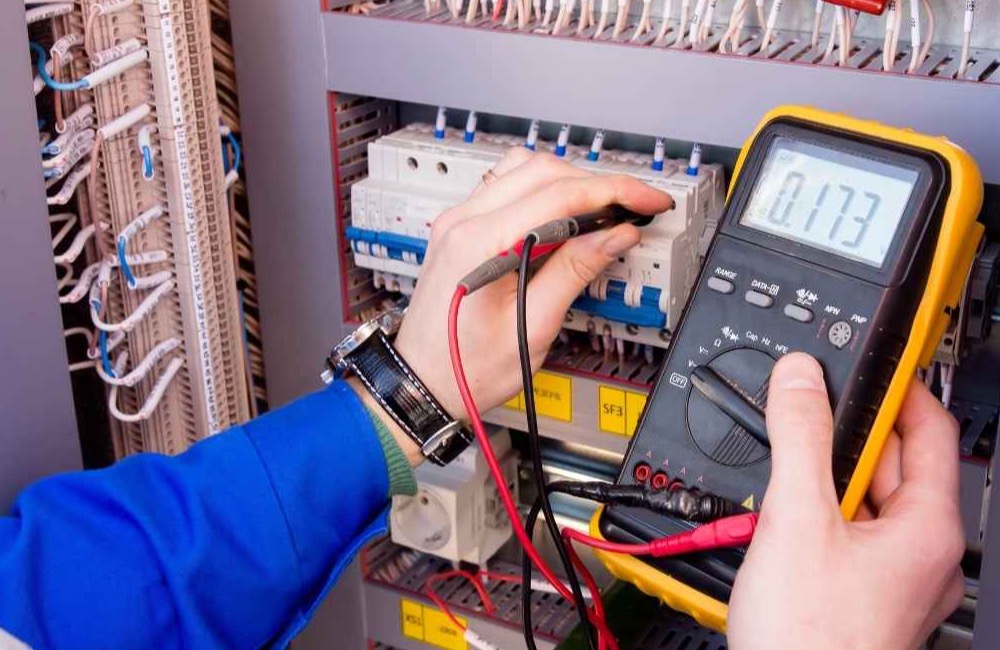
What are Hot Line Tools? And Why Are They Important for Live Line Work?
This type of tool is specially designed to allow electricians to work safely on live power lines without shutting off the electricity. The primary function of Hot Line Tools is to create a safe distance and act as insulation against electrical current flowing through the body of the worker. Safety is the top reason why engineers must use specialized tools that have undergone rigorous insulation testing. Working without interrupting the power supply reduces the impact on electricity users, minimizes downtime for large industrial systems, and requires the consistent use of standard PPE equipment to ensure maximum safety during operations.
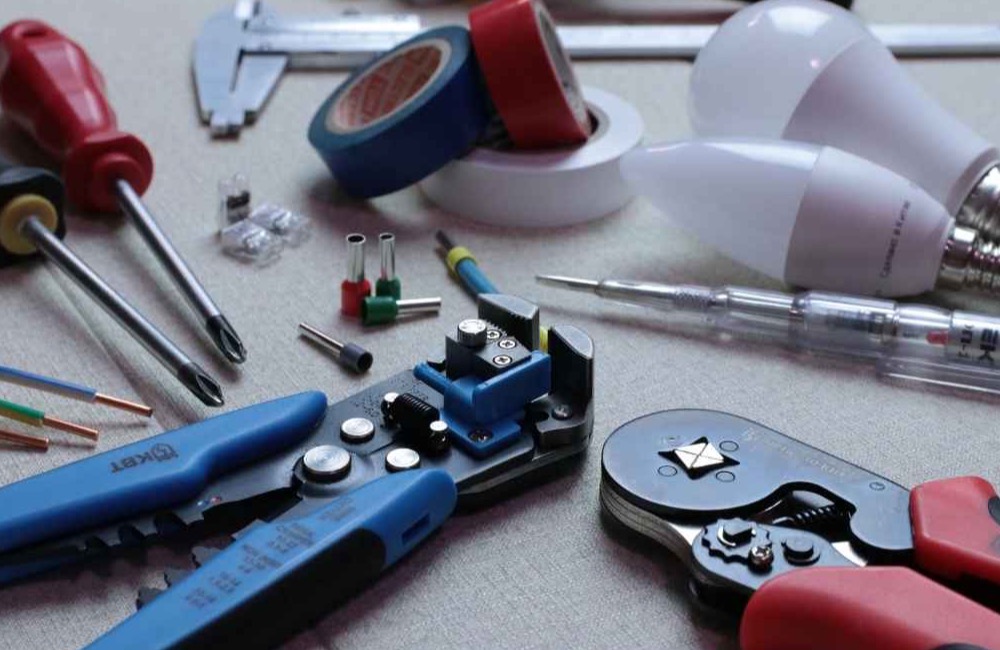
Get to Know the Types of Hot Line Tools Essential for Transmission Line Work
Selecting the right tools or equipment that matches the nature of work is crucial. Let's get acquainted with each type of equipment that electricians working on transmission lines should always have in their vehicle.
Hot Sticks (Fuse Poles): Types and Usage
Fuse poles are basic tools used to maintain distance, available in single-piece, extendable, or telescopic forms for convenience. Electricians use them with insulating gloves at all times to increase safety while pulling fuses or disconnecting high-voltage switches.
Grip-all Clampsticks (Clamp Poles)
The clamp pole, also known as a grabber pole, is designed with gripping mechanisms at the end of the stick. It allows electricians to securely grasp preformed parts or other line accessories from a distance. This PPE tool makes working on high poles easier.
Conductor and Pole Covers (Line and Pole Covers)
The conductor cover or pole cover is made of high-quality insulating material, used to cover bare wires or parts of the structure that may be accidentally touched. This protective equipment reduces the risk of short circuits when electricians move in confined spaces.
Other Live Line Tools
In addition to fuse poles, there are other tools such as wire pulling winches, insulated polyester ropes, and specially designed wire strippers. These tools must work together systematically to ensure the completion of maintenance tasks.
Attachments for Hot Sticks (Hot Stick Attachments)
The ends of hot sticks can be fitted with various attachments such as hooks, wire cutters, or voltage testers to test the status of transmission lines before starting work (refer to engineering data: Hot Stick Usage Guide)
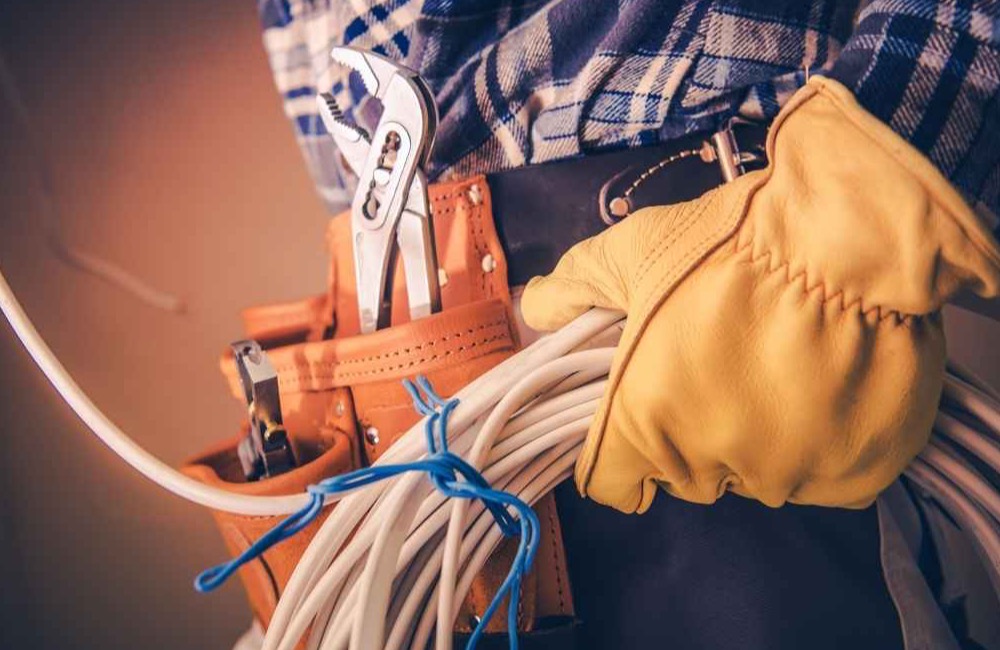
How Often Should Hot Line Tools Be Tested? Proper Maintenance Methods
International safety standards mandate that the insulation efficiency of Hot Line Tools must be tested annually or as recommended by the manufacturer. Cleaning should use specific non-corrosive solutions, and tools must be thoroughly dried before storing them in a dry place or specialized tool bags. Electricians should inspect for initial damage themselves every time before using the tools, such as cracks or deep scratches on the surface of insulated rods or fuse sticks. If any abnormalities are found, even minor ones, usage must be stopped immediately. Using a portable Hot Stick Tester to check for leakage current before actual work is a crucial step that helps prevent severe accidents and increases confidence in working with electrical tools.
International Safety Standards (ASTM/IEC) That Electricians Must Know
Electrical safety cannot be determined by intuition alone. Therefore, the selection of protective equipment or various tools must refer to internationally recognized standards.
- Standard ASTM F711: This is a primary standard that sets specific requirements for fiberglass insulated rods, covering everything from materials to electrical testing.
- Standard IEC 60832: International specifications for equipment used in Live Line work, specifying the voltage level at which personal protective equipment (PPE) can safely withstand.
- Compliance with Safety Regulations: All electricians must undergo training on the use of electrical gloves, wearing arc flash suits, and using tools according to strict guidelines set by organizations.
How to Choose the Right Hot Line Tools for Your Job and Maximum Safety
The decision to purchase equipment for power line work must be carefully considered to ensure that you get tools that meet your actual needs, provide good value, and are safe for use.
- Consider the voltage level of the job site: Always choose tools with an insulation rating higher than the system voltage you will be working on.
- Materials used and insulating properties: High-quality fiberglass epoxy-coated materials from leading brands such as Hastings, Chance or RITZ provide better assurance.
- Length, weight, design: Choose poles that are comfortable to handle without being overly long. Some brands like Milwaukee may offer accessories that make work easier.
- Checklist of items to inspect: Check the test certificate (Test Certificate), examine the exterior for cracks or breaks, and ensure that accessory joints are tight and secure.
Cautionary Measures and Common Mistakes in Usage
Even with the best tools, accidents can occur if caution is not exercised. Here are mistakes to avoid to keep your safety equipment in perfect condition.
- Incorrect usage: Using a fuse puller for prying or using a voltage tester at an incorrect voltage level will damage internal structures and compromise insulation.
- Neglecting pre-use inspection: Many workers neglect to clean dust or moisture from the tools, which can be excellent conductors of electricity.
- Inappropriate storage: Leaving equipment exposed to direct sunlight, rain, or stacked on a car roof will cause fiberglass to deteriorate faster than normal.
- Failing to wear full personal protective equipment (PPE): Working with high voltage requires wearing electrical gloves, safety goggles, and hard hats (personal protective equipment ppe) alongside the tools at all times.
Summary
Hot Line Tools are essential electrical tools for maintaining the continuity of power supply. Safety starts with choosing standard-compliant equipment, conducting condition checks, and wearing PPE correctly at all times. If you're looking for high-quality equipment, please consult and browse our products on our SCMA homepage.
If you want to buy, you can purchase from SCMA today!
Safety in industrial plants is not something that should be compromised. Choosing personal protective equipment (PPE) or tools from a reliable distributor is essential. SCMA is ready to provide advice and offer all of our products, including measuring tools, as well as leading safety equipment, to ensure your work runs smoothly and safely.
Frequently Asked Questions about Hot Line Tools
Average lifespan of a Hot Stick
Well-maintained insulated sticks can last over 10 years, but they must undergo insulation testing annually according to international standards.
Can damaged Hot Sticks be repaired?
If the fiberglass structure has deep cracks, it is not recommended to repair and use them further. Immediate replacement should be done for the highest safety of electricians.
Is high-voltage insulating gloves necessary to wear together?
It is absolutely essential. When working on live power lines, you must wear appropriate rubber insulating gloves in conjunction with using insulated sticks as a secondary protective layer.
Can water be used to clean the Hot Stick?
Water should not be used. Special cleaning agents for Hot Sticks or silicone-dipped cloths should be used to remove dirt, restore shine, and maintain insulation properties.