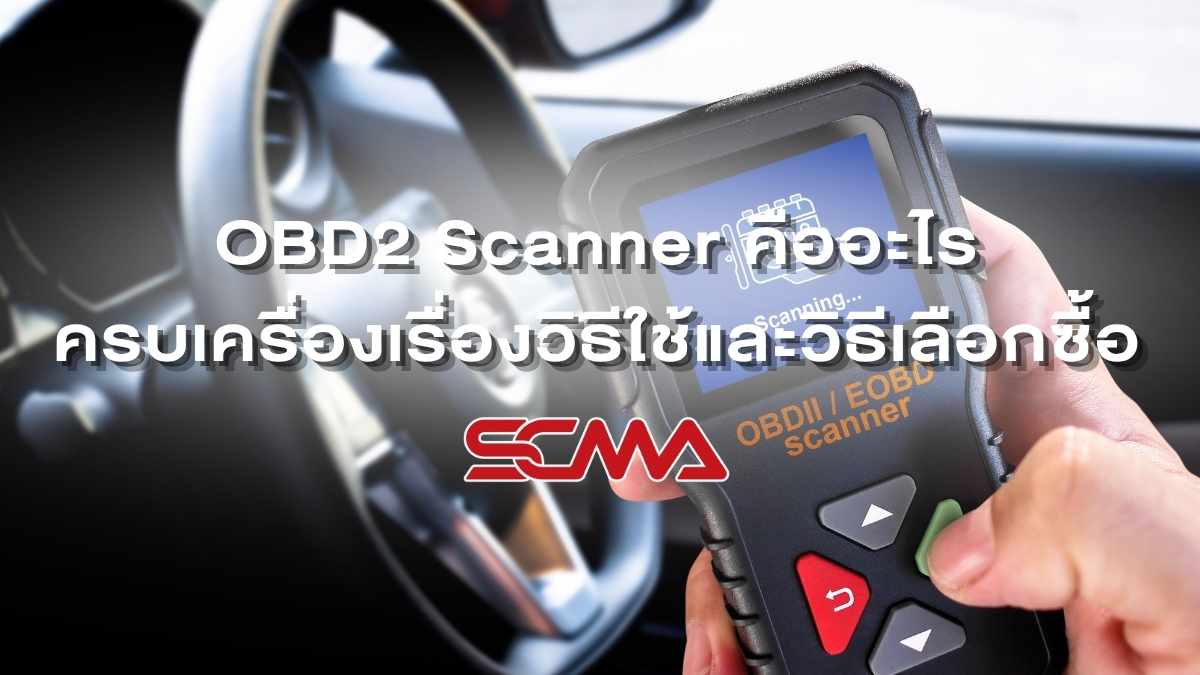
OBD2 scanner are you considering for analyzing the engine warning light that has appeared? In this article, the SCMA engineering team will take a deep dive into what car scanners are, along with recommending "how to use an OBD2 scanner" and principles for selecting a vehicle diagnostic tool at the best value. This way, you can check your car issues yourself before deciding to go to a service center. If you need consultation on industrial standard measuring tools, you can always contact our services (SCMA)
What is an OBD2 Scanner? Why car enthusiasts in this era need one
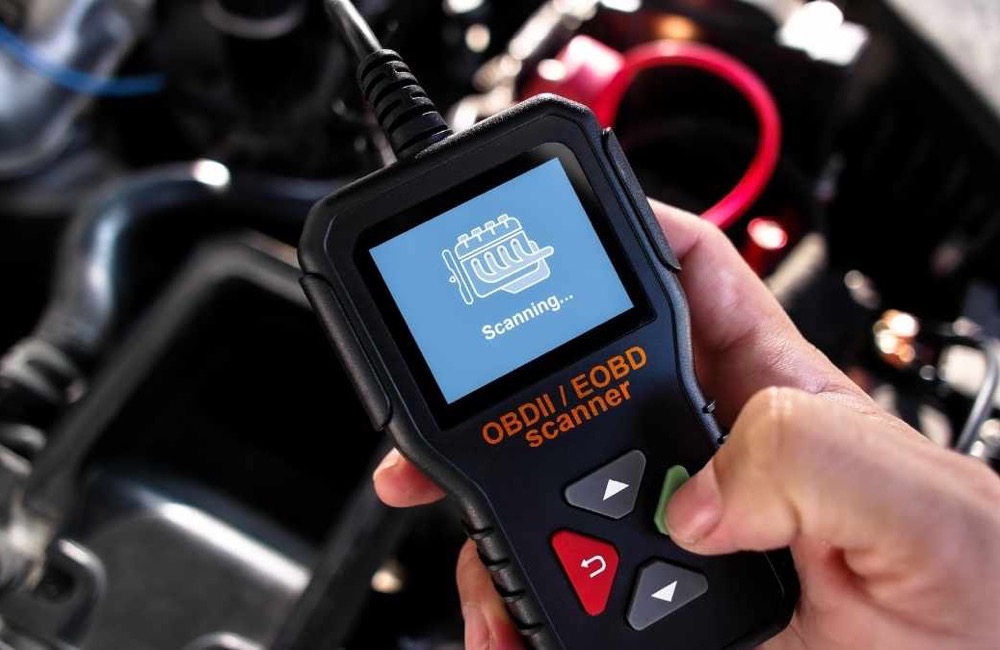
OBD2 scanner, or car code reader, is an electronic device used to connect with the OBD2 (On-Board Diagnostics) port of a vehicle, pulling data from the engine control unit (ECU). The main benefit of having a car scanner on hand is that when you see the check engine light (engine warning light) appear on your dashboard, you can use this device to check codes and find the real cause immediately. Knowing the initial problem helps prevent being overcharged for repairs and allows you to decide whether the issue can be fixed yourself or if it requires professional service. It quickly turns newcomers into car enthusiasts who understand their vehicle.
What are the Differences Between OBD and OBD2? Which One Does Your Car Need?
When we talk about car code scanners, understanding the differences in connection ports is crucial. In the early days, the OBD1 system was designed without a central standard, so each car manufacturer had different connector ports and software. This meant that mechanics needed brand-specific car diagnostic tools. Later, the OBD2 standard was introduced, which mandates that all manufacturers use a 16-pin port and standardized communication protocols. Therefore, if your car was manufactured after 1996 (or 2000 in some countries), it will support the use of car code checkers with the OBD2 standard right away. You can read more about the history of the OBD2 system in our reference article OBD2 System History for further understanding.
Types of OBD2 Scanners Available in the Market
To help you decide which car diagnostic tool brand is best, we need to first familiarize ourselves with the types of OBD2 scanners currently available on the market. These can generally be divided into two main categories as follows:
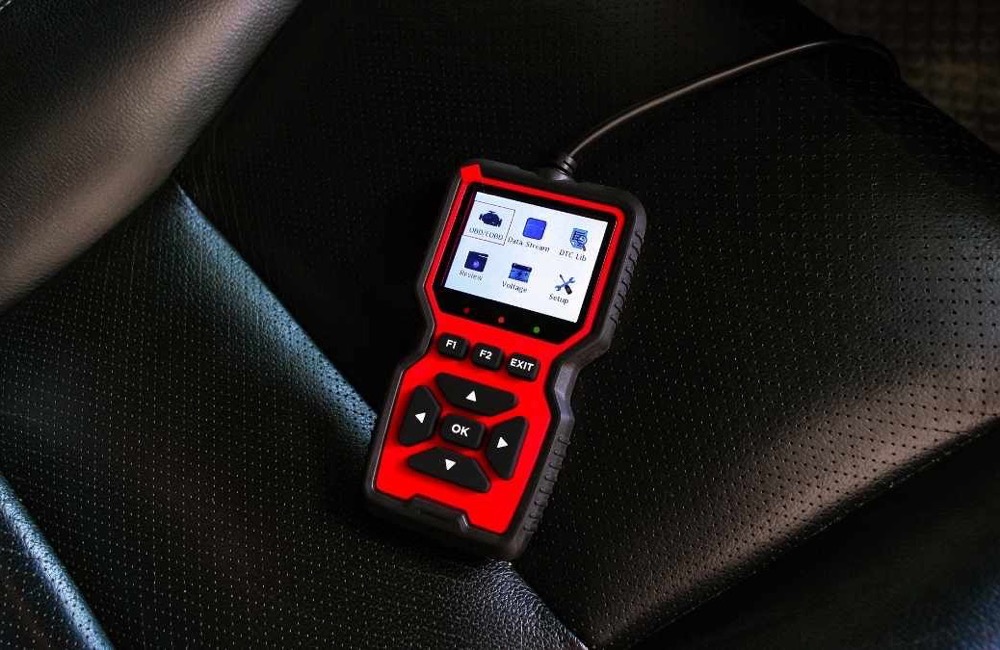
Handheld Scanners (Cable-Connected Scanners)
This type comes equipped with a built-in display screen and buttons, making it easy to use by simply plugging it into the car's port; the device will work immediately without needing a battery or smartphone. Its advantages include high stability and quick data reading speed, similar to using a multimeter for measuring electrical current. It is popular among mechanics and service centers.
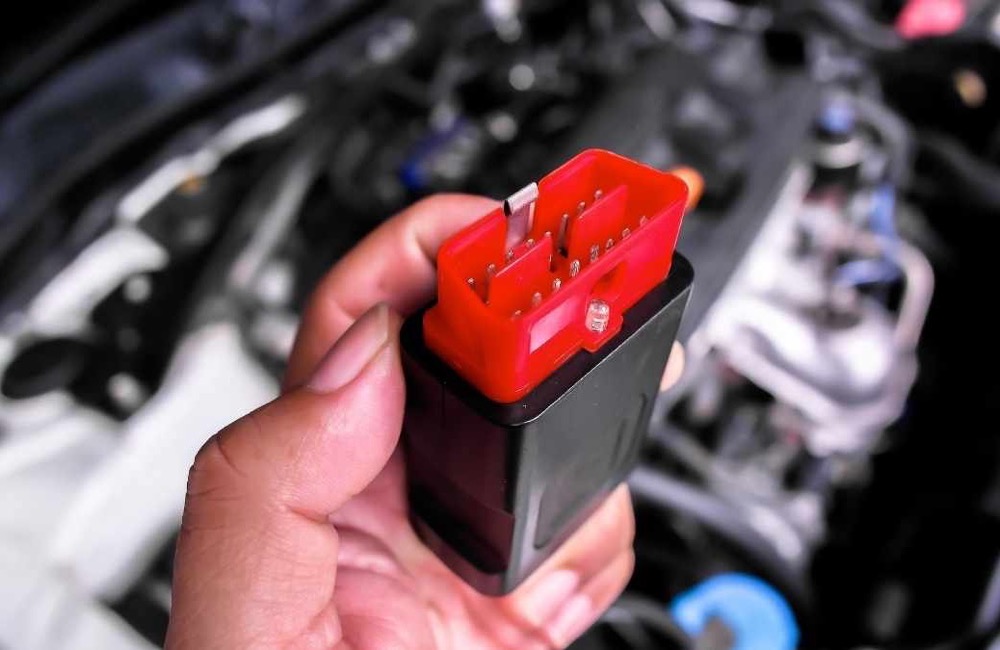
Bluetooth/Wi-Fi Scanners (Dongles)
This is a small car code reader without a display screen, functioning as a signal transmitter. You need to plug it into the port and connect via Bluetooth or Wi-Fi to read data through an app on your smartphone (such as Torque, Car Scanner). Its advantages include beautiful visual displays, affordability, and some apps even support OBD2 scanner Thai language menus.
Comparing Advantages and Disadvantages of Each Type
The cable-connected type has an advantage in stability and readiness for use but may be more expensive and harder to update software. The wireless type, on the other hand, offers convenience, a variety of additional functions, and relatively cheaper OBD2 scanner prices, though it relies on smartphones and Bluetooth signals to operate.
How to Use an OBD2 Scanner Easily in 5 Steps
Using a car diagnostic tool is not difficult. The SCMA engineering team has summarized the following 5 easy steps that anyone can follow:
- Step 1: Locate the OBD2 port in your car: The 16-pin port is usually hidden under the driver's side steering wheel, near the lower dashboard panel or below the ashtray.
- Step 2: Plug in the device and start the engine: Insert the OBD2 scanner firmly. Then turn the key to the "ON" position or start the engine (depending on your scanner model).
- Step 3: Connect with smartphone or code reader: If using wirelessly, open the application and pair via Bluetooth. For wired models, the screen will light up and be ready for use immediately.
- Step 4: Start scanning for error codes (DTCs): Press "Scan" or "Read Codes". The system will pull data from the ECU; if a warning icon appears, it will display codes such as P0420.
- Step 5: Read and interpret the code: Use an app or internet to find the meaning of the code you received. This helps analyze the cause of the problem and evaluate further solutions.
What are the main functions of an OBD2 Scanner?
A car code scanner is not just for checking codes; it also has in-depth features that allow you to thoroughly inspect your vehicle's performance.
Reading and Clearing Check Engine Light Codes
This is the most basic function. Once you have repaired the issue causing the warning light, you can use a car code scanner to clear the memory (Clear Codes) and turn off the engine-shaped warning light on your dashboard immediately.
Real-Time Data Monitoring (Live Data)
This function allows you to view real-time sensor data while the engine is running, such as coolant temperature (similar to using a Temperature Sensor in a factory), engine RPMs, fuel pressure. This is very useful for diagnosing stalling or hesitation issues.
I/M Readiness Check (Inspection and Maintenance)
The Inspection and Maintenance (I/M) system indicates whether the vehicle's emission control systems are functioning properly. Using a car scanner to check this value helps ensure that your car will pass annual inspections or emissions tests.
What is Freeze Frame Data?
When the ECU detects an anomaly and logs a code (DTC), it also records the engine's operating status at that moment (Freeze Frame), such as vehicle speed and engine temperature. This information helps mechanics analyze under what conditions the problem occurred.
Which Car Models Can Use an OBD2 Scanner? Check Compatibility Here
A standard OBD2 scanner can be used with gasoline cars manufactured after 1996 and diesel vehicles made after 2004 (according to European and American standards). In Thailand, most cars produced after 2005 fully support this system. Newer motorcycles are also starting to have ports for car code readers. However, electric vehicle (EV) and hybrid users should be cautious as these vehicles have specific battery and motor protocols. You must choose a model that specifies direct EV compatibility.
SUMMARY: Checklist of Things to Consider Before Buying an OBD2 Scanner
Selecting a obd2 scanner that offers good value requires considering the type you prefer (wired or wireless), functions that meet your needs (such as just needing to check codes or wanting to view Live Data), and if you are not comfortable with English, finding an OBD2 Scanner in Thai language will greatly simplify problem analysis. If you are interested in knowledge about industrial measurement systems, the engineering team at SCMA is always ready to provide advice.
If You Want to Buy One, SCMA Is Available for Purchase Today!
Although a car diagnostic tool is a tool for vehicles, its basic operation relies on sensors and electrical measurements similar to those used in factory machinery. If your organization is looking for high-performance measurement and testing equipment for automated systems, you can browse the SCMA Measurement Tool Catalog immediately. We are ready to deliver high-precision technology to elevate maintenance in all sectors.
Frequently Asked Questions
Which OBD2 Scanner Brand is Good?
The choice depends on usage. If you want a wireless model to use with an application, brands like ELM327 or Vgate are popular. However, if you need stability for professional auto repair shops, brands such as Launch or Autel would be better suited.
What is the Difference Between OBD and OBD2?
OBD1 is an older system with non-standard plugs and software. In contrast, OBD2 is a global standard that mandates a 16-pin plug format, allowing one scanner to work across multiple car brands.
Are There Car Scanners Available in Thai Language?
Yes, they are available both as wired handheld scanners with Thai menus and wireless scanners used alongside applications supporting Thai language translation such as the Infocar app.
How Do You Use an OBD2 Scanner Initially?
Turn off the engine, plug in the scanner to the port under the steering wheel, turn the key to the ON position (or start the engine), then press a button or enter the application and select the command "Read Codes".
Which Car Models Can Use OBD2?
It can be used with almost all personal cars and pickup trucks with gasoline/diesel engines manufactured since 2005. However, for large trucks or electric vehicles (EV), a special scanner model supporting specific systems may be required.