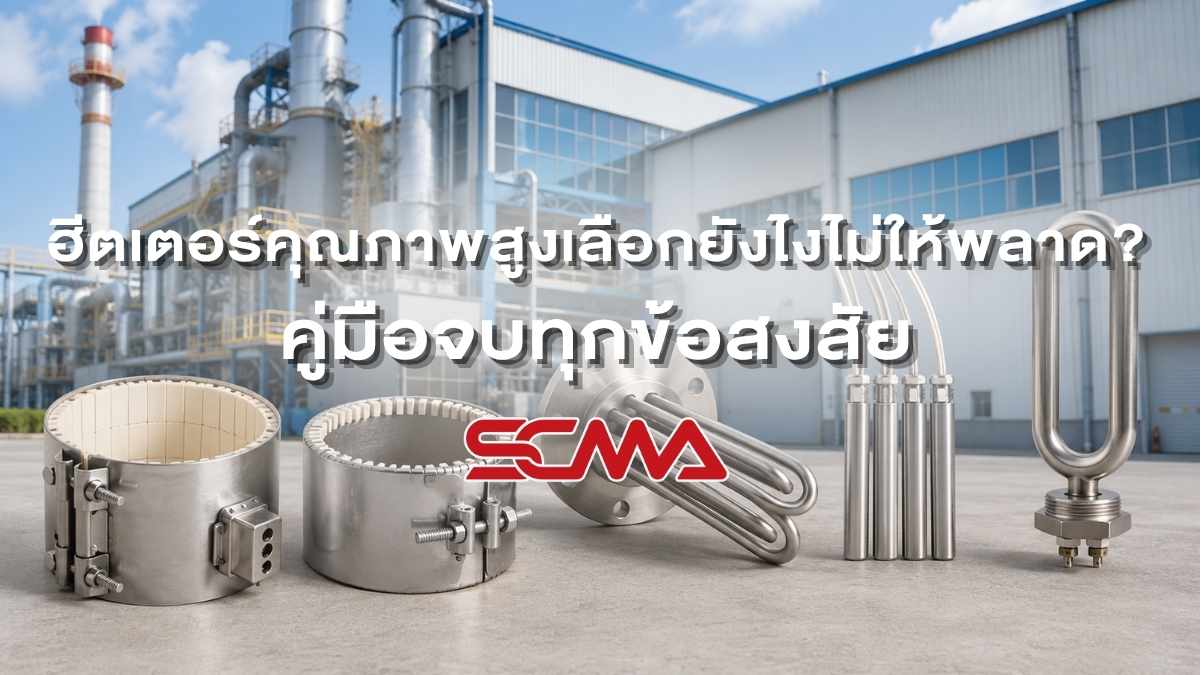
High-quality heaters are what you're looking for to solve unstable heating issues in your production line, right? This article from the SCMA engineering team will address all concerns and provide a guide on selecting specifications, materials, as well as safety standards to ensure that you receive durable, cost-effective equipment without having to buy replacements. If you need an expert assessment of your system for suitable equipment, you can contact us through Our Services (SCMA) immediately.
What are High-Quality Heaters? What to Look For
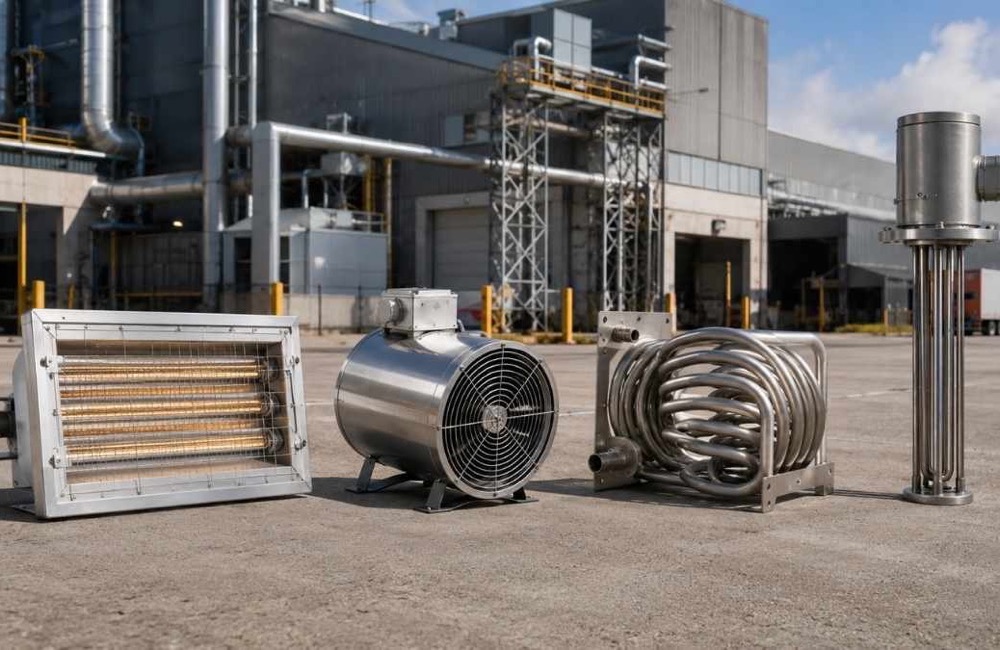
To understand what a heater is in the context of advanced engineering, we must look beyond just heating and consider stability. Selecting a high-quality heater starts with evaluating the material of the tubing, such as using stainless steel grade 316L, Incoloy tubes, or titanium, which are highly resistant to chemical corrosion. Next is checking safety certification from the manufacturer to prevent electrical leakage accidents into machinery structures. Additionally, an effective Heating system must have a perfect energy conversion efficiency from electricity to heat, helping save on long-term power costs. Lastly, it's essential to have warranty conditions and after-sales service from distributors who can send technicians to maintain the system immediately in case of emergencies.
How many types of heaters are there? What is each type suitable for?
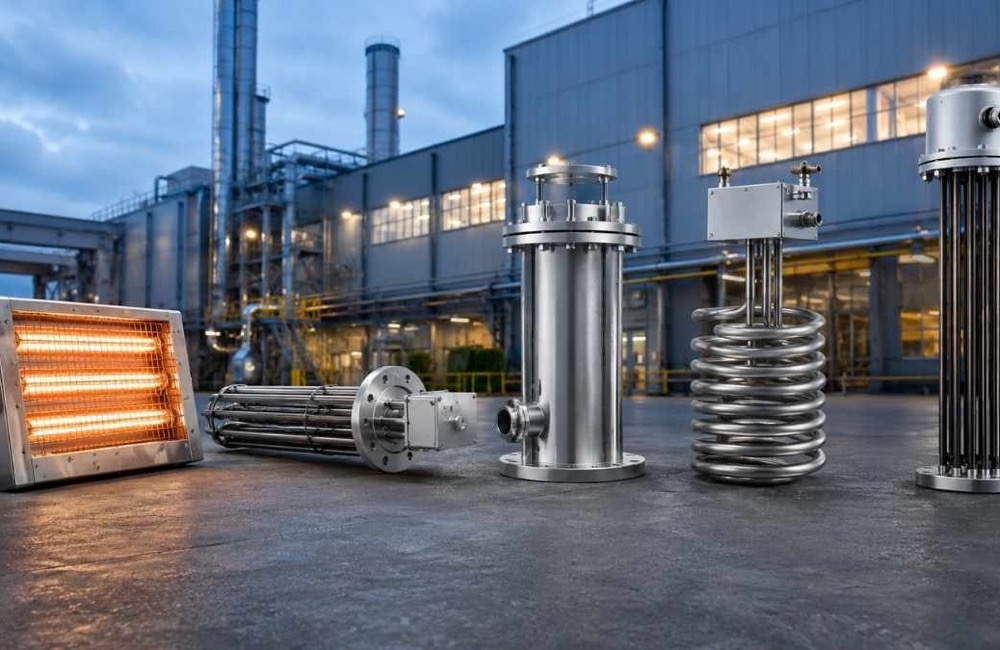
Understanding what a Heater is and the various forms it can take will help you choose solutions that fit your specific needs. The SCMA engineering team summarizes the main types of heating equipment as follows:
Cartridge Heaters for Molds
In response to the question, What is a Cartridge?, in an industrial context, it refers to cylindrical heaters designed to be embedded into steel blocks or molds specifically. Cartridge heaters provide high heat in limited spaces and are commonly used in plastic injection molding and packaging industries. You can read more about the features in our article Our Cartridge Heater.
Tubular & Finned Heaters for Ovens
Tubular heaters are basic models that can be bent into various shapes. When metal fins are added, they become finned heaters which increase air contact area. These devices are used in hot air ovens or duct systems to quickly distribute heat.
Immersion Heaters for Liquids
If you're looking for an immersion heater, a submerged design is the best option. Direct tube contact with liquids maximizes thermal transfer efficiency, making it suitable for food industries, water boiling, or heating oil tanks.
Band Heaters for Plastic Injection Molding Machines
This circular device wraps around cylindrical tubes to maintain resin plastic temperature and prevent solidification during injection into molds. It directly impacts the aesthetic quality of plastic parts.
Strip Heaters Provide Smooth Surface Heating
This type is also called a Heater Plate or flat strip heater, used to attach to machine surfaces for direct heat transfer. Commonly used in plastic sheeting machines or bag sealing equipment.
Infrared Heaters Non-Contact Heat Transfer
This technology emits infrared radiation directly onto the workpiece without using air as a medium, allowing deep penetration into material. It is commonly used in automotive paint curing or screen printing jobs. You can view more details How Infrared Heaters Work.
5 Key Factors to Consider Before Buying a Heater
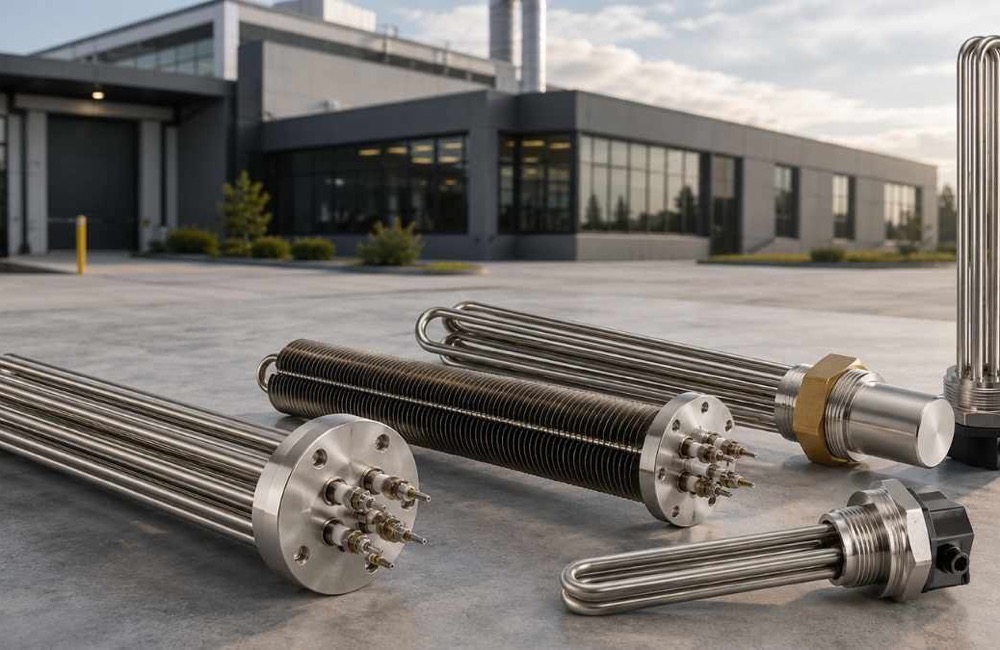
Specifying the correct specifications for an electric heater helps prevent purchasing equipment that does not meet your goals. Here are 5 important checklists you should use when making decisions.
- Type of heating required: Clearly specify whether you need to heat solids, liquids, or air to select the appropriate type of heater.
- Required operating temperature: You must know the highest target temperature so that engineers can choose materials for the outer tubing and resistance wire that safely withstand that level.
- Size of space and installation characteristics: Check the width, length, and limitations of the installation area to ensure seamless integration with existing machinery.
- Powerrating (Watt) and Voltage (Volt): Calculate power appropriately for the workload. Verify your factory's electrical system supports either 220V or 380V to prevent overloading issues.
- Budget: Premium-grade materials come with higher prices. You should weigh initial costs against longer lifespan for long-term value.
Differences Between Industrial Heaters and Home Heaters
The term heater in English covers all heating devices, but in reality, the design of a high-quality industrial heater differs significantly from equipment used at home. Industrial equipment emphasizes corrosion-resistant materials, designed for continuous heavy-duty operation 24/7 with strict IP (Ingress Protection) standards, while residential heaters focus on aesthetic designs, compact sizes, and automatic power-off systems when malfunctioning to ensure resident safety.
Installation and Maintenance to Extend Heater Lifespan
Predictive maintenance has a significant impact on the operational life of heating systems. You can study the basic principles from the Industrial Heating academic data from ScienceDirect and apply them to our initial guide as follows:
First Installation Practices
The installation of a heater must ensure that the wire terminal connections are securely tightened to prevent heat accumulation at the terminals. If it is an immersion heater, you must always fill the liquid to cover the heating element; under no circumstances should the unit be operated when the water level is low.
Maintenance and Inspection Schedule
A plan for regularly checking electrical resistance (Ohm) values along with measuring current (Amp) every 3-6 months should be established. Monitoring these values will help maintenance teams identify the degradation of internal heating coils before system failure occurs.
Cleaning Methods for Different Types of Heaters
For water heaters, use descaling agents or carefully clean the pipe surface with a brass brush to remove scale buildup. Thick deposits act as thermal insulation, causing the electric heater to work harder and waste energy.
Summary
In summary, selecting a high-quality heater requires knowledge of equipment types, durable materials for environmental conditions, and accurate electrical specifications assessments. Whether you need a Cartridge Heater for mold applications or are looking for other heating solutions, the SCMA expert team is ready to advise and assist in designing systems and solving problems precisely.
If you want to buy, SCMA is available today!
Precision and reliability are the heart of business operations in the industrial sector. If you wish to enhance your production efficiency with high-quality heaters that are dependable, visit our main website at SCMA's Main Website, or view our comprehensive catalog of all measurement tools and sensors. We are ready to deliver world-class innovations that will ensure your production processes run smoothly without any hitches.
Frequently Asked Questions
What should you look for in high-quality heaters?
You can consider the durability of the tube material, such as stainless steel 316L, combined with the use of standard international powder insulation and resistance wire. Additionally, there should be a clear warranty from the manufacturer.
Which applications are cartridge heaters commonly used for?
The most common uses include plastic injection molding, metal forming, or packaging sealing work. Cartridge heaters are inserted into holes in steel blocks to transfer heat internally.
How do you know when it's time to replace a heater?
A clear warning sign is if the machinery takes much longer than usual to heat up, or there are frequent voltage drops and breaker trips, indicating that the internal insulation has deteriorated causing electrical leakage.
Is a heater plate suitable for boiling water?
No, it's not. Heater plates are designed to be attached to external metal surfaces. If you need to boil water or liquids, an immersion heater would be more appropriate.
What is basic maintenance for electric heaters like?
Start by keeping the electrical terminals clean and free of dust or oil residue, and regularly remove scale buildup from the tube surface to ensure maximum heat transfer efficiency at 100%.