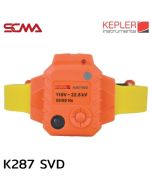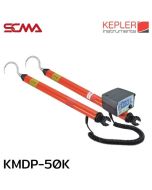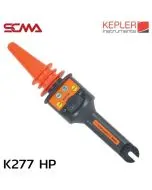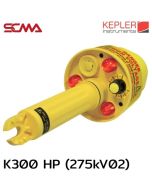
Why are high voltage electrical equipment important for the safety of your factory? This article will delve into the details of high voltage systems to help you understand their operation and select appropriate equipment according to international safety standards. Whether you're looking for a general electrical equipment store or one specializing in industrial equipment, having a solid foundation of knowledge can significantly reduce operational risks. Our team of engineers is ready to provide consultation and offer industrial equipment solutions that meet your standards.
What is High Voltage? Why is it Important to the Electrical System?
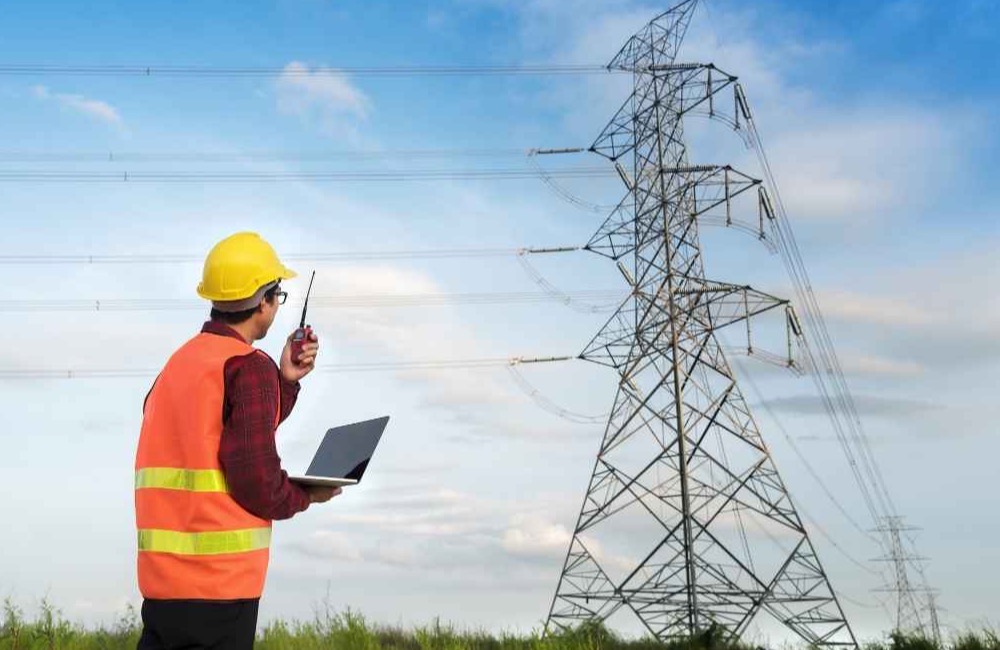
The electrical system in Thailand is designed to accommodate a wide range of uses, with high voltage systems being those that operate at over 1,000 volts. The primary function of such systems is to transmit electricity from power plants to various areas over long distances. Using high voltages helps minimize energy loss during transmission. Voltage levels used in the Thai industry range from 22 kV, 24 kV, 115 kV up to 500 kV.
Working with such massive voltage levels carries a very high risk; even minor errors could result in both life and property losses. Engineers must therefore prioritize rigorous system design, and selecting from reliable distributors is the first step towards ensuring long-term safety for your factory.
What are the components of high-voltage utility poles? An in-depth look at key parts
When we look up at a factory's power pole, we see many pieces working together seamlessly. Before you contact an electrical equipment store, let's delve into what each type of equipment does.
Electrical Insulators and their role in preventing leakage
The electrical insulator, or insulator, serves as insulation to prevent electric current from leaking from the transmission line to the pole structure or ground. Materials used for production include glazed ceramic, heat-resistant glass, and polymer. The choice depends primarily on the working environment, such as areas near the sea with high salt content should use models with special protective coatings.
Cross-arms & Braces
The cross-arm is a horizontal beam attached to the pole to support electrical insulators. It's the main structure that must bear the weight of all power lines on the pole, while braces reinforce the strength of the cross-arm to prevent bending when subjected to pulling forces from long power lines or strong winds.
Lightning Arrester - Lightning Protection Equipment
The lightning arrester plays a crucial role in protecting the entire system from transient overvoltage conditions caused by lightning. This equipment quickly channels high abnormal voltage currents to the ground system, serving as an excellent shield that prevents other high-voltage electrical components from being damaged by sudden surges.
Drop Out Fuse Cutout - What is it?
This is a protective device against overcurrent and short circuits with a fuse holder installed on the pole. When abnormalities occur in the system, the internal fuse will break, causing the holder to drop out (drop out) to clearly cut off the circuit. When purchasing this equipment from an electrical equipment store, you must specify the correct current rating of the fuse relative to the transformer size.
Various types of high-voltage power transmission lines
The transmission lines on poles come in various types such as bare aluminum stranded wire (AAC) or insulated cables. Choosing the right type and size of cable according to engineering principles is essential for a safe system that can handle current volume. You can refer to English electrical terms (such as Space Aerial Cable) to accurately compare specifications with foreign manufacturers.
Get to Know High Voltage Electrical Equipment Used in Power Stations and Factories
In addition to the equipment on external poles, power substations within factories also house high voltage electrical equipment that plays a complex role in receiving and transforming energy. Let's get acquainted with these main pieces of equipment.
Power Transformer
The transformer adjusts the high voltage high voltage from transmission lines to lower voltages for distribution into production processes. When ordering this piece of equipment, it is crucial to consider the kVA size in line with the total electricity consumption of all machinery. A tip from real-world experience is to anticipate future factory expansion plans when sizing.
Disconnecting Switch
This device serves to completely isolate electrical circuits from the system for safety during maintenance work by technicians, who can clearly see the point of disconnection with their naked eye. It is a critical component that electric equipment stores recommend installing alongside circuit breakers to enhance safety levels.
Circuit Breaker
A high voltage breaker works like an automatic switch capable of quickly cutting off massive fault currents, featuring special arc suppression systems such as SF6 gas or vacuum systems. Selling this type of equipment requires close advice from specialized experts.
Variety of Measuring and Control Equipment
Large electrical systems require precise measuring tools for voltage and current, such as Current Transformers (CT), to signal protective systems to act. If you want to check basic electrical values, you can learn more from our article on measurement tools and multimeters.
High-Voltage Electrical Equipment Safety Standards You Need to Know (MOH)
Safety always comes first. When sourcing products from an electrical equipment store, it is essential to consider certification standards to prevent risks rigorously.
- The Importance of Industrial Product Standards: Every piece of equipment, from small insulators to large power cables, must undergo testing for insulation properties and current withstand ratings by a credible authority.
- How to Check MOH Symbols on Equipment: Engineers must observe the clear marking of mandatory standard symbols on products. This certification guarantees that the equipment meets the highest safety criteria.
- Cautions When Selecting Non-Standard Products: Relying on companies selling electrical equipment without certifications can lead to system damage, short circuits, or fires, causing significant business losses (refer to the importance of measuring tools at Mastering High Voltage Test Equipment)
How to Select and Purchase High Voltage Electrical Equipment Appropriately and Safely
The decision to purchase these products requires a detailed analysis. The SCMA engineering team has guidelines for selecting equipment to maximize system stability as follows:
- Evaluation based on installation environment: If the factory is located in an industrial park with high pollution, special types of electrical sockets or full insulation cables should be chosen instead of bare wires.
- Selecting size and rating according to engineering specifications: The correct calculation of wire sizes for high voltage must be done accurately. After passing through a transformer inside the factory, THW type cables are commonly used based on the current ratings of machinery.
- Materials used in production and impact on service life: Inquiring with electrical equipment retailers about internal materials such as rubber seals and cooling substances will help us plan long-term maintenance more accurately.
- Reading catalogs and datasheets (Datasheet): Careful consideration of various parameters together with the supplier is essential, not just price, to ensure that the equipment can truly withstand heavy working conditions.
How to Maintain and Inspect High Voltage Electrical Equipment
Proper maintenance is key to extending the lifespan of high voltage electrical equipment. Regular inspections according to international standards every year (Preventive Maintenance) are required. Technicians will use special tools like thermal cameras to check various connection points. Warning signs that indicate a problem with the equipment include unusual humming sounds, ozone-like smells, or thick dust accumulation around sockets. The advantage of preventive maintenance is that it helps us detect accumulated heat before the system shorts out, allowing timely repairs. You can learn more about the importance of inspection at Calibration Information.
How to Choose a Company for High Voltage Electrical Equipment Sales and Installation with Confidence
Working with large electrical systems requires relying on highly professional companies. When choosing an electrical equipment store, start by checking the company's operational history and past performance in the industry. A good company must have a team of engineers to provide consultation from the design stage, skilled technicians for installation, and clear quality warranties for every item. Finding a technical partner that can manage your system over the long term will help you save time and reduce management difficulties in practical terms.
Summary
In summary, high voltage electrical equipment is the lifeline of all industrial plants. Understanding the role of equipment from simple electrical sockets to selecting the correct wire size from a reputable electrical equipment store is the foundation of safety. If you want to enhance your production system, SCMA's engineering team is ready to provide consultation for the best engineering solutions.
Ready to Buy? You Can Purchase From SCMA Today!
If you are looking for a reliable partner to manage your industrial systems, SCMA is the right choice. We are ready to offer technology consultations and supply leading measurement tools. You can view all of our products to find solutions that meet your needs or visit the SCMA website homepage to propel your business forward with the utmost stability and safety.
Frequently Asked Questions About High Voltage Equipment
Do high voltage transmission towers affect health?
The electromagnetic fields from power lines at normal operating levels are extremely low according to international standards. There is no direct impact on health if residents maintain a safe distance.
How long do porcelain or glass insulators last?
Porcelain or glass insulators typically have an operational lifespan of 20-30 years or more, depending primarily on weather conditions and the accumulation of pollutants on the surface.
Why are most high voltage transmission lines bare?
Bare wires provide excellent heat dissipation, are lightweight, allowing longer spans without requiring as many poles. This helps reduce construction project costs for power line installations.
What is the safe working distance near power lines?
The safety distance depends on the voltage level. Generally, for a 22 kV system, workers must maintain at least a 3-meter distance from the wires to prevent arc flash hazards.
When should transformers be replaced?
Consider replacement when the transformer is over 20 years old, has recurring overheating issues, frequent internal short circuits, or if plant production capacity increases beyond its original load rating.