

Is electrical insulation wood the solution you're looking for to enhance safety on industrial job sites? This article will guide you through understanding the core of Electrical Laminated Wood and delve into which types of wooden materials can effectively prevent electrical hazards. You'll gain accurate engineering knowledge to confidently make informed decisions about usage. If you need experts in safety systems and industrial measurement tools, contact Our Services at SCMA for immediate consultation.
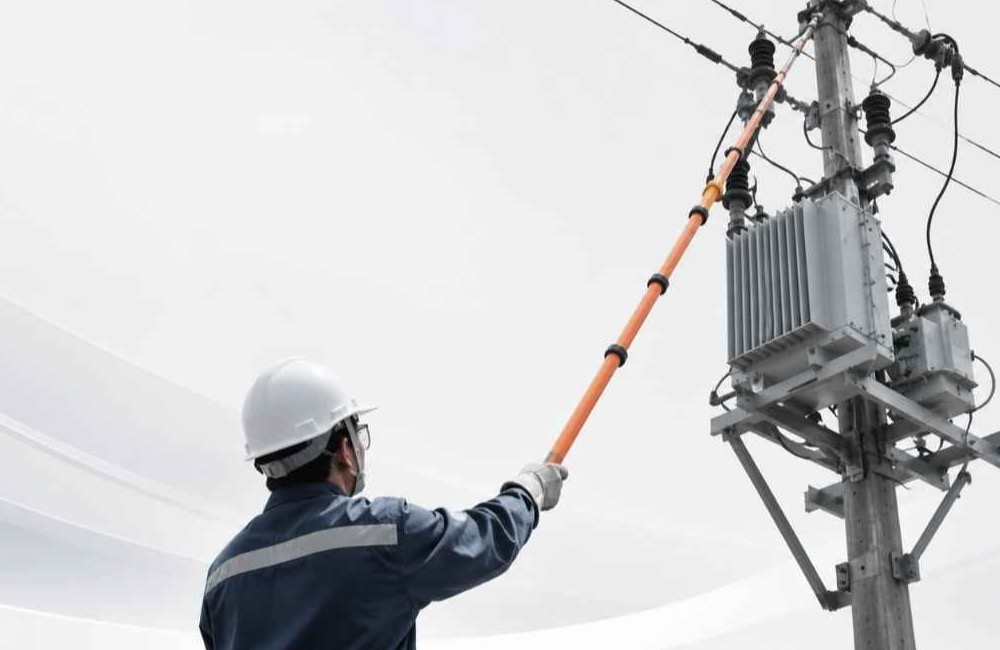
Can wood really be an electrical insulator? Clarifying initial doubts
Electrical insulation wood is one of the natural materials that engineers have adapted for use in real-world applications over a long period. The principle behind its function as an electrical insulator is to prevent electrons from freely flowing through the material's structure. The reason why dry wood does not conduct electricity well is due to the cellulose structure within it, which lacks free charges ready to carry electric current. However, the difference between wood and other insulating materials like polymers or ceramics lies in its porous nature that can absorb moisture from the air, a critical variable that SCMA's engineering team always emphasizes must be controlled carefully. Understanding the basics of Electrical Laminated Wood is thus the first step towards achieving maximum safety when working with high-risk electrical systems.
Properties of Wood Affecting Electrical Insulation
Selecting the right electrical insulation wood requires scientific principles and practical field experience to thoroughly evaluate the properties of each type of wood. The first factor is the density of the wood; denser wood has lower porosity, which effectively reduces the accumulation of moisture. The second and most crucial factor is the amount of moisture in the wood; even a small amount of moisture can instantly turn safe insulating wood into dangerous conductive material. The final factor is the structure and chemical composition of the wood; certain natural compounds within the wood help resist electrical current flow, making Electrical Laminated Wood or engineered insulation wood clearly more efficient than ordinary natural wood.

Which type of wood makes a good electrical insulator? Top 5 recommendations
Selecting wooden materials or processed woods for use in electrical work is not something that can be done randomly. The team recommends the top 5 types of wood along with their properties, which you should know.
- Saak Wood: Known for its high durability and natural oil coating on cell surfaces, which effectively prevents moisture and termites. However, it has a relatively higher price compared to other types of wood.
- Rubberwood: A highly popular processed wood that is easy to find and affordable. When dried and treated properly according to standards, it can be used safely in various applications.
- Pine Wood: A softwood material that easily undergoes a drying process to remove moisture, lightweight, suitable for interior decoration work far from high voltage power sources or damp areas.
- Teng and Tengrang Woods: A group of hard woods with extremely high density, resistant to impact, ideal for making structural bases for electrical equipment that require extra strength.
- Electrical Laminated Wood: Or synthetic insulating wood produced specifically through a process of layering with special resin glue, providing the highest insulation value and stability among all types.
Danger Alert! How 'Moisture' Can Turn Wood into an Electrical Conductor
Moisture is the worst enemy of all types of processed wood because water is an excellent conductor of electricity. Allowing wooden materials to become moist can lead to unexpected and severe accidents.
- Standard moisture content for safety: The properties of wood that are intended to be used with electrical systems safely should consistently have a moisture content (Moisture Content) below 10-12%.
- Initial method to measure moisture in wood: Technicians should use a wood moisture meter (Moisture Meter), either the pin or scanning type, to check accurate readings before starting any work.
- Risks of using wet wood in electrical work: Water within the pores of processed wood can create pathways for electric current flow (Tracking), leading to leakage, shock, or overheating that may cause a fire (referenced from Science Advances research).
Caution: Which Types of Wood Are Absolutely Unsuitable for Electrical Work?
To ensure the highest safety in life and property, you must avoid using certain types of wood as bases or protective barriers entirely because these properties do not support insulation.
- Wood treated with some chemical solutions: Processed wood that has been treated with anti-termite chemicals containing heavy metal salts (such as CCA solution) will become excellent conductors when there is an electrical leak due to the presence of such salts.
- Wood with cracks or damage: Deep cracks on wooden surfaces are primary channels for dust and moisture accumulation, which can cause future cross-circuit short circuits.
- Softwood with high porosity: Wood with large pores absorbs water from the surrounding air very quickly, causing its electrical resistance properties to drop rapidly in humid conditions.
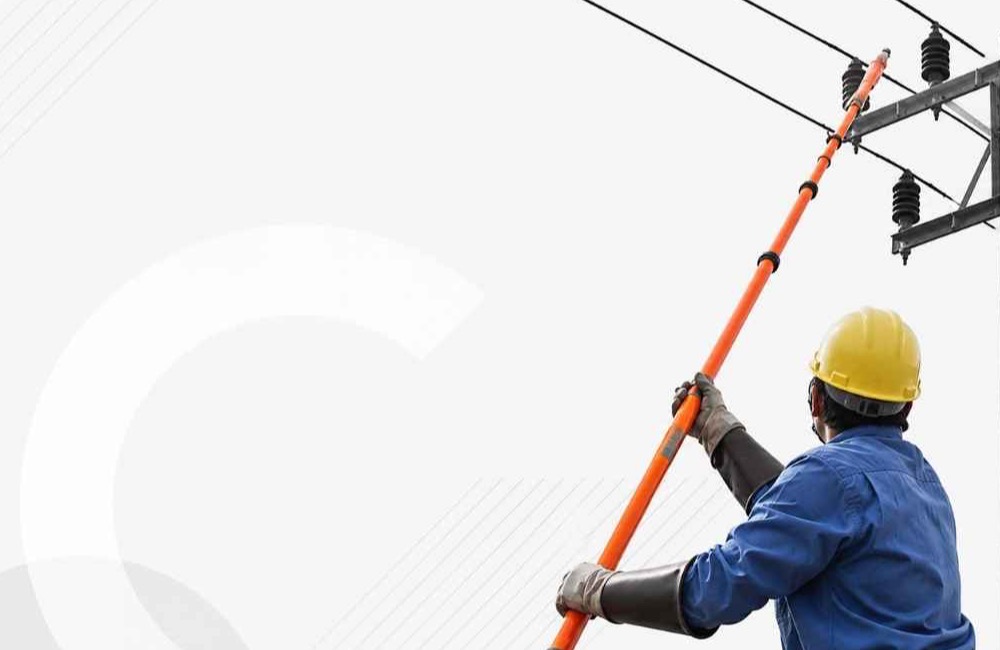
How to Select and Maintain Electrical Insulation Wood Safely
Purchasing and maintenance are crucial steps that engineers and electricians must pay close attention to. We provide practical guidelines based on real experiences to help you use these materials with the utmost confidence.
Pre-purchase Checklist: What to Look For
Before making a purchase, you need to check the factory's moisture content certificate. The manufacturer must clearly specify the type of wood and the drying process. When touching the wooden material with your bare hands, it should feel completely dry without any black mold stains or musty odors that indicate improper storage from the beginning.
Storage Tips to Prevent Moisture
After purchasing the wooden materials, they should be stored in a shaded area with good air circulation and never placed directly on the ground. Sealing the processed wood with moisture-proof plastic will help maintain its properties within standard parameters for longer before being used in actual construction.
Warning Signs That Wood Is Losing Its Insulation Properties
If you notice black marks resembling root traces (Carbon Tracking) on the surface of the processed wood, this is a dangerous sign indicating an electrical leakage across the material's surface. Swelling or darkening of the wooden material indicates that it has absorbed too much moisture and lost its insulation properties entirely. You can learn more about inspection standards from the article on insulation testing.
Summary
In summary, electrical laminated wood is a practical and safe option if we fully understand its properties. Controlling moisture in wooden materials and processed wood is the key to preventing hazards. If your organization is looking for high-standard thermal or electrical insulation, the SCMA engineering team is ready to provide consultation and deliver the safest solutions for you.
If you want to buy, SCMA is available today!
Selecting high-quality electrical insulating wood or testing equipment is an investment in the highest safety for your business. SCMA Co., Ltd. (SCMA) has a team of expert engineers ready to advise on the properties of wood and specialized industrial materials. You can visit our main website page or click to view all of our products for immediate access to professional services that best meet your needs.
Frequently Asked Questions (FAQ)
Can fresh or newly cut wood be used as electrical insulation?
No, because freshly cut wood has an internal moisture content exceeding 50%, which makes water in the wood a good conductor of electricity and can cause immediate danger to life.
Does applying paint or varnish improve the insulating properties of wood?
Coating with polyurethane or varnish helps prevent external moisture from penetrating the wood, extending its lifespan and maintaining its insulation properties effectively.
How is Electrical Laminated Wood better than natural wood?
Synthetic insulating wood processed through a dehumidification and resin compression process has higher electrical resistance and is more stable under pressure compared to natural wood.
How do we know if the wood moisture content exceeds safe levels?
The most accurate method is using a digital moisture meter. If the moisture level is above 12%, it should not be used in electrical systems.
How often should wooden components in an electrical system be replaced?
A regular external inspection every year is recommended. If cracks, electrical burn marks (tracking), or signs of swelling and moisture are found, immediate replacement for safety reasons is advised.




