Hand Valve is the equipment you are considering to use for controlling fluid flow in industrial production processes, correct? This article will take you through all the details of hand control valve, from basic operating principles, types of valves, to how to select and use manual hand valve safely and efficiently, whether it's pneumatic or hydraulic systems. If you need consultation from automation experts, you can contact us at our Services (SCMA) page.
What is a Hand Valve? And Basic Operating Principles
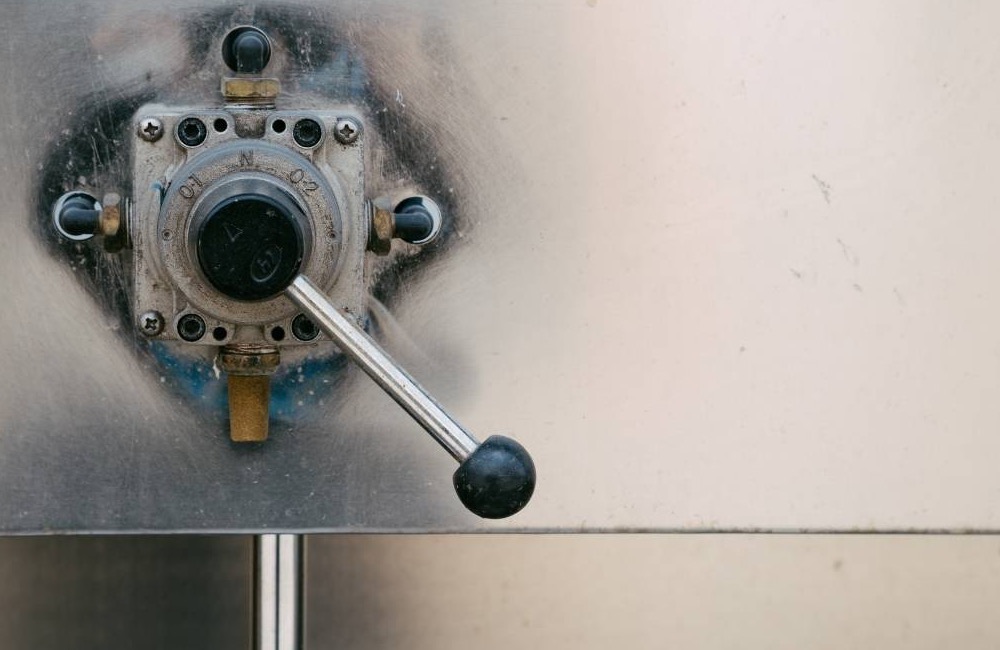
For the question, what is a hand valve, in industrial engineering, this piece of equipment is a type of valve that uses manual force to adjust direction, reduce or increase flow rate, or open and close fluid pathways (liquids, gases, air) without relying on electrical current like Pneumatic Valve (solenoid valve). The main components of a general hand valve include the handle or lever (Handwheel/Lever), stem, body, and parts for opening and closing (Disc/Ball/Gate). In engineering diagrams (P&ID or Pneumatic Diagram), the symbol of a manual air valve is typically triangular with clear symbols indicating manual operation mechanisms (such as half-circles or T-shapes).
What are Manual Valves? Get to Know the Popular Types
In the market, there are various types of Manual Valve, each designed with internal mechanisms suitable for different operational characteristics. The SCMA engineering team would like to summarize the main types commonly found in factories as follows:
Ball Valve
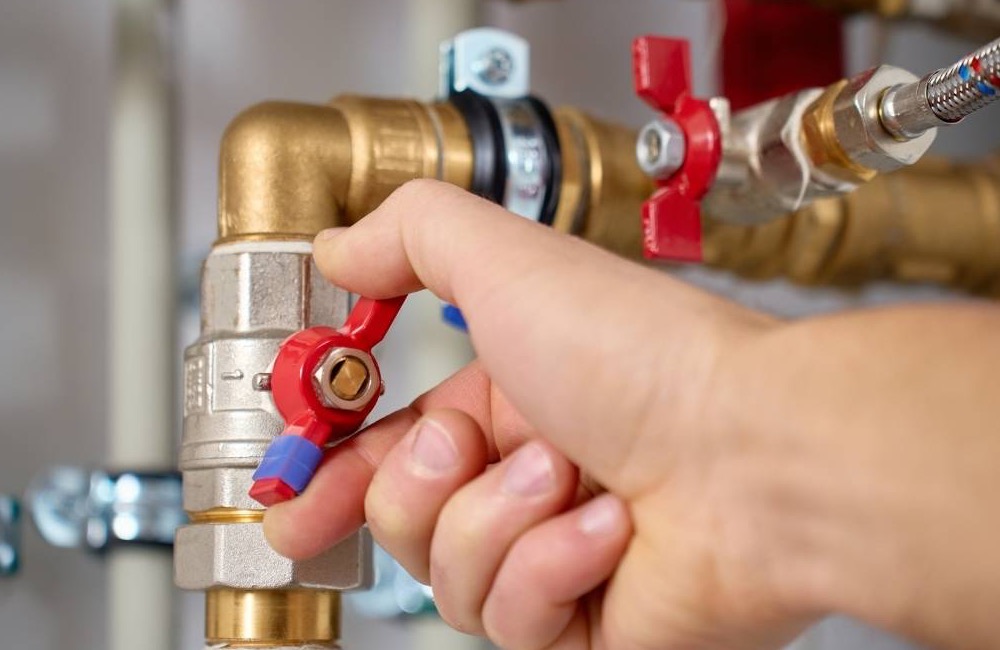
It uses a spherical ball with a hole drilled through the center to control flow. When turning the handle 90 degrees, the hole in the ball aligns with the pipe allowing full flow. Its advantages include easy and quick opening and closing, tight sealing when closed, and very low pressure drop in the system.
Gate Valve
Also known as 'water gate valve', it uses a metal plate that slides up or down to open or close the flow path. It is suitable for use only in fully open or fully closed positions, not for throttling or controlling flow rate because the gate will vibrate and wear out quickly.
Globe Valve
It has an internal structure resembling a bottleneck with a disk pressing down on the valve seat (seat). Globe valves are designed to 'throttle' or precisely control the flow rate. Its disadvantage is high resistance to flow, causing higher pressure drop in the system compared to other types of valves.
Varieties of Hand Lever Valve
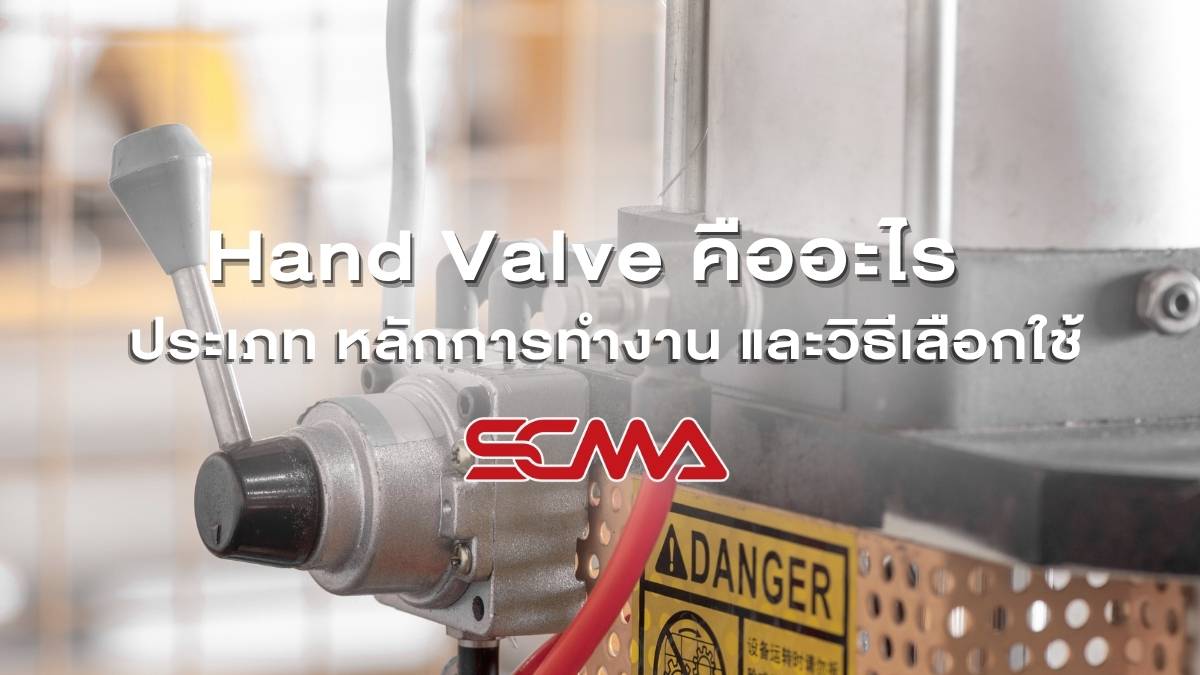
These valves are specifically designed to control air or oil direction. They usually have a lever for switching the path of fluid into the cylinder. Hand lever valve is widely used in pneumatic and hydraulic control panels where safety and human decision-making are required.
Differences Between 3/2 Valve and 5/2 Valve
The numbers indicate the functions of directional control valves. A 3/2 valve has 3 ports (1 for air in, 1 for operation, 1 for exhaust) and 2 positions, suitable for controlling a single-acting cylinder. On the other hand, a 5/2 valve has 5 ports (1 for air in, 2 for operation, 2 for exhaust) and 2 positions, used to control double-acting cylinders allowing free movement of air in and out.
Deep Dive into the Differences Between 'Pneumatic Hand Valves' and 'Hydraulic Hand Valves'
Many may wonder if air valves can be used interchangeably with oil valves. As experts at SCMA, we confirm that pneumatic hand valves (Pneumatic) and hydraulic hand valves (Hydraulic) cannot be interchanged due to clear engineering differences. Hydraulic valves must be made from cast iron or high-pressure steel capable of withstanding pressures up to 200-300 bar (Bar), whereas air valves are typically made from aluminum as they only need to withstand pressures of 10-15 bar. Using an air valve in a hydraulic system can cause the valve to break and result in severe danger immediately. Additionally, the choice of internal rubber seals is also determined by their resistance to corrosion from different types of fluids.
5 Key Factors to Consider When Selecting a Hand Valve
To prevent purchasing errors and extend the lifespan of machinery as much as possible, the engineering team has provided 5 guidelines for selecting hand control valves, which are:
1. Type of Fluid (Fluid Type)
You must clearly specify what type of fluid is in the system, such as clean water, hydraulic oil, compressed air, or corrosive chemicals, because the properties of the fluid will dictate that we need to choose materials for the valve body and rubber seals that can withstand those chemical reactions.
2. System Pressure & Temperature
You must know the maximum temperature range and pressure (Max Pressure) that the system can handle, then compare it with the specifications of the valve. If you choose a valve that cannot withstand the actual pressure, the valve will leak and its lifespan will inevitably be shortened.
3. Port Size & Flow Rate
You must select the thread size and bore size of the valve in relation to the flow rate required by Airtac air cylinders or hydraulic cylinders. If you choose a valve that is too small, it will slow down machine performance and reduce efficiency.
4. Valve Body & Seal Material
The commonly used materials for the body are brass, stainless steel (suitable for food industry), and aluminum (suitable for air systems). The seal material is equally important, such as NBR for general use, FKM (Viton) for high-temperature and oil applications.
5. Installation & Control Style
Consider the installation space to determine whether a hand wheel valve or lever style is suitable. If installed in a narrow area, the lever style will allow operators to open and close the valve quickly and safely.
Correct and Safe Installation of Hand Valve Methods
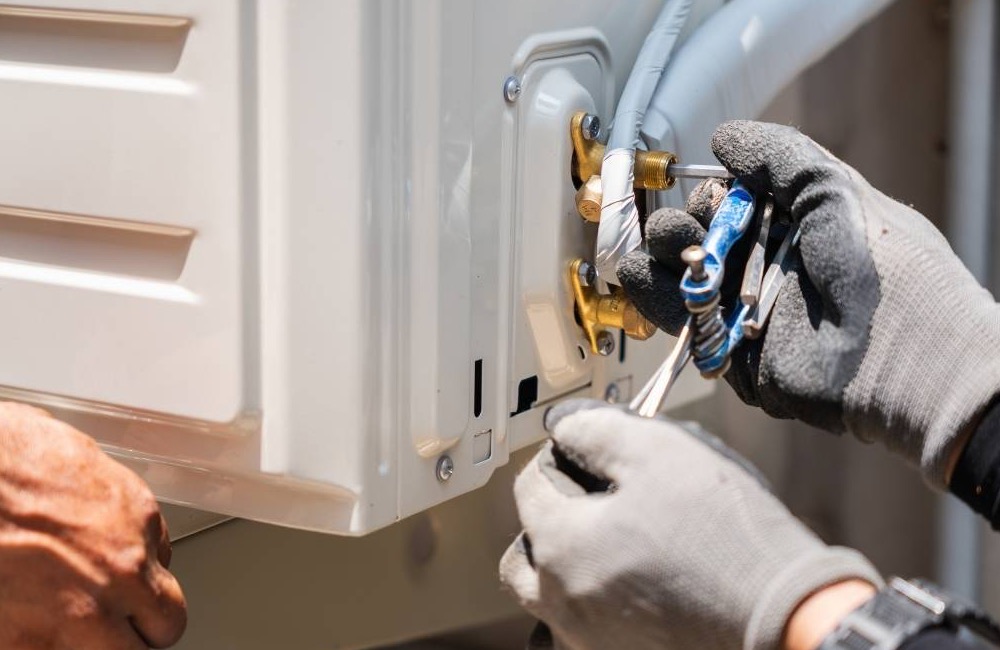
Installing Hand Valves in industrial sites must strictly follow engineering standards to prevent accidents caused by SCMA pressure leaks. The key steps are summarized as follows:
- Shut off the system pressure to zero: Before starting maintenance or installation, turn off the pump and drain all pressure from the pipes.
- Clean pipe threads: Wipe away oil residues and remove metal debris around the ends of the pipe and valve ports to prevent foreign materials from entering and damaging internal seals.
- Tape thread with Teflon tape or use sealant: Wrap Teflon tape in the direction of tightening (clockwise) leaving the first thread groove uncovered to avoid the tape breaking off into the system.
- Tighten securely with an appropriate wrench: Use a box-end or socket wrench on the valve body side being tightened, never grip the other side to prevent the valve housing from twisting and becoming damaged.
- Test the system for leaks (Leak Test): Gradually apply pressure to the system in small increments. Use soap bubbles or leak detection equipment to check joints; if air bubbles are found, stop the system immediately and make repairs.
Summary
In summary, the operation of Hand Valves, whether as a manual lever valve or steering wheel type, is crucial for controlling fluid direction safely in factories. Properly using pneumatic hand valves alongside an industrial pneumatic system significantly reduces risks and increases productivity. If you need consultation for a sustainable setup, the engineering team at SCMA is ready to provide free advice and support.
If you want to buy, you can purchase from SCMA today!
A true technology partner will help reduce the hassle in your production line. If your organization is looking for high-quality Directional Valve or Hand Valve that meets international standards, you can visit our complete product page (SCMA). We are committed to delivering high-precision technology to enhance stability in your industry.
Frequently Asked Questions
What types of Manual Valve are there?
A manual valve, or a valve controlled by hand, includes several main types such as ball valves (Ball Valve), gate valves (Gate Valve), globe valves (Globe Valve), and hand lever valves (Hand Lever Valve).
How do pneumatic valves differ from water valves?
The difference lies in their pressure tolerance and the materials used for production. Water or hydraulic valves are made of high-pressure resistant steel or brass, while pneumatic valves are typically made of lightweight aluminum because compressed air has a lower pressure value.
How many types of Expansion Valve are there?
In refrigeration systems, expansion valves (Expansion Valves) come in two main types: 1. Thermostatic Expansion Valve (TXV), and 2. Electronic Expansion Valve (EEV).
What is the function of a Float Valve?
A float valve or liquid level control valve controls the fluid level in tanks or reservoirs. When water levels drop, the float drops to open the valve for water inflow, and when full, the float rises automatically to close the valve.
What is an air regulator? Why is it important?
An air regulator or pneumatic pressure control valve reduces and maintains compressed air pressure at a constant level before sending it to cylinders. This prevents pneumatic equipment from being damaged by excessively high pressure.