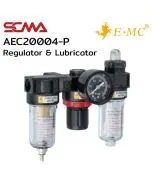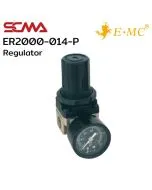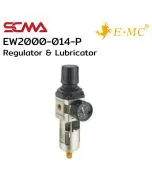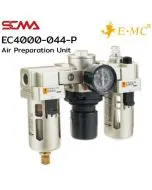
Is your factory facing issues with air cylinders getting stuck or having water contamination in the system frequently? These problems can severely impact production processes and damage expensive equipment. SCMA is here to help you with a comprehensive online solution, offering Filter, Regulator, Lubricator options tailored to your needs. This article delves into the workings of an Air Regulator and air preparation units to ensure consistent production standards.
What are Filter, Regulator, Lubricator?
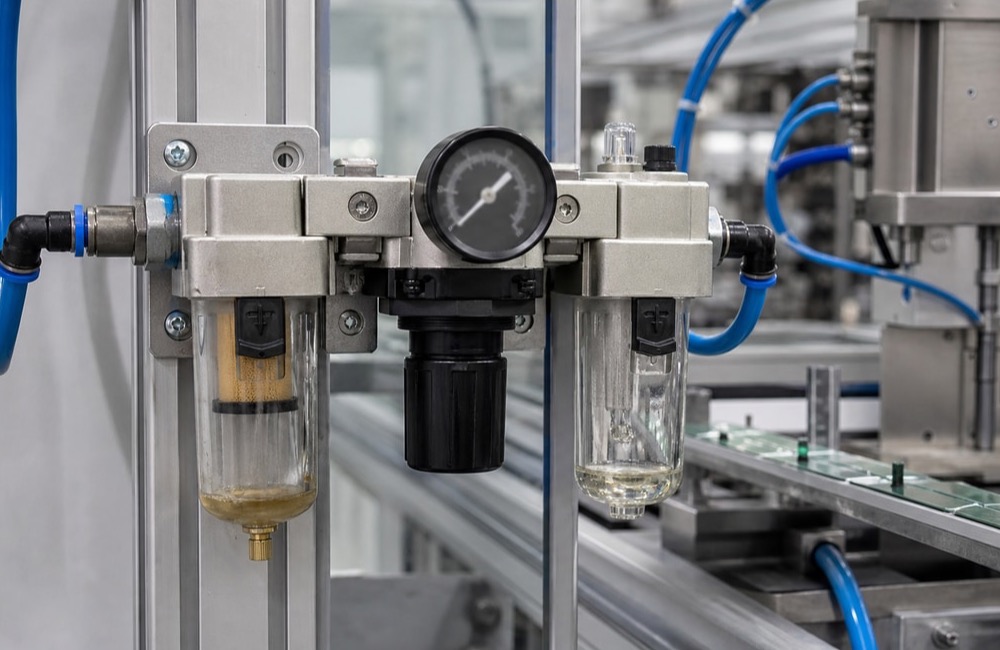
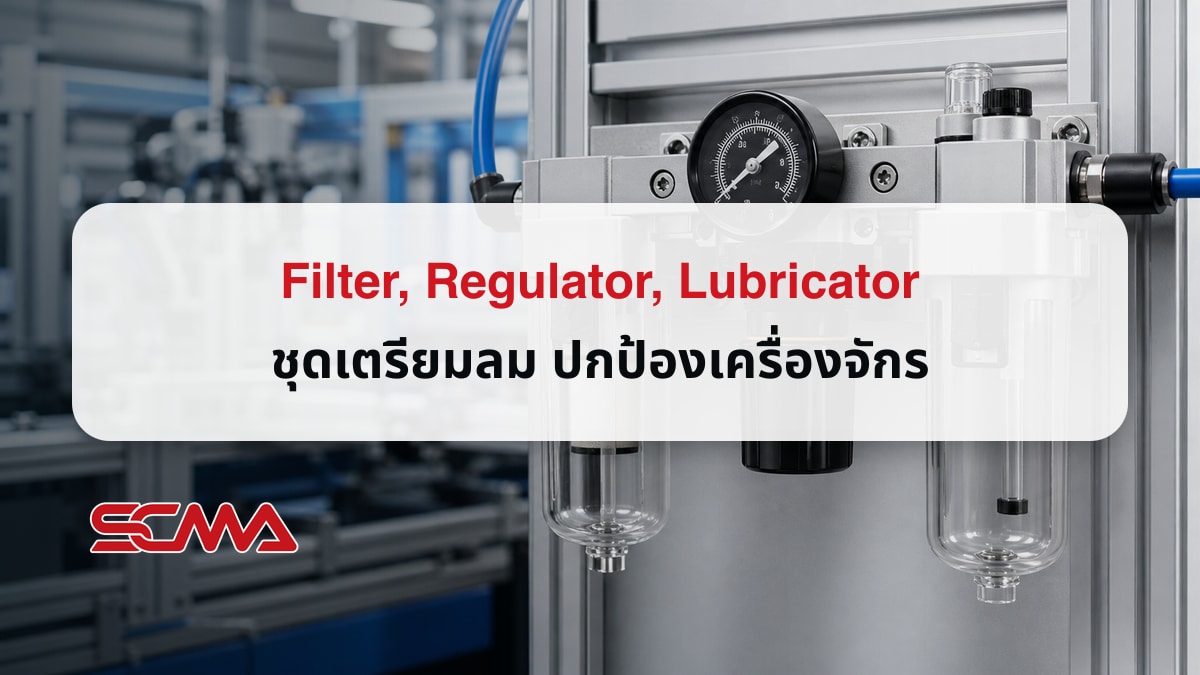
Filter, Regulator, Lubricator, or what technicians call the FRL set, is a group of devices used to improve compressed air quality before it enters machinery. What is a Regulator? The answer is that it's a central component responsible for adjusting air pressure to appropriate levels for work tasks. This Air Regulator unit is the core in removing water, filtering dust, and adding lubricant to protect valves and cylinders from damage, ensuring longer operational life.
The Main Functions of Filters, Regulators, Lubricators
The three components work together to transform raw air from the compressor into high-quality air ready for use. Understanding what a Regulator does will help you control energy costs and maintain end equipment efficiently.
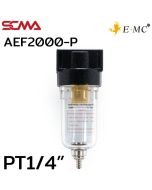
Filter (Air Filter)
Its function is to capture particles of dust, rust flakes, and water droplets mixed with the compressed air in pneumatic systems. Clean air filtration prevents contaminants from clogging valve orifices. A good filter must have an appropriate micron rating suitable for each type of machinery.
Regulator (Pressure Regulator)
Its function is to maintain a constant and steady air pressure despite fluctuations in the compressed air tank's pressure. The Air Regulator prevents excessive pressure from damaging rubber seals inside pneumatic cylinders or equipment. Adjusting the correct pressure saves compressed air and increases worker safety on-site.
Lubricator (Lubricator)
Its function is to spray oil mist into the airflow to create a thin film coating the internal surfaces of air tools. The oil mist reduces heat from friction and prevents rust formation inside metal parts. Proper lubrication extends the life of seals and pistons several times over.
Operation of Filter, Regulator, Lubricator
The operation mechanism of the air preparation unit starts with compressed air flowing through the inlet into the filter first before entering the pressure control system. Expert engineers indicate that proper equipment sequencing is crucial for the overall efficiency of the Air Quality Improvement Kit.
Step to Capture Water and Contaminants
The compressed air is spun at high speed to create centrifugal force, causing water droplets and debris to settle at the bottom of the filter cup. Afterward, the air passes through a fine filter to capture dust again before moving on to the next stage. This process reduces the risk of water corroding solenoid valves.
Adjusting Air Pressure to a Constant Level
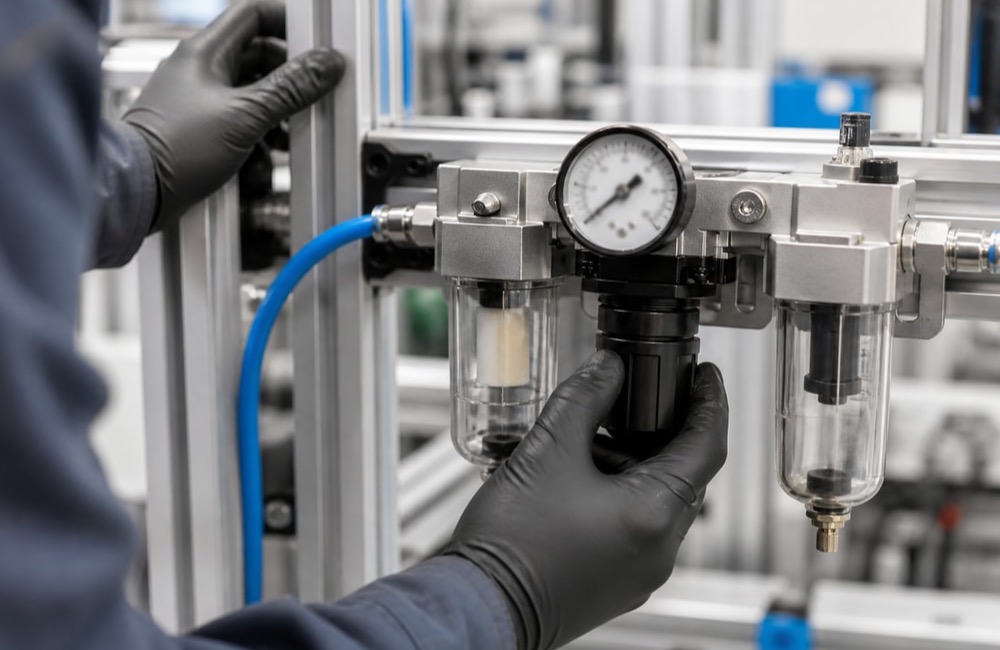
When clean air flows into the pressure control section, an internal diaphragm mechanism resists air pressure according to the set value. The Air Regulator continuously opens and closes flow channels to maintain a balanced pressure level as indicated by the pressure gauge. Stable pressure control ensures that the speed of pneumatic cylinders operates smoothly without jerking.
Creating Oil Mist Lubrication
The filtered and pressurized air then flows through the lubricator section, which pulls up oil to mix into fine droplets. The Venturi principle creates a suction force that turns the oil into an aerosol mist dispersed with the air. Air carrying this oil mist will coat all moving parts within the system to reduce wear from heavy operation.
Which Type of Filter, Regulator, Lubricator Should You Buy?
Selecting an air preparation set requires considering the amount of air that machinery needs and the size of connecting pipes to ensure the smoothest airflow. You must be sure that the chosen equipment has filter cup materials that can withstand your factory's environmental conditions and chemicals.
Consider Flow Rate and Airflow
Selecting a size that is too small will cause significant air pressure drop (Pressure Drop) when machinery operates under heavy load, resulting in cylinders not having the specified pushing force. You should calculate the total airflow of all machines connected to that FRL set to choose a body size that can accommodate the airflow volume.
Filter Element Fineness
The general standard often uses 40-micron filter elements for regular industrial work, but for delicate tasks, a 5-micron element is required. Choosing overly fine filters will cause clogging faster and require more frequent maintenance. You should consult online experts from SCMA to match the filter with your system's requirements.
Drain Type
You can choose either manual drain (Manual Drain) or automatic drain (Auto Drain) for convenience. The auto type helps reduce the risk of employees forgetting to drain water, which could lead to overflow into the air system. Investing in an automated system greatly reduces the chance of machinery downtime.
Filter Cup and Protective Case Materials
Poly carbonate cups are clear for easy observation of water levels but may not withstand certain chemicals. If your factory uses solutions, you should opt for metal cups with water level viewing ports. Choosing appropriate materials helps prevent cup pressure rupture which could cause severe danger to workers in the work area.
Caution When Installing Air Quality Improvement Kits
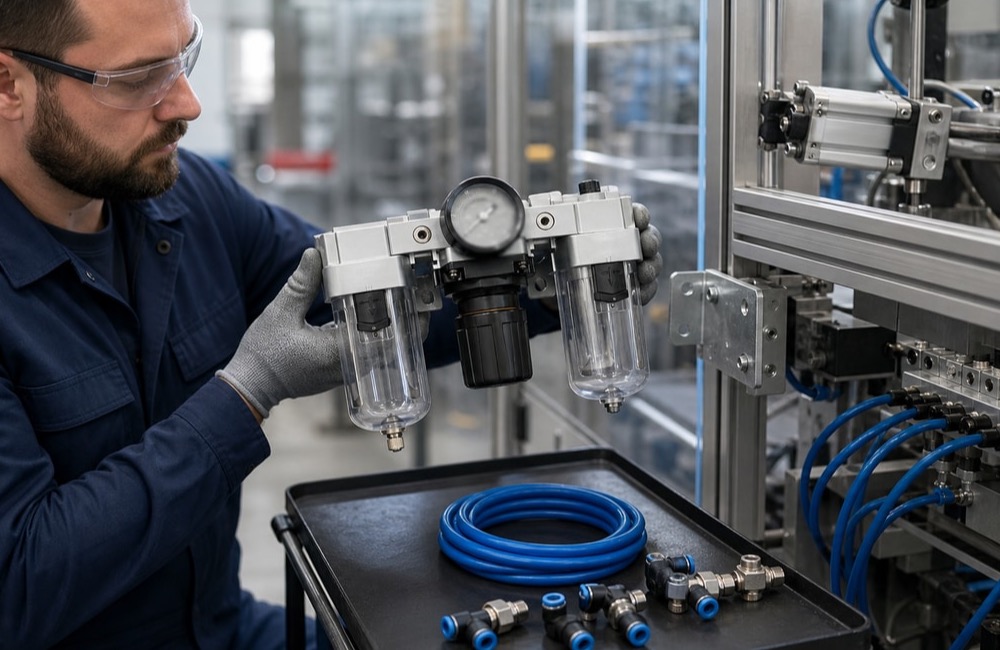
Incorrect installation can cause immediate damage even with high-quality products. Initial inspection will help maintain the system's air quality as if it were new.
- Flow Direction: Always observe the arrows on the equipment to ensure that air flows from the inlet (Inlet) to the outlet (Outlet) in the specified direction
- Distance from Machinery: Install the FRL set as close as possible to machinery or equipment with the highest usage to minimize pressure loss in air lines.
- Vertical Installation: The equipment must always be installed vertically at a 90-degree angle for proper water drainage and oil distribution due to gravity.
- Lubricant Selection: Use only standard pneumatic lubricating oil (ISO VG32). Do not use other types of oils as they may cause rubber seals to swell and valves to stick.
The Greatest Benefits from Using High-Quality Filters, Regulators, Lubricators
Investing in a good air preparation set is preventive maintenance at its best. Clean air and stable pressure are crucial factors for smart factories.
- Reduced Maintenance Costs: With clean air and proper lubrication, internal machine parts will wear out less, saving annual spare part budgets.
- Increased Production Accuracy: Stable Air Regulator control helps robots and cylinders operate with high precision.
- Reduced Energy Consumption: An air system free of water and contaminants allows for smoother airflow, reducing compressor workload and saving electricity costs.
- Extended Tool Life: Pneumatic tools such as drills or impact wrenches will have a longer lifespan when consistently receiving oil mist lubrication.
If you want to buy Filters, Regulators, Lubricators, SCMA is now available!
SCMA understands that the continuity of production is the most important thing for engineers and business owners. We have carefully selected high-quality Filter, Regulator, Lubricator sets from leading global brands to make online shopping easy through our website. Whether you are unsure about what a Regulator is or looking for special specification Air Quality Improvement Kits, our online technical support team is ready to provide in-depth advice so that you can get the most accurate products.
Summary
Selecting high-quality Filters, Regulators, Lubricators lays a solid foundation for your factory's pneumatic system. Understanding the function of an Air Regulator and maintaining a Lubricator properly will help eliminate downtime and sustainably increase production efficiency. Browse products and air system solutions from SCMA to get the best offers and online consultation services from real experts immediately.
Frequently Asked Questions
Why Must a Filter Be Installed Before the Regulator?
To prevent dust particles and water from interfering with the diaphragm mechanism inside the pressure controller, which could cause inaccurate pressure adjustment or instability.
How Often Should Lubricator Oil Be Refilled?
The oil level should be checked weekly or a sensor installed to alert when necessary, adjusting the drop rate to the minimum sufficient for lubricating end devices.
How Can You Tell When a Filter Is Clogged?
Note an abnormal pressure gauge reading decrease during machine operation, or observe the status indicator needle (if present), which will warn of excessive filter pressure differential.
Can a Damaged Air Regulator Be Repaired?
In most cases, diaphragm and O-ring repair kits can be replaced. However, if internal body wear is severe with scratches or damage, it's recommended to replace the unit for safety and optimal performance.
Can an FRL Set Serve Multiple Machines?
This is possible if the total flow rate of all machines does not exceed the capacity of that FRL set. However, separate sets are advised for precise pressure adjustment differences.
For more information on industrial products and services, visit SCMA website. Engineering reference from VMAC Air Preparation Guide